Shahidi Minoo, Vaziri Farzaneh, Haerian Ahmad, Farzanegan Amir, Jafari Soudeh, Sharifi Roya, Shirazi Fatemeh Sadeghi
Assistant Professor, Cellular and Molecular Research Center, Department of Hematology, School of Allied Medical Sciences, Iran University of Medical Sciences, Tehran, Iran.
Assistant Professor, Department of Periodontics, School of Dentistry, Shahid Sadoughi University of Medical Sciences, Yazd, Iran.
J Dent (Tehran). 2017 Jul;14(4):203-211.
It has been demonstrated that polyphenol components such as silymarin and resveratrol have anti-inflammatory properties. Periodontitis is a chronic inflammatory disease that leads to the breakdown of dental supporting tissues and tooth loss. The purpose of this study was to investigate the anti-inflammatory effects of silymarin and resveratrol on lipopolysaccharide (LPS)-induced inflammatory response in human gingival fibroblasts (HGFs).
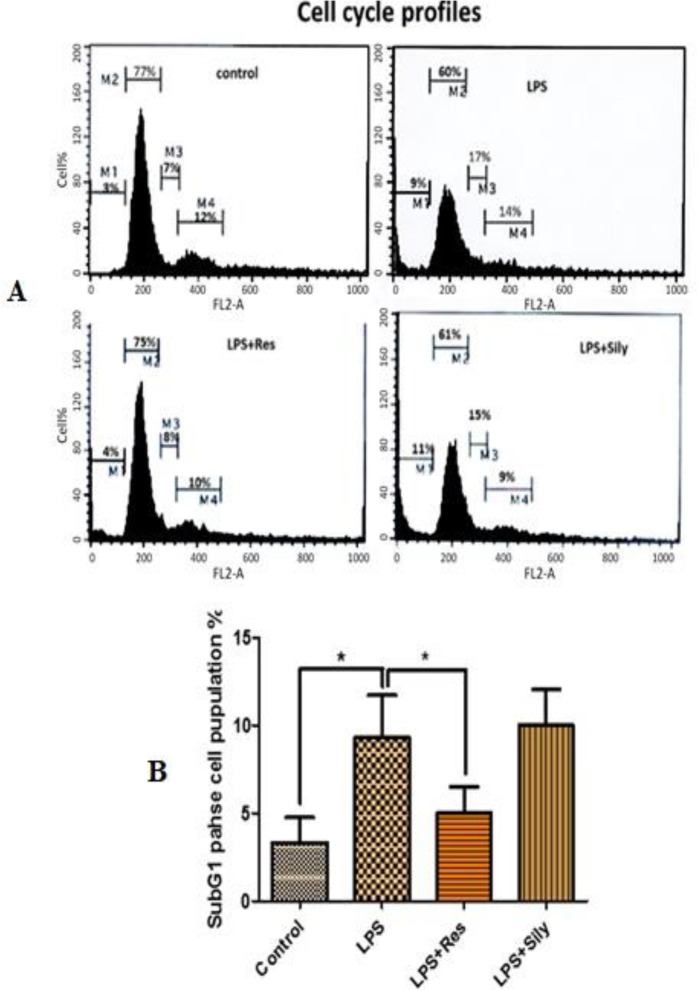
HGFs were treated with different concentrations of silymarin and/or resveratrol (25, 50, 100 and 200μg/ml). The effects of silymarin and resveratrol on cell viability and proliferation were assessed by MTT assay and cell cycle analysis, respectively. Also, HGFs were treated with silymarin and/or resveratrol and were stimulated with LPS. The levels of Interleukin-6 (IL-6) and IL-8 were assessed by enzyme-linked immunosorbent assay (ELISA).
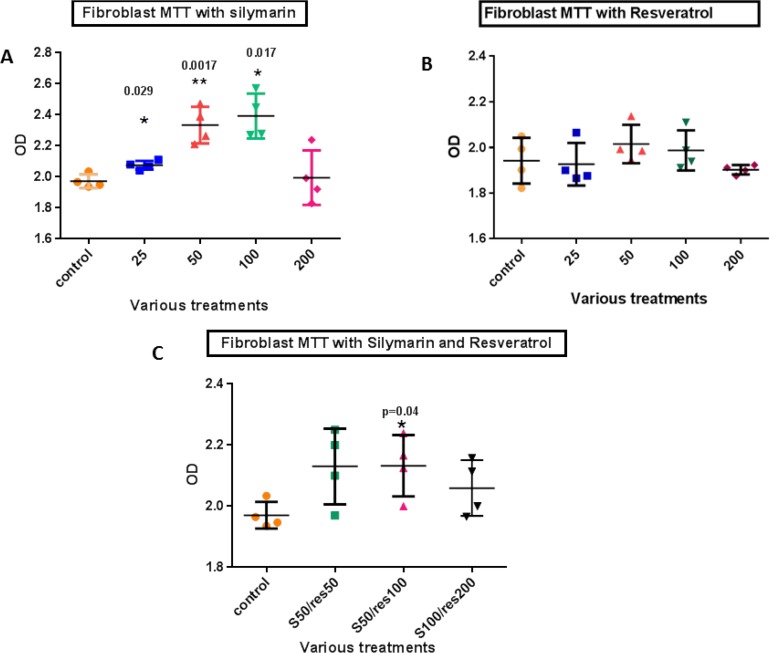
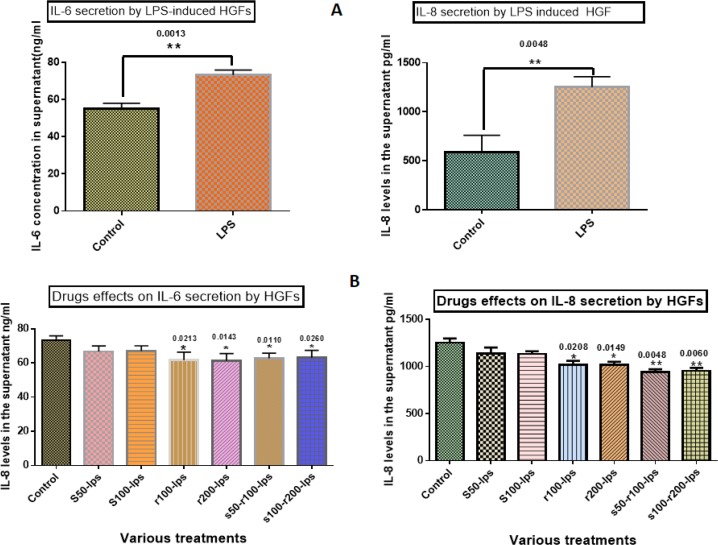
After treatment with silymarin, the viability of fibroblasts significantly increased, whereas treatment with resveratrol did not have any significant effect on cell viability. However, the combination of these flavonoids (50μg/ml silymarin and 100μg/ml resveratrol) significantly increased the viability of fibroblasts. Resveratrol significantly inhibited LPS-induced IL-6 and IL-8 secretion by HGFs, but silymarin did not show such a significant effect.
The findings of the present study demonstrated the anti-inflammatory effects of resveratrol and its combination with silymarin. Therefore, the combination of silymarin and resveratrol may be useful as a therapeutic agent for treatment of periodontal diseases.
已证实水飞蓟素和白藜芦醇等多酚成分具有抗炎特性。牙周炎是一种导致牙齿支持组织破坏和牙齿脱落的慢性炎症性疾病。本研究的目的是探讨水飞蓟素和白藜芦醇对脂多糖(LPS)诱导的人牙龈成纤维细胞(HGFs)炎症反应的抗炎作用。
用不同浓度的水飞蓟素和/或白藜芦醇(25、50、100和200μg/ml)处理HGFs。分别通过MTT法和细胞周期分析评估水飞蓟素和白藜芦醇对细胞活力和增殖的影响。此外,用 水飞蓟素和/或白藜芦醇处理HGFs,并用LPS刺激。通过酶联免疫吸附测定(ELISA)评估白细胞介素-6(IL-6)和IL-8的水平。
用水飞蓟素处理后,成纤维细胞的活力显著增加,而用白藜芦醇处理对细胞活力没有任何显著影响。然而,这些类黄酮的组合(50μg/ml水飞蓟素和100μg/ml白藜芦醇)显著提高了成纤维细胞的活力。白藜芦醇显著抑制LPS诱导的HGFs分泌IL-6和IL-8,但水飞蓟素没有显示出如此显著的效果。
本研究结果证明了白藜芦醇及其与水飞蓟素组合的抗炎作用。因此,水飞蓟素和白藜芦醇的组合可能作为治疗牙周疾病的治疗剂有用。