Marceglia Sara, Rosa Manuela, Servello Domenico, Porta Mauro, Barbieri Sergio, Moro Elena, Priori Alberto
Clinical Center for Neurostimulation, Neurotechnology and Movement Disorders, Fondazione Istituto Ricovero e Cura a Carattere Scientifico (IRCCS) Ca' Granda, Ospedale Maggiore Policlinico, Milan 20122, Italy.
Dipartimento di Ingegneria e Architettura, Università degli Studi di Trieste, Trieste 34127, Italy.
Brain Sci. 2017 Dec 23;8(1):4. doi: 10.3390/brainsci8010004.
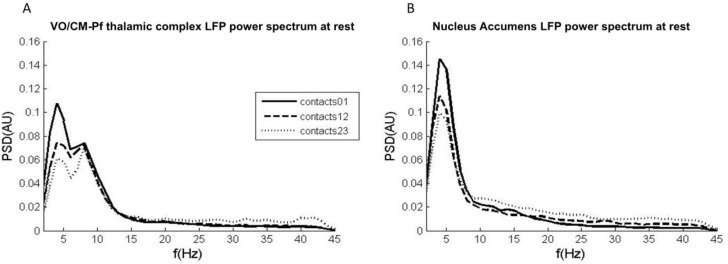
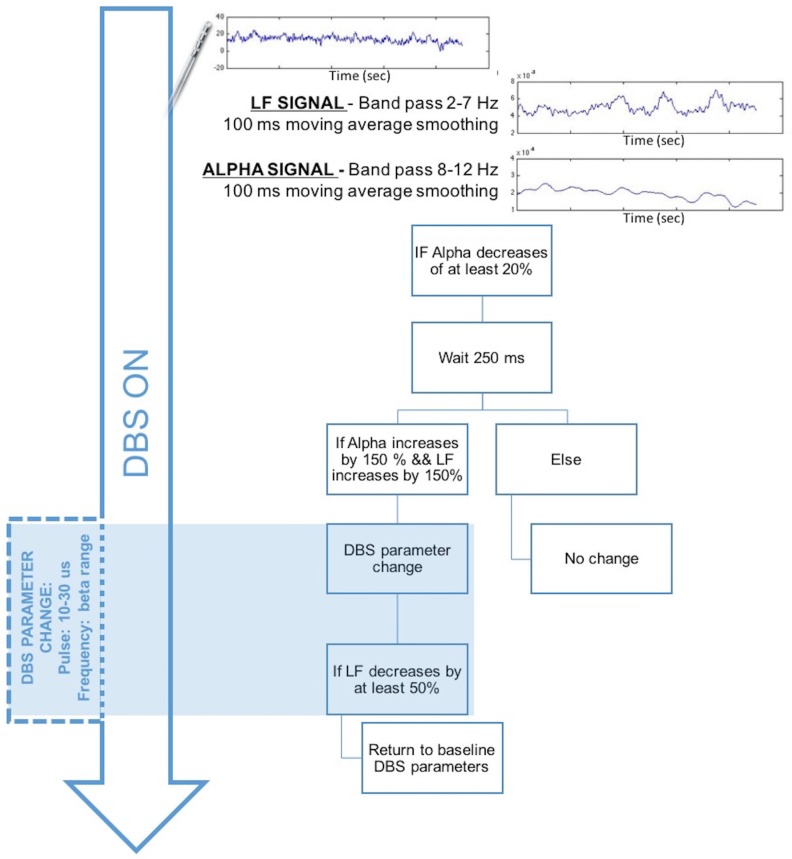
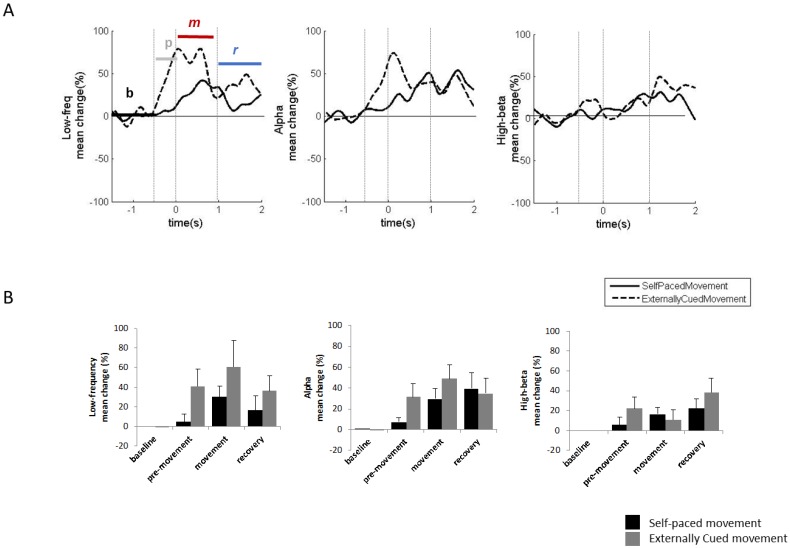
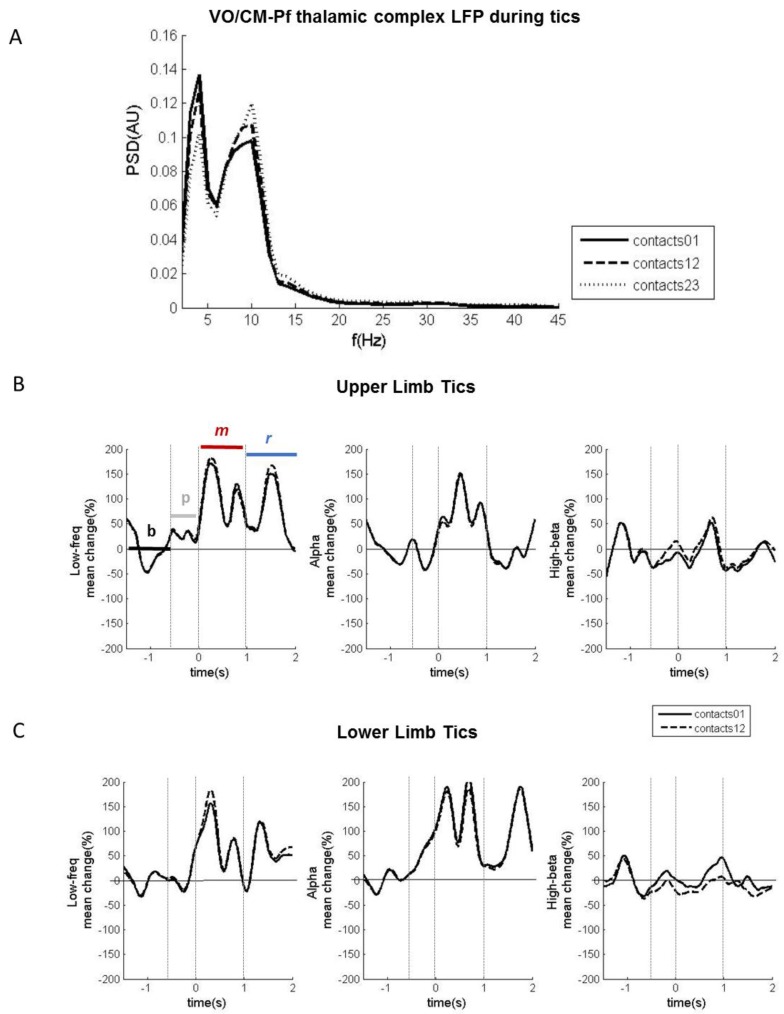
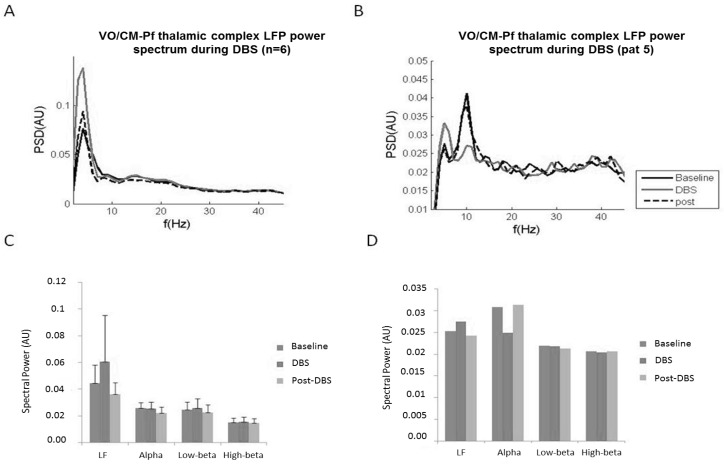
Deep brain stimulation (DBS) has emerged as a novel therapy for the treatment of several movement and neuropsychiatric disorders, and may also be suitable for the treatment of Tourette syndrome (TS). The main DBS targets used to date in patients with TS are located within the basal ganglia-thalamo-cortical circuit involved in the pathophysiology of this syndrome. They include the ventralis oralis/centromedian-parafascicular (Vo/CM-Pf) nucleus of the thalamus and the nucleus accumbens. Current DBS treatments deliver continuous electrical stimulation and are not designed to adapt to the patient's symptoms, thereby contributing to unwanted side effects. Moreover, continuous DBS can lead to rapid battery depletion, which necessitates frequent battery replacement surgeries. Adaptive deep brain stimulation (aDBS), which is controlled based on neurophysiological biomarkers, is considered one of the most promising approaches to optimize clinical benefits and to limit the side effects of DBS. aDBS consists of a closed-loop system designed to measure and analyse a control variable reflecting the patient's clinical condition and to modify on-line stimulation settings to improve treatment efficacy. Local field potentials (LFPs), which are sums of pre- and post-synaptic activity arising from large neuronal populations, directly recorded from electrodes implanted for DBS can theoretically represent a reliable correlate of clinical status in patients with TS. The well-established LFP-clinical correlations in patients with Parkinson's disease reported in the last few years provide the rationale for developing and implementing new aDBS devices whose efficacies are under evaluation in humans. Only a few studies have investigated LFP activity recorded from DBS target structures and the relationship of this activity to clinical symptoms in TS. Here, we review the available literature supporting the feasibility of an LFP-based aDBS approach in patients with TS. In addition, to increase such knowledge, we report explorative findings regarding LFP data recently acquired and analysed in patients with TS after DBS electrode implantation at rest, during voluntary and involuntary movements (tics), and during ongoing DBS. Data available up to now suggest that patients with TS have oscillatory patterns specifically associated with the part of the brain they are recorded from, and thereby with clinical manifestations. The Vo/CM-Pf nucleus of the thalamus is involved in movement execution and the pathophysiology of TS. Moreover, the oscillatory patterns in TS are specifically modulated by DBS treatment, as reflected by improvements in TS symptoms. These findings suggest that LFPs recorded from DBS targets may be used to control new aDBS devices capable of adaptive stimulation responsive to the symptoms of TS.
深部脑刺激(DBS)已成为治疗多种运动和神经精神疾病的一种新型疗法,也可能适用于治疗抽动秽语综合征(TS)。迄今为止,TS患者使用的主要DBS靶点位于参与该综合征病理生理过程的基底神经节-丘脑-皮质回路内。它们包括丘脑腹侧嘴部/中央中核-束旁核(Vo/CM-Pf)和伏隔核。目前的DBS治疗提供持续电刺激,并非为适应患者症状而设计,从而导致不良副作用。此外,持续的DBS会导致电池快速耗尽,这就需要频繁进行电池更换手术。基于神经生理学生物标志物进行控制的自适应深部脑刺激(aDBS)被认为是优化临床疗效和限制DBS副作用的最有前景的方法之一。aDBS由一个闭环系统组成,该系统旨在测量和分析反映患者临床状况的控制变量,并在线修改刺激设置以提高治疗效果。局部场电位(LFP)是由大量神经元群体产生的突触前和突触后活动的总和,从为DBS植入的电极直接记录下来,理论上可以代表TS患者临床状态的可靠相关指标。过去几年报道的帕金森病患者中已确立的LFP与临床的相关性为开发和应用新的aDBS设备提供了理论依据,目前正在对这些设备在人体中的疗效进行评估。只有少数研究调查了从DBS靶点记录的LFP活动以及该活动与TS临床症状的关系。在此,我们综述了支持基于LFP的aDBS方法在TS患者中可行性的现有文献。此外,为了增加这方面的知识,我们报告了最近在TS患者DBS电极植入后,在静息、自主和非自主运动(抽动)以及持续DBS期间获取和分析的LFP数据的探索性发现。目前可得的数据表明,TS患者具有与记录部位大脑相关的振荡模式,从而与临床表现相关。丘脑的Vo/CM-Pf核参与运动执行和TS的病理生理过程。此外,TS的振荡模式会受到DBS治疗的特异性调节,这体现在TS症状的改善上。这些发现表明,从DBS靶点记录的LFP可用于控制能够对TS症状进行自适应刺激的新型aDBS设备。