Department of Physiology, School of Medicine, Universidad Nacional Autonoma de Mexico, Apartado Postal 70-250, 04510 Ciudad de México, Mexico.
Department of Electrical Engineering, Bioelectronics Section, CINVESTAV, IPN, Av. Politecnico Nacional 2508, Col. San Pedro Zacatenco, 07360 Ciudad de México, Mexico.
Biomed Res Int. 2017;2017:4540291. doi: 10.1155/2017/4540291. Epub 2017 Nov 29.
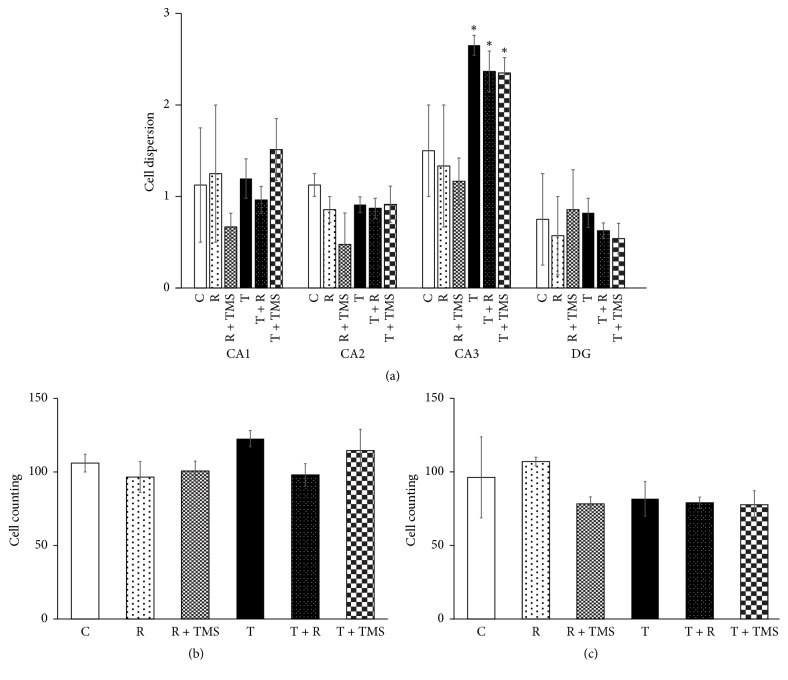
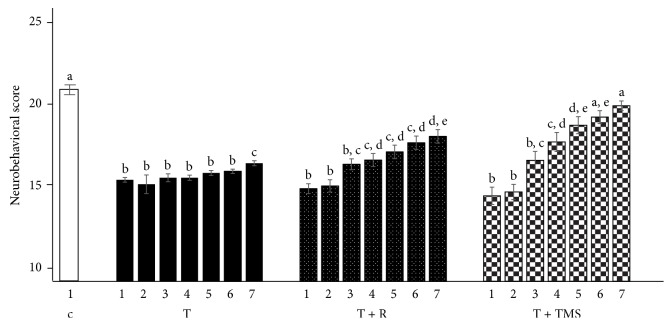
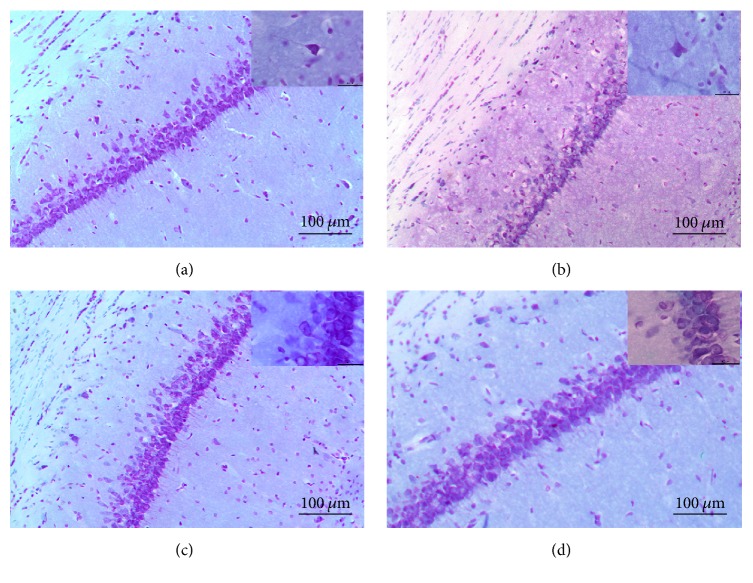
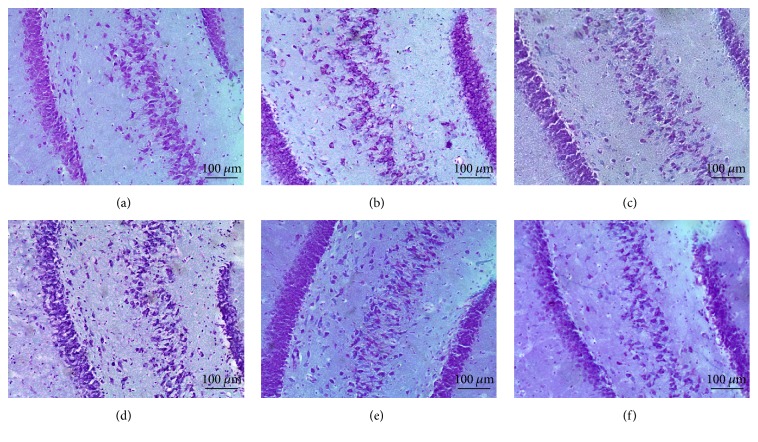
Traumatic brain injury (TBI) represents a significant public health concern and has been associated with high rates of morbidity and mortality. Although several research groups have proposed the use of repetitive transcranial magnetic stimulation (rTMS) to enhance neuroprotection and recovery in patients with TBI, few studies have obtained sufficient evidence regarding its effects in this population. Therefore, we aimed to analyze the effect of intermediate-frequency rTMS (2 Hz) on behavioral and histological recovery following TBI in rats. Male Wistar rats were divided into six groups: three groups without TBI (no manipulation, movement restriction plus sham rTMS, and movement restriction plus rTMS) and three groups subjected to TBI (TBI only, TBI plus movement restriction and sham rTMS, and TBI plus movement restriction and rTMS). The movement restriction groups were included so that rTMS could be applied without anesthesia. Our results indicate that the restriction of movement and sham rTMS per se promotes recovery, as measured using a neurobehavioral scale, although rTMS was associated with faster and superior recovery. We also observed that TBI caused alterations in the CA1 and CA3 subregions of the hippocampus, which are partly restored by movement restriction and rTMS. Our findings indicated that movement restriction prevents damage caused by TBI and that intermediate-frequency rTMS promotes behavioral and histologic recovery after TBI.
创伤性脑损伤(TBI)是一个重大的公共卫生问题,与高发病率和死亡率有关。尽管有几个研究小组提出使用重复经颅磁刺激(rTMS)来增强 TBI 患者的神经保护和恢复,但很少有研究获得足够的证据证明其在该人群中的效果。因此,我们旨在分析中频 rTMS(2 Hz)对 TBI 大鼠行为和组织学恢复的影响。雄性 Wistar 大鼠分为六组:三组无 TBI(无操作、运动限制加假 rTMS 和运动限制加 rTMS)和三组 TBI(仅 TBI、TBI 加运动限制和假 rTMS 以及 TBI 加运动限制和 rTMS)。包括运动限制组,以便在不麻醉的情况下应用 rTMS。我们的结果表明,运动限制本身和假 rTMS 促进了恢复,如神经行为量表所示,尽管 rTMS 与更快和更好的恢复相关。我们还观察到 TBI 导致海马 CA1 和 CA3 亚区的改变,运动限制和 rTMS 部分恢复了这些改变。我们的研究结果表明,运动限制可预防 TBI 引起的损伤,中频 rTMS 可促进 TBI 后的行为和组织学恢复。