
神经回路电磁场的猪模型:即时电磁场刺激对皮质损伤的影响
A Swine Model of Neural Circuit Electromagnetic Fields: Effects of Immediate Electromagnetic Field Stimulation on Cortical Injury.
作者信息
Brazdzionis James, Radwan Mohamed M, Thankam Finosh, Mendoza Mari Yssel, Baron David, Connett David, Agrawal Devendra K, Miulli Dan E
机构信息
Neurosurgery, Riverside University Health System Medical Center, Moreno Valley, USA.
Translational Research, College of the Osteopathic Medicine of the Pacific, Western University of Health Sciences, Pomona, USA.
出版信息
Cureus. 2023 Aug 19;15(8):e43774. doi: 10.7759/cureus.43774. eCollection 2023 Aug.
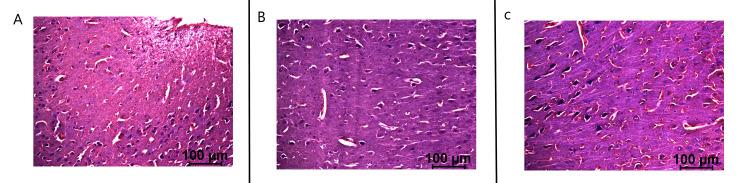
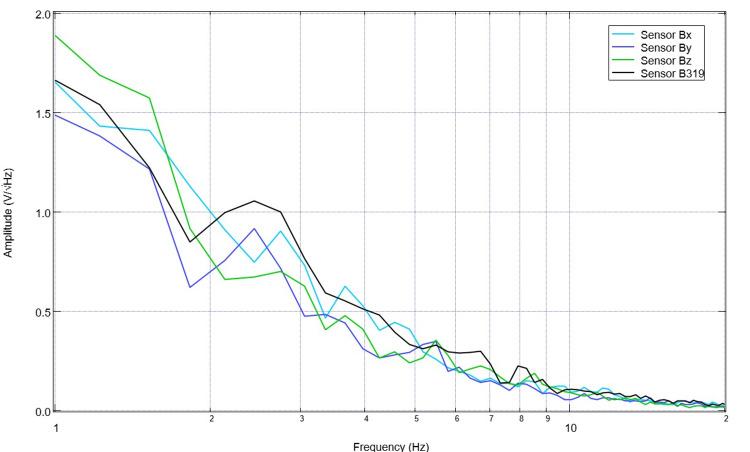
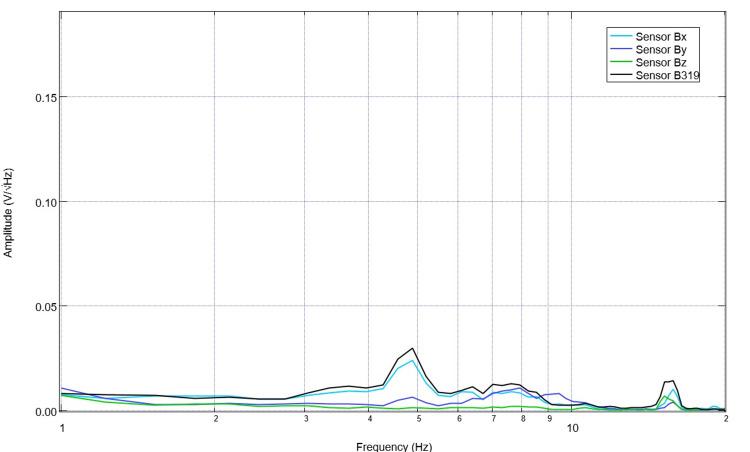
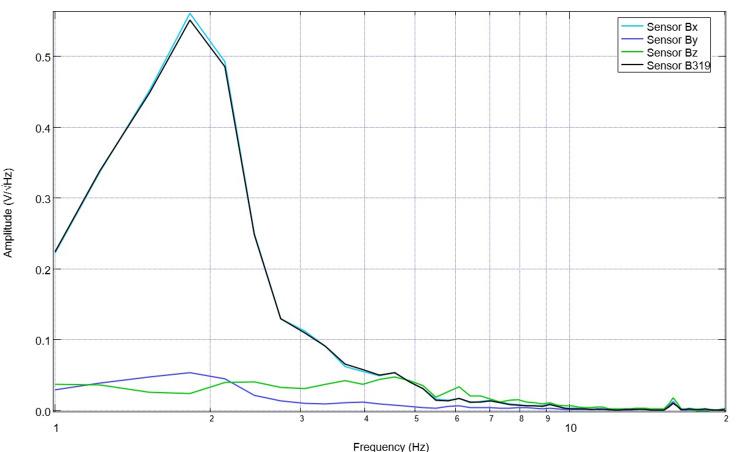
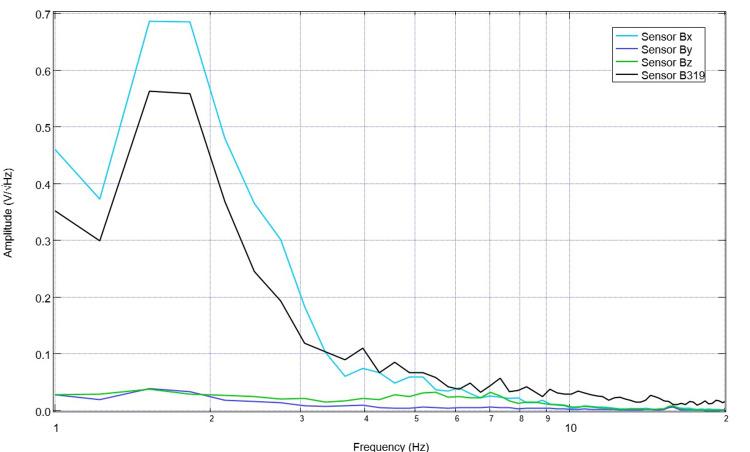
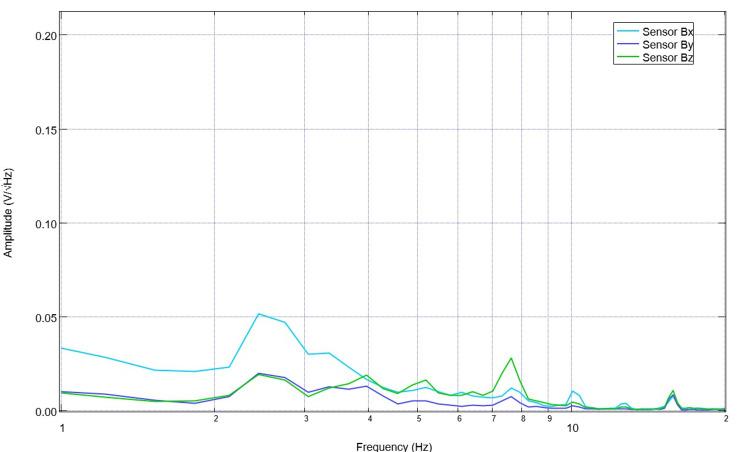
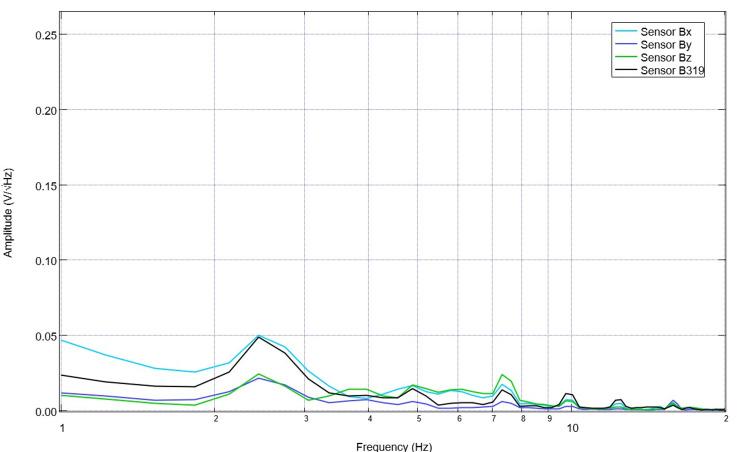
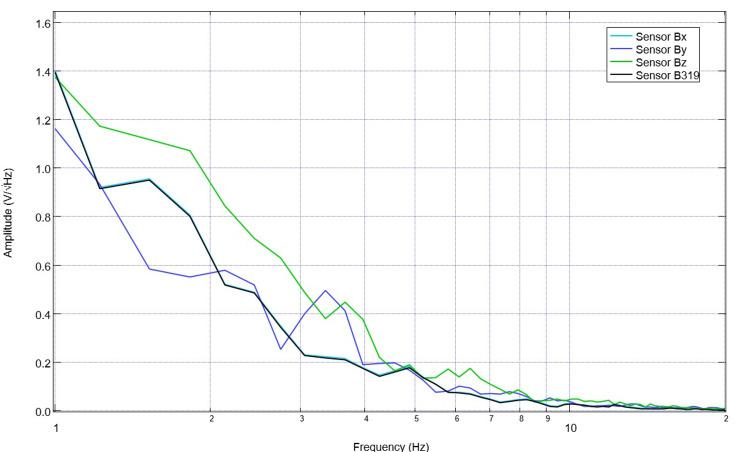
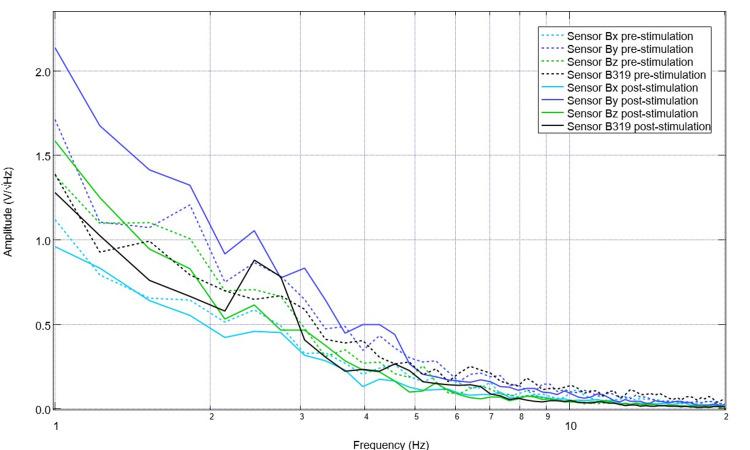
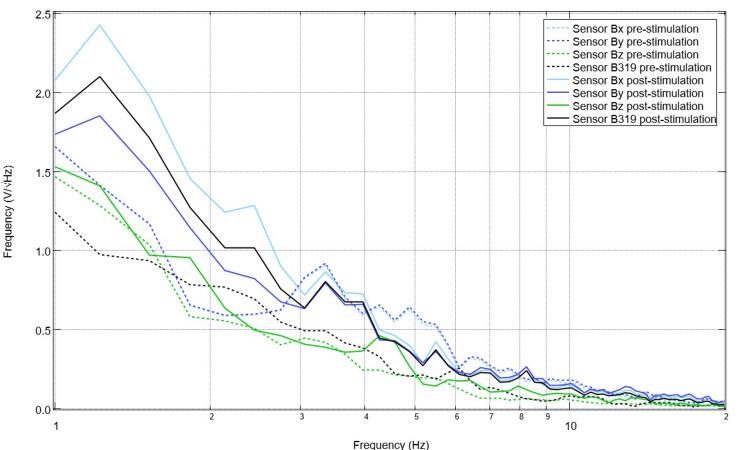
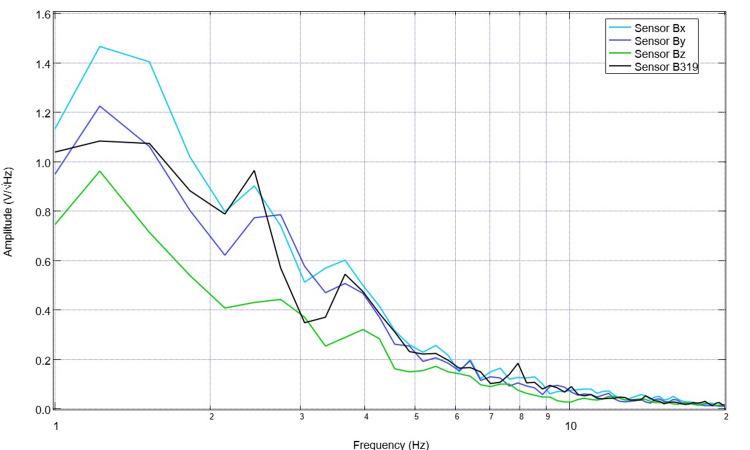
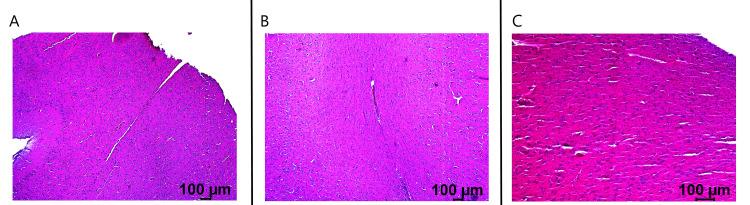
Background Neurologic diseases have profound disability, mortality, and socioeconomic effects worldwide. Treatment of these disorders varies but is largely limited to unique factors associated with neural physiology. Early studies have evaluated alterations in electromagnetic fields (EMF) due to neural disorders with subsequent modulation of EMF as a potential treatment modality. Swine models have begun to be evaluated as translational models in this effect. Methods EMF measurements of a Yucatan miniswine were recorded using proprietary non-contact, non-invasive induction sensors with a dual layer Mu-metal and interlaced copper mesh helmet. The swine then underwent controlled cortical impact (CCI) to simulate traumatic brain injury (TBI). Twenty minutes post-injury after surgical wound closure, the swine underwent targeted EMF signal modulation using a signal generator to stimulate the swine's injured cortical circuit using a sinusoidal wave individualized at 2.5 Hz with a 500mV positive offset at 1V. After 10 days of stimulation, settings were modified to another individualized frequency of 5.5 Hz, 500mV positive offset and 1V for stimulation. Behavioral patterns in swine were evaluated, and EMF measurements were recorded daily prior to, during, and after stimulation. Artificial intelligence (AI) models evaluated patterns in EMF signals. Histology of the stimulated swine cortex was evaluated using hematoxylin and eosin staining and pentachrome staining and compared to a control swine without stimulation and a swine that had received stimulation two days post-injury in a delayed fashion. Serial serum specimens and tissue at the time of euthanasia were obtained for assessment of neuron-specific enolase (NSE) concentration. Results Pre-operative and post-stimulation measurements demonstrated differences in patterns and activity early on. There was an identified peak at 1.6Hz, not frequently seen pre-operatively. There were convergent frequencies in both data sets at 10.5 Hz and 3.9 Hz. Plateaus and decreased variability of changes in slope were identified early in the post-injury phase. AI modeling identified early similarities in pre-operative and post-stimulation measurements through the patterns of peaks with similarities on postoperative day 10 and similarities in the valleys on postoperative day 17. Histologic specimens identified increased degrees of apoptosis and cellular death in the non-stimulated control compared to the stimulated swine. Similarly, the immediately stimulated swine had less apoptosis and increased histologic viability at the site of injury compared to the two-day delayed stimulation swine. There were increased levels of NSE noted in the stimulated swine at the site of injury compared to non-injured sites and the control swine. Conclusions Cortical function was appropriately measured through induction sensors and shielding in the form of a helmet and electromagnetic field channels. Early stimulation resulted in the early and durable recovery of neuronal circuit-driven electromagnetic field patterns. Histology identified increased viability of neurons with fewer apoptotic neurons and glial cells in stimulated swine with early stimulation identifying the best effect compared to a non-stimulated subject. This recovery identifies change and recovery at the circuit, cellular, and subcellular levels that potentiate the need for further study of EMF modulation as a treatment modality in neurological disorders.
背景
神经系统疾病在全球范围内造成了严重的残疾、死亡率和社会经济影响。这些疾病的治疗方法各不相同,但很大程度上局限于与神经生理学相关的独特因素。早期研究评估了神经疾病引起的电磁场(EMF)变化,并将随后对EMF的调节作为一种潜在的治疗方式。猪模型已开始被评估为这种效应的转化模型。
方法
使用专有的非接触、非侵入性感应传感器和双层钼金属及交错铜网头盔记录尤卡坦小型猪的EMF测量值。然后对猪进行控制性皮质撞击(CCI)以模拟创伤性脑损伤(TBI)。手术伤口闭合后20分钟,使用信号发生器对猪进行靶向EMF信号调制,以2.5Hz的正弦波、1V的500mV正偏移量刺激猪受伤的皮质回路。刺激10天后,将设置修改为另一个个性化频率5.5Hz、500mV正偏移量和1V进行刺激。评估猪的行为模式,并在刺激前、刺激期间和刺激后每天记录EMF测量值。人工智能(AI)模型评估EMF信号中的模式。使用苏木精和伊红染色以及三色染色评估受刺激猪皮质的组织学,并与未受刺激的对照猪以及受伤后两天延迟接受刺激的猪进行比较。在安乐死时获取系列血清标本和组织,以评估神经元特异性烯醇化酶(NSE)浓度。
结果
术前和刺激后的测量结果表明,早期模式和活动存在差异。在1.6Hz处发现了一个峰值,术前不常见。两个数据集中在10.5Hz和3.9Hz处有收敛频率。在损伤后早期发现了斜率变化的平台期和变异性降低。AI建模通过术后第10天峰值模式和术后第17天谷值模式的相似性,确定了术前和刺激后测量的早期相似性。组织学标本显示,与受刺激的猪相比,未受刺激的对照猪的凋亡和细胞死亡程度增加。同样,与延迟两天刺激的猪相比,立即受刺激的猪在损伤部位的凋亡较少,组织学活力增加。与未受伤部位和对照猪相比,受刺激猪损伤部位的NSE水平升高。
结论
通过感应传感器以及头盔和电磁场通道形式的屏蔽,可适当测量皮质功能。早期刺激导致神经元回路驱动的电磁场模式早期且持久恢复。组织学显示,受刺激猪的神经元活力增加,凋亡神经元和胶质细胞减少,早期刺激与未受刺激的对象相比效果最佳。这种恢复确定了在回路、细胞和亚细胞水平的变化和恢复,从而增强了将EMF调制作为神经系统疾病治疗方式进行进一步研究的必要性。
 Zotero 插件