Deutsches Krebsforschungszentrum, Heidelberg, Germany.
International Agency for Research on Cancer, World Health Organization, Lyon, France.
PLoS Pathog. 2018 Jan 11;14(1):e1006783. doi: 10.1371/journal.ppat.1006783. eCollection 2018 Jan.
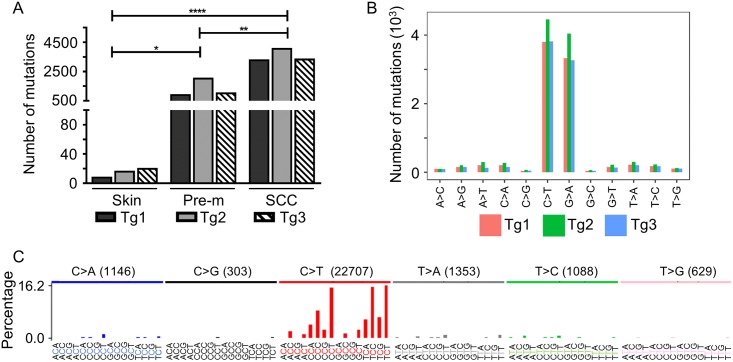
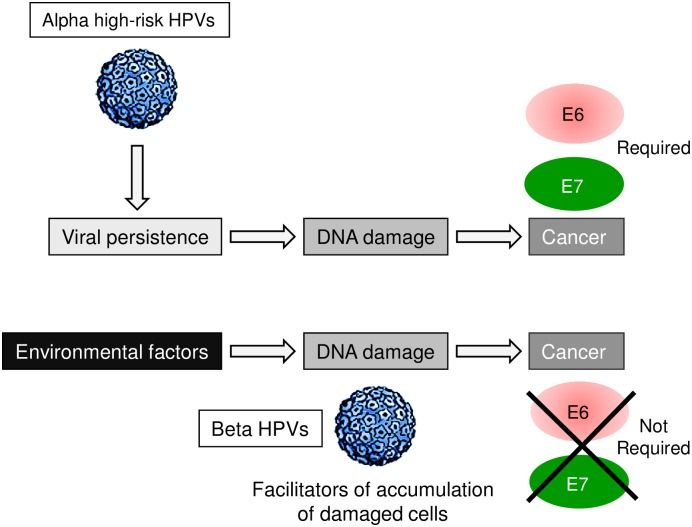
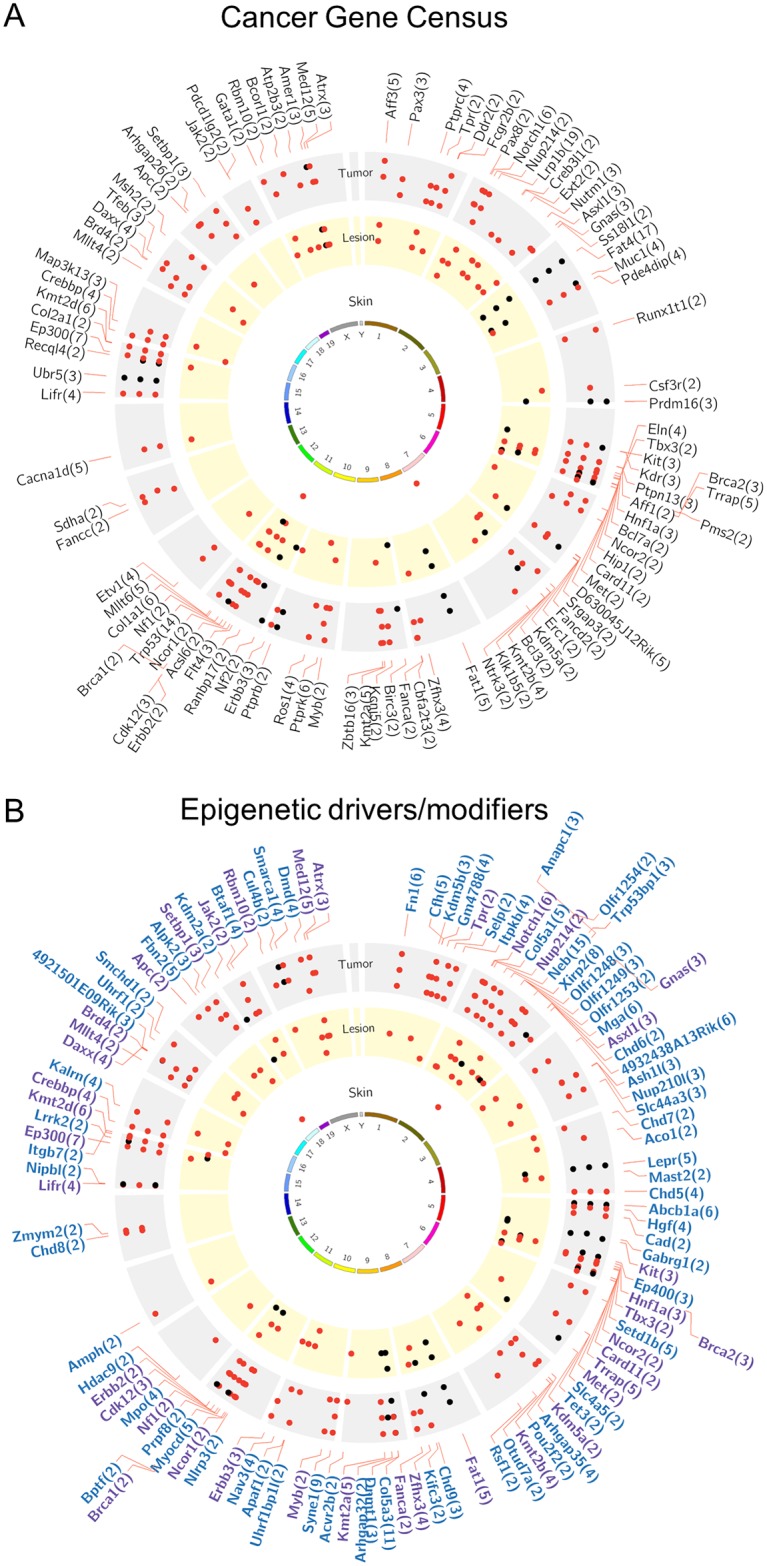
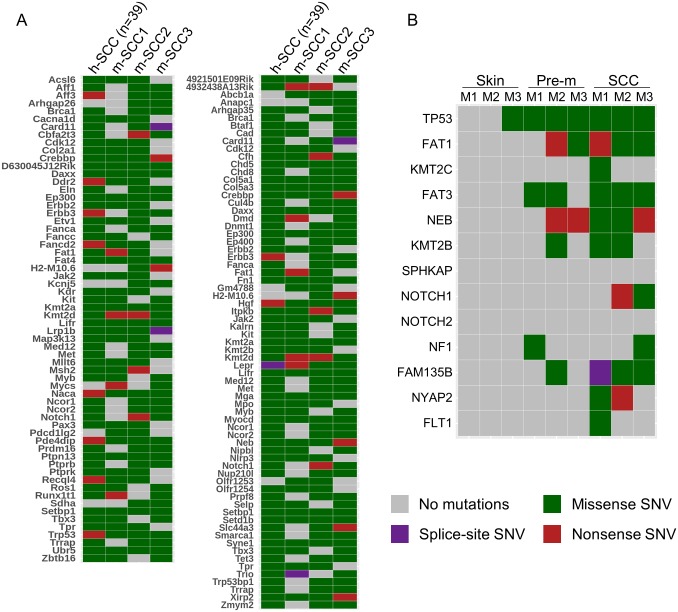
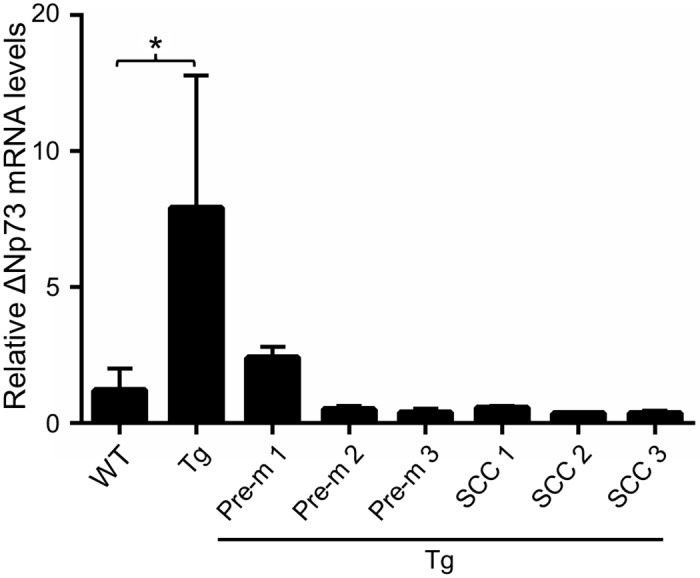
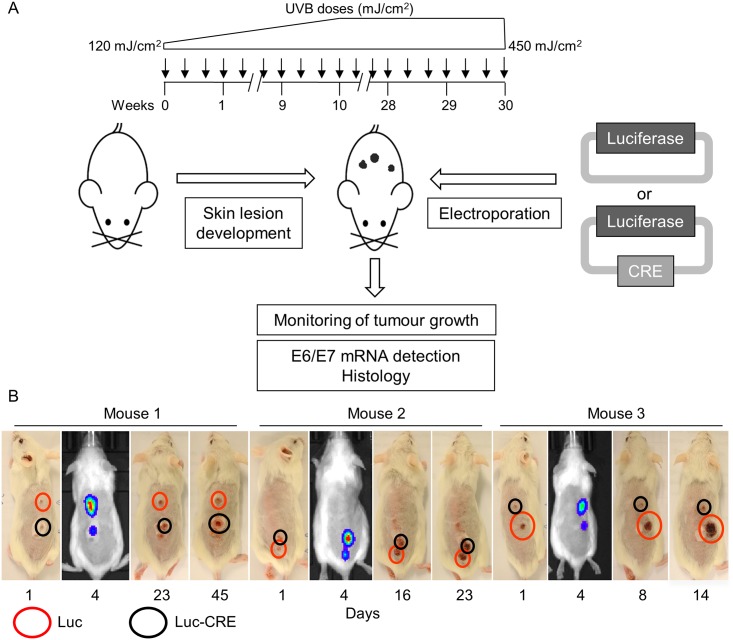
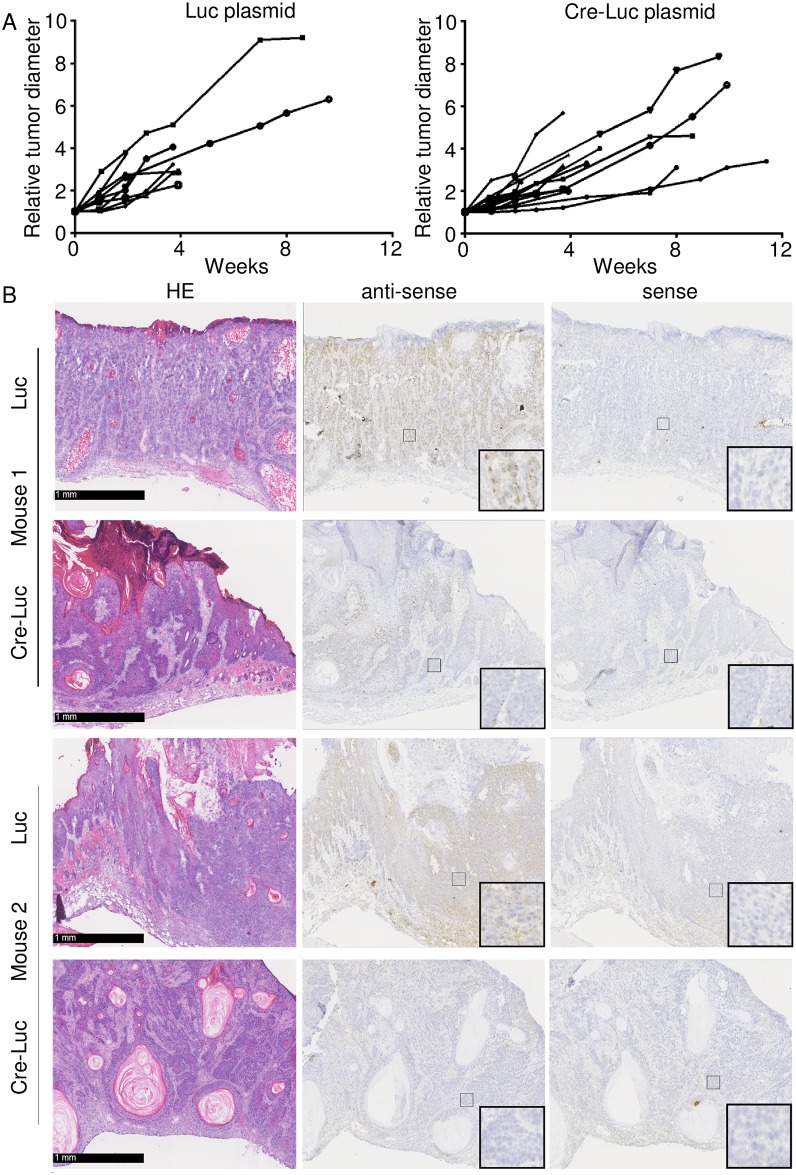
Cutaneous beta human papillomavirus (HPV) types are suspected to be involved, together with ultraviolet (UV) radiation, in the development of non-melanoma skin cancer (NMSC). Studies in in vitro and in vivo experimental models have highlighted the transforming properties of beta HPV E6 and E7 oncoproteins. However, epidemiological findings indicate that beta HPV types may be required only at an initial stage of carcinogenesis, and may become dispensable after full establishment of NMSC. Here, we further investigate the potential role of beta HPVs in NMSC using a Cre-loxP-based transgenic (Tg) mouse model that expresses beta HPV38 E6 and E7 oncogenes in the basal layer of the skin epidermis and is highly susceptible to UV-induced carcinogenesis. Using whole-exome sequencing, we show that, in contrast to WT animals, when exposed to chronic UV irradiation K14 HPV38 E6/E7 Tg mice accumulate a large number of UV-induced DNA mutations, which increase proportionally with the severity of the skin lesions. The mutation pattern detected in the Tg skin lesions closely resembles that detected in human NMSC, with the highest mutation rate in p53 and Notch genes. Using the Cre-lox recombination system, we observed that deletion of the viral oncogenes after development of UV-induced skin lesions did not affect the tumour growth. Together, these findings support the concept that beta HPV types act only at an initial stage of carcinogenesis, by potentiating the deleterious effects of UV radiation.
皮肤β型人乳头瘤病毒(HPV)与紫外线(UV)辐射一起,被怀疑参与了非黑色素瘤皮肤癌(NMSC)的发生。在体外和体内实验模型的研究中,突出了β型 HPV E6 和 E7 致癌蛋白的转化特性。然而,流行病学研究结果表明,β型 HPV 可能仅在致癌作用的初始阶段起作用,并且在 NMSC 完全建立后可能变得可有可无。在这里,我们使用基于 Cre-loxP 的转基因(Tg)小鼠模型进一步研究了β型 HPV 在 NMSC 中的潜在作用,该模型在皮肤表皮的基底层表达β型 HPV38 E6 和 E7 致癌基因,并且对 UV 诱导的致癌作用高度敏感。通过全外显子组测序,我们发现与 WT 动物相比,当暴露于慢性 UV 照射时,K14 HPV38 E6/E7 Tg 小鼠会积累大量的 UV 诱导的 DNA 突变,这些突变与皮肤损伤的严重程度成正比增加。在 Tg 皮肤损伤中检测到的突变模式与在人类 NMSC 中检测到的非常相似,p53 和 Notch 基因的突变率最高。使用 Cre-lox 重组系统,我们观察到在发展为 UV 诱导的皮肤损伤后删除病毒致癌基因并不影响肿瘤生长。综上所述,这些发现支持β型 HPV 仅在致癌作用的初始阶段起作用的概念,通过增强 UV 辐射的有害影响。