Zhao Wenjing, Caro Florence, Robins William, Mekalanos John J
Department of Microbiology and Immunobiology, Harvard Medical School, Boston, MA 02115, USA.
Science. 2018 Jan 12;359(6372):210-213. doi: 10.1126/science.aap8775.
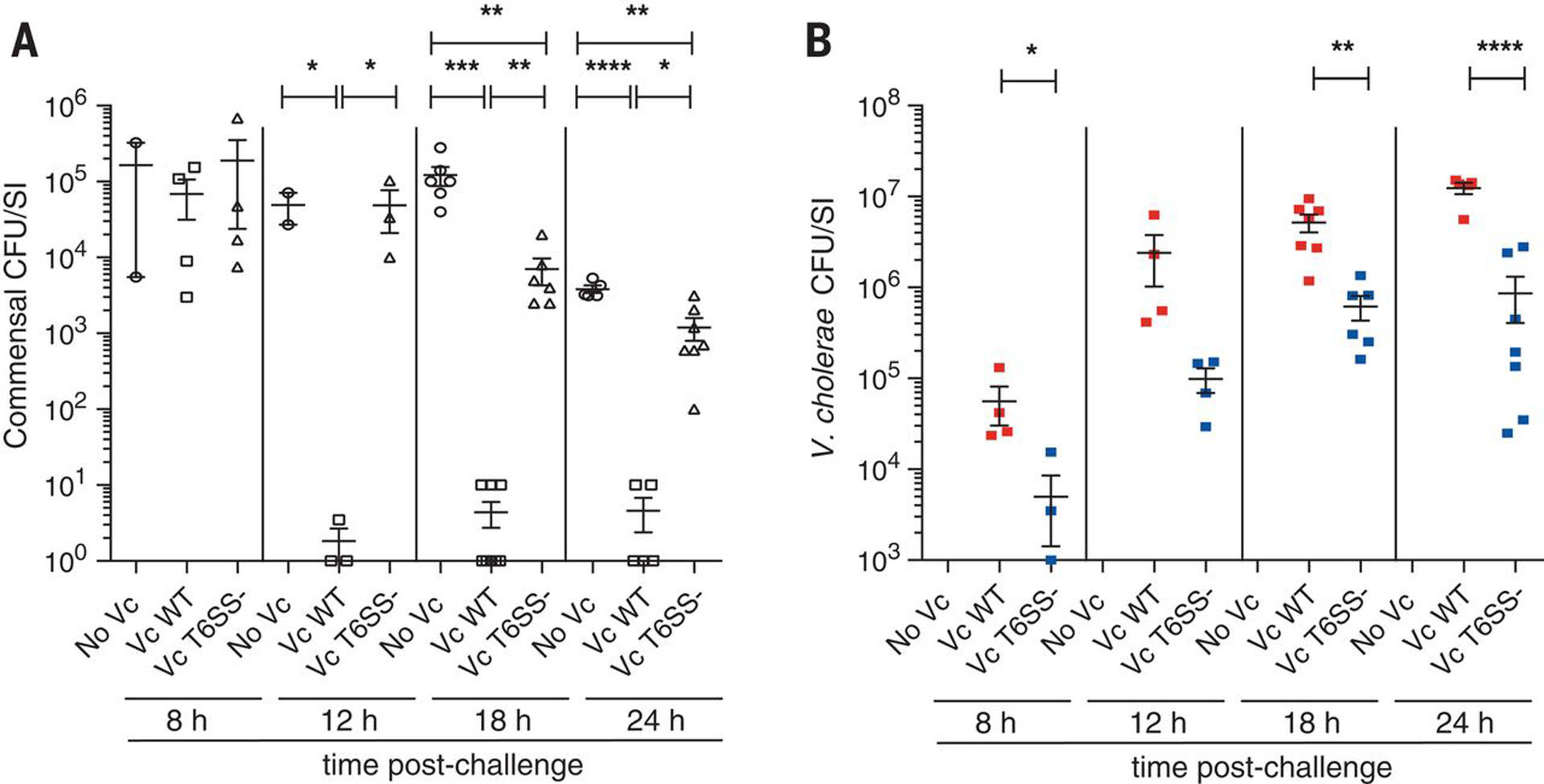
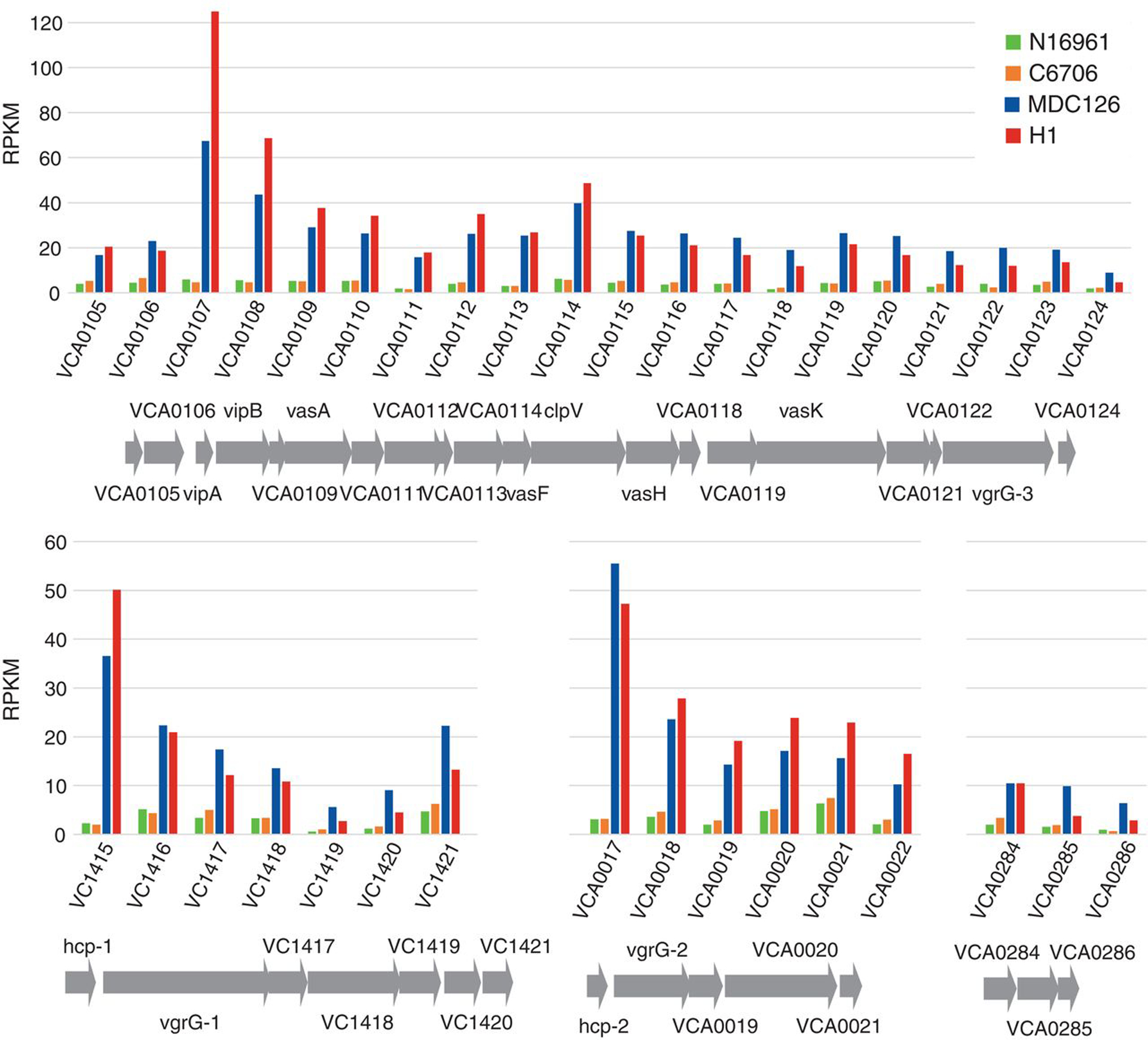
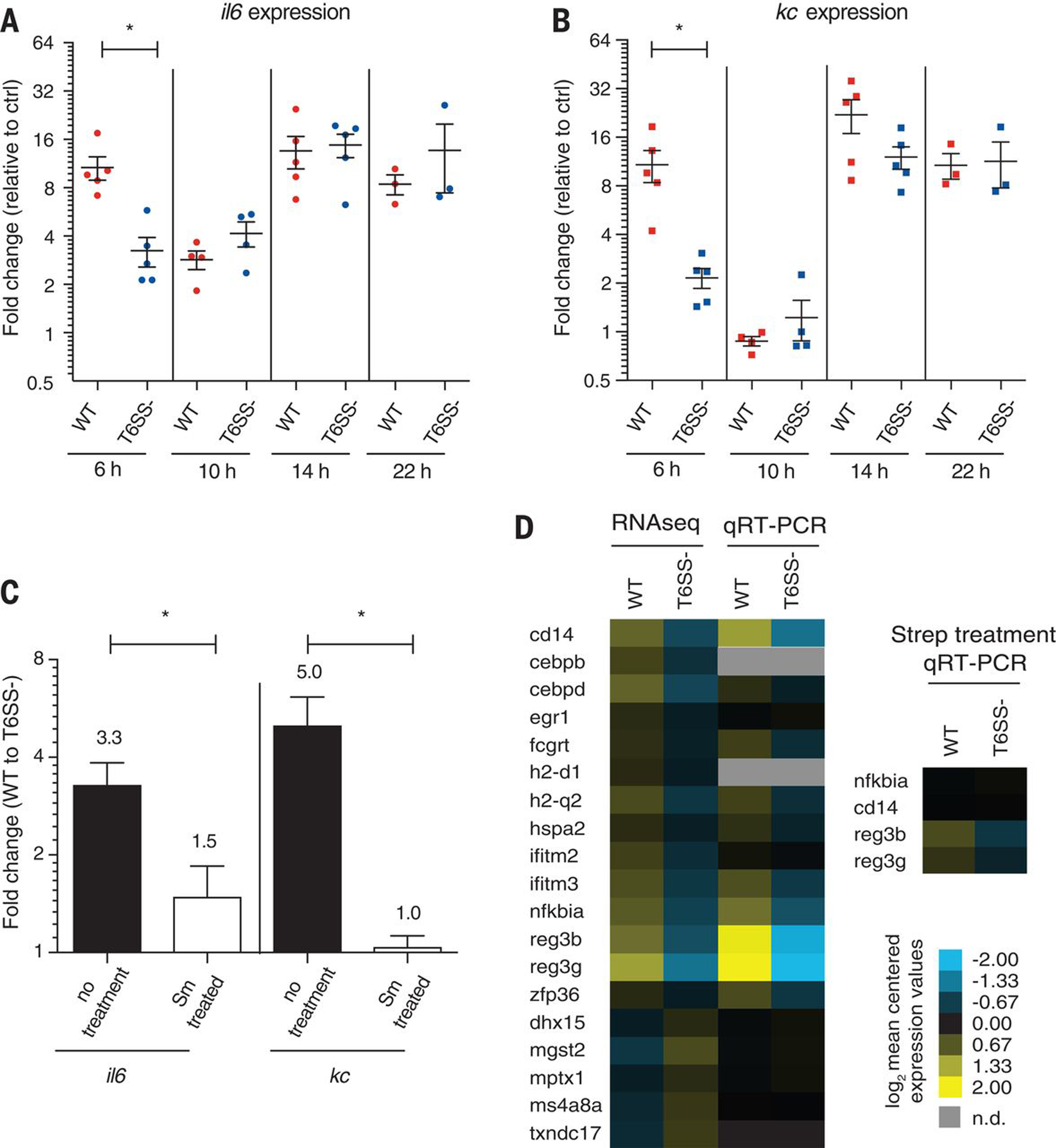
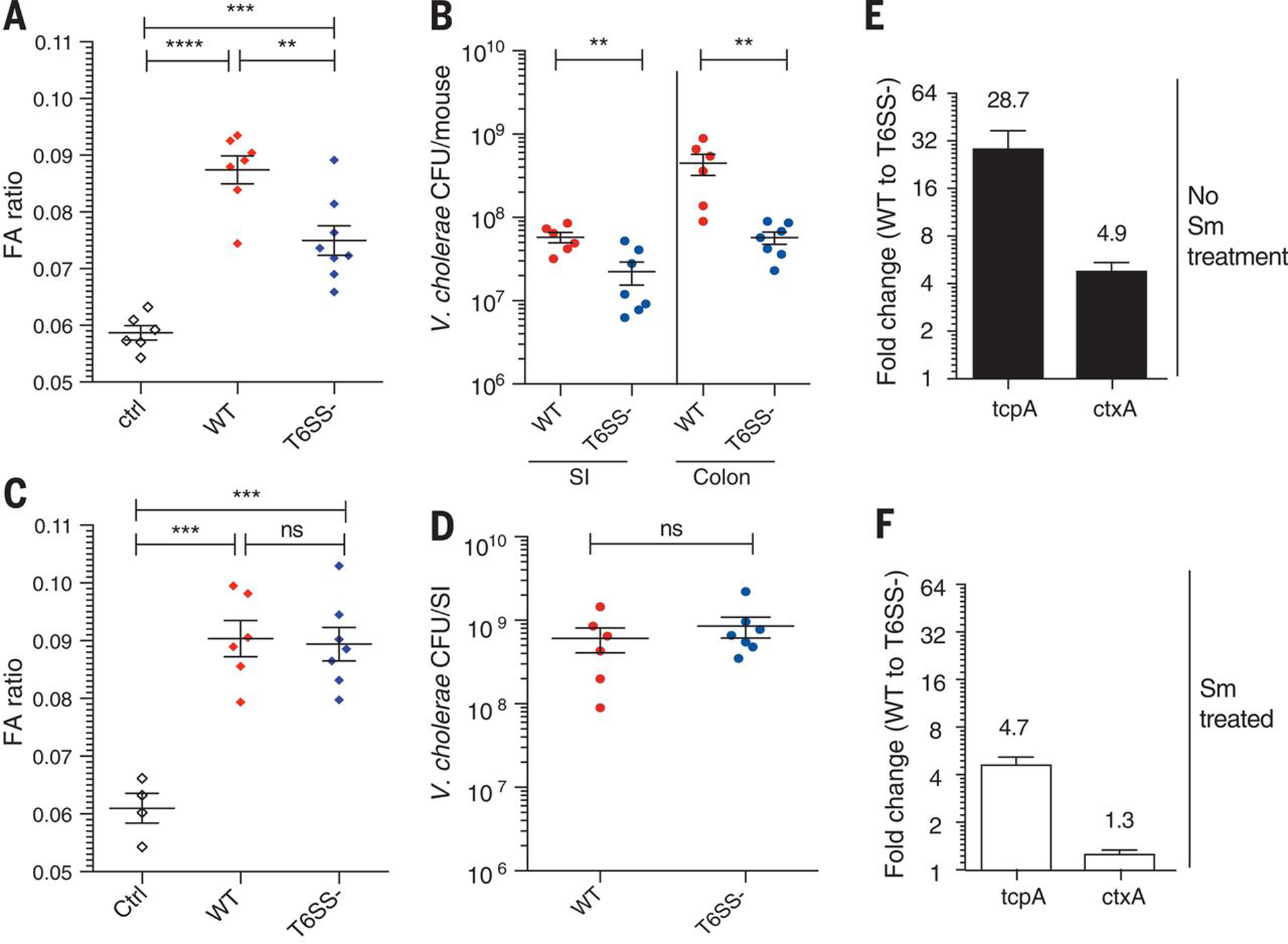
The bacterial type VI secretion system (T6SS) is a nanomachine that delivers toxic effector proteins into target cells, killing them. In mice, we found that the T6SS attacks members of the host commensal microbiota in vivo, facilitating the pathogen's colonization of the gut. This microbial antagonistic interaction drives measurable changes in the pathogenicity of through enhanced intestinal colonization, expression of bacterial virulence genes, and activation of host innate immune genes. Because ablation of mouse commensals by this enteric pathogen correlated with more severe diarrheal symptoms, we conclude that antagonism toward the gut microbiota could improve the fitness of as a pathogen by elevating its transmission to new susceptible hosts.
细菌VI型分泌系统(T6SS)是一种纳米机器,可将有毒效应蛋白输送到靶细胞中,从而杀死它们。在小鼠体内,我们发现T6SS在体内攻击宿主共生微生物群的成员,促进病原体在肠道的定殖。这种微生物拮抗相互作用通过增强肠道定殖、细菌毒力基因的表达和宿主固有免疫基因的激活,推动了病原体致病性的可测量变化。由于这种肠道病原体对小鼠共生菌的清除与更严重的腹泻症状相关,我们得出结论,对肠道微生物群的拮抗作用可通过提高病原体向新的易感宿主的传播,来提升其作为病原体的适应性。