Lukač Nejc, Jezeršek Matija
Faculty of Mechanical Engineering, University of Ljubljana, Aškerčeva 6, 1000, Ljubljana, Slovenia.
Lasers Med Sci. 2018 May;33(4):823-833. doi: 10.1007/s10103-017-2435-z. Epub 2018 Jan 11.
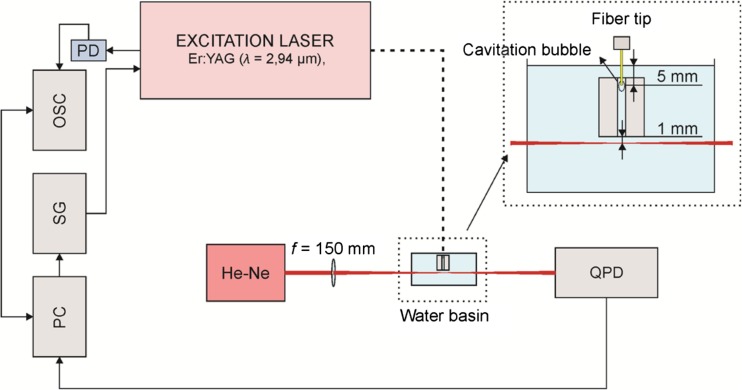
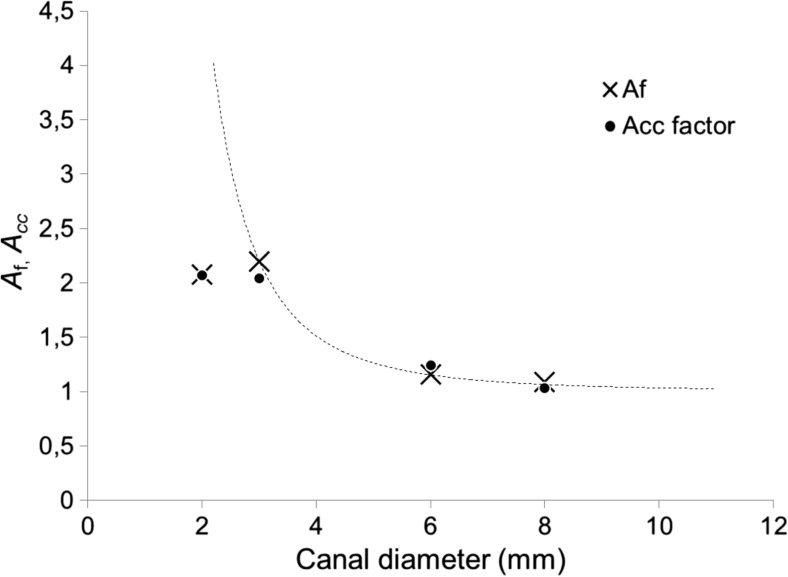
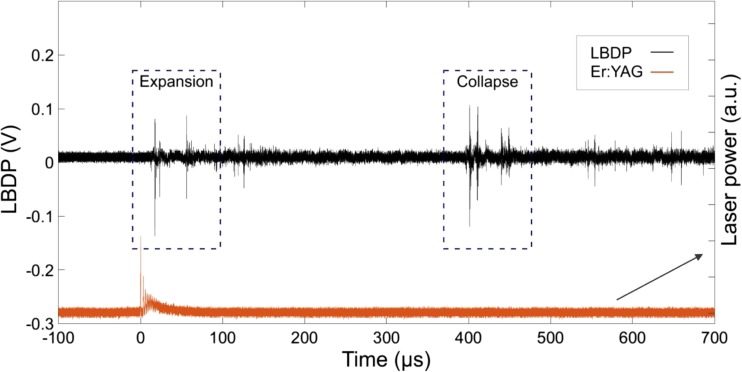
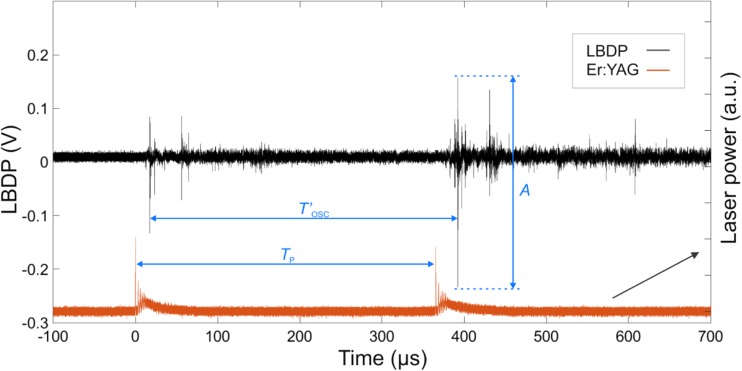
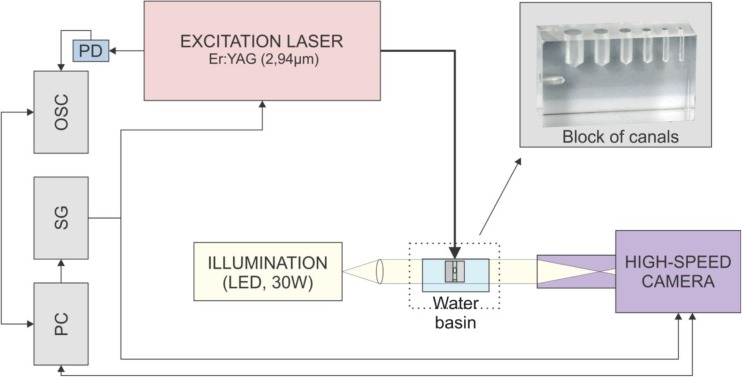
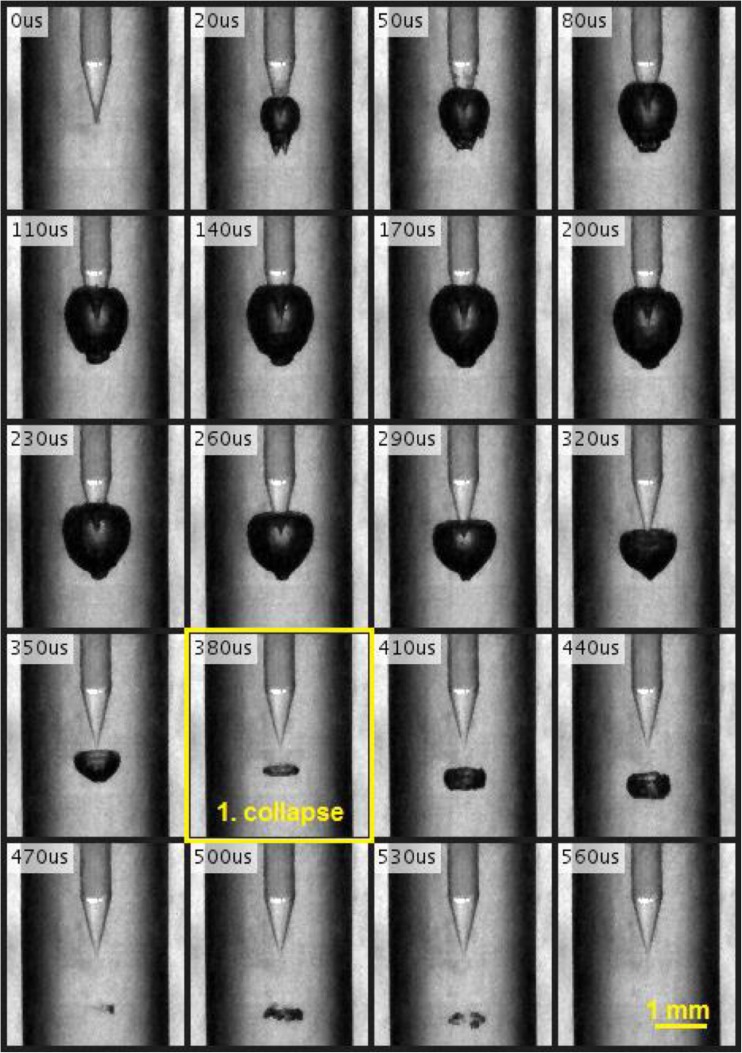
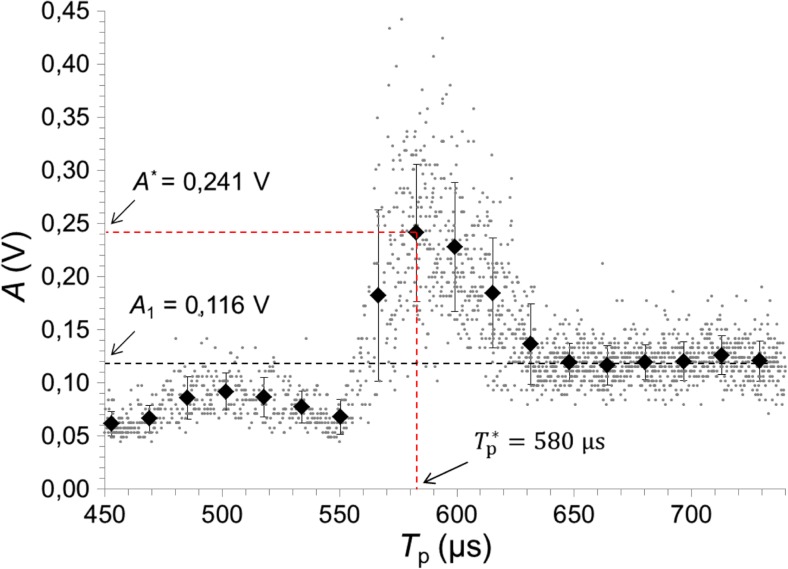
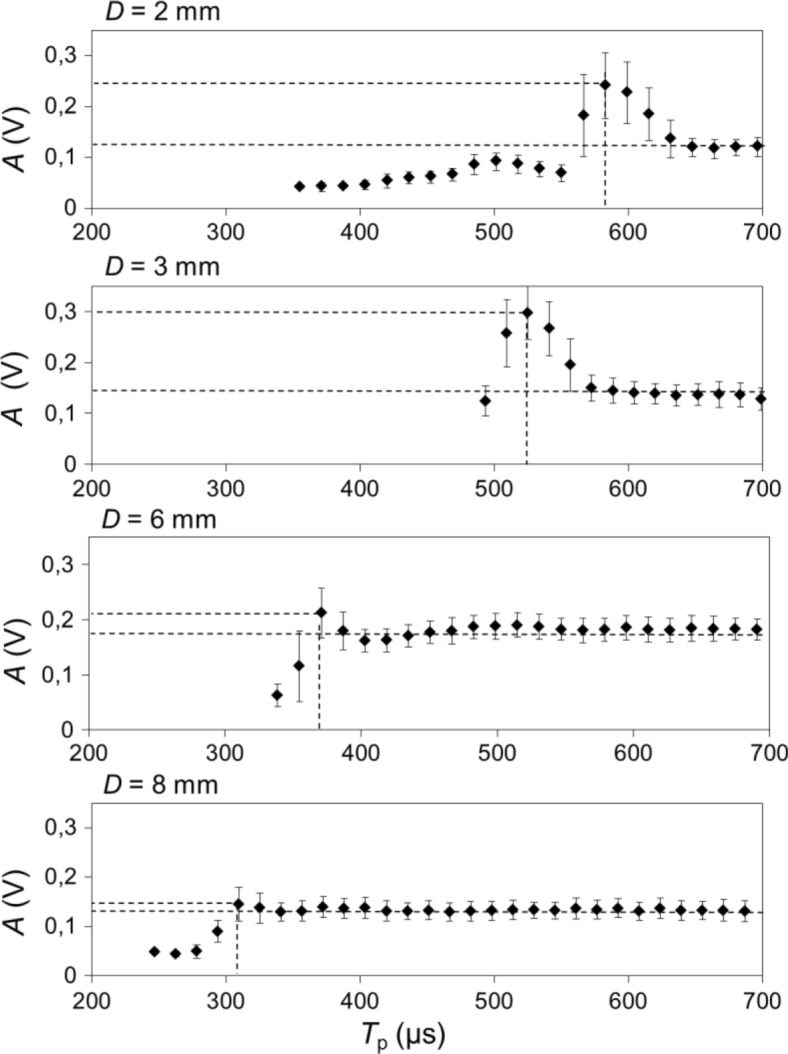
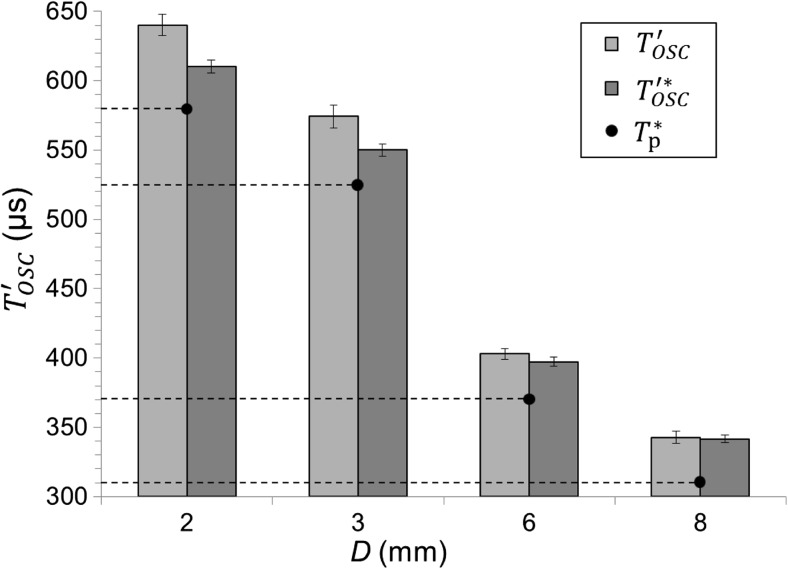
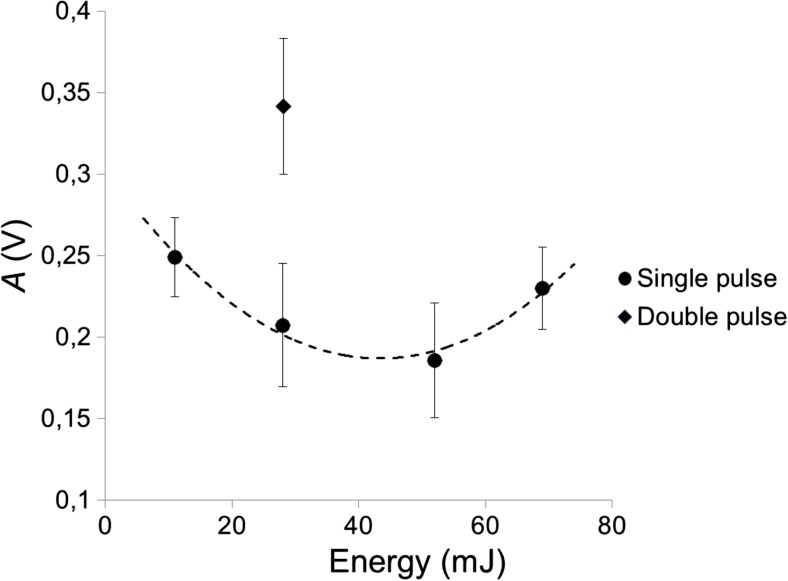
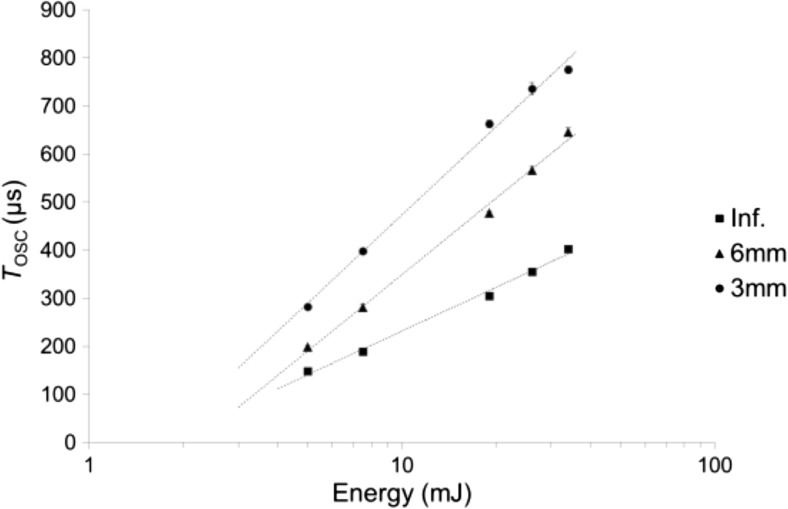
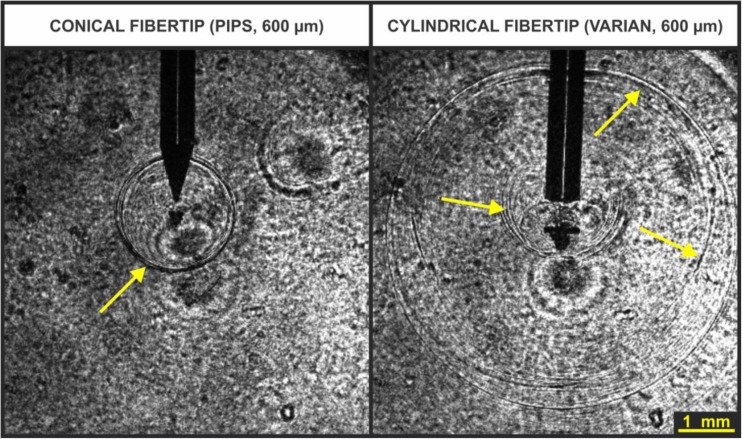
When attempting to clean surfaces of dental root canals with laser-induced cavitation bubbles, the resulting cavitation oscillations are significantly prolonged due to friction on the cavity walls and other factors. Consequently, the collapses are less intense and the shock waves that are usually emitted following a bubble's collapse are diminished or not present at all. A new technique of synchronized laser-pulse delivery intended to enhance the emission of shock waves from collapsed bubbles in fluid-filled endodontic canals is reported. A laser beam deflection probe, a high-speed camera, and shadow photography were used to characterize the induced photoacoustic phenomena during synchronized delivery of Er:YAG laser pulses in a confined volume of water. A shock wave enhancing technique was employed which consists of delivering a second laser pulse at a delay with regard to the first cavitation bubble-forming laser pulse. Influence of the delay between the first and second laser pulses on the generation of pressure and shock waves during the first bubble's collapse was measured for different laser pulse energies and cavity volumes. Results show that the optimal delay between the two laser pulses is strongly correlated with the cavitation bubble's oscillation period. Under optimal synchronization conditions, the growth of the second cavitation bubble was observed to accelerate the collapse of the first cavitation bubble, leading to a violent collapse, during which shock waves are emitted. Additionally, shock waves created by the accelerated collapse of the primary cavitation bubble and as well of the accompanying smaller secondary bubbles near the cavity walls were observed. The reported phenomena may have applications in improved laser cleaning of surfaces during laser-assisted dental root canal treatments.
在尝试用激光诱导的空化气泡清洁牙根管表面时,由于腔壁上的摩擦和其他因素,产生的空化振荡会显著延长。因此,气泡坍塌的强度较小,通常在气泡坍塌后发出的冲击波会减弱或根本不存在。本文报道了一种同步激光脉冲传输的新技术,旨在增强充满液体的牙髓管中坍塌气泡的冲击波发射。使用激光束偏转探头、高速摄像机和阴影摄影来表征在有限体积的水中同步传输铒钇铝石榴石(Er:YAG)激光脉冲期间诱导的光声现象。采用了一种冲击波增强技术,该技术包括在第一个形成空化气泡的激光脉冲之后延迟发送第二个激光脉冲。针对不同的激光脉冲能量和腔体积,测量了第一个和第二个激光脉冲之间的延迟对第一个气泡坍塌期间压力和冲击波产生的影响。结果表明,两个激光脉冲之间的最佳延迟与空化气泡的振荡周期密切相关。在最佳同步条件下,观察到第二个空化气泡的生长加速了第一个空化气泡的坍塌,导致剧烈坍塌,在此期间会发射冲击波。此外,还观察到由主要空化气泡以及腔壁附近伴随的较小次级气泡的加速坍塌产生的冲击波。所报道的现象可能在激光辅助牙根管治疗期间改善表面激光清洁方面有应用。