Sredni Simone Treiger, Bailey Anders W, Suri Amreena, Hashizume Rintaro, He Xingyao, Louis Nundia, Gokirmak Tufan, Piper David R, Watterson Daniel M, Tomita Tadanori
Ann and Robert H. Lurie Children's Hospital of Chicago, Division of Pediatric Neurosurgery, Chicago, IL 60611, USA.
Northwestern University, Feinberg School of Medicine, Department of Surgery, Chicago, IL 60611, USA.
Oncotarget. 2017 Nov 24;8(67):111190-111212. doi: 10.18632/oncotarget.22704. eCollection 2017 Dec 19.
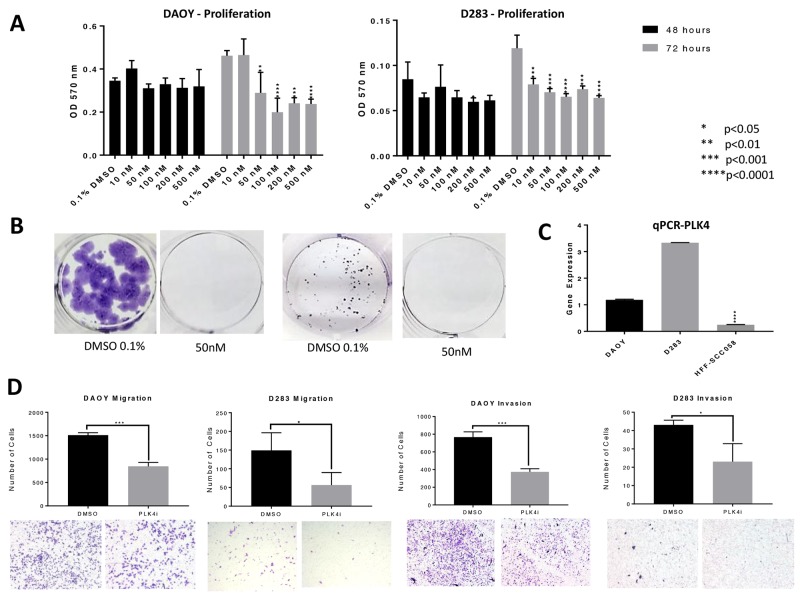
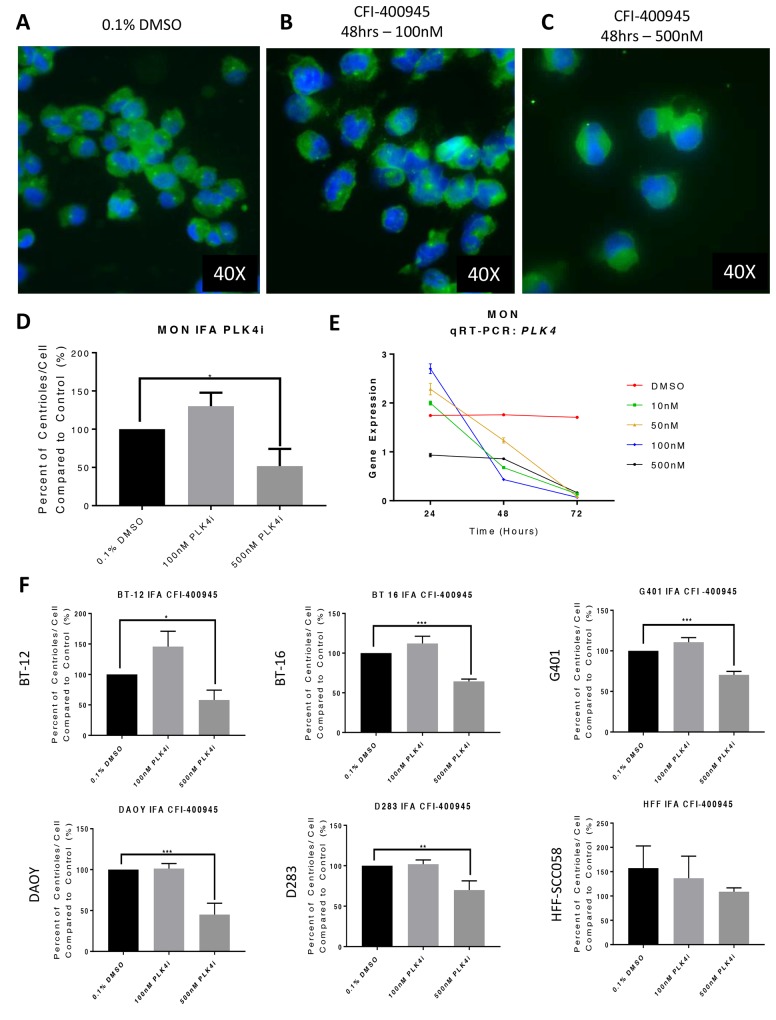
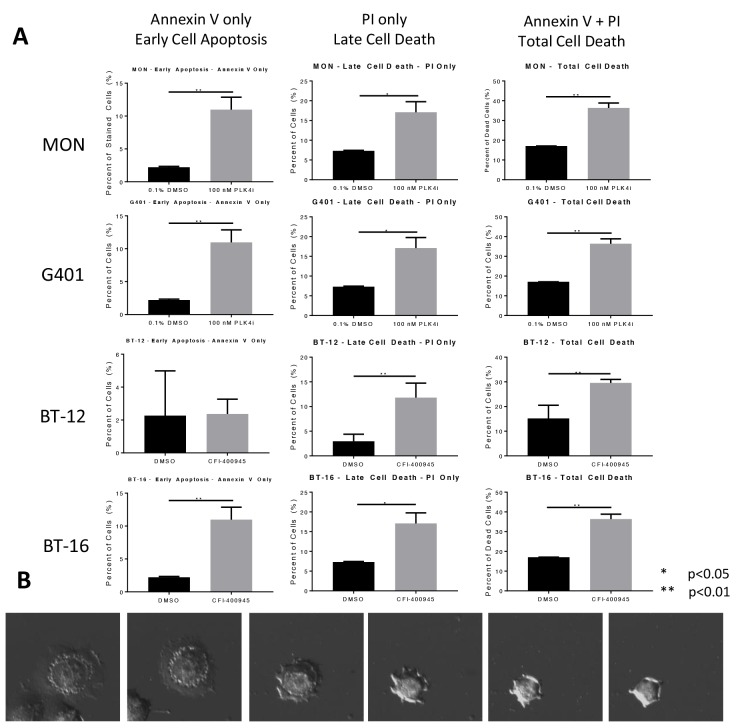
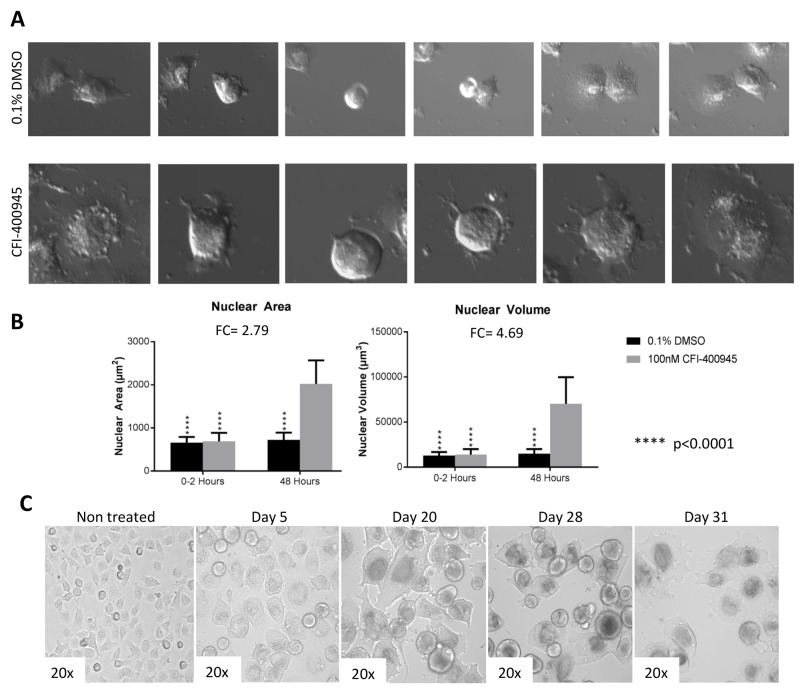
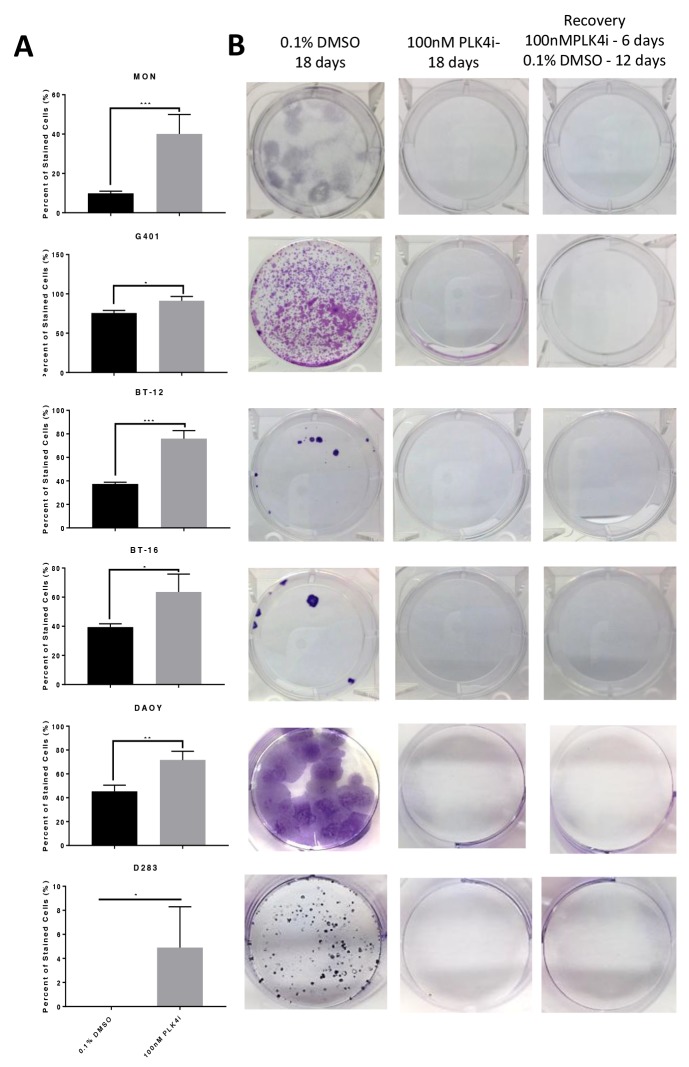
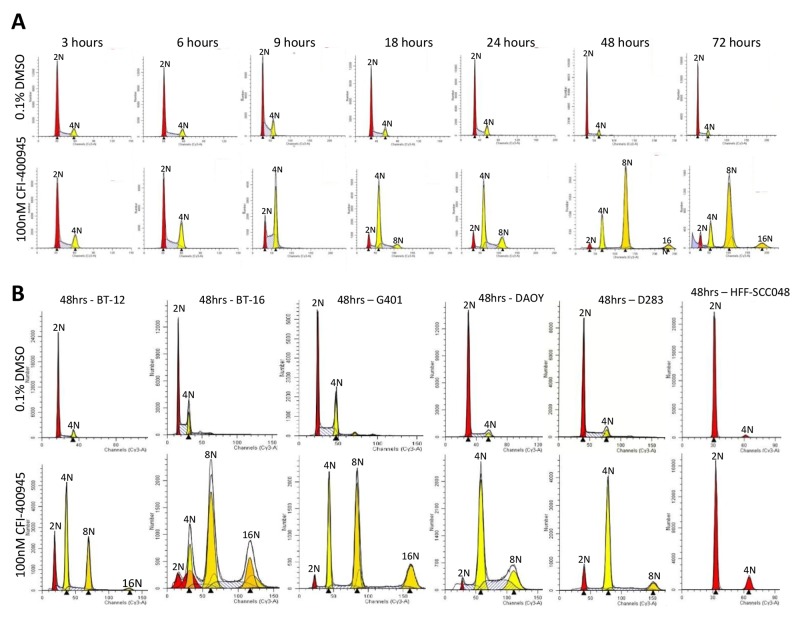
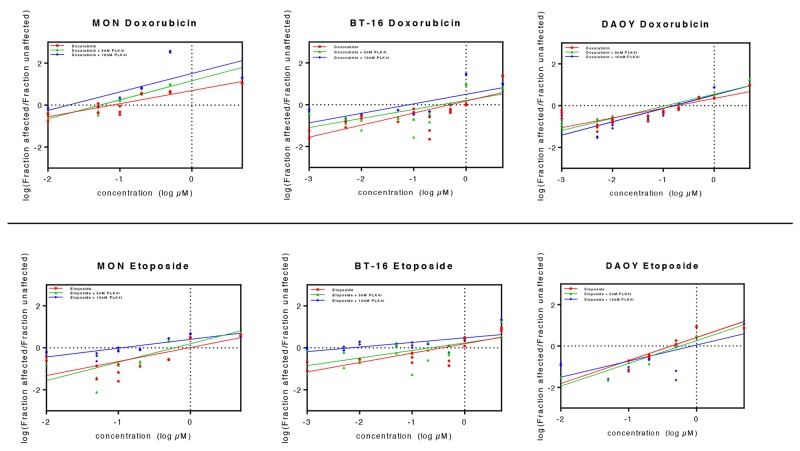
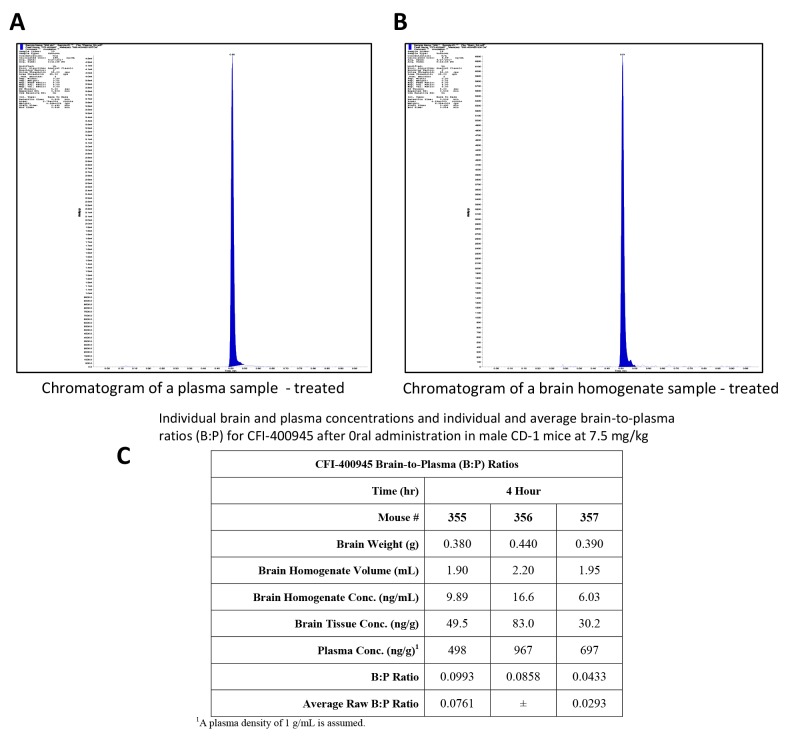
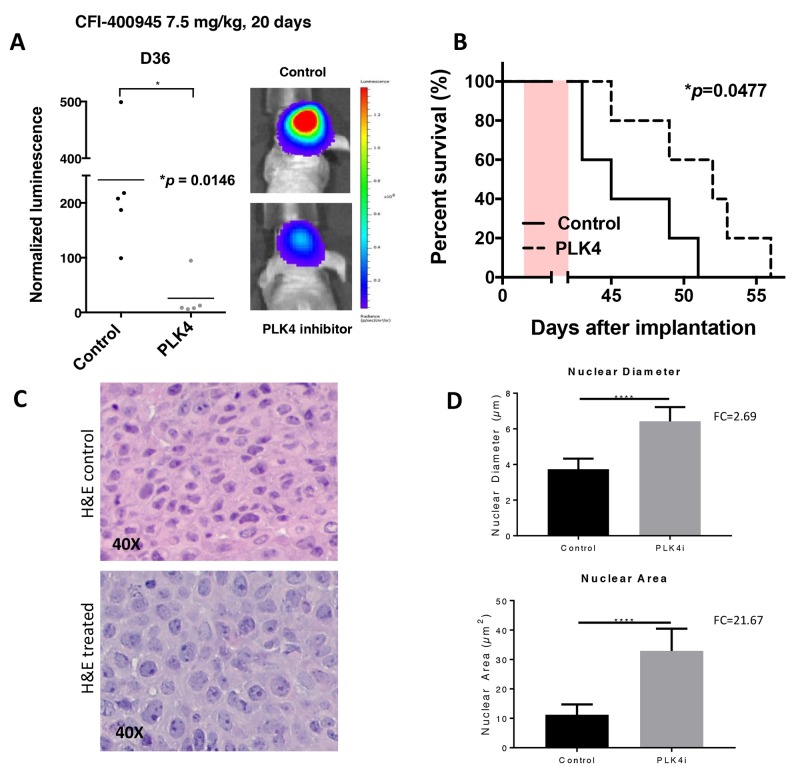
Rhabdoid tumors (RT) are highly aggressive and vastly unresponsive embryonal tumors. They are the most common malignant CNS tumors in infants below 6 months of age. Medulloblastomas (MB) are embryonal tumors that arise in the cerebellum and are the most frequent pediatric malignant brain tumors. Despite the advances in recent years, especially for the most favorable molecular subtypes of MB, the prognosis of patients with embryonal tumors remains modest with treatment related toxicity dreadfully high. Therefore, new targeted therapies are needed. The polo-like kinase 4 (PLK4) is a critical regulator of centriole duplication and consequently, mitotic progression. We previously established that PLK4 is overexpressed in RT and MB. We also demonstrated that inhibiting PLK4 with a small molecule inhibitor resulted in impairment of proliferation, survival, migration and invasion of RT cells. Here, we showed in MB the same effects that we previously described for RT. We also demonstrated that PLK4 inhibition induced apoptosis, senescence and polyploidy in RT and MB cells, thereby increasing the susceptibility of cancer cells to DNA-damaging agents. In order to test the hypothesis that PLK4 is a CNS druggable target, we demonstrated efficacy with oral administration to an orthotropic xenograft model. Based on these results, we postulate that targeting PLK4 with small-molecule inhibitors could be a novel strategy for the treatment of RT and MB and that PLK4 inhibitors (PLK4i) might be promising agents to be used solo or in combination with cytotoxic agents.
横纹肌样瘤(RT)是极具侵袭性且大多无反应的胚胎性肿瘤。它们是6个月以下婴儿中最常见的恶性中枢神经系统肿瘤。髓母细胞瘤(MB)是起源于小脑的胚胎性肿瘤,是最常见的小儿恶性脑肿瘤。尽管近年来取得了进展,尤其是对于MB最有利的分子亚型,但胚胎性肿瘤患者的预后仍然一般,且治疗相关毒性极高。因此,需要新的靶向治疗方法。polo样激酶4(PLK4)是中心粒复制以及有丝分裂进程的关键调节因子。我们之前证实PLK4在RT和MB中过表达。我们还证明,用小分子抑制剂抑制PLK4会导致RT细胞的增殖、存活、迁移和侵袭受损。在此,我们在MB中展示了我们之前在RT中描述过的相同效应。我们还证明,PLK4抑制可诱导RT和MB细胞凋亡、衰老和多倍体形成,从而增加癌细胞对DNA损伤剂的敏感性。为了验证PLK4是中枢神经系统可药物靶向的假设,我们在原位异种移植模型中口服给药证明了其疗效。基于这些结果,我们推测用小分子抑制剂靶向PLK4可能是治疗RT和MB的一种新策略,并且PLK4抑制剂(PLK4i)可能是单独使用或与细胞毒性药物联合使用的有前景的药物。