Departments of Microbiology and Immunology, University of Texas Medical Branch, Galveston, TX, United States.
Pathology, University of Texas Medical Branch, Galveston, TX, United States.
Front Cell Infect Microbiol. 2018 Jan 11;7:534. doi: 10.3389/fcimb.2017.00534. eCollection 2017.
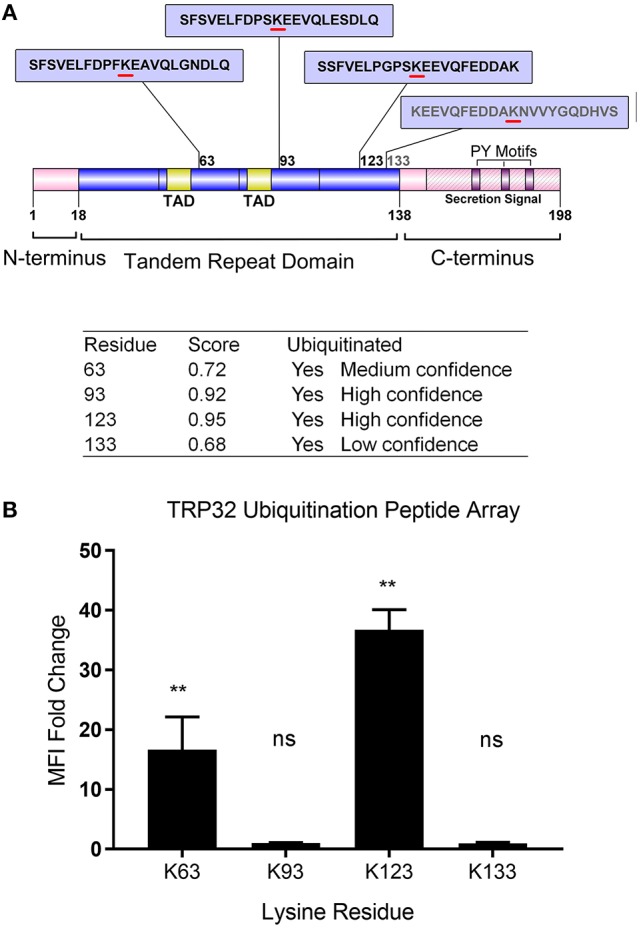
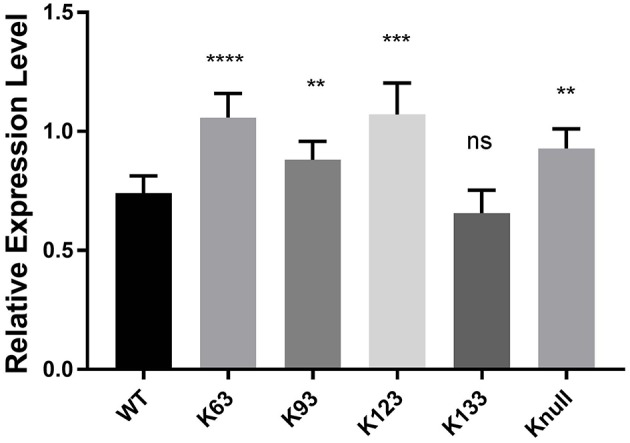
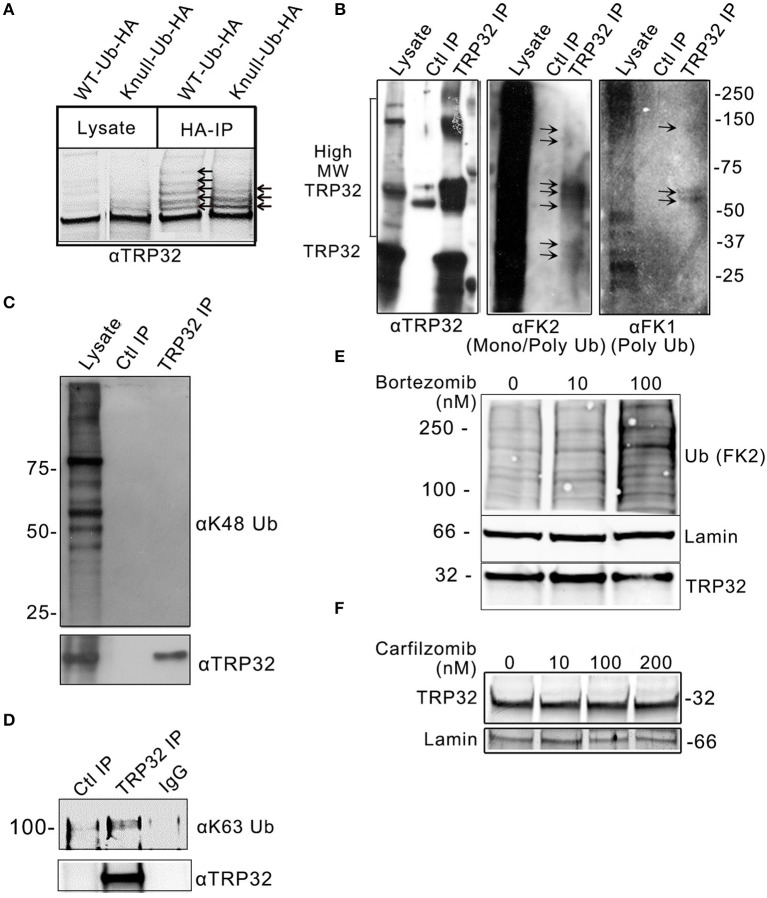
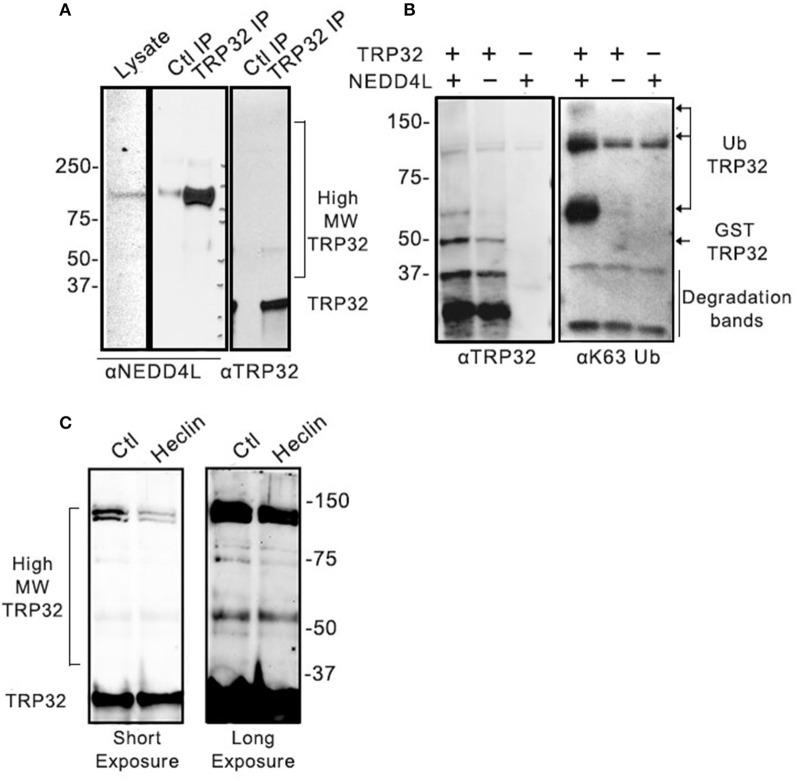
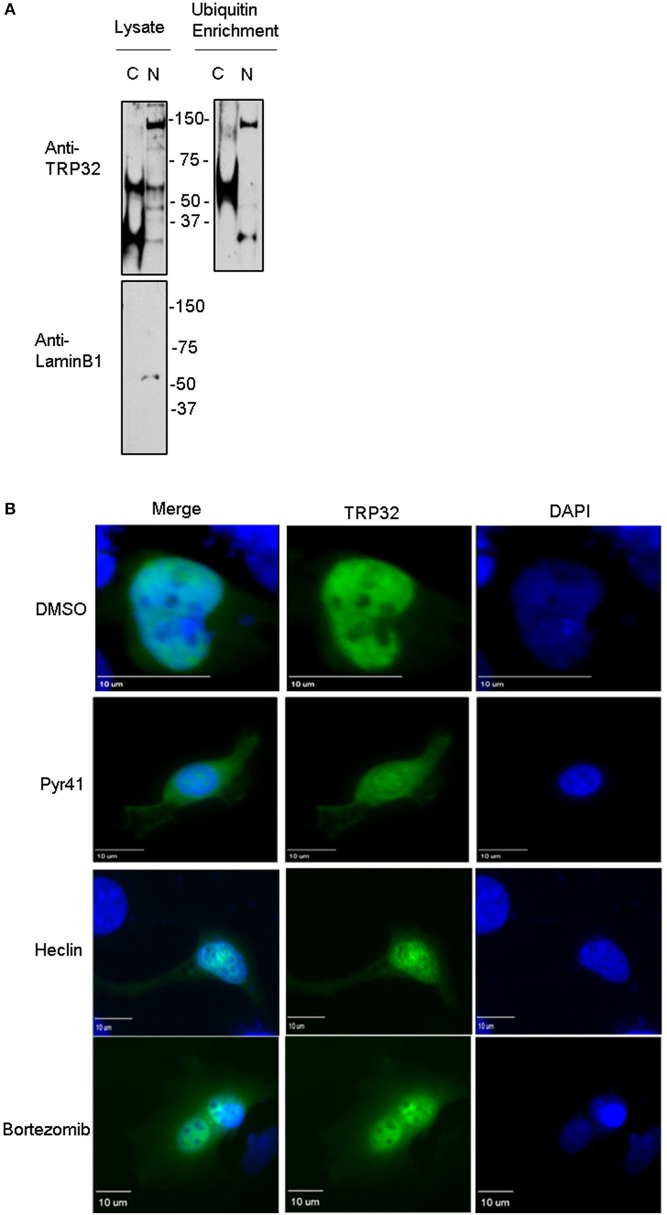
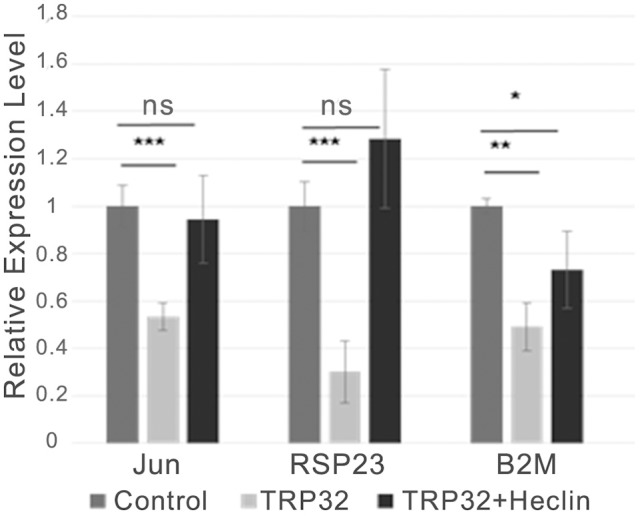
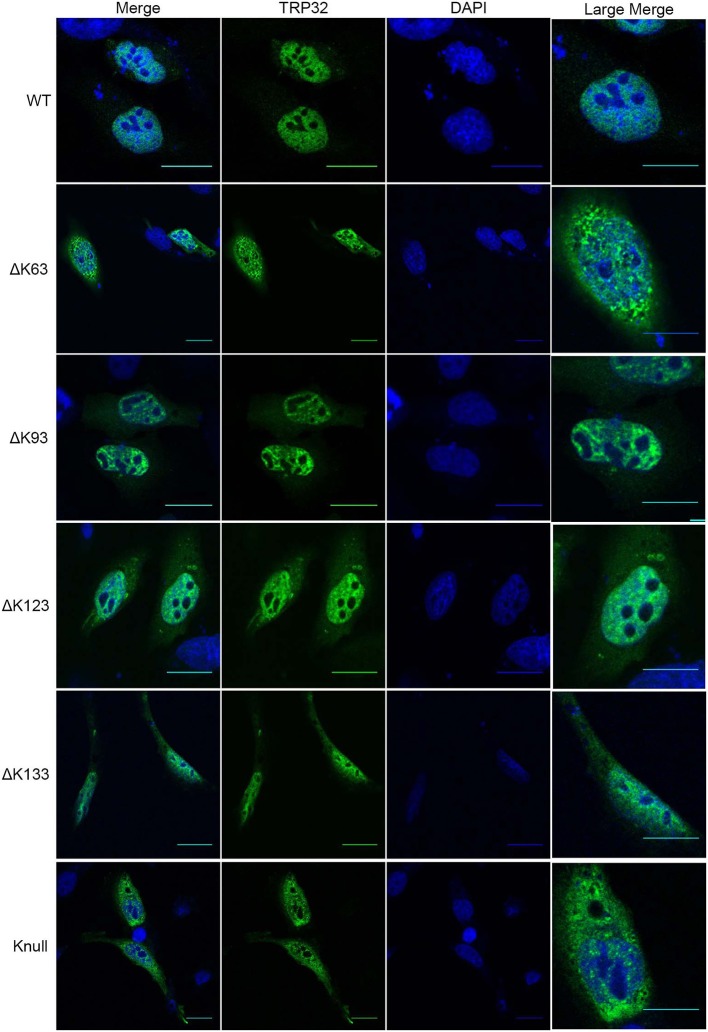
is an obligately intracellular bacterium that reprograms the mononuclear phagocyte through diverse effector-host interactions to modulate various host cell processes. In a previous study, we reported that the nucleomodulin TRP32 regulates transcription of host genes in several biologically relevant categories, including cell differentiation and proliferation. In this study, we investigate the effect of ubiquitination on TRP32 function and localization within the host cell. TRP32 is both mono- and polyubiquitinated on multiple lysine residues during infection and when ectopically expressed. Despite lacking a canonical PPxY motif, TRP32 interacted with, and was modified by the human HECT E3 ubiquitin (Ub) ligase NEDD4L. TRP32 ubiquitination was not by K48-linked polyUb chains, nor was it degraded by the proteasome; however, TRP32 was modified by K63-linked polyUb chains detected both in the cytosol and nucleus. HECT ligase inhibitor, heclin, altered the subnuclear localization of ectopically expressed TRP32 from a diffuse nuclear pattern to a lacy, punctate pattern with TRP32 distributed around the periphery of the nucleus and nucleoli. When a TRP32 lysine null (K-null) mutant was ectopically expressed, it exhibited a similar phenotype as single lysine mutants (K63R, K93R, and K123R). However, the K-null mutant showed increased amounts of cytoplasmic TRP32 compared to single lysine mutants or heclin-treated cells ectopically expressing TRP32. These alterations in localization corresponded to changes in TRP32 transcriptional repressor function with heclin-treated and single lysine mutants unable to repress transcription of a TRP32 target genes in a luciferase assay.
是一种严格的细胞内细菌,通过多种效应物-宿主相互作用重新编程单核吞噬细胞,调节宿主细胞的各种过程。在之前的研究中,我们报道了核调蛋白 TRP32 调节宿主基因的转录,涉及多个生物学相关类别,包括细胞分化和增殖。在这项研究中,我们研究了泛素化对 TRP32 功能和在宿主细胞内定位的影响。在感染过程中和异位表达时,TRP32 在多个赖氨酸残基上发生单泛素化和多泛素化。尽管缺乏典型的 PPxY 基序,但 TRP32 与人类 HECT E3 泛素(Ub)连接酶 NEDD4L 相互作用并被其修饰。TRP32 的泛素化不是通过 K48 连接的多 Ub 链,也不会被蛋白酶体降解;然而,TRP32 被细胞质和细胞核中检测到的 K63 连接的多 Ub 链修饰。HECT 连接酶抑制剂 heclin 改变了异位表达的 TRP32 的亚核定位,从弥散的核模式转变为花边状、点状模式,TRP32 分布在核的外围和核仁周围。当异位表达 TRP32 的赖氨酸缺失(K-null)突变体时,它表现出与单个赖氨酸突变体(K63R、K93R 和 K123R)相似的表型。然而,与单个赖氨酸突变体或用 heclin 处理的细胞相比,K-null 突变体中细胞质内的 TRP32 含量增加。这些定位的改变与 TRP32 转录抑制子功能的变化相对应,用 heclin 处理和单个赖氨酸突变体不能在荧光素酶测定中抑制 TRP32 靶基因的转录。