Ortega-Paz Luis, Brugaletta Salvatore, Sabaté Manel
Department of Cardiology, Cardiovascular Institute, Hospital Clinic, Biomedical Investigation Institute, IDIBAPS, 08036 Barcelona, Spain.
J Clin Med. 2018 Feb 6;7(2):27. doi: 10.3390/jcm7020027.
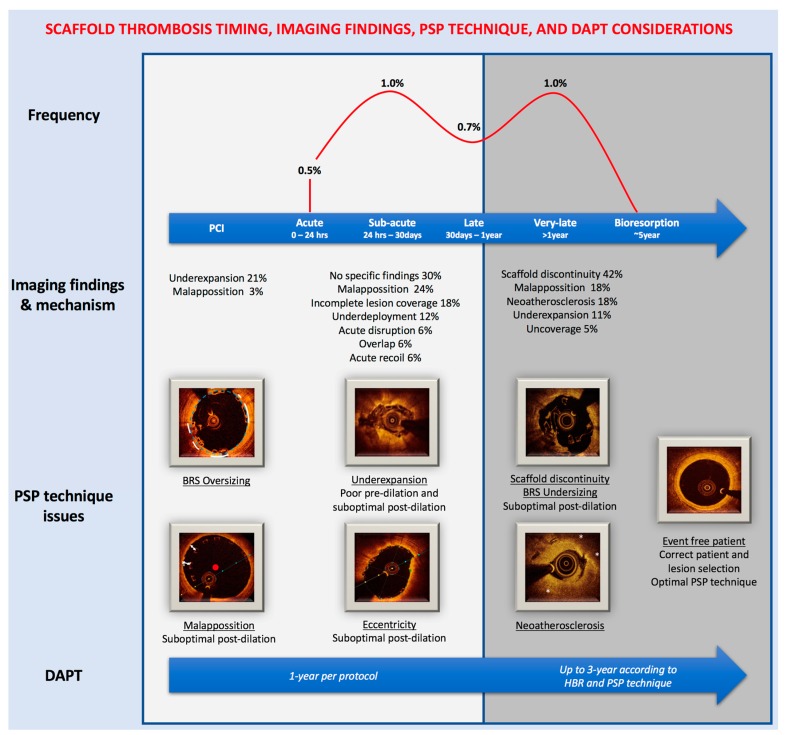
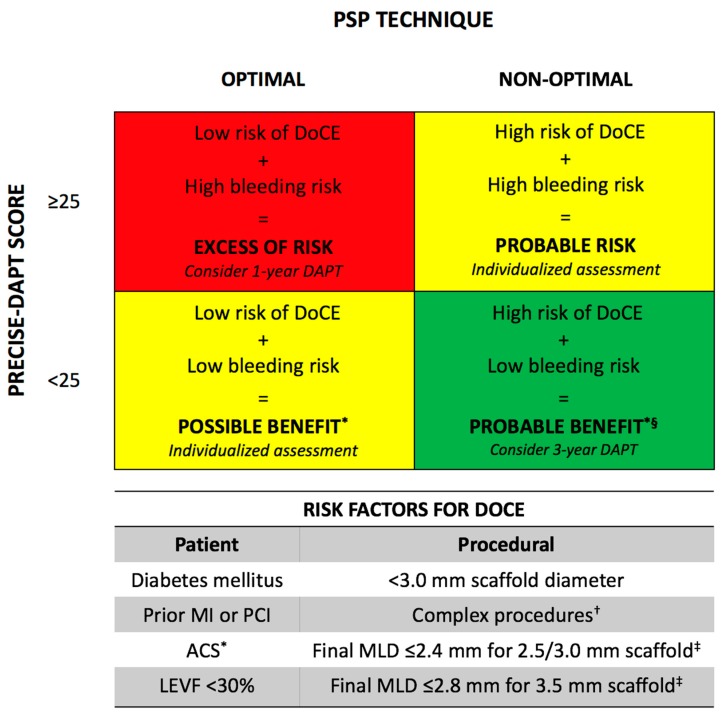
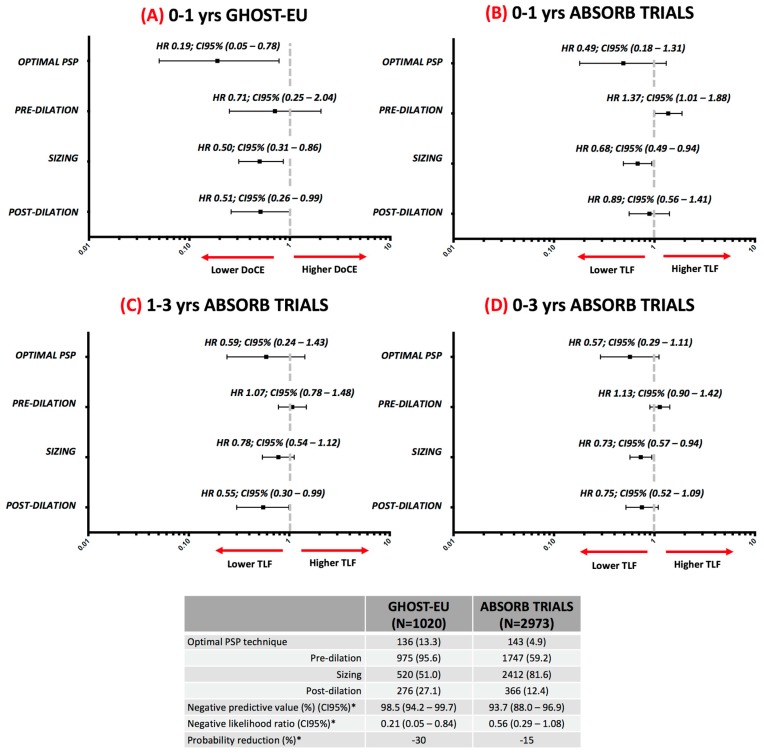
Bioresorbable scaffolds (BRS) were introduced in clinical practice to overcome the long-term limitations of newer-generation drug-eluting stents. Despite some initial promising results of the Absorb BRS, safety concerns have led to the discontinuation of the commercialization of this device. Several retrospective studies have assessed the impact of the so-called Pre-dilation, Sizing and Post-dilation (PSP) technique concluding that an optimal PSP technique can improve clinical outcomes following BRS implantation. In this article, the definition of the PSP technique, and the current evidence of its impact on clinical outcomes are put in perspective. Additionality, the relationship between the PSP technique and the dual-antiplatelet therapy to prevent scaffold thrombosis is addressed. Finally, the future perspectives of BRS technology in clinical practice are commented.
生物可吸收支架(BRS)被引入临床实践,以克服新一代药物洗脱支架的长期局限性。尽管Absorb BRS最初取得了一些令人鼓舞的结果,但安全问题导致该设备停止商业化。几项回顾性研究评估了所谓的预扩张、尺寸测量和后扩张(PSP)技术的影响,得出结论认为,最佳的PSP技术可以改善BRS植入后的临床结果。在本文中,PSP技术的定义及其对临床结果影响的当前证据得到了审视。此外,还讨论了PSP技术与预防支架血栓形成的双联抗血小板治疗之间的关系。最后,对BRS技术在临床实践中的未来前景进行了评论。