Department of Medicine, Division of Rheumatology, Northwestern University Feinberg School of Medicine, Chicago, IL, 60611, USA.
Arthritis Res Ther. 2018 Feb 12;20(1):29. doi: 10.1186/s13075-017-1504-9.
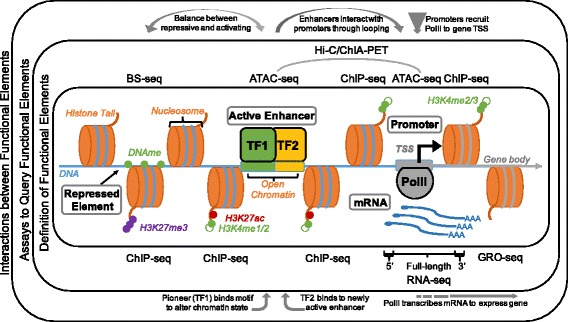
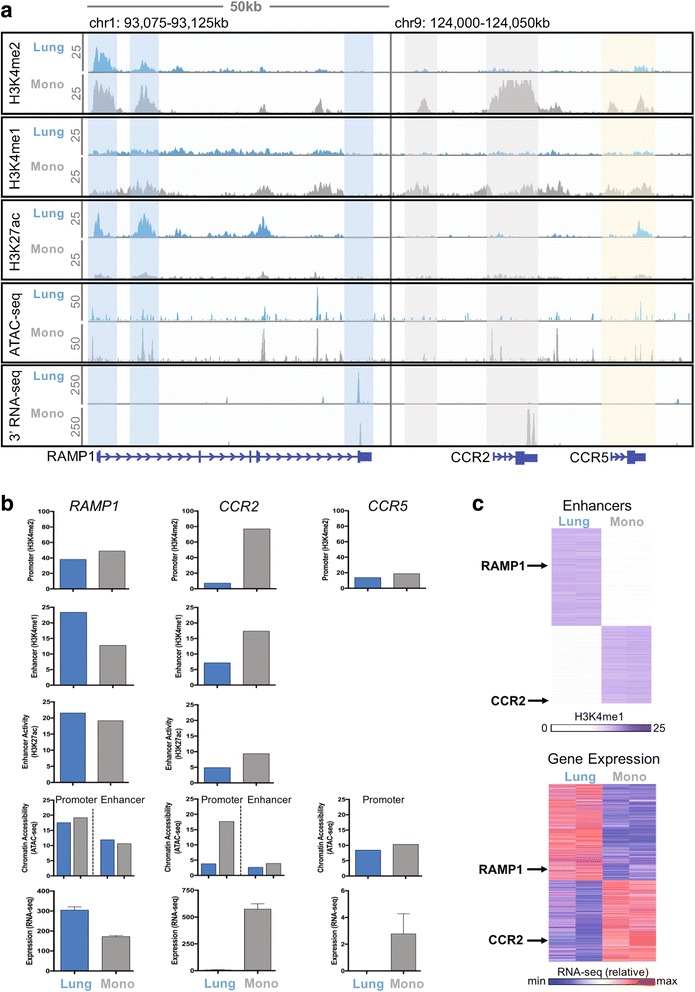
High-throughput sequencing assays have become an increasingly common part of biological research across multiple fields. Even as the resulting sequences pile up in public databases, it is not always obvious how to make use of these data sets. Functional genomics offers approaches to integrate these "big" data into our understanding of rheumatic diseases. This review aims to provide a primer on thinking about big data from functional genomics in the context of rheumatology, using examples from the field's literature as well as the author's own work to illustrate the execution of functional genomics research. Study design is crucial to ensure the right samples are used to address the question of interest. In addition, sequencing assays produce a variety of data types, from gene expression to 3D chromatin structure and single-cell technologies, that can be integrated into a model of the underlying gene regulatory networks. The best approach for this analysis uses the scientific process: bioinformatic methods should be used in an iterative, hypothesis-driven manner to uncover the disease mechanism. Finally, the future of functional genomics will see big data fully integrated into rheumatology, leading to computationally trained researchers and interactive databases. The goal of this review is not to provide a manual, but to enhance the familiarity of readers with functional genomic approaches and provide a better sense of the challenges and possibilities.
高通量测序技术已成为多个领域生物学研究中越来越常见的一部分。即使这些产生的序列堆积在公共数据库中,也并不总是清楚如何利用这些数据集。功能基因组学为将这些“大数据”整合到我们对风湿性疾病的理解中提供了方法。本篇综述旨在提供一个关于从功能基因组学角度思考大数据的入门知识,使用该领域文献中的示例以及作者自己的工作来说明功能基因组学研究的执行。研究设计对于确保使用正确的样本来解决感兴趣的问题至关重要。此外,测序分析会产生各种数据类型,从基因表达到 3D 染色质结构和单细胞技术,这些数据可以整合到潜在基因调控网络的模型中。这种分析的最佳方法是使用科学过程:以迭代的、假设驱动的方式使用生物信息学方法来揭示疾病机制。最后,功能基因组学的未来将看到大数据全面融入风湿病学,从而培养出具有计算能力的研究人员和交互式数据库。本篇综述的目的不是提供一本手册,而是增强读者对功能基因组学方法的熟悉程度,并更好地了解挑战和可能性。