College of Veterinary Medicine, Gyeongsang National University, Jinju, 660-701, Republic of Korea.
Institute of Animal Medicine, Gyeongsang National University, Jinju, 660-701, Republic of Korea.
Sci Rep. 2018 Feb 12;8(1):2808. doi: 10.1038/s41598-018-20724-3.
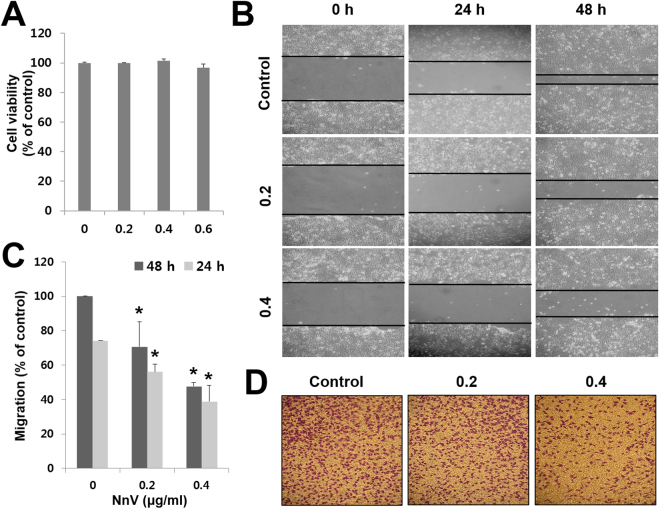
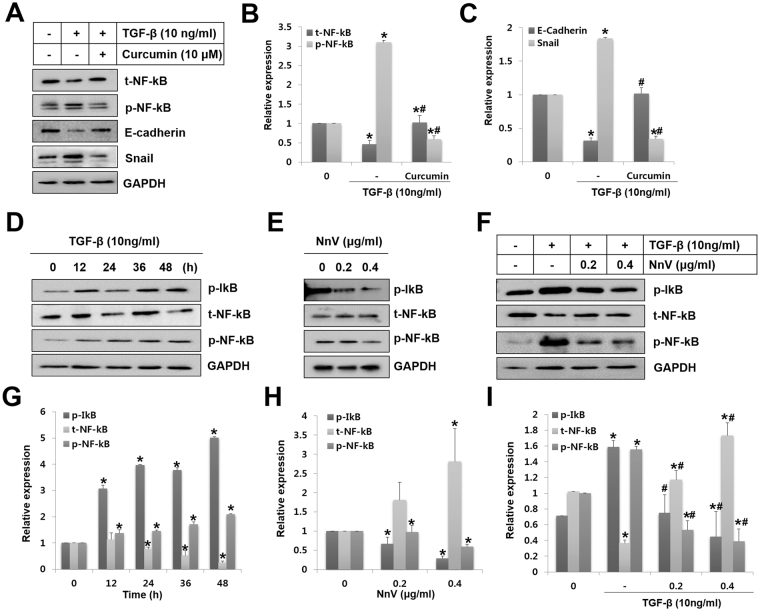
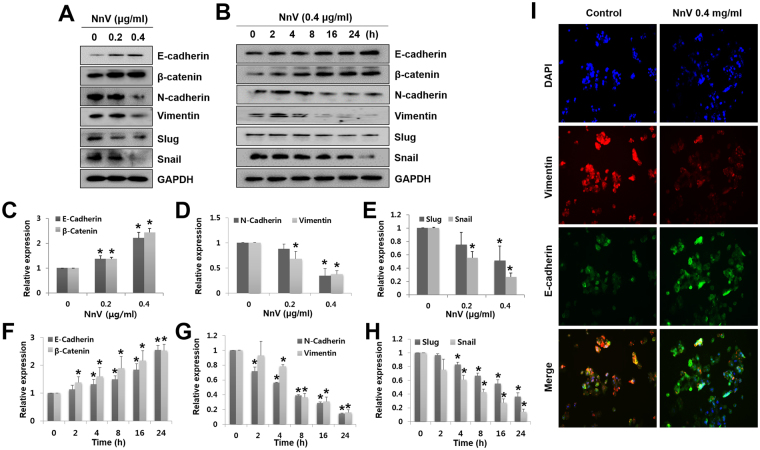
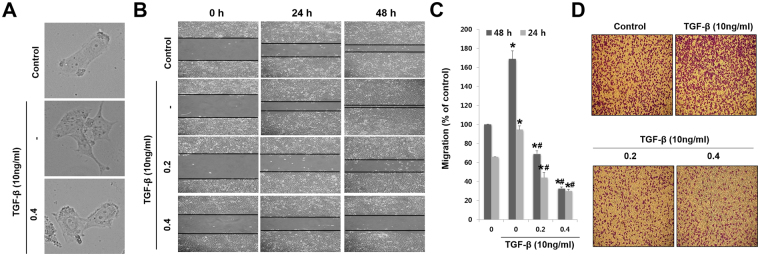
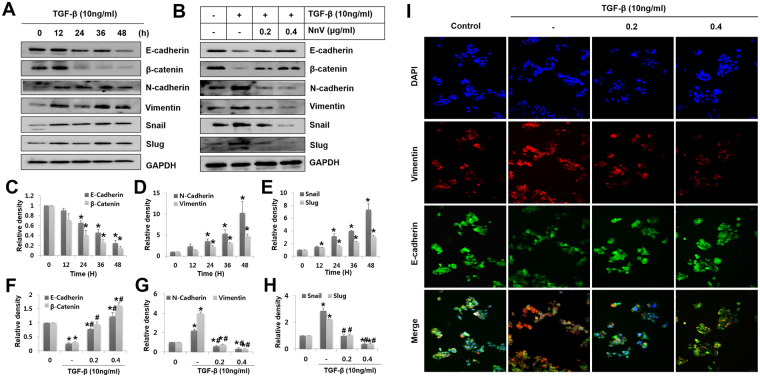
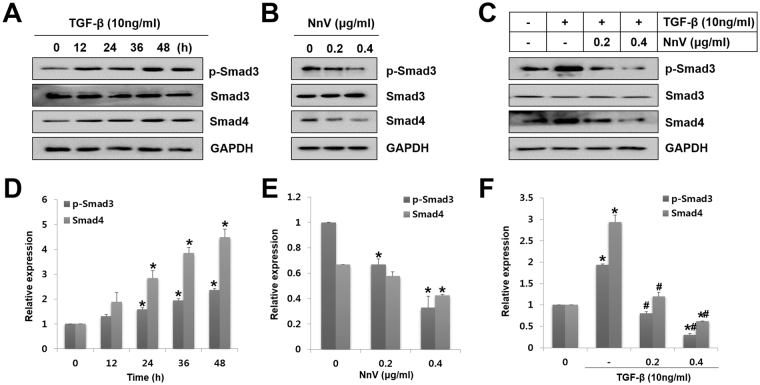
Epithelial-mesenchymal transition (EMT) is a key initial step in metastasis for malignant cancer cells to obtain invasive and motile properties. Inhibiting EMT has become a new strategy for cancer therapy. In our previous in vivo study, Nemopilema nomurai jellyfish venom (NnV) -treated HepG2 xenograft mice group showed that E-cadherin expression was strongly detected compared with non-treated groups. Therefore, this study aimed to determine whether NnV could inhibit the invasive and migratory abilities of HepG2 human hepatocellular carcinoma cells and to examine its effect on EMT. Our results revealed that transforming growth factor (TGF)-β1 induced cell morphological changes and downregulated E-cadherin and β-catenin expression, but upregulated N-cadherin and vimentin expression through the Smad and NF-κB pathways in HepG2 cells. Treatment of TGF-β1-stimulated HepG2 cells with NnV reversed the EMT-related marker expression, thereby inhibiting cell migration and invasion. NnV also significantly suppressed the activation of p-Smad3, Smad4, and p-NF-κB in a dose-dependent manner. These data indicated that NnV can significantly suppress cell migration and invasion by inhibiting EMT in HepG2 cells, and therefore might be a promising target for hepatocellular carcinoma therapeutics.
上皮间质转化(EMT)是恶性癌细胞获得侵袭和运动能力从而发生转移的关键初始步骤。抑制 EMT 已成为癌症治疗的新策略。在我们之前的体内研究中,Nemopilema nomurai 海蜇毒液(NnV)处理的 HepG2 异种移植小鼠组显示与未处理组相比,E-钙黏蛋白表达被强烈检测到。因此,本研究旨在确定 NnV 是否可以抑制 HepG2 人肝癌细胞的侵袭和迁移能力,并研究其对 EMT 的影响。我们的结果表明,转化生长因子(TGF)-β1 通过 Smad 和 NF-κB 通路诱导细胞形态变化,下调 E-钙黏蛋白和β-连环蛋白表达,而上调 N-钙黏蛋白和波形蛋白表达。用 NnV 处理 TGF-β1 刺激的 HepG2 细胞可逆转 EMT 相关标志物的表达,从而抑制细胞迁移和侵袭。NnV 还可显著抑制 TGF-β1 刺激的 HepG2 细胞中 p-Smad3、Smad4 和 p-NF-κB 的激活,呈剂量依赖性。这些数据表明,NnV 可通过抑制 HepG2 细胞中的 EMT 显著抑制细胞迁移和侵袭,因此可能成为肝细胞癌治疗的有前途的靶点。