Ghiabi Maziyar
Department of Politics and International Relations, University of Oxford, Oxford, UK.
Third World Q. 2018;39(2):277-297. doi: 10.1080/01436597.2017.1350818. Epub 2017 Aug 9.
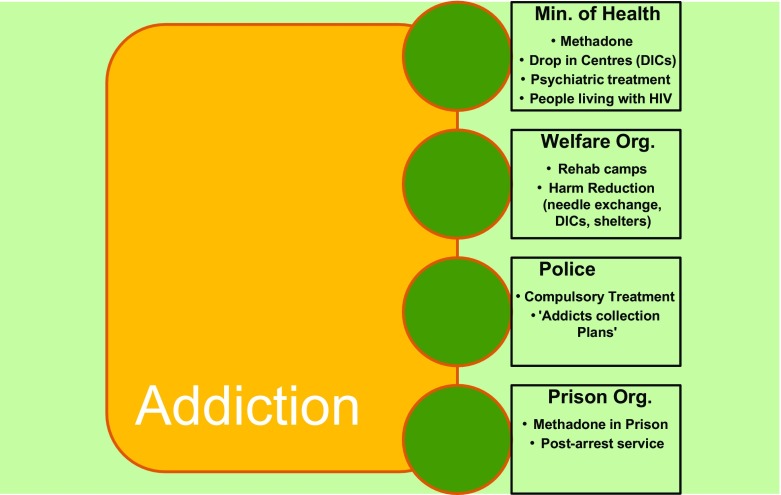
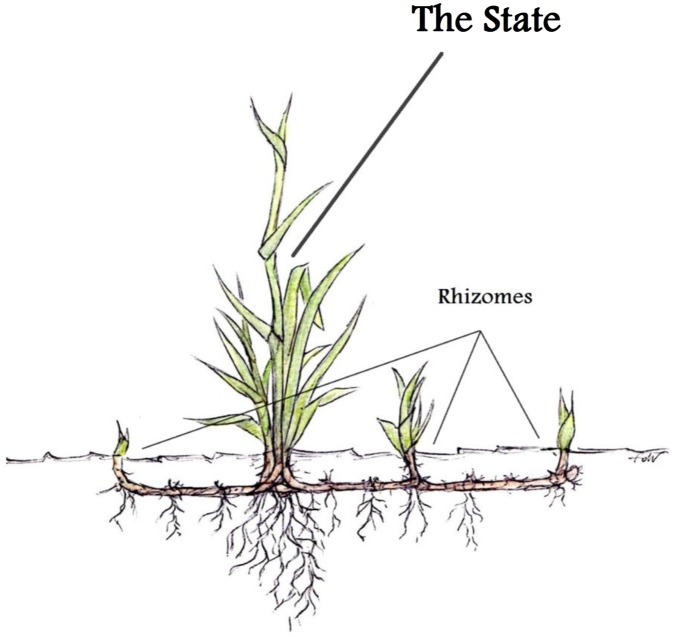
This article analyses the ways in which the state 'treats' addiction among precarious drug (ab)users in Iran. While most Muslim-majority as well as some Western states have been reluctant to adopt harm reduction measures, the Islamic Republic of Iran has done so on a nationwide scale and through a sophisticated system of welfare intervention. Additionally, it has introduced devices of management of 'addiction' (the 'camps') that defy statist modes of punishment and private violence. What legal and ethical framework has this new situation engendered? And what does this new situation tell us about the governmentality of the state? Through a combination of historical analysis and ethnographic fieldwork, the article analyses the paradigm of government of the Iranian state with regard to disorder as embodied by the lives of poor drug (ab)users.
本文分析了伊朗政府“对待”不稳定吸毒者成瘾问题的方式。虽然大多数穆斯林占多数的国家以及一些西方国家一直不愿采取减少伤害措施,但伊朗伊斯兰共和国已在全国范围内并通过一套复杂的福利干预体系这样做了。此外,它还引入了“成瘾”管理手段(“营地”),这些手段有悖于国家惩罚模式和私人暴力。这种新情况产生了怎样的法律和伦理框架?这种新情况又能让我们了解到国家治理的哪些方面?通过历史分析和人种志田野调查相结合的方式,本文分析了伊朗政府针对以贫困吸毒者生活为体现的无序状态的治理范式。