Ediriweera Meran Keshawa, Tennekoon Kamani Hemamala, Samarakoon Sameera Ranganath
Institute of Biochemistry, Molecular Biology and Biotechnology, University of Colombo, 90 Cumaratunga Munidasa Mawatha, Colombo 03, Sri Lanka.
Evid Based Complement Alternat Med. 2017;2017:6949835. doi: 10.1155/2017/6949835. Epub 2017 Dec 31.
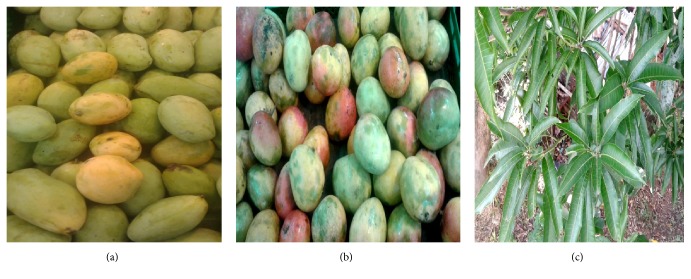
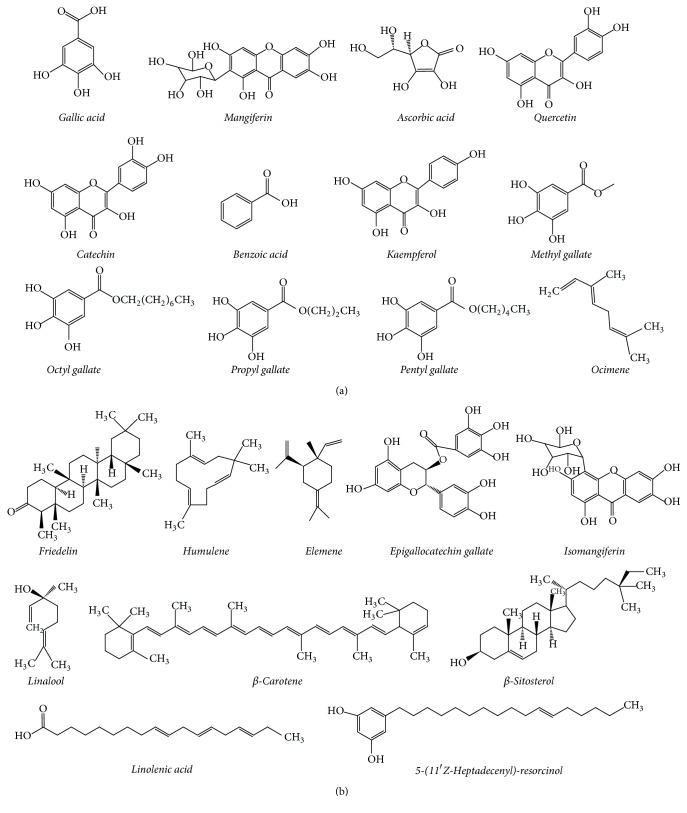
(family Anacardiaceae), commonly known as mango, is a pharmacologically, ethnomedically, and phytochemically diverse plant. Various parts of tree have been used in traditional medicine for the treatment of different ailments, and a number of bioactive phytochemical constituents of have been reported, namely, polyphenols, terpenes, sterols, carotenoids, vitamins, and amino acids, and so forth. Several studies have proven the pharmacological potential of different parts of mango trees such as leaves, bark, fruit peel and flesh, roots, and flowers as anticancer, anti-inflammatory, antidiabetic, antioxidant, antibacterial, antifungal, anthelmintic, gastroprotective, hepatoprotective, immunomodulatory, antiplasmodial, and antihyperlipemic. In the present review, a comprehensive study on ethnopharmacological applications, pharmacological activities, and bioactive compounds of has been described.
(漆树科),通常被称为芒果,是一种在药理学、民族医学和植物化学方面具有多样性的植物。芒果树的各个部位在传统医学中被用于治疗不同的疾病,并且已经报道了芒果的许多具有生物活性的植物化学成分,即多酚、萜类、甾醇、类胡萝卜素、维生素和氨基酸等等。多项研究已经证实芒果树不同部位(如树叶、树皮、果皮和果肉、树根和花朵)具有抗癌、抗炎、抗糖尿病、抗氧化、抗菌、抗真菌、驱虫、胃保护、肝保护、免疫调节、抗疟和抗高血脂等药理潜力。在本综述中,已经描述了对芒果的民族药理学应用、药理活性和生物活性化合物的全面研究。