Institute of Biodiversity, Animal Health & Comparative Medicine, University of Glasgow, Glasgow, United Kingdom.
Glasgow Polyomics, Glasgow, United Kingdom.
Front Immunol. 2018 Feb 5;9:56. doi: 10.3389/fimmu.2018.00056. eCollection 2018.
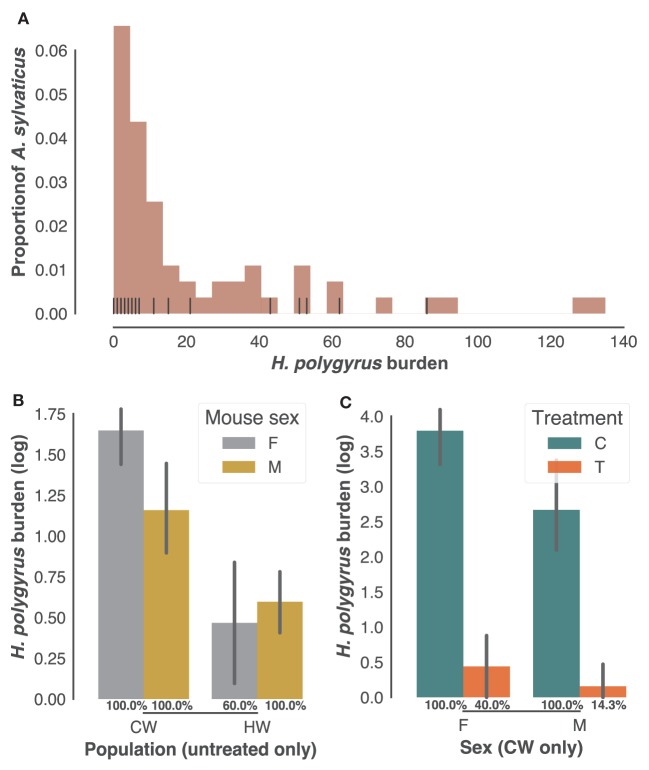
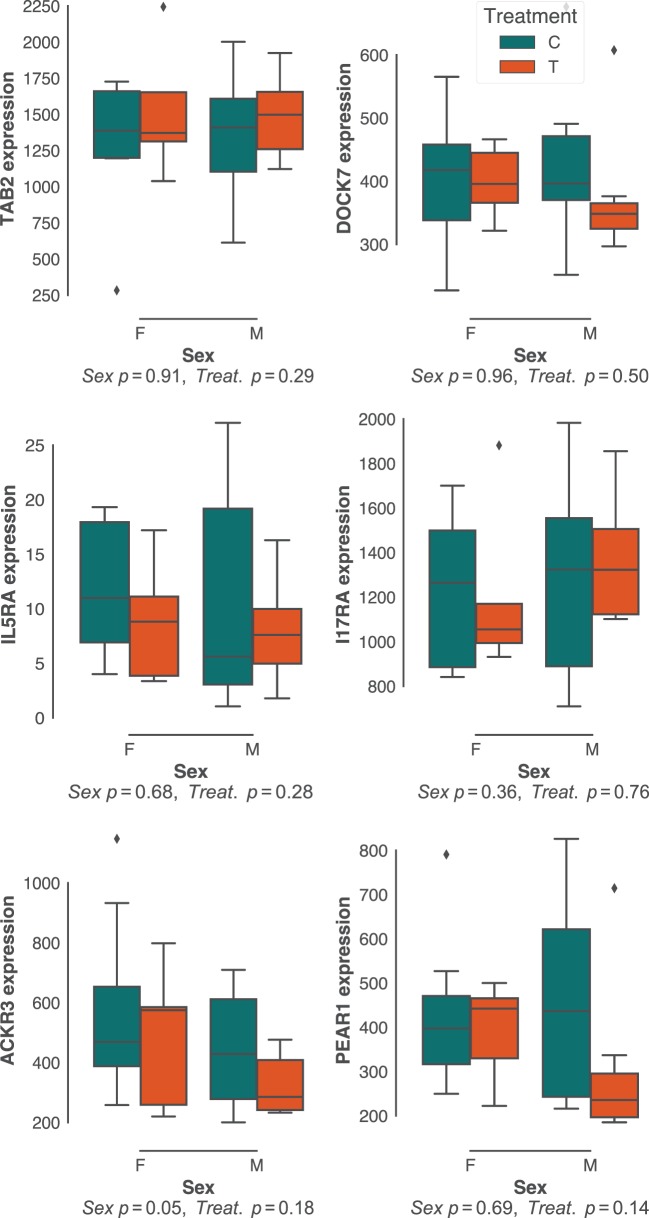
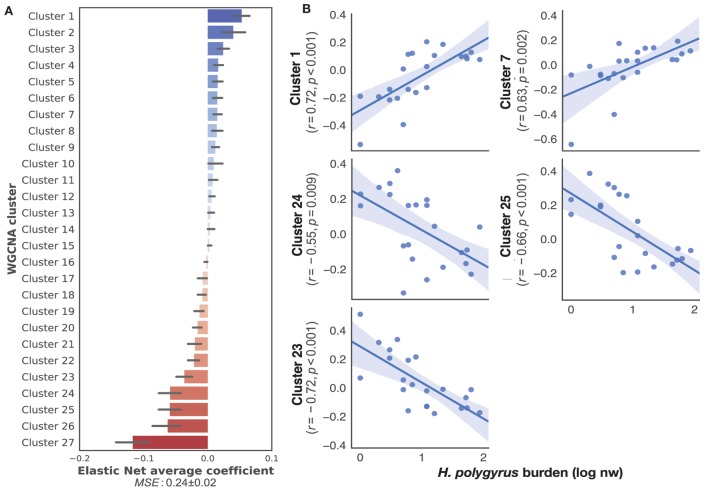
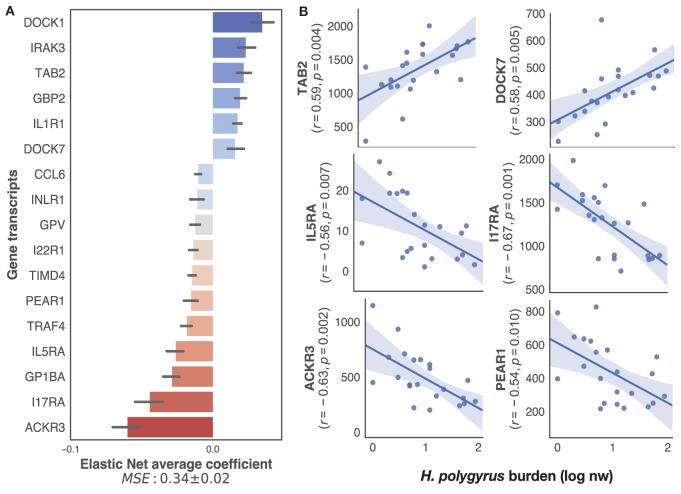
Parasitic helminths are extremely resilient in their ability to maintain chronic infection burdens despite (or maybe because of) their hosts' immune response. Explaining how parasites maintain these lifelong infections, identifying the protective immune mechanisms that regulate helminth infection burdens, and designing prophylactics and therapeutics that combat helminth infection, while preserving host health requires a far better understanding of how the immune system functions in natural habitats than we have at present. It is, therefore, necessary to complement mechanistic laboratory-based studies with studies on wild populations and their natural parasite communities. Unfortunately, the relative paucity of immunological tools for non-model species has held these types of studies back. Thankfully, recent progress in high-throughput 'omics platforms provide powerful and increasingly practical means for immunologists to move beyond traditional lab-based model organisms. Yet, assigning both metabolic and immune function to genes, transcripts, and proteins in novel species and assessing how they interact with other physiological and environmental factors requires identifying quantitative relationships between their expression and infection. Here, we used supervised machine learning to identify gene networks robustly associated with burdens of the gastrointestinal nematode in its natural host, the wild wood mice . Across 34 mice spanning two wild populations and across two different seasons, we found 17,639 transcripts that clustered in 131 weighted gene networks. These clusters robustly predicted burden and included well-known effector and regulatory immune genes, but also revealed a number of genes associated with the maintenance of tissue homeostasis and hematopoiesis that have so far received little attention. We then tested the effect of experimentally reducing helminth burdens through drug treatment on those putatively protective immune factors. Despite the near elimination of worms, the treatment had surprisingly little effect on gene expression. Taken together, these results suggest that hosts balance tissue homeostasis and protective immunity, resulting in relatively stable immune and, consequently, parasitological profiles. In the future, applying our approach to larger numbers of samples from additional populations will help further increase our ability to detect the immune pathways that determine chronic gastrointestinal helminth burdens in the wild.
寄生虫在维持慢性感染负担方面具有极强的适应能力,尽管(或者可能是因为)它们的宿主存在免疫反应。解释寄生虫如何维持这些终身感染,确定调节寄生虫感染负担的保护性免疫机制,以及设计既能对抗寄生虫感染又能保护宿主健康的预防和治疗方法,都需要我们对免疫系统在自然栖息地中的功能有一个比目前更好的理解。因此,有必要将基于实验室的机制研究与对野生种群及其自然寄生虫群落的研究结合起来。不幸的是,缺乏针对非模式物种的免疫工具限制了这些类型的研究。值得庆幸的是,高通量“组学”平台的最新进展为免疫学家提供了强大且越来越实用的手段,使他们能够超越传统的基于实验室的模式生物。然而,在新物种中确定代谢和免疫功能与基因、转录本和蛋白质之间的定量关系,并评估它们如何与其他生理和环境因素相互作用,需要鉴定它们的表达与感染之间的定量关系。在这里,我们使用监督机器学习来识别与胃肠道线虫在其自然宿主野生林鼠中的负担密切相关的基因网络。在跨越两个野生种群和两个不同季节的 34 只老鼠中,我们发现了 17639 个转录本,它们聚类为 131 个加权基因网络。这些聚类可以稳健地预测负担,其中包括众所周知的效应和调节免疫基因,但也揭示了一些与组织内稳态和造血维持相关的基因,这些基因迄今为止受到的关注较少。然后,我们通过药物治疗来测试通过实验减少寄生虫负担对这些假定保护性免疫因素的影响。尽管几乎消除了蠕虫,但治疗对基因表达的影响却出人意料地小。综上所述,这些结果表明,宿主平衡组织内稳态和保护性免疫,从而导致相对稳定的免疫和相应的寄生虫学特征。在未来,将我们的方法应用于来自更多种群的更大数量的样本将有助于进一步提高我们检测决定野生胃肠道寄生虫负担的免疫途径的能力。