Center for Infectious Disease Research, formally Seattle Biomedical Research Institute, Seattle, Washington, United States of America.
Center for Innate Immunity and Immune Disease, Department of Immunology, University of Washington, Seattle, Washington, United States of America.
PLoS Pathog. 2018 Feb 21;14(2):e1006871. doi: 10.1371/journal.ppat.1006871. eCollection 2018 Feb.
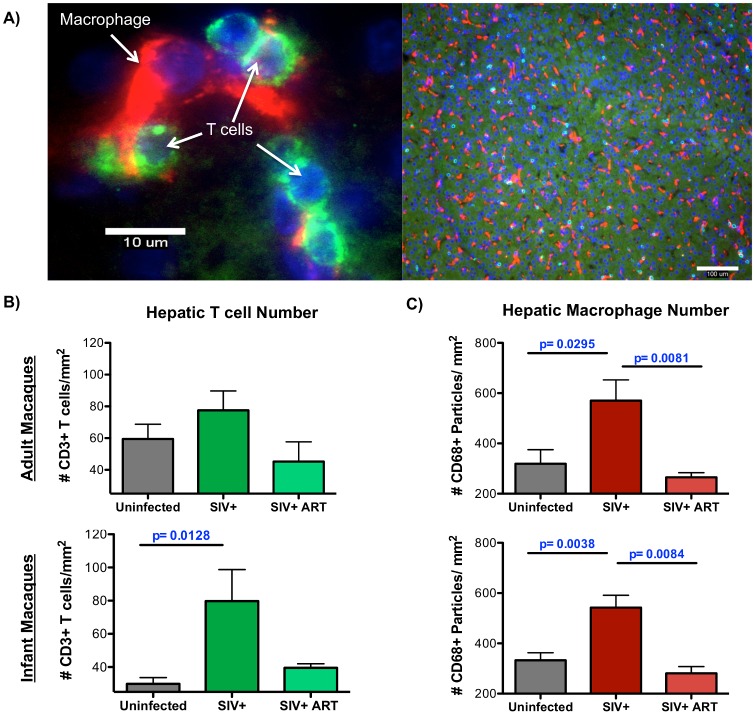
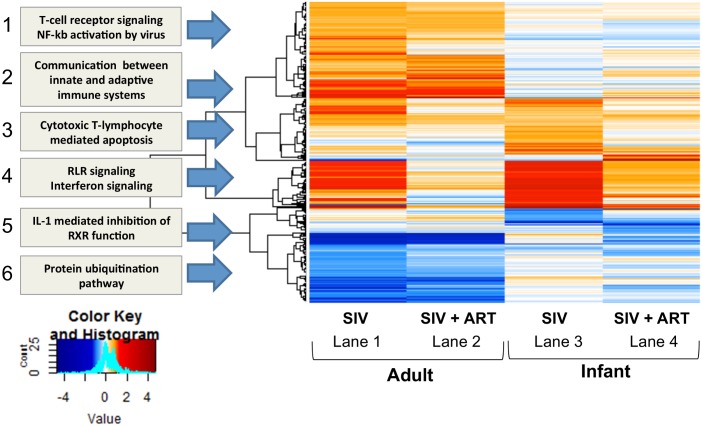
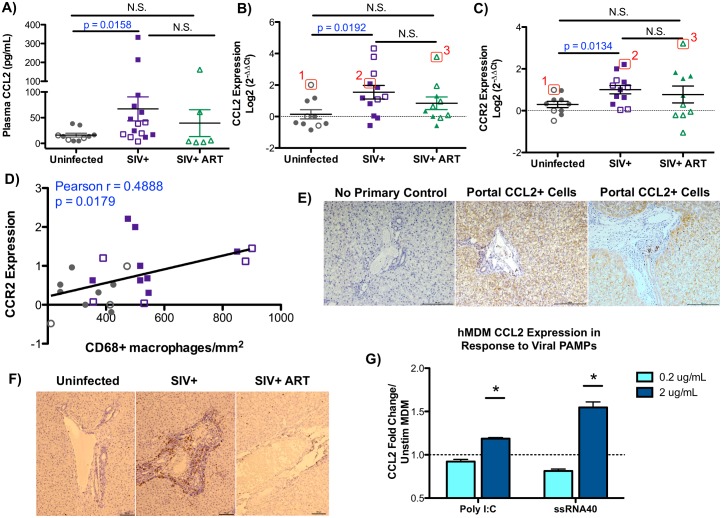
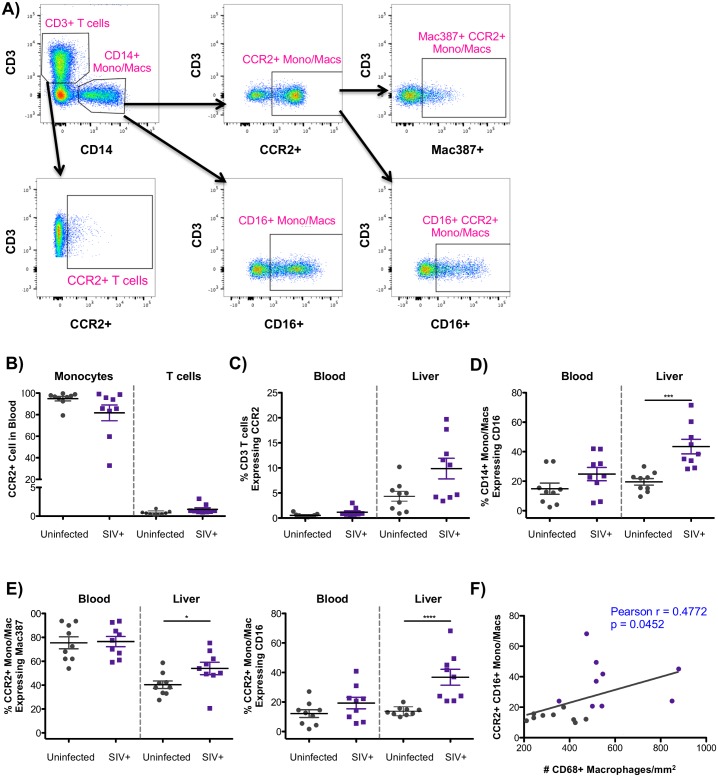
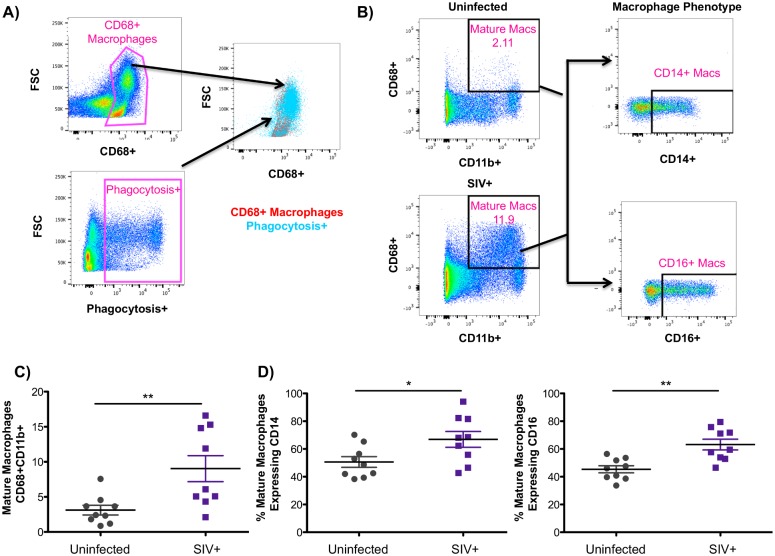
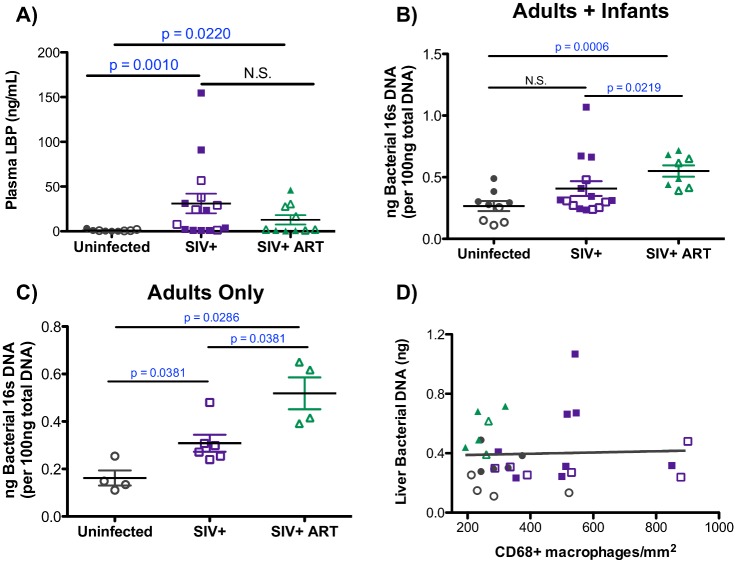
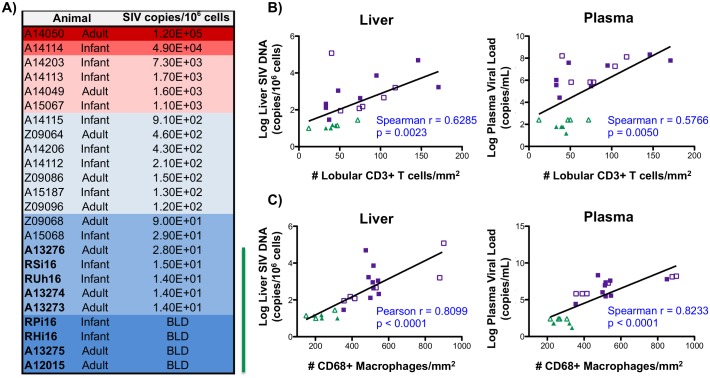
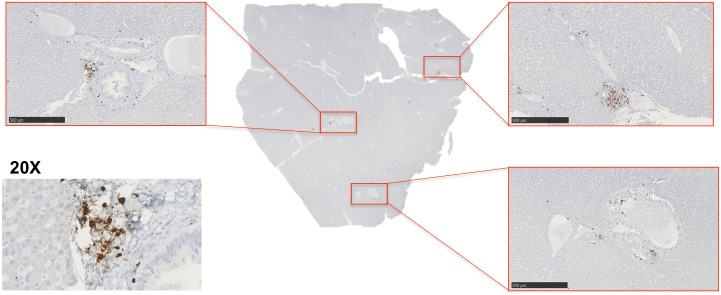
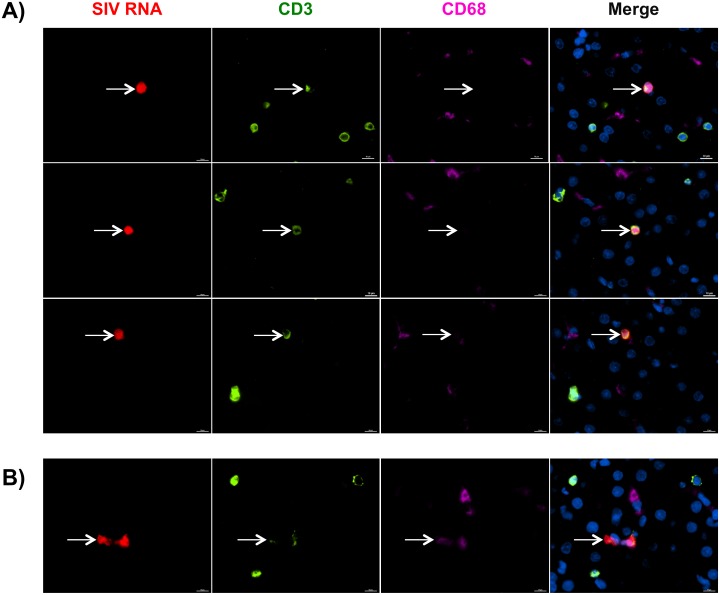
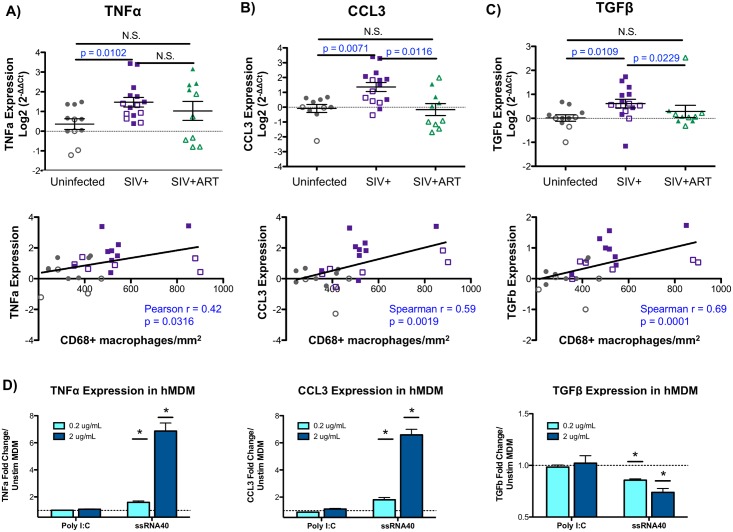
Liver disease is a leading contributor to morbidity and mortality during HIV infection, despite the use of combination antiretroviral therapy (cART). The precise mechanisms of liver disease during HIV infection are poorly understood partially due to the difficulty in obtaining human liver samples as well as the presence of confounding factors (e.g. hepatitis co-infection, alcohol use). Utilizing the simian immunodeficiency virus (SIV) macaque model, a controlled study was conducted to evaluate the factors associated with liver inflammation and the impact of cART. We observed an increase in hepatic macrophages during untreated SIV infection that was associated with a number of inflammatory and fibrosis mediators (TNFα, CCL3, TGFβ). Moreover, an upregulation in the macrophage chemoattractant factor CCL2 was detected in the livers of SIV-infected macaques that coincided with an increase in the number of activated CD16+ monocyte/macrophages and T cells expressing the cognate receptor CCR2. Expression of Mac387 on monocyte/macrophages further indicated that these cells recently migrated to the liver. The hepatic macrophage and T cell levels strongly correlated with liver SIV DNA levels, and were not associated with the levels of 16S bacterial DNA. Utilizing in situ hybridization, SIV-infected cells were found primarily within portal triads, and were identified as T cells. Microarray analysis identified a strong antiviral transcriptomic signature in the liver during SIV infection. In contrast, macaques treated with cART exhibited lower levels of liver macrophages and had a substantial, but not complete, reduction in their inflammatory profile. In addition, residual SIV DNA and bacteria 16S DNA were detected in the livers during cART, implicating the liver as a site on-going immune activation during antiretroviral therapy. These findings provide mechanistic insights regarding how SIV infection promotes liver inflammation through macrophage recruitment, with implications for in HIV-infected individuals.
肝脏疾病是 HIV 感染期间发病率和死亡率的主要原因,尽管采用了联合抗逆转录病毒疗法(cART)。HIV 感染期间肝脏疾病的确切机制尚未完全了解,部分原因是难以获得人类肝脏样本以及存在混杂因素(例如,肝炎合并感染,饮酒)。利用猴免疫缺陷病毒(SIV)猕猴模型,进行了一项对照研究,以评估与肝脏炎症相关的因素以及 cART 的影响。我们观察到未经治疗的 SIV 感染期间肝巨噬细胞增加,这与许多炎症和纤维化介质(TNFα,CCL3,TGFβ)有关。此外,在 SIV 感染的猕猴肝脏中检测到趋化因子 CCL2 的上调,这与激活的 CD16+单核细胞/巨噬细胞和表达同源受体 CCR2 的 T 细胞数量增加相吻合。单核细胞/巨噬细胞上 Mac387 的表达进一步表明这些细胞最近迁移到肝脏。肝巨噬细胞和 T 细胞水平与肝 SIV DNA 水平强烈相关,与 16S 细菌 DNA 水平无关。利用原位杂交,发现 SIV 感染的细胞主要存在于门脉三联体中,并且被鉴定为 T 细胞。微阵列分析鉴定出 SIV 感染期间肝脏中存在强烈的抗病毒转录组特征。相反,接受 cART 治疗的猕猴肝脏中的巨噬细胞水平较低,其炎症特征有很大但不完全的降低。此外,在 cART 期间,肝脏中仍检测到残留的 SIV DNA 和细菌 16S DNA,这表明肝脏在抗逆转录病毒治疗期间是持续免疫激活的部位。这些发现为 SIV 感染如何通过巨噬细胞募集促进肝脏炎症提供了机制见解,对 HIV 感染者具有重要意义。