Faculty of Mechanical, Maritime, and Materials Engineering, Department of Biomechanical Engineering, Delft University of Technology (TU Delft), Mekelweg 2, Delft, 2628 CD, The Netherlands.
Department of Orthopedics, University Medical Centre Utrecht, Utrecht, CX, 3584, The Netherlands.
J Biomed Mater Res A. 2018 Jul;106(7):1798-1811. doi: 10.1002/jbm.a.36380. Epub 2018 Mar 8.
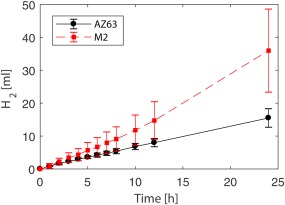
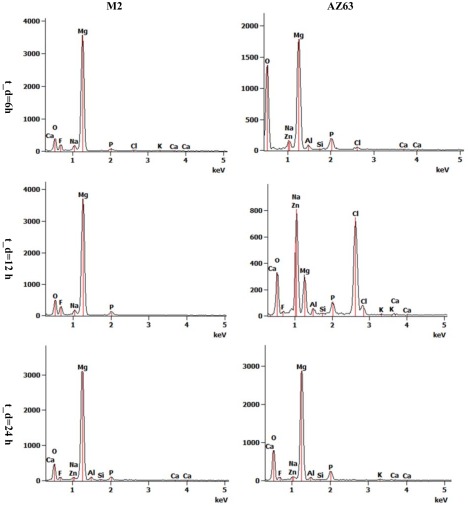
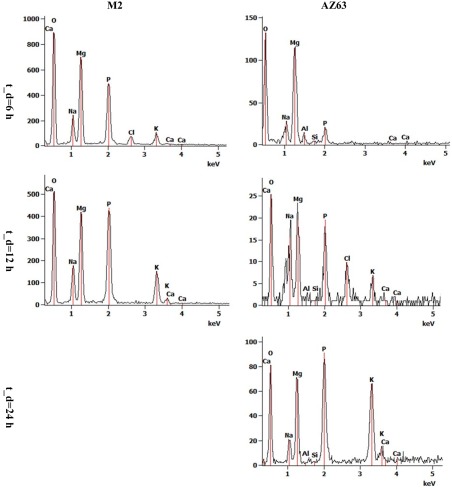
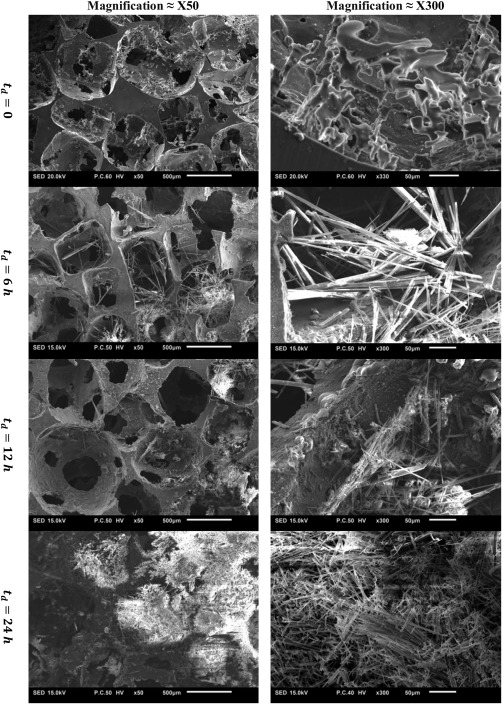
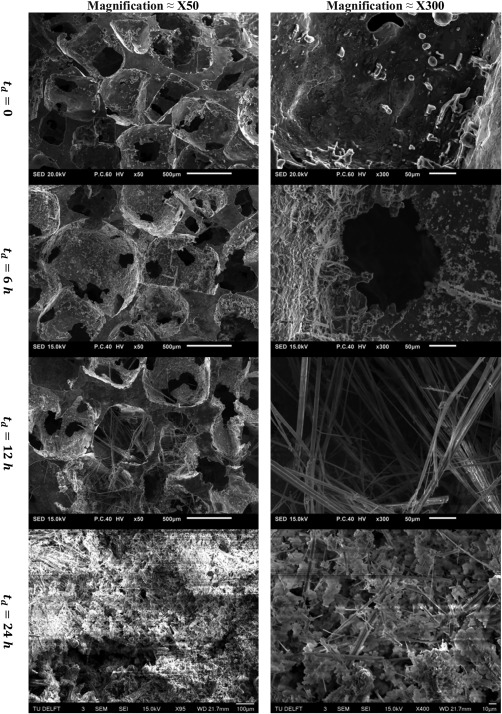
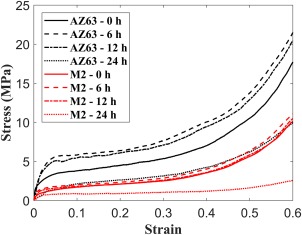
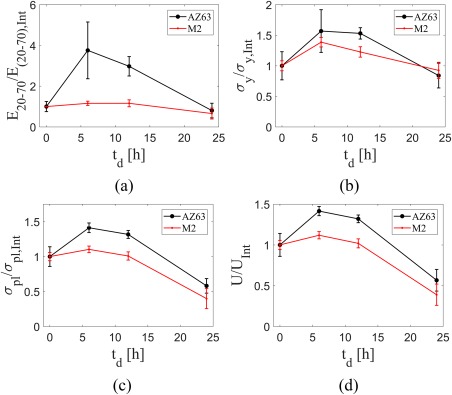
Magnesium and its alloys have the intrinsic capability of degrading over time in vivo without leaving toxic degradation products. They are therefore suitable for use as biodegradable scaffolds that are replaced by the regenerated tissues. One of the main concerns for such applications, particularly in load-bearing areas, is the sufficient mechanical integrity of the scaffold before sufficient volumes of de novo tissue is generated. In the majority of the previous studies on the effects of biodegradation on the mechanical properties of porous biomaterials, the change in the elastic modulus has been studied. In this study, variations in the static and fatigue mechanical behavior of porous structures made of two different Mg alloys (AZ63 and M2) over different dissolution times ( 6, 12, and 24 h) have been investigated. The results showed an increase in the mechanical properties obtained from stress-strain curve (elastic modulus, yield stress, plateau stress, and energy absorption) after 6-12 h and a sharp decrease after 24 h. The initial increase in the mechanical properties may be attributed to the accumulation of corrosion products in the pores of the porous structure before degradation has considerably proceeded. The effects of mineral deposition was more pronounced for the elastic modulus as compared to other mechanical properties. That may be due to insufficient integration of the deposited particles in the structure of the magnesium alloys. While the bonding of the parts being combined in a composite-like material is of great importance in determining its yield stress, the effects of bonding strength of both parts is much lower in determining the elastic modulus. The results of the current study also showed that the dissolution rates of the studied Mg alloys were too high for direct use in human body. © 2018 Authors Journal of Biomedical Materials Research Part A Published by Wiley Periodicals, Inc. J Biomed Mater Res Part A: 106A: 1798-1811, 2018.
镁及其合金具有在体内随时间降解而不留下有毒降解产物的固有能力。因此,它们适合用作可生物降解的支架,这些支架可被再生组织所取代。在这种应用中,特别是在承重区域,主要关注之一是在产生足够量的新生组织之前,支架具有足够的机械完整性。在大多数关于生物降解对多孔生物材料力学性能影响的先前研究中,已经研究了弹性模量的变化。在这项研究中,研究了两种不同镁合金(AZ63 和 M2)制成的多孔结构的静态和疲劳力学性能在不同溶解时间(6、12 和 24 小时)下的变化。结果表明,在 6-12 小时后,从应力-应变曲线上获得的机械性能(弹性模量、屈服应力、平台应力和能量吸收)增加,而在 24 小时后急剧下降。机械性能的初始增加可能归因于在降解相当程度进行之前,腐蚀产物在多孔结构的孔隙中积累。与其他力学性能相比,矿物质沉积对弹性模量的影响更为明显。这可能是由于沉积颗粒在镁合金结构中的结合不足所致。虽然复合材料中结合部分的结合对于确定其屈服应力非常重要,但在确定弹性模量时,两部分的结合强度的影响要低得多。当前研究的结果还表明,所研究的镁合金的溶解速率对于直接在人体中使用过高。©2018 作者 Wiley 期刊出版社 生物医学材料研究杂志 A 部分 1798-1811,2018 年。