Trinchese Giovanna, Cavaliere Gina, De Filippo Chiara, Aceto Serena, Prisco Marina, Chun Jong Tai, Penna Eduardo, Negri Rossella, Muredda Laura, Demurtas Andrea, Banni Sebastiano, Berni-Canani Roberto, Mattace Raso Giuseppina, Calignano Antonio, Meli Rosaria, Greco Luigi, Crispino Marianna, Mollica Maria P
Department of Biology, University of Naples Federico II, Naples, Italy.
Biology and Evolution of Marine Organisms, Stazione Zoologica Anton Dohrn, Naples, Italy.
Front Physiol. 2018 Jan 30;9:32. doi: 10.3389/fphys.2018.00032. eCollection 2018.
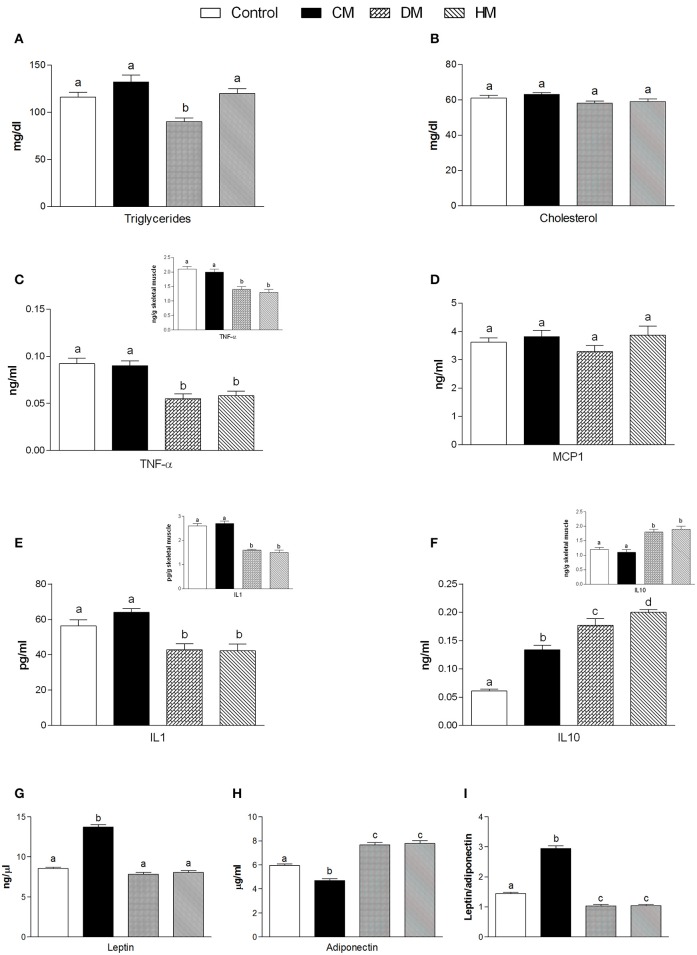
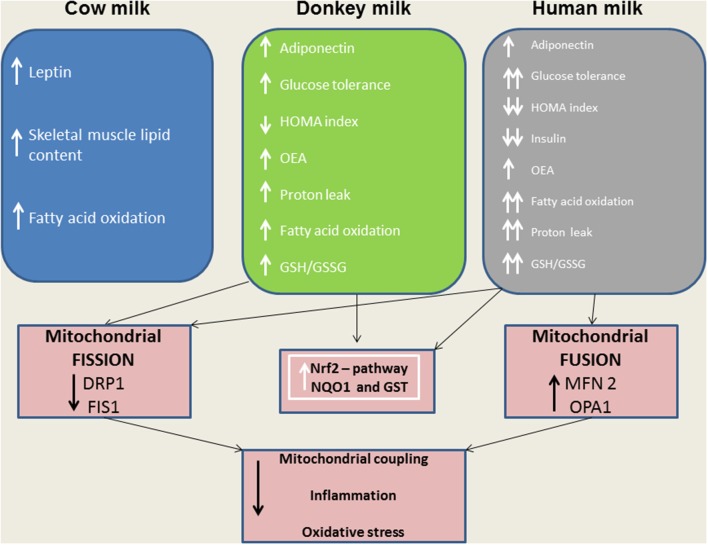
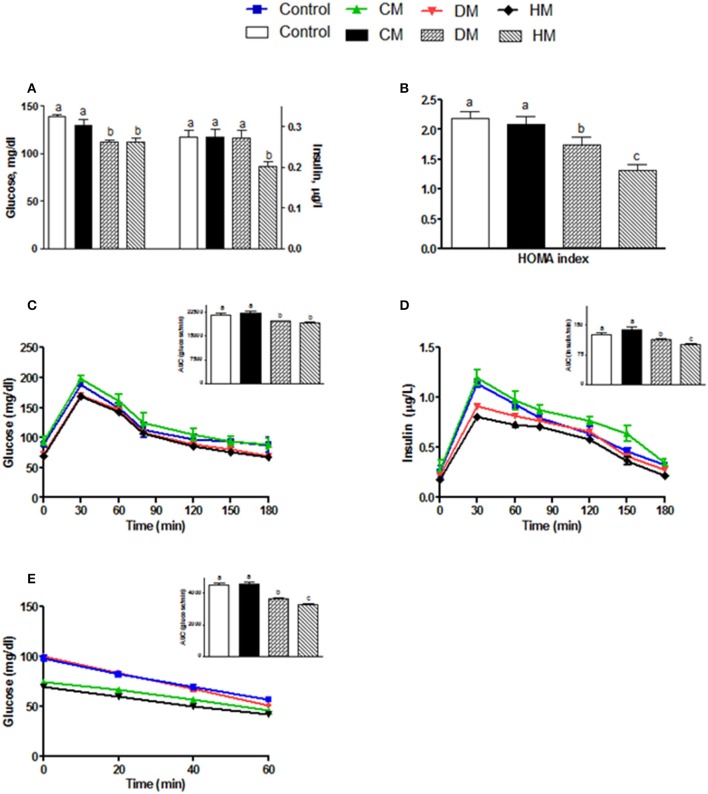
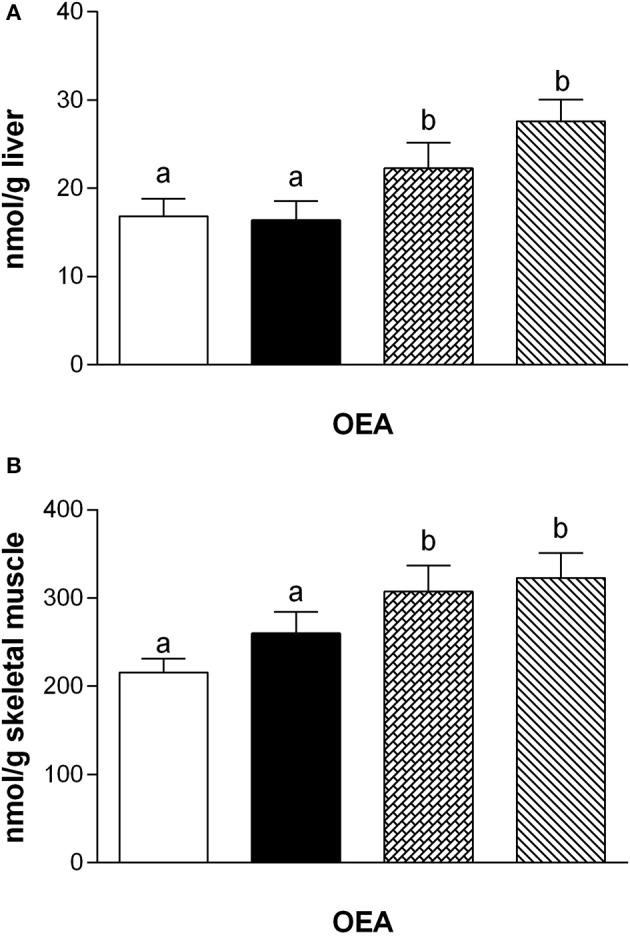
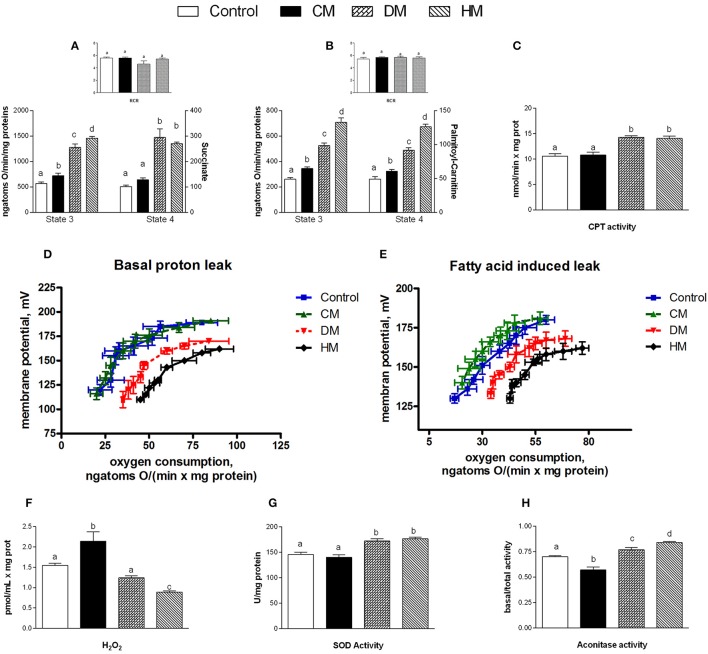
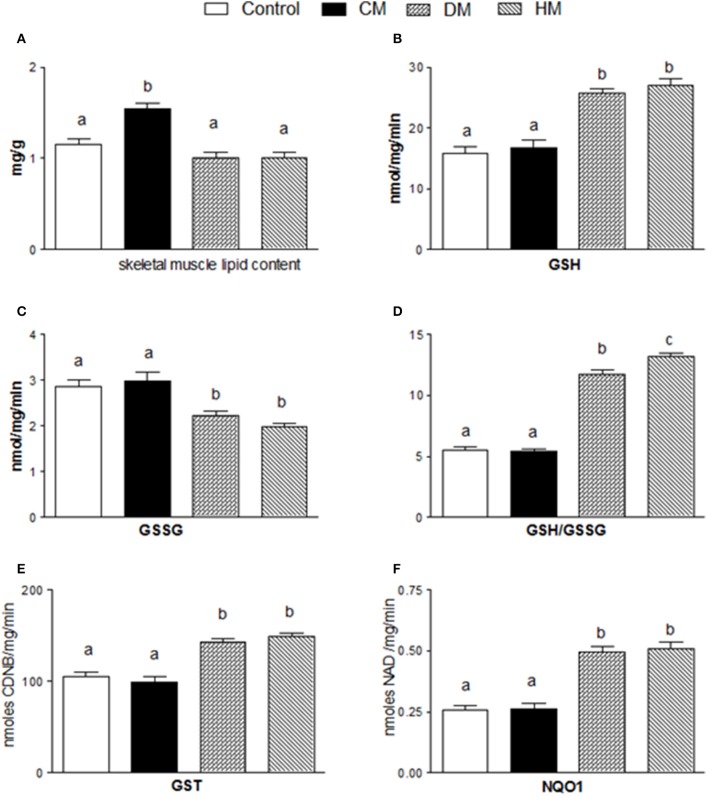
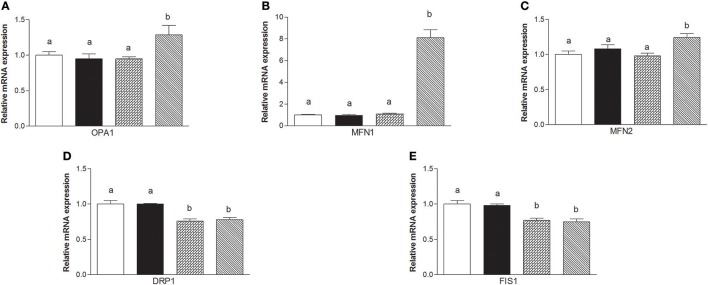
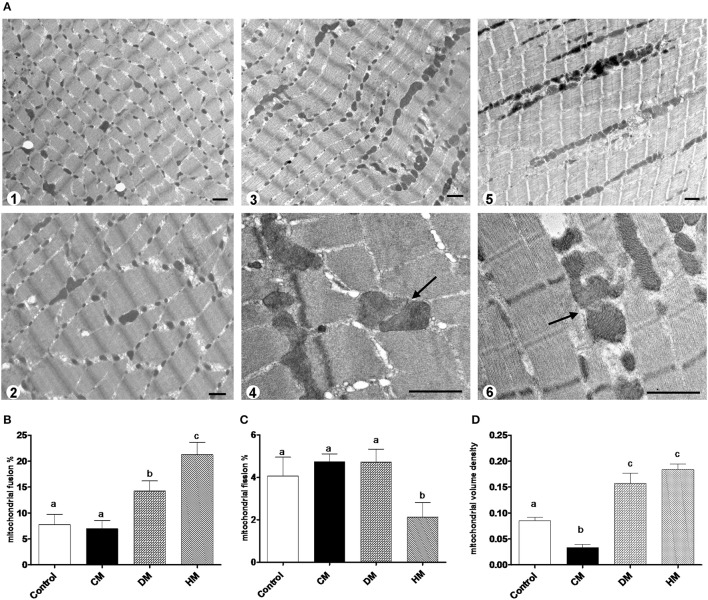
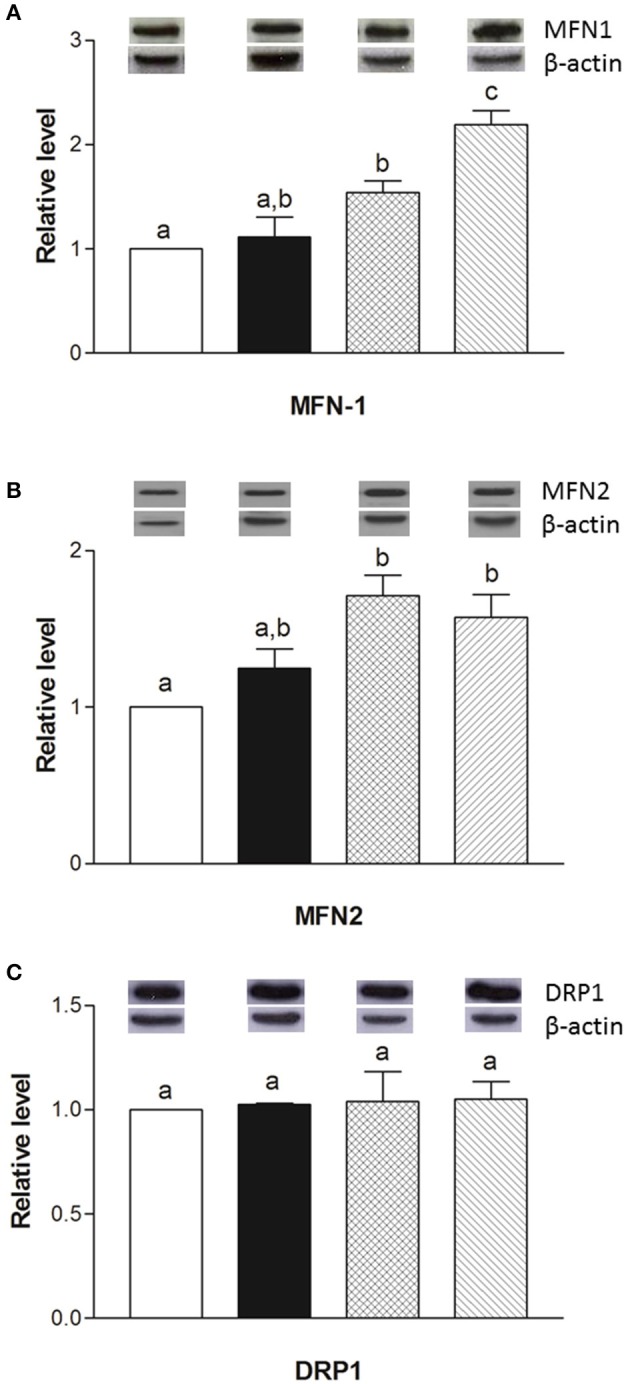
Milk from various species differs in nutrient composition. In particular, human milk (HM) and donkey milk (DM) are characterized by a relative high level of triacylglycerol enriched in palmitic acid in sn-2 position. These dietary fats seem to exert beneficial nutritional properties through N-acylethanolamine tissue modulation. The aim of this study is to compare the effects of cow milk (CM), DM, and HM on inflammation and glucose and lipid metabolism, focusing on mitochondrial function, efficiency, and dynamics in skeletal muscle, which is the major determinant of resting metabolic rate. Moreover, we also evaluated the levels of endocannabinoids and N-acylethanolamines in liver and skeletal muscle, since tissue fatty acid profiles can be modulated by nutrient intervention. To this aim, rats were fed with CM, DM, or HM for 4 weeks. Then, glucose tolerance and insulin resistance were analyzed. Pro-inflammatory and anti-inflammatory cytokines were evaluated in serum and skeletal muscle. Skeletal muscle was also processed to estimate mitochondrial function, efficiency, and dynamics, oxidative stress, and antioxidant/detoxifying enzyme activities. Fatty acid profiles, endocannabinoids, and N-acylethanolamine congeners were determined in liver and skeletal muscle tissue. We demonstrated that DM or HM administration reducing inflammation status, improves glucose disposal and insulin resistance and reduces lipid accumulation in skeletal muscle. Moreover, HM or DM administration increases redox status, and mitochondrial uncoupling, affecting mitochondrial dynamics in the skeletal muscle. Interestingly, HM and DM supplementation increase liver and muscle levels of the N-oleoylethanolamine (OEA), a key regulator of lipid metabolism and inflammation. HM and DM have a healthy nutritional effect, acting on inflammatory factors and glucose and lipid metabolism. This beneficial effect is associated to a modulation of mitochondrial function, efficiency, and dynamics and to an increase of OEA levels in skeletal muscle.
不同物种的乳汁在营养成分上存在差异。特别是,人乳(HM)和驴乳(DM)的特点是在sn-2位富含棕榈酸的三酰甘油水平相对较高。这些膳食脂肪似乎通过N-酰基乙醇胺组织调节发挥有益的营养特性。本研究的目的是比较牛奶(CM)、驴乳和人乳对炎症以及葡萄糖和脂质代谢的影响,重点关注骨骼肌中的线粒体功能、效率和动态变化,骨骼肌是静息代谢率的主要决定因素。此外,我们还评估了肝脏和骨骼肌中内源性大麻素和N-酰基乙醇胺的水平,因为组织脂肪酸谱可通过营养干预进行调节。为此,给大鼠喂食CM、DM或HM 4周。然后,分析葡萄糖耐量和胰岛素抵抗。评估血清和骨骼肌中的促炎和抗炎细胞因子。还对骨骼肌进行处理以估计线粒体功能、效率和动态变化、氧化应激以及抗氧化/解毒酶活性。测定肝脏和骨骼肌组织中的脂肪酸谱、内源性大麻素和N-酰基乙醇胺同系物。我们证明,给予DM或HM可降低炎症状态,改善葡萄糖处理和胰岛素抵抗,并减少骨骼肌中的脂质积累。此外,给予HM或DM可提高氧化还原状态和线粒体解偶联,影响骨骼肌中的线粒体动态变化。有趣的是,补充HM和DM可提高肝脏和肌肉中N-油酰乙醇胺(OEA)的水平,OEA是脂质代谢和炎症的关键调节因子。HM和DM具有健康的营养作用,作用于炎症因子以及葡萄糖和脂质代谢。这种有益作用与线粒体功能、效率和动态变化的调节以及骨骼肌中OEA水平的增加有关。