Zhang Jianxin, Zhang Yang, Zhang Zhenyu
Department of Gynecology and Obstetrics, Capital Medical University affiliated Beijing Chaoyang Hospital, Beijing, China.
Medicine (Baltimore). 2018 Jan;97(2):e9554. doi: 10.1097/MD.0000000000009554.
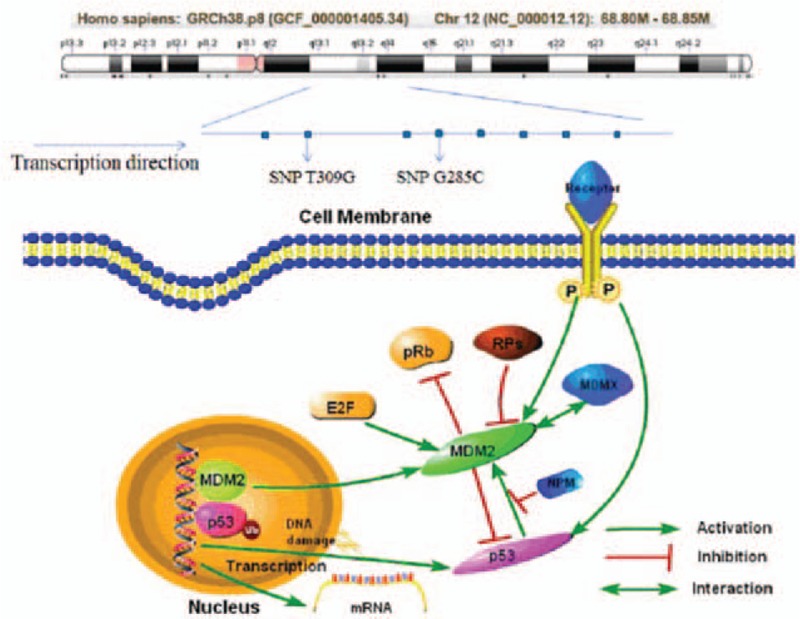
Increasing evidence has suggested that rs2279744 is associated with rs117039649 polymorphism, which can increase the risk of gynecological cancers, including cervical, ovarian, breast, and endometrial cancer. The results are inconsistent so that we performed a meta-analysis of current literature to clarify the impacts of these polymorphisms on gynecological cancer.
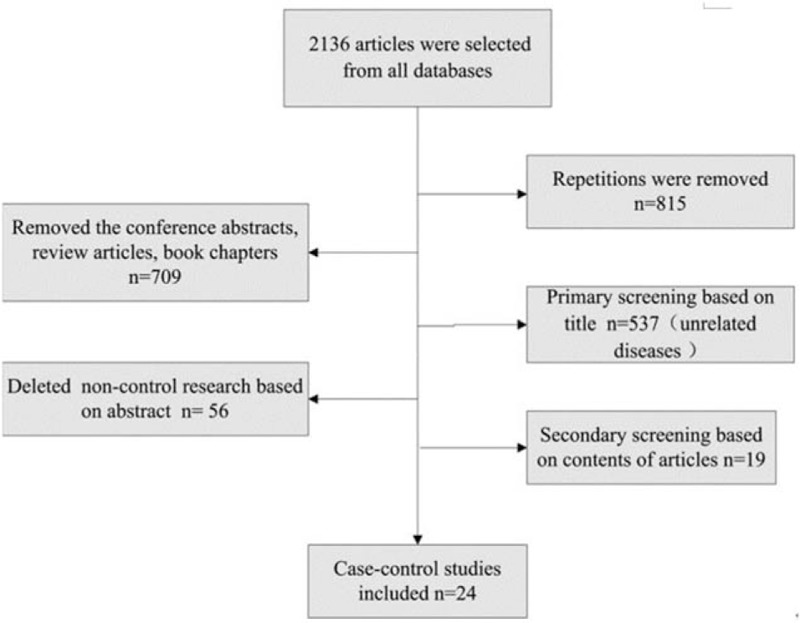
Eligible articles were identified through an exhaustive search of relevant databases including PubMed, Embase, Web of science, Springer Link, Chinese National Knowledge Infrastructure (CNKI), and Weipu database for the period up to July 2016. Data about the association between single nucleotide polymorphisms (SNPs) and cancer risk were refined from the selected articles as well as other information about cases and controls, and all of them were extracted by 2 independent researchers and pooled odds ratio with 95% confidence interval was calculated.
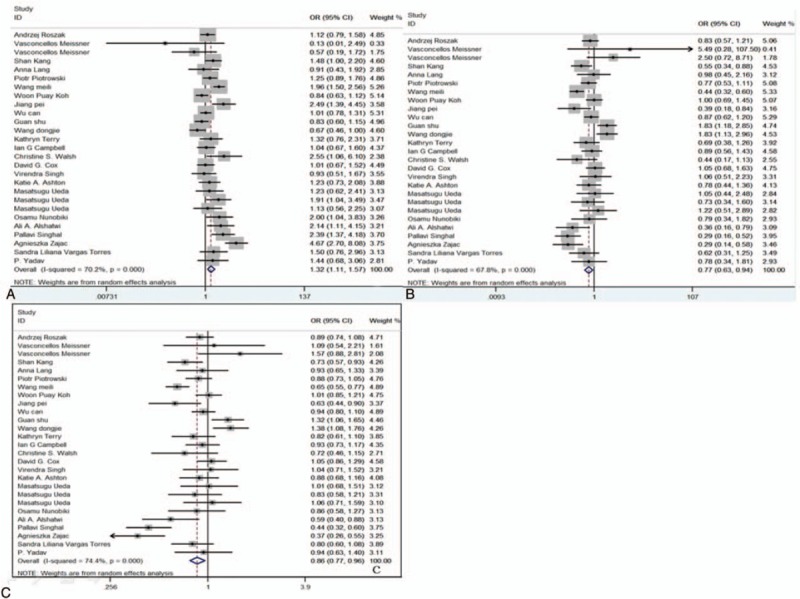
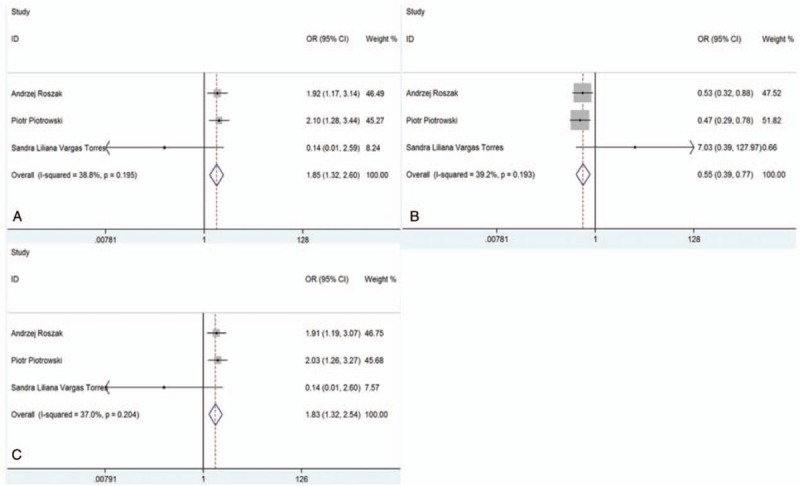
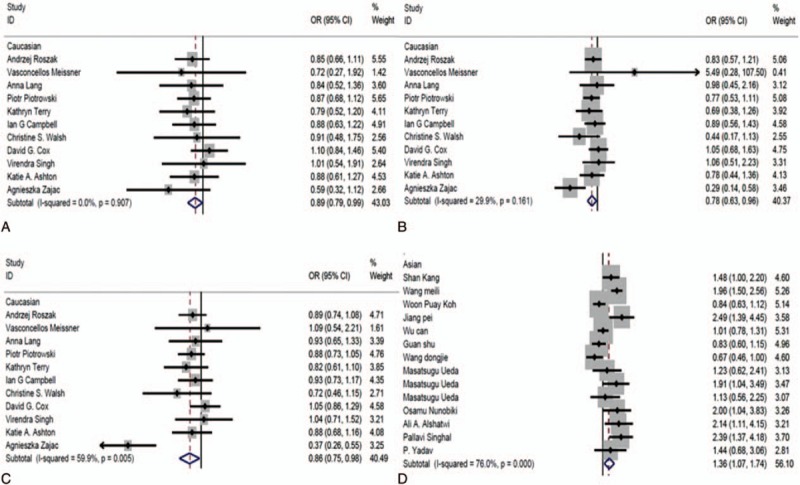
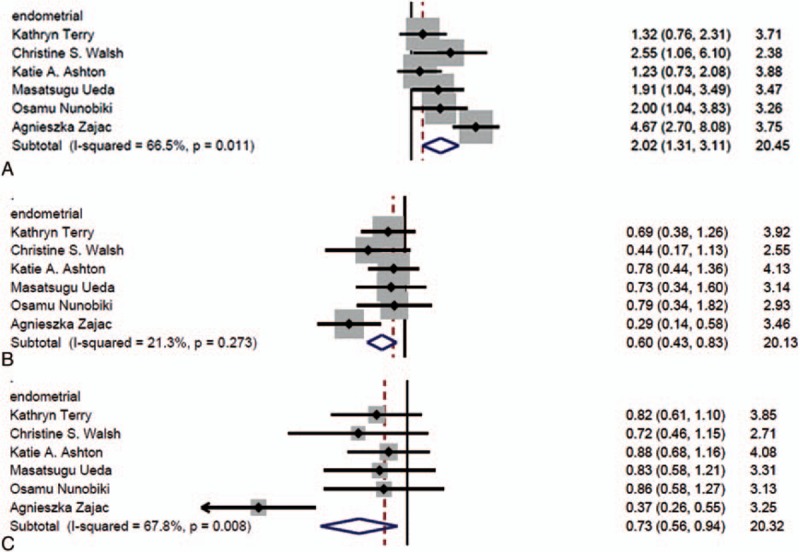
This analysis included 24 articles, 27 case-control studies of rs2279744 polymorphism and 3 case-control studies of rs117039649 polymorphism. Significant association with the risk of gynecological cancer was observed for both SNPs. Subgroup analysis by ethnicity and cancer type (cervical, ovarian, breast, and endometrial) also showed a positive relationship between rs2279744 polymorphism and gynecological cancer risk in Caucasian; and there was also a notable association between rs2279744 polymorphism and cervical cancer.
We found that rs2279744 (SNP309) and rs117039649 (SNP285) were both associated with the risk of gynecological cancers. Subgroup analysis showed that rs2279744 (SNP309) was associated with the risk of gynecological cancers in Caucasian and Asian according to the ethnicity and cancer type, especially for endometrial cancer.
越来越多的证据表明,rs2279744与rs117039649多态性相关,这可能会增加妇科癌症的风险,包括宫颈癌、卵巢癌、乳腺癌和子宫内膜癌。但研究结果并不一致,因此我们对当前文献进行了荟萃分析,以阐明这些多态性对妇科癌症的影响。
通过全面检索相关数据库来确定符合条件的文章,这些数据库包括PubMed、Embase、Web of science、Springer Link、中国知网(CNKI)和维普数据库,检索时间截至2016年7月。从所选文章中提炼出关于单核苷酸多态性(SNP)与癌症风险之间关联的数据以及其他有关病例和对照的信息,所有这些均由两名独立研究人员提取,并计算合并比值比及95%置信区间。
该分析纳入了24篇文章,其中27项关于rs2279744多态性的病例对照研究以及3项关于rs117039649多态性的病例对照研究。观察到这两种SNP与妇科癌症风险均存在显著关联。按种族和癌症类型(宫颈癌、卵巢癌、乳腺癌和子宫内膜癌)进行的亚组分析还显示,rs2279744多态性与白种人的妇科癌症风险呈正相关;rs2279744多态性与宫颈癌之间也存在显著关联。
我们发现rs2279744(SNP309)和rs117039649(SNP285)均与妇科癌症风险相关。亚组分析表明,根据种族和癌症类型,rs2279744(SNP309)与白种人和亚洲人的妇科癌症风险相关,尤其是子宫内膜癌。