Department of Chemistry, Sapienza University of Rome, Rome, Italy.
Department of Biology and Biotechnology "C. Darwin", Sapienza University of Rome, Rome, Italy.
Aging Cell. 2018 Jun;17(3):e12745. doi: 10.1111/acel.12745. Epub 2018 Mar 5.
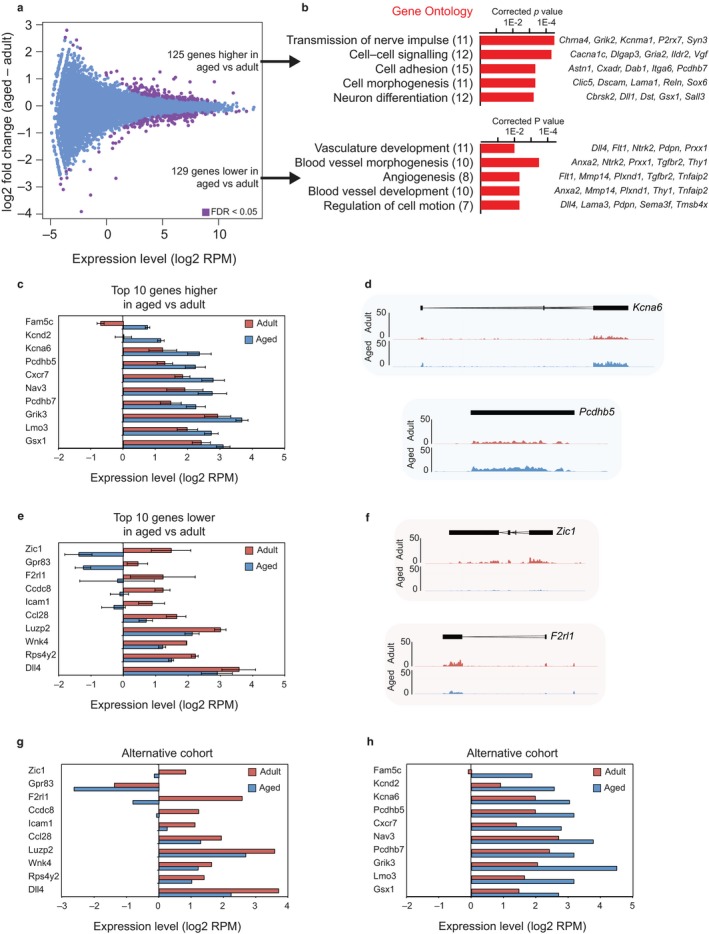
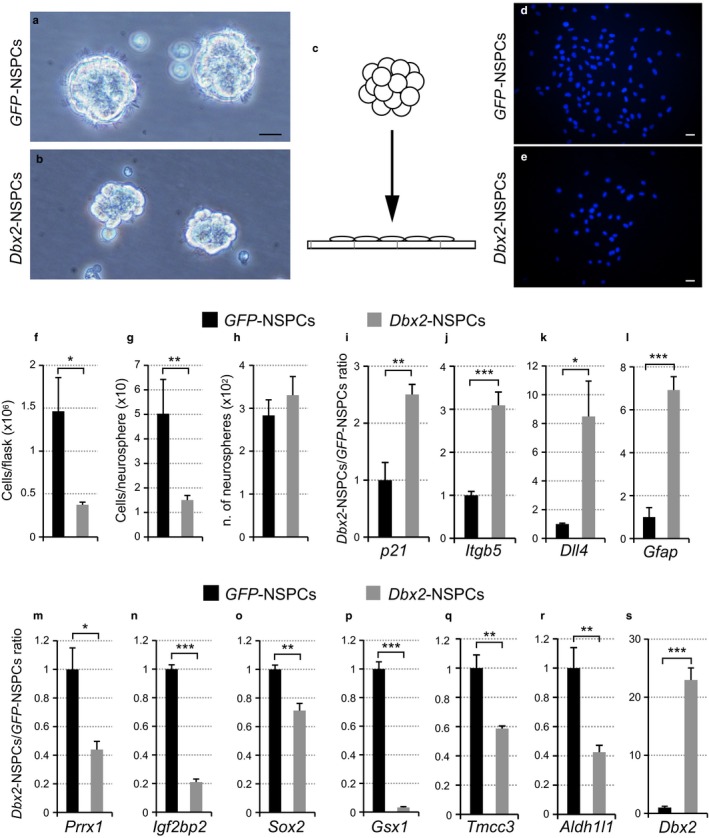
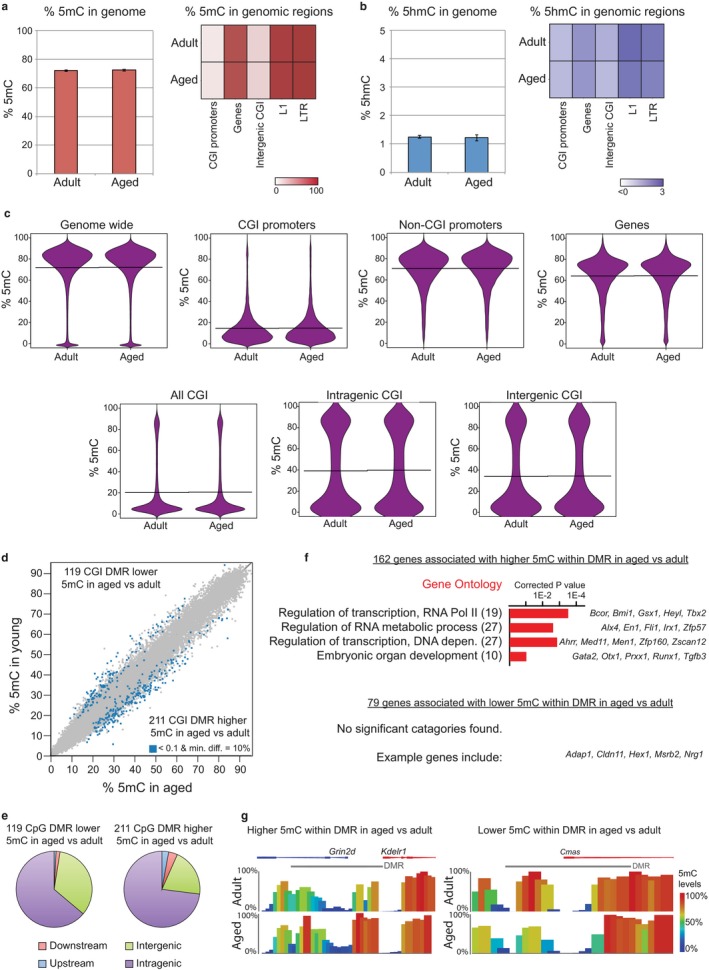
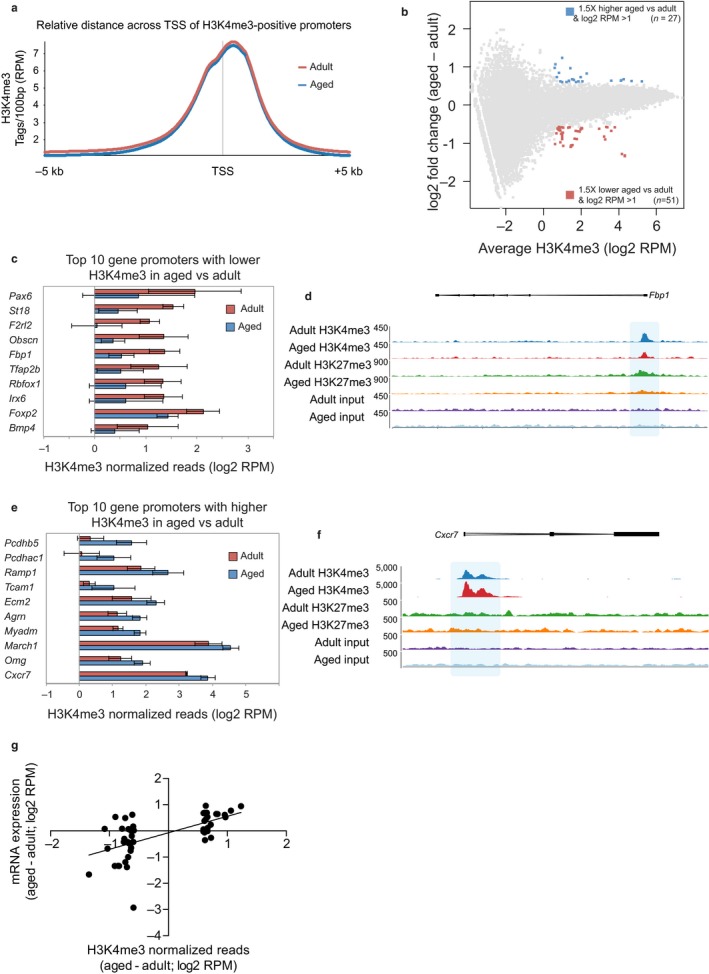
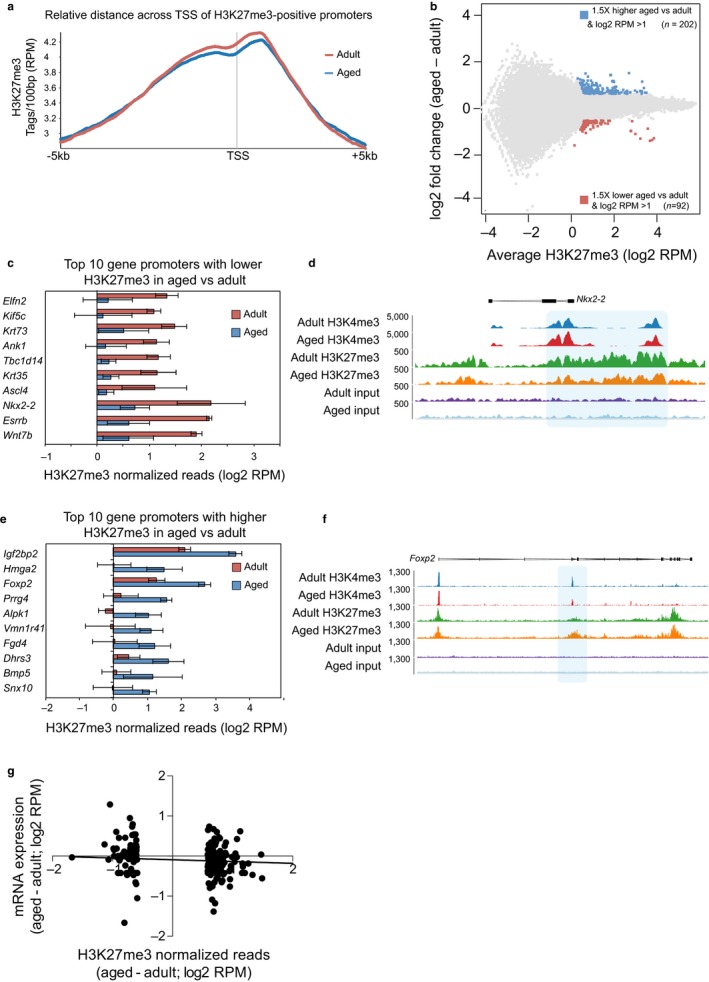
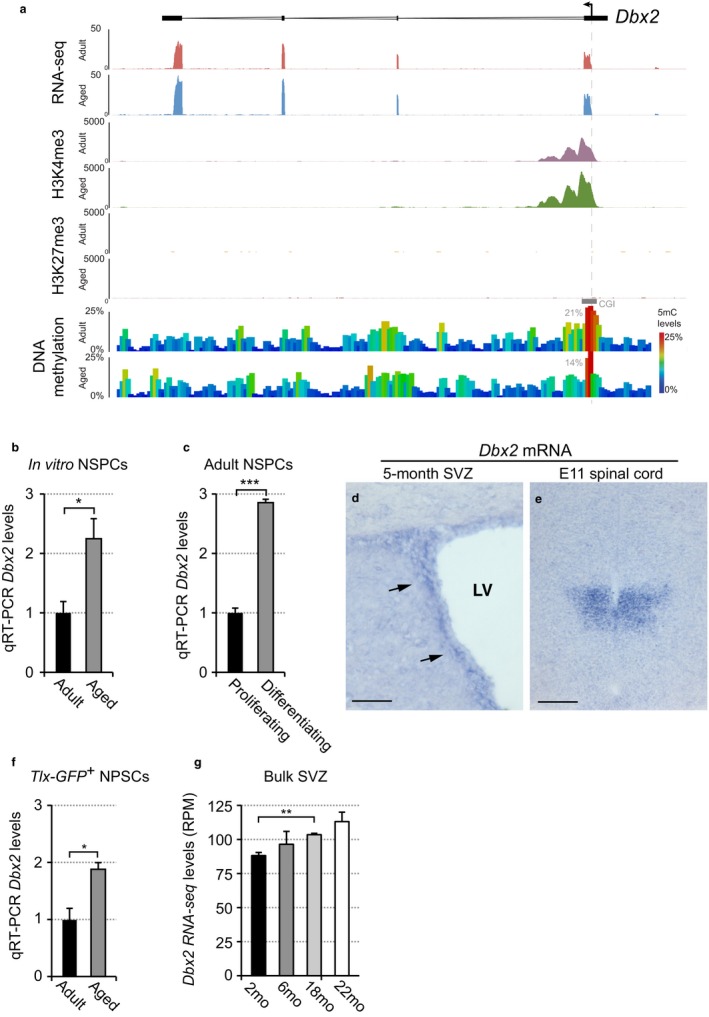
Adult neurogenesis declines with aging due to the depletion and functional impairment of neural stem/progenitor cells (NSPCs). An improved understanding of the underlying mechanisms that drive age-associated neurogenic deficiency could lead to the development of strategies to alleviate cognitive impairment and facilitate neuroregeneration. An essential step towards this aim is to investigate the molecular changes that occur in NSPC aging on a genomewide scale. In this study, we compare the transcriptional, histone methylation and DNA methylation signatures of NSPCs derived from the subventricular zone (SVZ) of young adult (3 months old) and aged (18 months old) mice. Surprisingly, the transcriptional and epigenomic profiles of SVZ-derived NSPCs are largely unchanged in aged cells. Despite the global similarities, we detect robust age-dependent changes at several hundred genes and regulatory elements, thereby identifying putative regulators of neurogenic decline. Within this list, the homeobox gene Dbx2 is upregulated in vitro and in vivo, and its promoter region has altered histone and DNA methylation levels, in aged NSPCs. Using functional in vitro assays, we show that elevated Dbx2 expression in young adult NSPCs promotes age-related phenotypes, including the reduced proliferation of NSPC cultures and the altered transcript levels of age-associated regulators of NSPC proliferation and differentiation. Depleting Dbx2 in aged NSPCs caused the reverse gene expression changes. Taken together, these results provide new insights into the molecular programmes that are affected during mouse NSPC aging, and uncover a new functional role for Dbx2 in promoting age-related neurogenic decline.
成年神经发生随着衰老而减少,这是由于神经干细胞/祖细胞(NSPCs)的耗竭和功能障碍。深入了解导致与年龄相关的神经发生缺陷的潜在机制,可以促使人们开发减轻认知障碍和促进神经再生的策略。实现这一目标的一个重要步骤是从全基因组范围研究 NSPC 衰老过程中发生的分子变化。在这项研究中,我们比较了来自年轻成年(3 个月大)和老年(18 个月大)小鼠侧脑室下区(SVZ)的 NSPC 的转录组、组蛋白甲基化和 DNA 甲基化特征。令人惊讶的是,衰老细胞中 SVZ 衍生的 NSPC 的转录组和表观基因组图谱在很大程度上保持不变。尽管存在总体相似性,但我们在数百个基因和调控元件中检测到了强大的年龄依赖性变化,从而鉴定出潜在的神经发生下降的调控因子。在这个列表中,同源盒基因 Dbx2 在体外和体内均上调,其启动子区域的组蛋白和 DNA 甲基化水平发生改变,在衰老的 NSPC 中。通过功能体外测定,我们表明年轻成年 NSPC 中 Dbx2 表达的升高促进了与年龄相关的表型,包括 NSPC 培养物增殖减少和与年龄相关的 NSPC 增殖和分化调控因子的转录水平改变。在衰老的 NSPC 中耗尽 Dbx2 会导致相反的基因表达变化。总的来说,这些结果为了解在小鼠 NSPC 衰老过程中受影响的分子程序提供了新的见解,并揭示了 Dbx2 在促进与年龄相关的神经发生下降中的新功能作用。