Phillips-Jones Mary K, Harding Stephen E
National Centre for Macromolecular Hydrodynamics, School of Biosciences, University of Nottingham, Sutton Bonington, LE12 5RD, Loughborough, Leicestershire, UK.
Biophys Rev. 2018 Apr;10(2):347-362. doi: 10.1007/s12551-018-0404-9. Epub 2018 Mar 10.
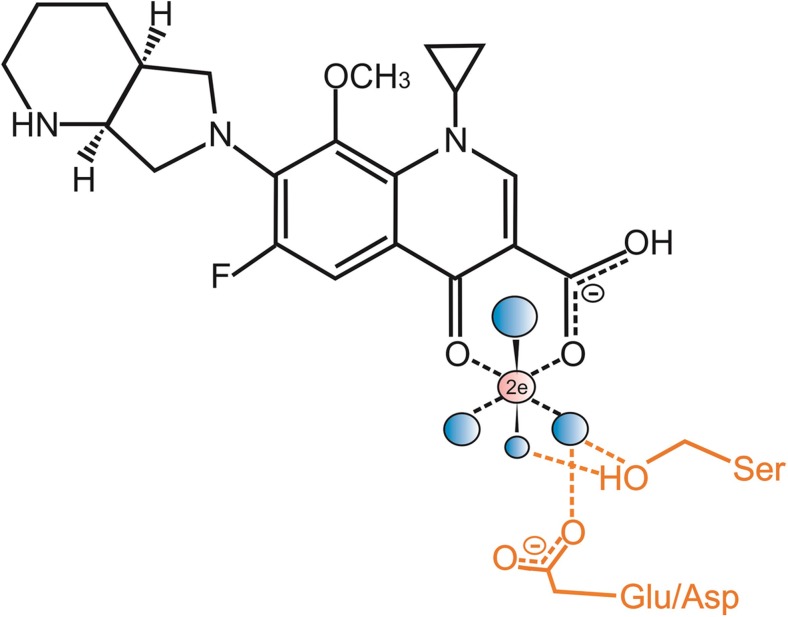
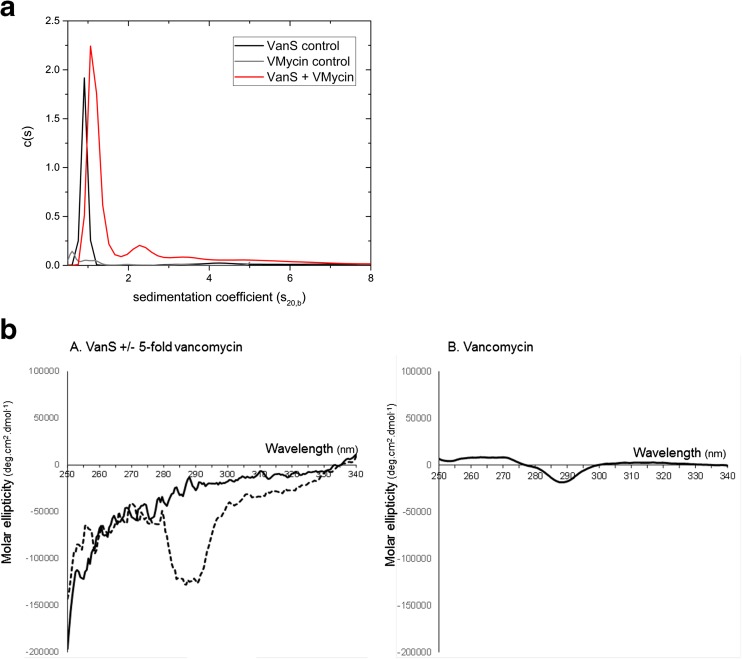
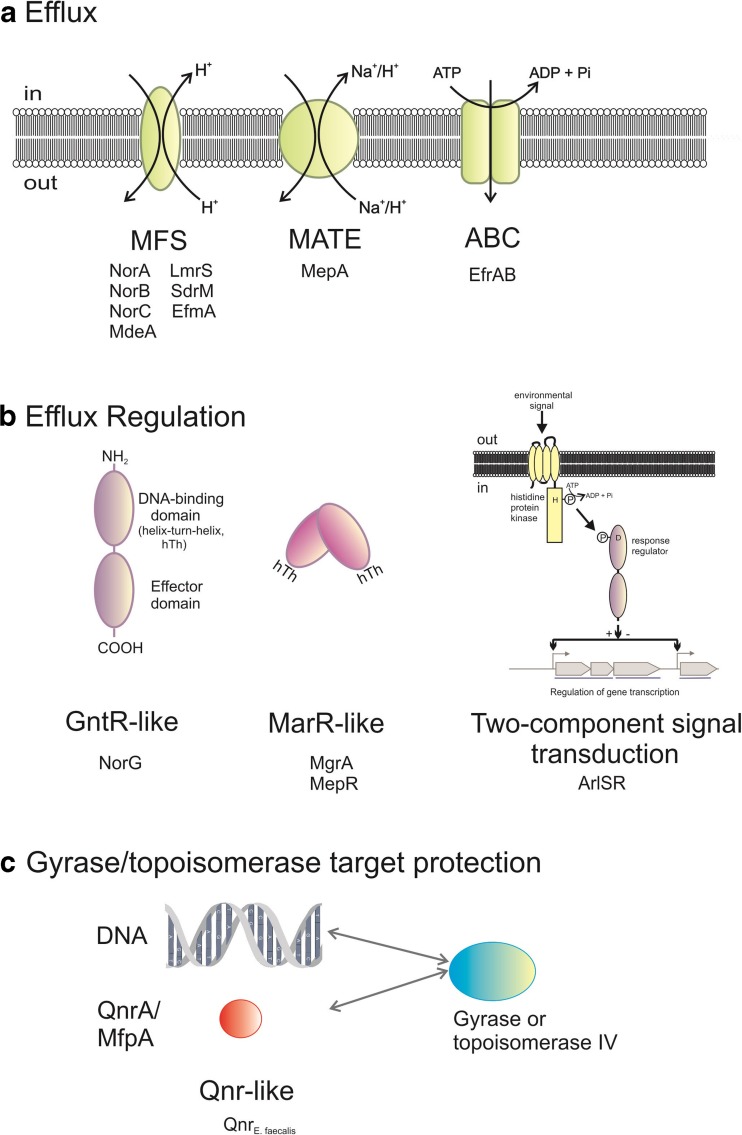
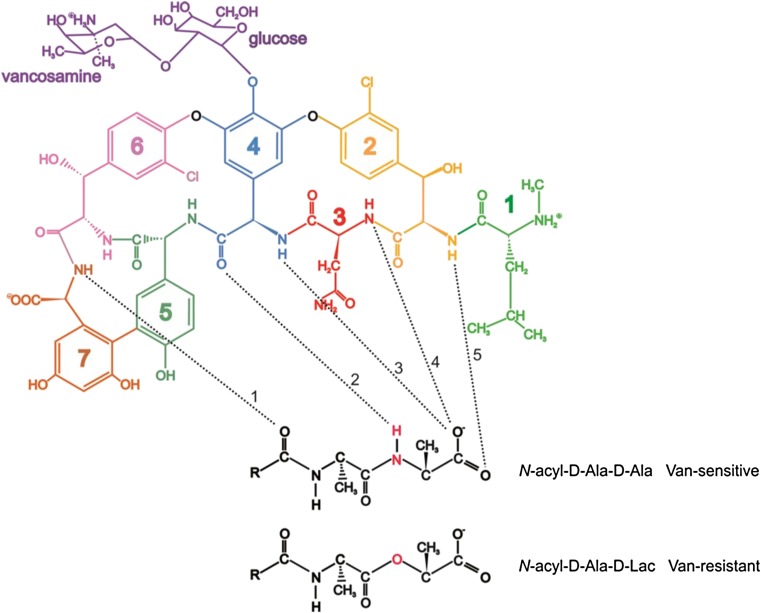
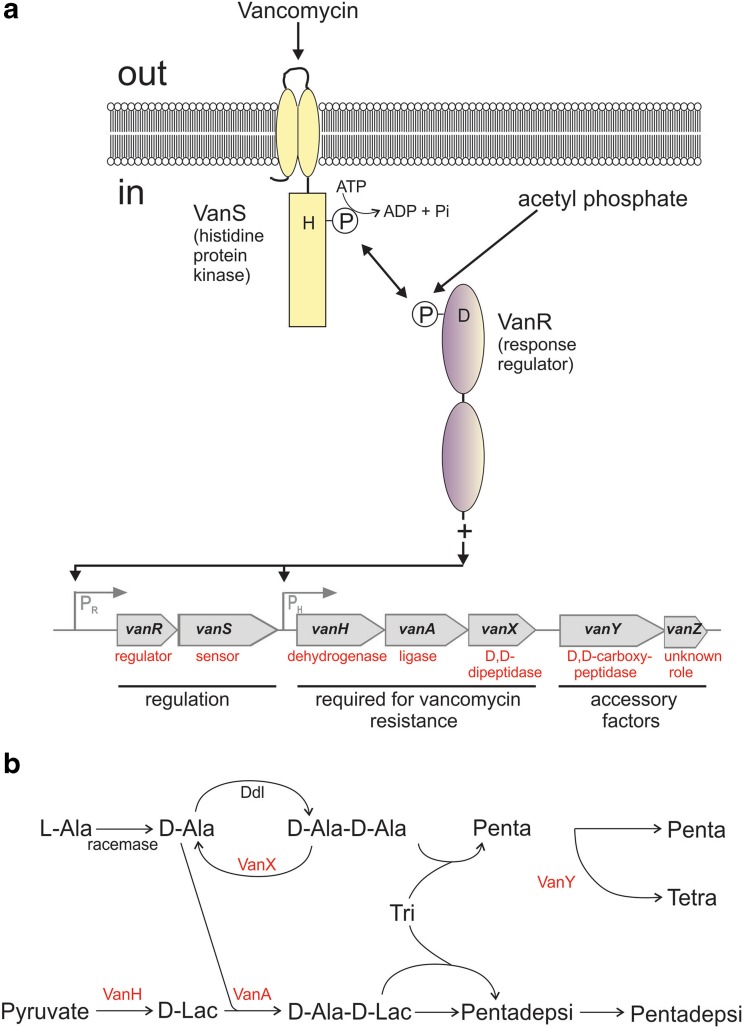
In this review, we discuss mechanisms of resistance identified in bacterial agents Staphylococcus aureus and the enterococci towards two priority classes of antibiotics-the fluoroquinolones and the glycopeptides. Members of both classes interact with a number of components in the cells of these bacteria, so the cellular targets are also considered. Fluoroquinolone resistance mechanisms include efflux pumps (MepA, NorA, NorB, NorC, MdeA, LmrS or SdrM in S. aureus and EfmA or EfrAB in the enterococci) for removal of fluoroquinolone from the intracellular environment of bacterial cells and/or protection of the gyrase and topoisomerase IV target sites in Enterococcus faecalis by Qnr-like proteins. Expression of efflux systems is regulated by GntR-like (S. aureus NorG), MarR-like (MgrA, MepR) regulators or a two-component signal transduction system (TCS) (S. aureus ArlSR). Resistance to the glycopeptide antibiotic teicoplanin occurs via efflux regulated by the TcaR regulator in S. aureus. Resistance to vancomycin occurs through modification of the D-Ala-D-Ala target in the cell wall peptidoglycan and removal of high affinity precursors, or by target protection via cell wall thickening. Of the six Van resistance types (VanA-E, VanG), the VanA resistance type is considered in this review, including its regulation by the VanSR TCS. We describe the recent application of biophysical approaches such as the hydrodynamic technique of analytical ultracentrifugation and circular dichroism spectroscopy to identify the possible molecular effector of the VanS receptor that activates expression of the Van resistance genes; both approaches demonstrated that vancomycin interacts with VanS, suggesting that vancomycin itself (or vancomycin with an accessory factor) may be an effector of vancomycin resistance. With 16 and 19 proteins or protein complexes involved in fluoroquinolone and glycopeptide resistances, respectively, and the complexities of bacterial sensing mechanisms that trigger and regulate a wide variety of possible resistance mechanisms, we propose that these antimicrobial resistance mechanisms might be considered complex 'nanomachines' that drive survival of bacterial cells in antibiotic environments.
在本综述中,我们讨论了在金黄色葡萄球菌和肠球菌这两种细菌病原体中发现的对两类优先使用的抗生素——氟喹诺酮类和糖肽类的耐药机制。这两类抗生素的成员会与这些细菌细胞中的多种成分相互作用,因此也会考虑细胞靶点。氟喹诺酮类耐药机制包括外排泵(金黄色葡萄球菌中的MepA、NorA、NorB、NorC、MdeA、LmrS或SdrM,以及肠球菌中的EfmA或EfrAB),用于将氟喹诺酮从细菌细胞的细胞内环境中排出,和/或通过类Qnr蛋白保护粪肠球菌中的回旋酶和拓扑异构酶IV靶点。外排系统的表达受类GntR(金黄色葡萄球菌中的NorG)、类MarR(MgrA、MepR)调节因子或双组分信号转导系统(TCS)(金黄色葡萄球菌中的ArlSR)调控。金黄色葡萄球菌对糖肽类抗生素替考拉宁的耐药性是通过TcaR调节因子调控的外排产生的。对万古霉素的耐药性是通过修饰细胞壁肽聚糖中的D-Ala-D-Ala靶点并去除高亲和力前体,或通过细胞壁增厚来保护靶点产生的。在六种Van耐药类型(VanA - E、VanG)中,本综述讨论了VanA耐药类型,包括其由VanSR TCS调控的情况。我们描述了生物物理方法(如分析超速离心的流体动力学技术和圆二色光谱)的最新应用,以确定激活Van耐药基因表达 的VanS受体的可能分子效应物;这两种方法都表明万古霉素与VanS相互作用,表明万古霉素本身(或与辅助因子结合的万古霉素)可能是万古霉素耐药性的效应物。分别有16种和19种蛋白质或蛋白质复合物参与氟喹诺酮类和糖肽类耐药,以及触发和调节多种可能耐药机制的细菌传感机制的复杂性,我们提出这些抗菌耐药机制可能被视为驱动细菌细胞在抗生素环境中存活的复杂“纳米机器”。