Instituto Nacional de Enfermedades Respiratorias, Ismael Cosío Villegas, Ciudad de México, México.
Facultad de Ciencias, Universidad Nacional Autónoma de México, Ciudad de México, México.
PLoS One. 2018 Mar 12;13(3):e0192963. doi: 10.1371/journal.pone.0192963. eCollection 2018.
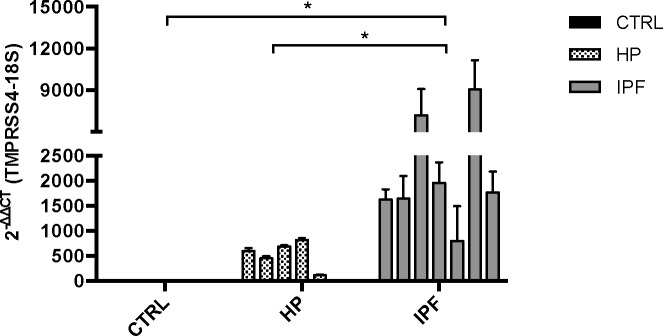
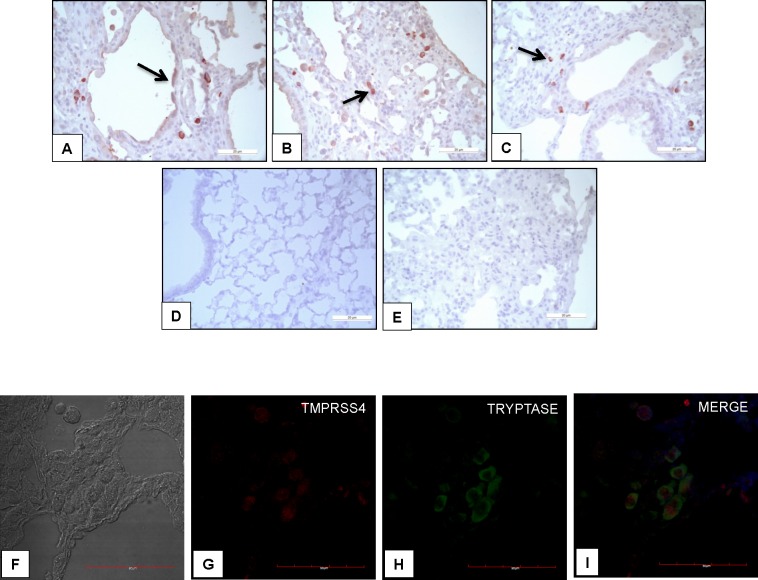
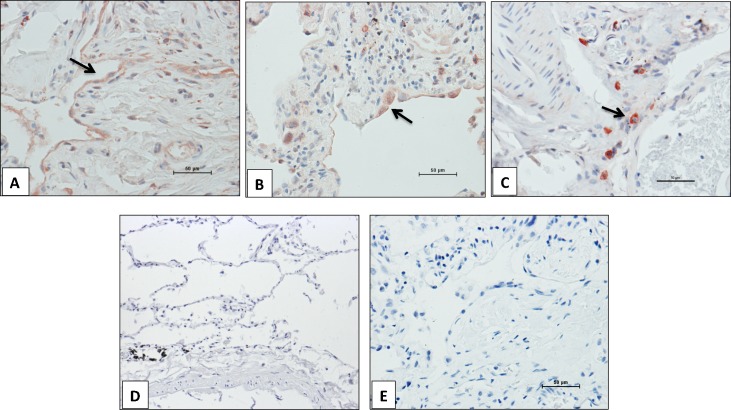
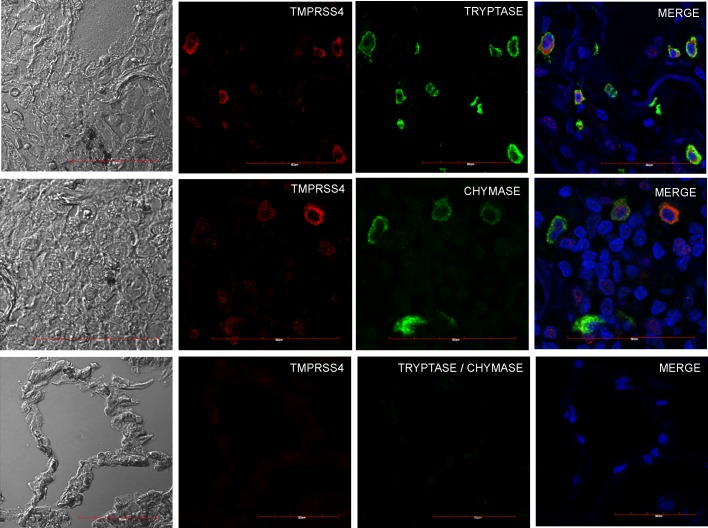
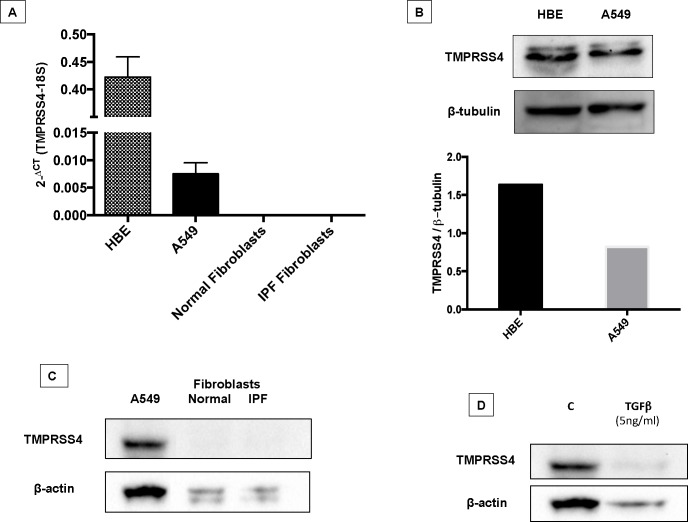
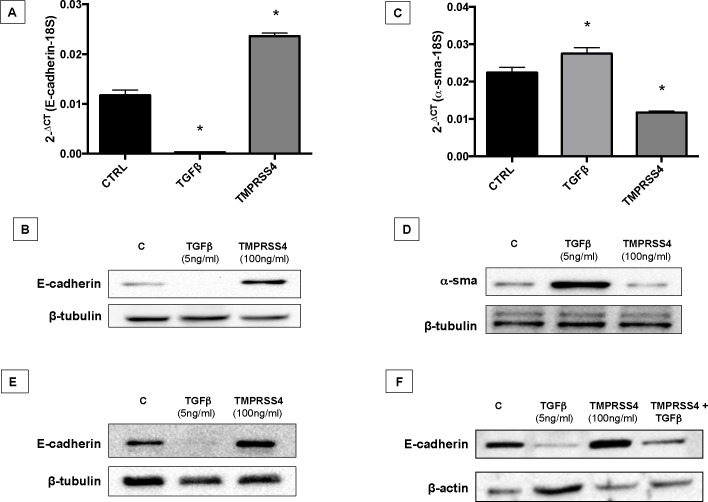
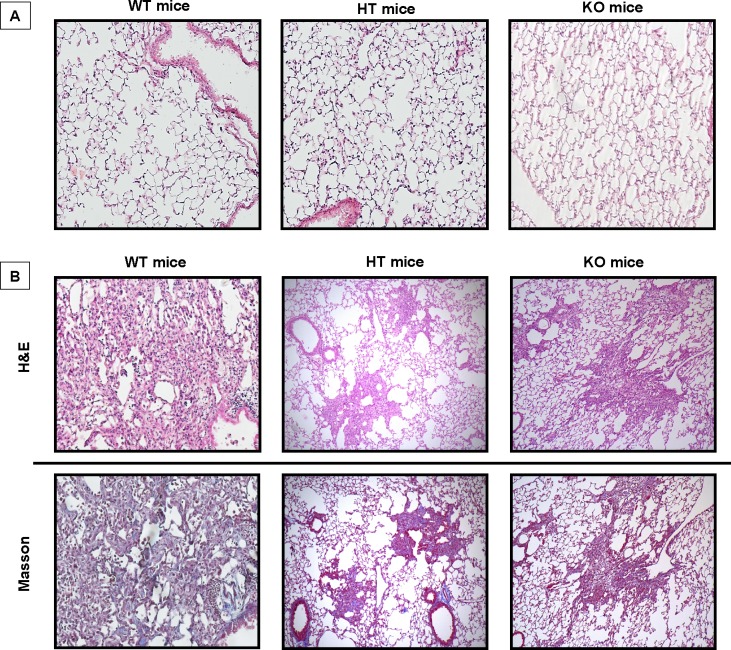
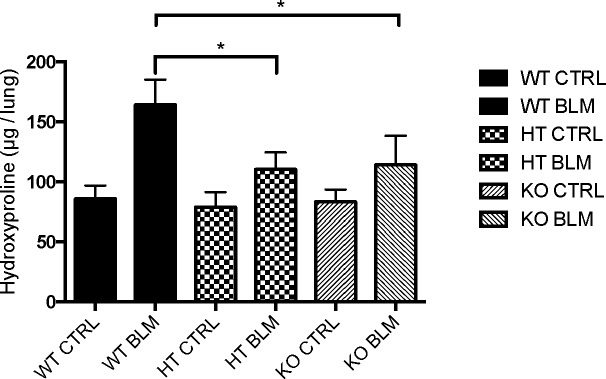
Idiopathic pulmonary fibrosis (IPF) is a chronic and progressive lung disease characterized by epithelial cell activation, expansion of the fibroblast population and excessive extracellular matrix accumulation. The mechanisms are incompletely understood but evidence indicates that the deregulation of several proteases contributes to its pathogenesis. Transmembrane protease serine 4 (TMPRSS4) is a novel type II transmembrane serine protease that may promote migration and facilitate epithelial to mesenchymal transition (EMT), two critical processes in the pathogenesis of IPF. Thus, we hypothesized that over-expression of TMPRSS4 in the lung could promote the initiation and/or progression of IPF. In this study we first evaluated the expression and localization of TMPRSS4 in IPF lungs by real time PCR, western blot and immunohistochemistry. Then we examined the lung fibrotic response in wild-type and TMPRSS4 deficient mice using the bleomycin-induced lung injury model. We found that this protease is upregulated in IPF lungs, where was primarily expressed by epithelial and mast cells. Paralleling the findings in vivo, TMPRSS4 was expressed by alveolar and bronchial epithelial cells in vitro and unexpectedly, provoked an increase of E-cadherin. No expression was observed in normal human or IPF lung fibroblasts. The lung fibrotic response evaluated at 28 days after bleomycin injury was markedly attenuated in the haplodeficient and deficient TMPRSS4 mice. By morphology, a significant reduction of the fibrotic index was observed in KO and heterozygous mice which was confirmed by measurement of collagen content (hydroxyproline: WT: 164±21.1 μg/lung versus TMPRSS4 haploinsufficient: 110.2±14.3 μg/lung and TMPRSS4 deficient mice: 114.1±24.2 μg/lung (p<0.01). As in IPF, TMPRSS4 was also expressed in epithelial and mast cells. These findings indicate that TMPRSS4 is upregulated in IPF lungs and that may have a profibrotic role.
特发性肺纤维化(IPF)是一种慢性、进行性肺部疾病,其特征为上皮细胞激活、成纤维细胞群体扩增和细胞外基质过度积累。其发病机制尚不完全清楚,但有证据表明,几种蛋白酶的失调有助于其发病机制。跨膜丝氨酸蛋白酶 4(TMPRSS4)是一种新型的 II 型跨膜丝氨酸蛋白酶,可能促进迁移并促进上皮细胞向间充质转化(EMT),这是 IPF 发病机制中的两个关键过程。因此,我们假设肺中 TMPRSS4 的过表达可能促进 IPF 的起始和/或进展。在这项研究中,我们首先通过实时 PCR、western blot 和免疫组织化学评估了 TMPRSS4 在 IPF 肺中的表达和定位。然后,我们使用博来霉素诱导的肺损伤模型检查了野生型和 TMPRSS4 缺陷型小鼠的肺纤维化反应。我们发现该蛋白酶在 IPF 肺中上调,主要由上皮细胞和肥大细胞表达。与体内发现相一致,TMPRSS4 在体外由肺泡和支气管上皮细胞表达,出人意料的是,TMPRSS4 可引起 E-钙黏蛋白的增加。在正常人和 IPF 肺成纤维细胞中未观察到表达。博来霉素损伤后 28 天评估的肺纤维化反应在半合子缺陷和 TMPRSS4 缺陷小鼠中明显减弱。通过形态学观察,在 KO 和杂合子小鼠中观察到纤维化指数显著降低,通过胶原蛋白含量(羟脯氨酸:WT:164±21.1 μg/肺与 TMPRSS4 半合子不足:110.2±14.3 μg/肺和 TMPRSS4 缺陷小鼠:114.1±24.2 μg/肺(p<0.01))。与 IPF 一样,TMPRSS4 也在上皮细胞和肥大细胞中表达。这些发现表明 TMPRSS4 在 IPF 肺中上调,并可能具有促纤维化作用。