Department of Pathogenobiology, College of Basic Medical Sciences, Jilin University, 126 Xinmin Street, Changchun, 130021, Jilin Province, China.
Cancer Med. 2018 Apr;7(4):1416-1429. doi: 10.1002/cam4.1410. Epub 2018 Mar 13.
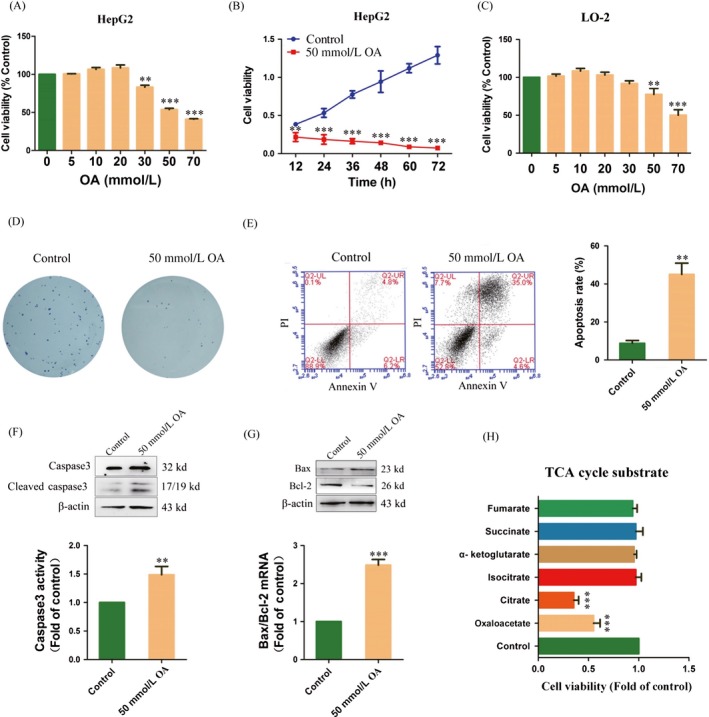
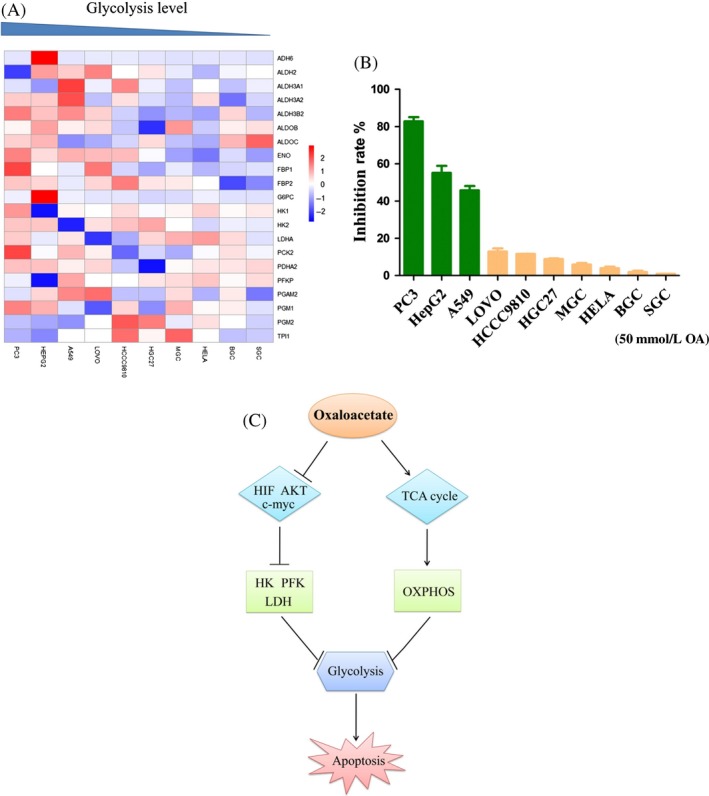
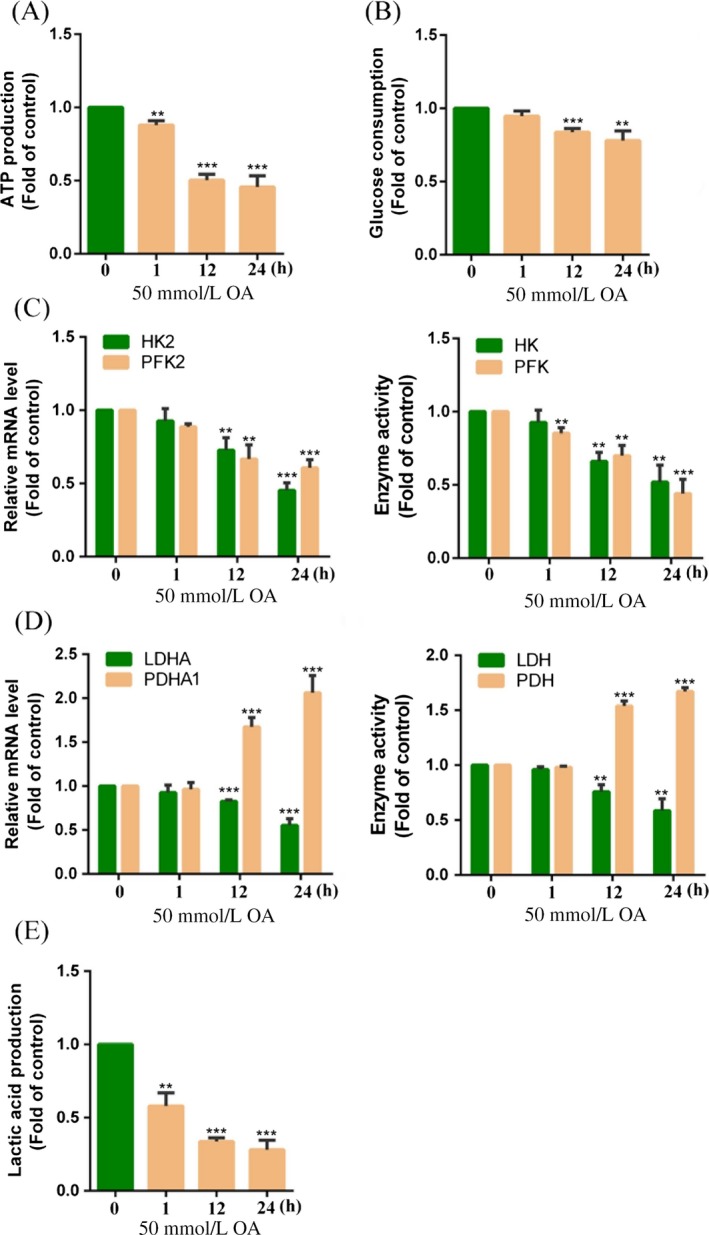
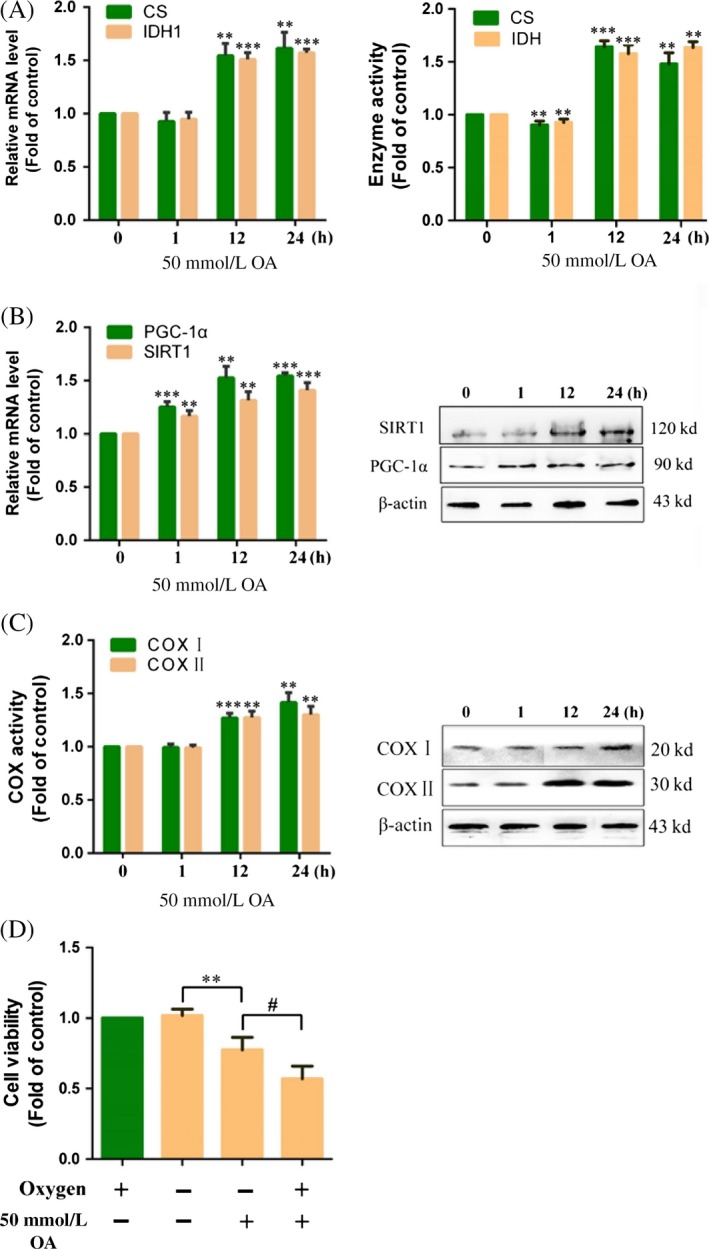
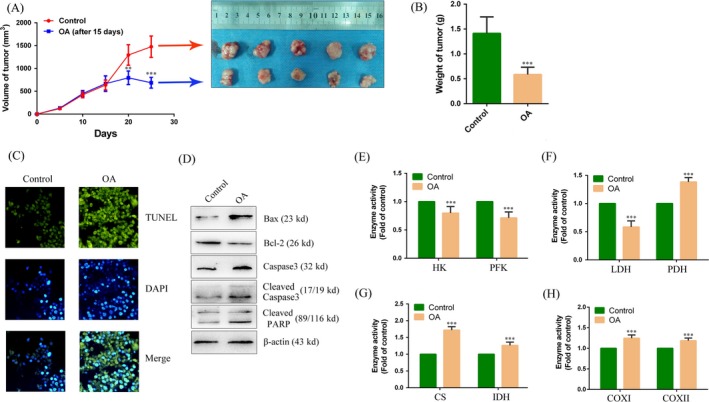
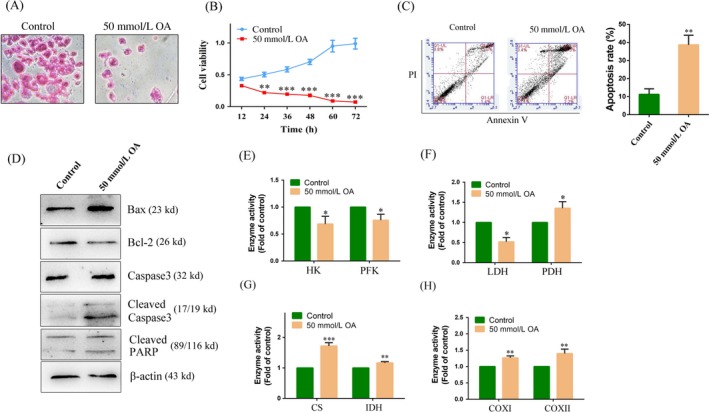
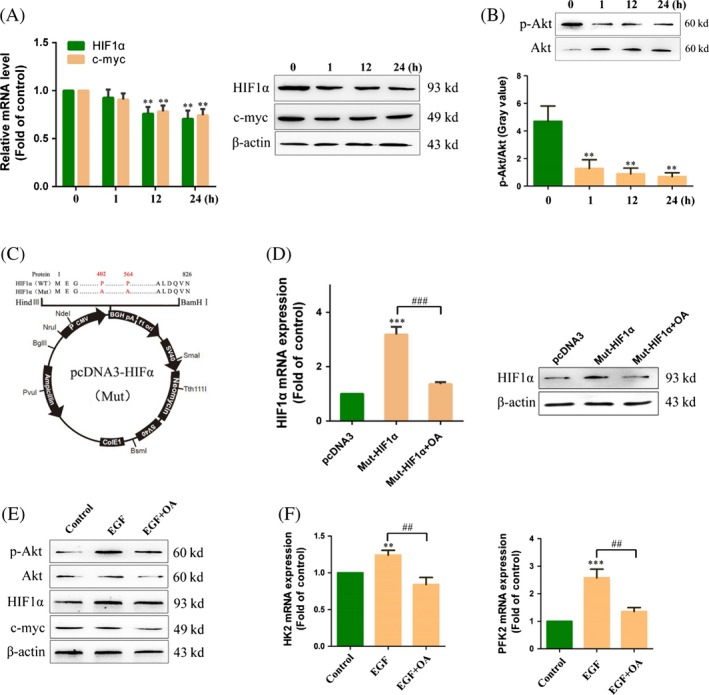
Most cancer cells perform glycolysis despite having sufficient oxygen. The specific metabolic pathways of cancer cells have become the focus of cancer treatment. Recently, accumulating evidence indicates oxidative phosphorylation (OXPHOS) and glycolysis can be regulated with each other. Thus, we suggest that the glycolysis of cancer cells is inhibited by restoring or improving OXPHOS in cancer cells. In our study, we found that oxaloacetate (OA) induced apoptosis in HepG2 cells in vivo and in vitro. Meanwhile, we found that OA induced a decrease in the energy metabolism of HepG2 cells. Further results showed that the expression and activity of glycolytic enzymes were decreased with OA treatment. Conversely, the expression and activity of enzymes involved in the TCA cycle and OXPHOS were increased with OA treatment. The results indicate that OA can inhibit glycolysis through enhancement of OXPHOS. In addition, OA-mediated suppression of HIF1α, p-Akt, and c-myc led to a decrease in glycolysis level. Therefore, OA has the potential to be a novel anticancer drug.
大多数癌细胞即使有足够的氧气也会进行糖酵解。癌细胞的特定代谢途径已成为癌症治疗的重点。最近,越来越多的证据表明氧化磷酸化(OXPHOS)和糖酵解可以相互调节。因此,我们建议通过恢复或改善癌细胞中的 OXPHOS 来抑制癌细胞的糖酵解。在我们的研究中,我们发现草酰乙酸(OA)在体内和体外诱导 HepG2 细胞凋亡。同时,我们发现 OA 诱导 HepG2 细胞的能量代谢下降。进一步的结果表明,随着 OA 处理,糖酵解酶的表达和活性降低。相反,随着 OA 处理,三羧酸循环和 OXPHOS 相关酶的表达和活性增加。结果表明,OA 可以通过增强 OXPHOS 来抑制糖酵解。此外,OA 介导的 HIF1α、p-Akt 和 c-myc 的抑制导致糖酵解水平降低。因此,OA 有可能成为一种新型的抗癌药物。