Wei Yongjun, Zhang Lei, Zhou Zhihua, Yan Xing
Key Laboratory of Synthetic Biology, Institute of Plant Physiology and Ecology, Shanghai Institutes for Biological Sciences, Chinese Academy of Sciences (CAS), Shanghai, China.
Front Microbiol. 2018 Feb 27;9:295. doi: 10.3389/fmicb.2018.00295. eCollection 2018.
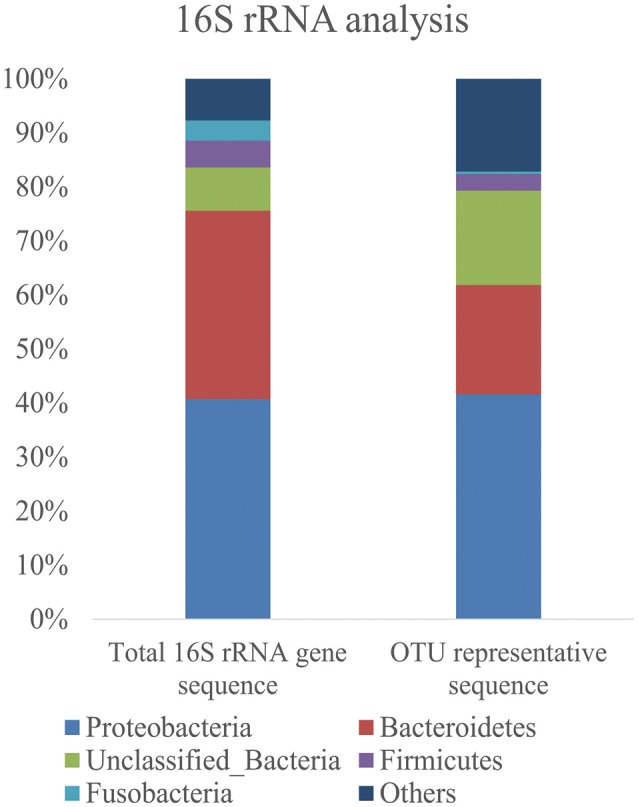
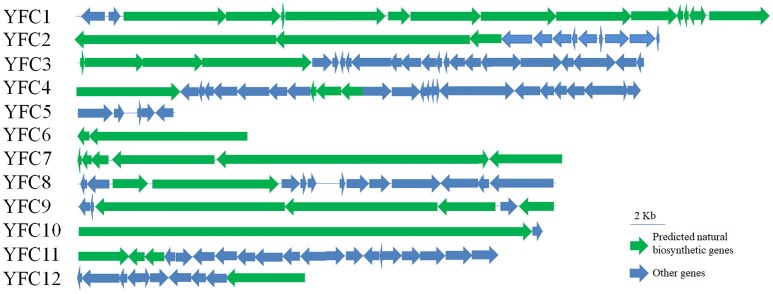
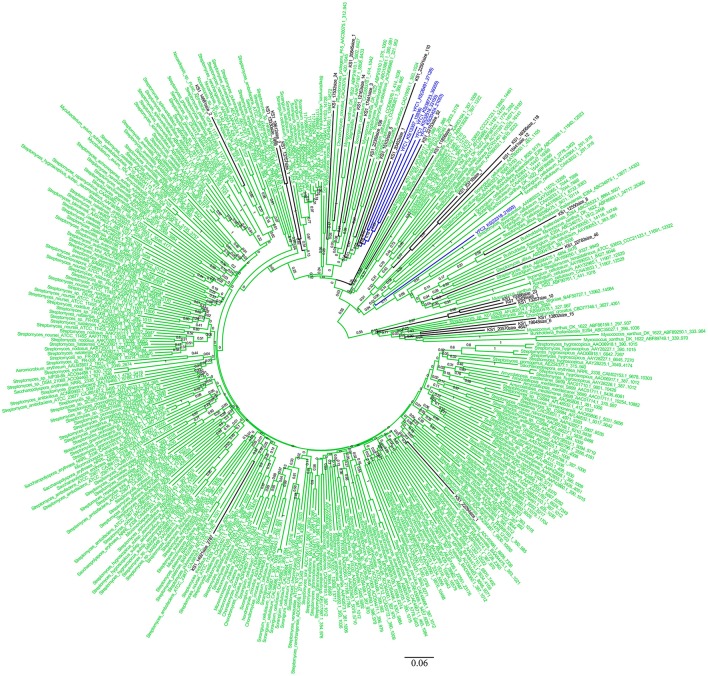
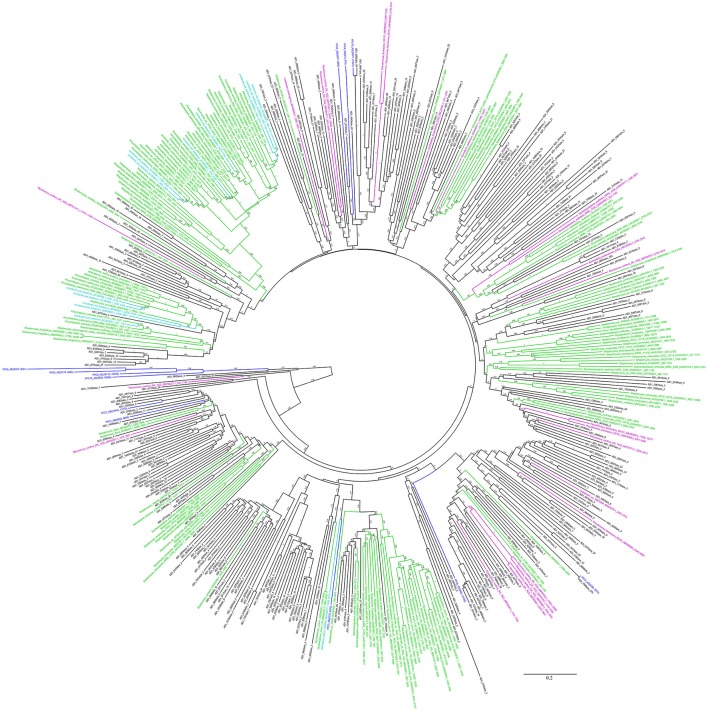
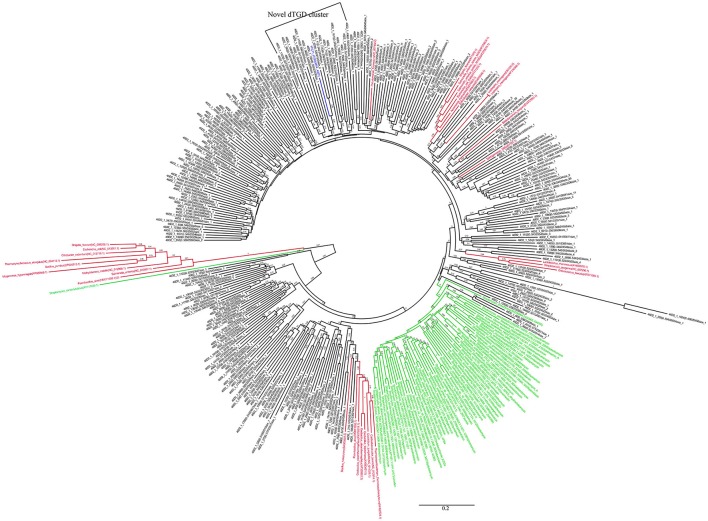
Polyketides (PKs) and nonribosomal peptides (NRPs) are widely applied as drugs in use today, and one potential source for novel PKs and NRPs is the marine sediment microbes. However, the diversities of microbes and their PKs and NRPs biosynthetic genes in the marine sediment are rarely reported. In this study, 16S rRNA gene fragments of the Yellow Sea sediment were analyzed, demonstrating that and accounted for 62% of all the bacterial species and bacteria which were seen as the typical PKs and NRPs producers only accounted for 0.82% of all the bacterial species. At the same time, PKs and NRPs diversities were evaluated based on the diversity of gene fragments of type I polyketide synthase (PKS) ketosynthase domain (KS), nonribosomal peptide synthetase (NRPS) adenylation domain (AD), and dTDP-glucose-4,6-dehydratase (dTGD). The results showed that AD genes and dTGD genes were abundant and some of them had less than 50% identities with known ones; By contrast, only few KS genes were identified and most of them had more than 60% identities with known KS genes. Moreover, one 70,000-fosmid clone library was further constructed to screen for fosmid clones harboring PKS or NRPS gene clusters of the Yellow Sea sediment. Nine selected fosmid clones harboring KS or AD were sequenced, and three of the clones were assigned to . Though only few 16S rRNA gene sequences were detected in the microbial community, five of the screened fosmid clones were assigned to . Further assembly of the 9 fosmid clones resulted in 11 contigs harboring PKS, NRPS or hybrid NPRS-PKS gene clusters. These gene clusters showed less than 60% identities with the known ones and might synthesize novel natural products. Taken together, we revealed the diversity of microbes in the Yellow Sea sediments and found that most of the microbes were uncultured. Besides, evaluation of PKS and NRPS biosynthetic gene clusters suggested that the marine sediment might have the ability to synthesize novel natural products and more NRPS gene clusters than PKS gene clusters distributed in this environment.
聚酮化合物(PKs)和非核糖体肽(NRPs)是当今广泛应用的药物,海洋沉积物微生物是新型PKs和NRPs的一个潜在来源。然而,海洋沉积物中微生物及其PKs和NRPs生物合成基因的多样性鲜有报道。在本研究中,对黄海沉积物的16S rRNA基因片段进行了分析,结果表明, 和 占所有细菌种类的62%,而被视为典型PKs和NRPs生产者的 细菌仅占所有细菌种类的0.82%。同时,基于I型聚酮合酶(PKS)酮合成酶结构域(KS)、非核糖体肽合成酶(NRPS)腺苷化结构域(AD)和dTDP - 葡萄糖 - 4,6 - 脱水酶(dTGD)的基因片段多样性对PKs和NRPs多样性进行了评估。结果显示,AD基因和dTGD基因丰富,其中一些与已知基因的同源性低于50%;相比之下,仅鉴定出少数KS基因,且大多数与已知KS基因的同源性高于60%。此外,进一步构建了一个70,000个粘粒克隆文库,以筛选含有黄海沉积物PKS或NRPS基因簇的粘粒克隆。对9个筛选出的含有KS或AD的粘粒克隆进行了测序,其中3个克隆被归类为 。尽管在微生物群落中仅检测到少数 16S rRNA基因序列,但筛选出的5个粘粒克隆被归类为 。对这9个粘粒克隆进一步组装得到11个含有PKS、NRPS或混合NPRS - PKS基因簇的重叠群。这些基因簇与已知基因簇的同源性低于60%,可能合成新型天然产物。综上所述,我们揭示了黄海沉积物中微生物的多样性,发现大多数微生物未被培养。此外,对PKS和NRPS生物合成基因簇的评估表明,海洋沉积物可能具有合成新型天然产物的能力,且在该环境中分布的NRPS基因簇比PKS基因簇更多。