Department Biological Anthropology, University Medical Center, Freiburg, Germany.
Department of Environmental Biology, Sapienza Università di Roma, Rome, Italy.
PLoS One. 2018 Mar 19;13(3):e0194073. doi: 10.1371/journal.pone.0194073. eCollection 2018.
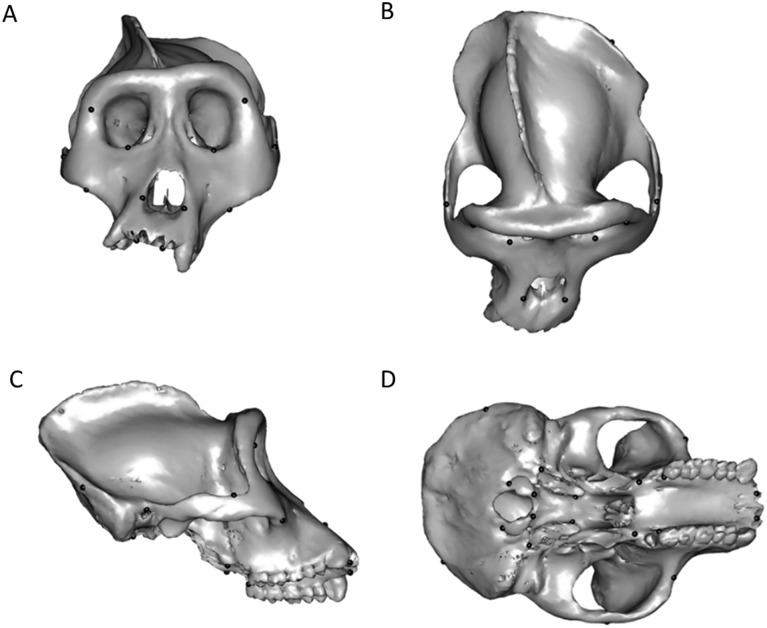
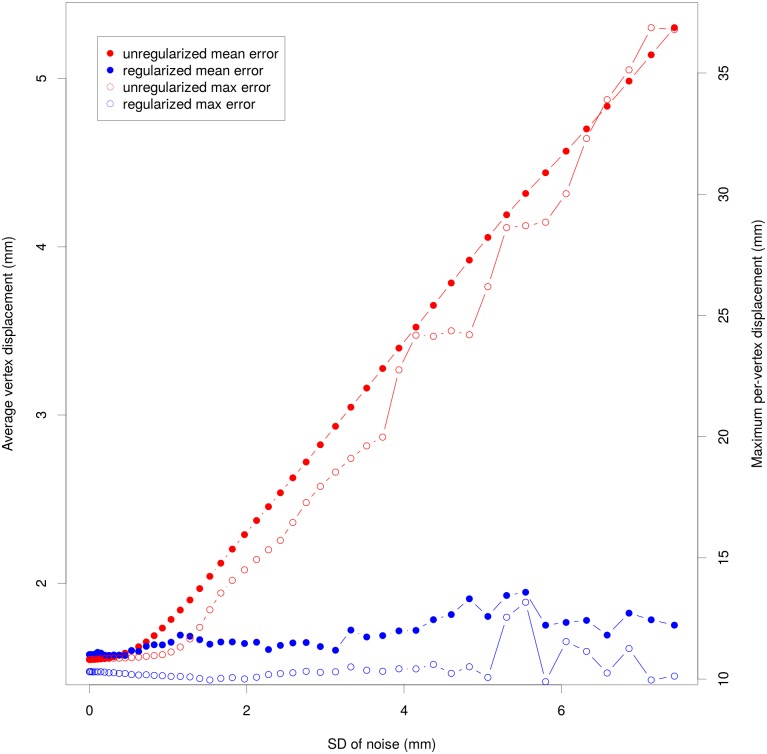
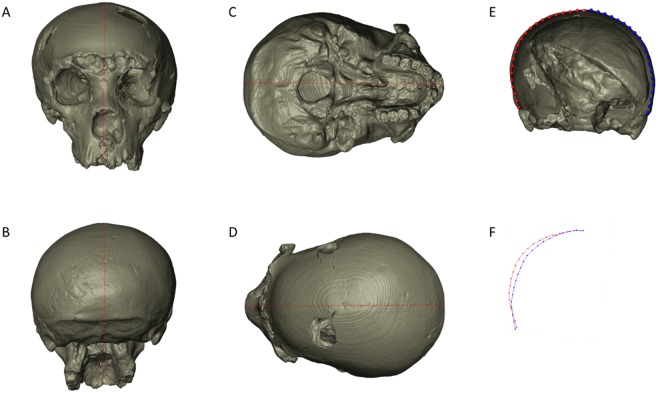
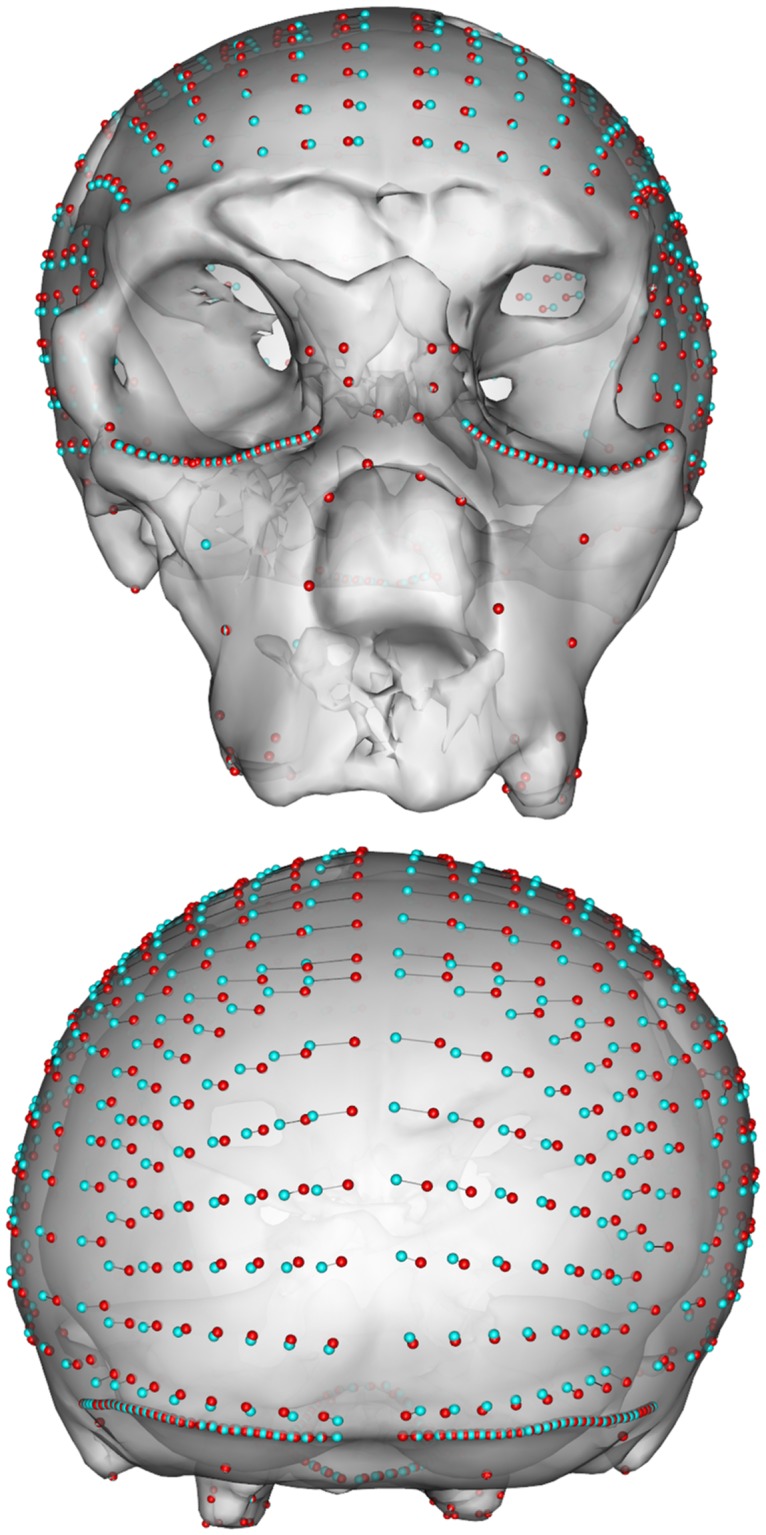
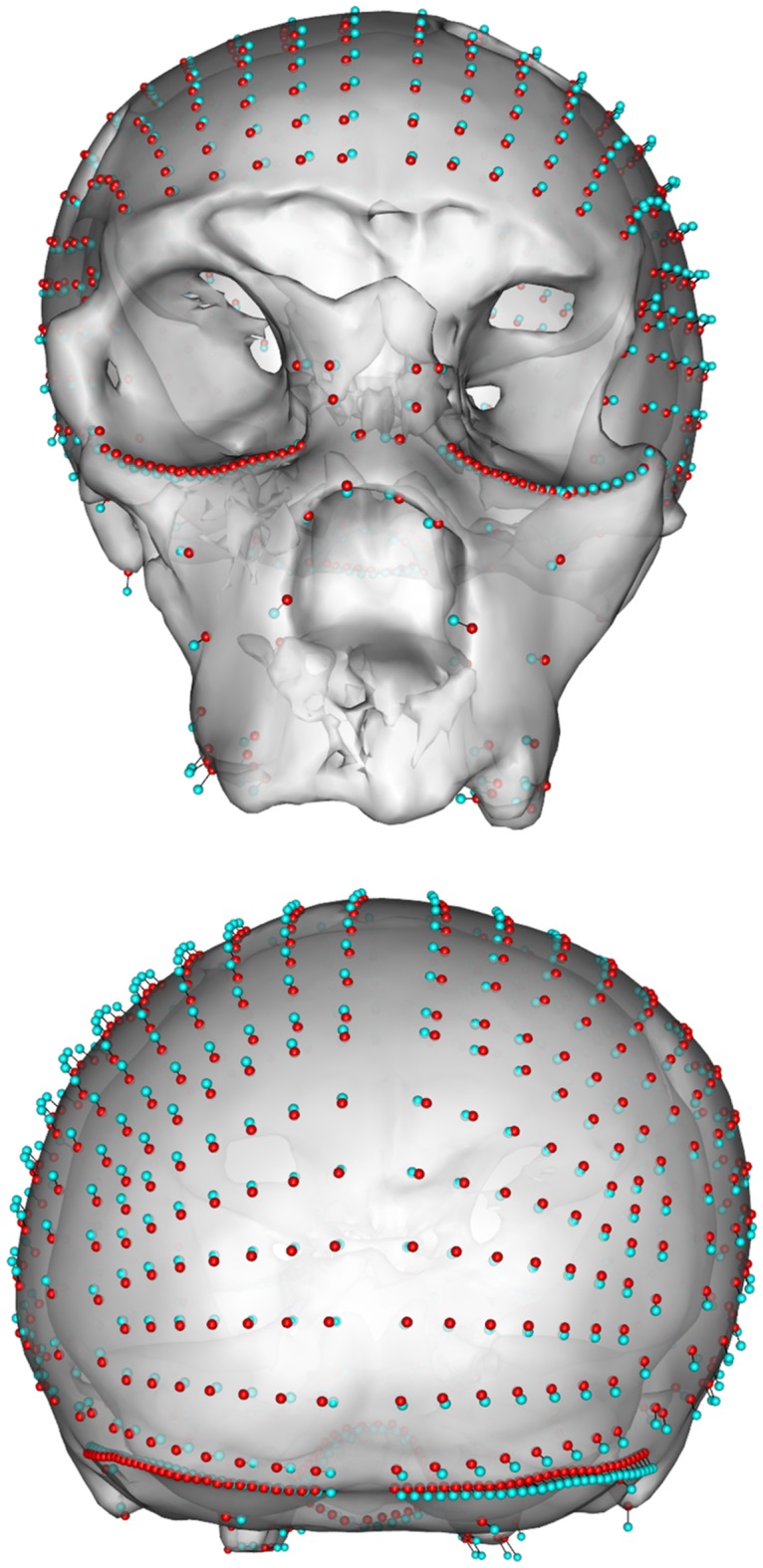
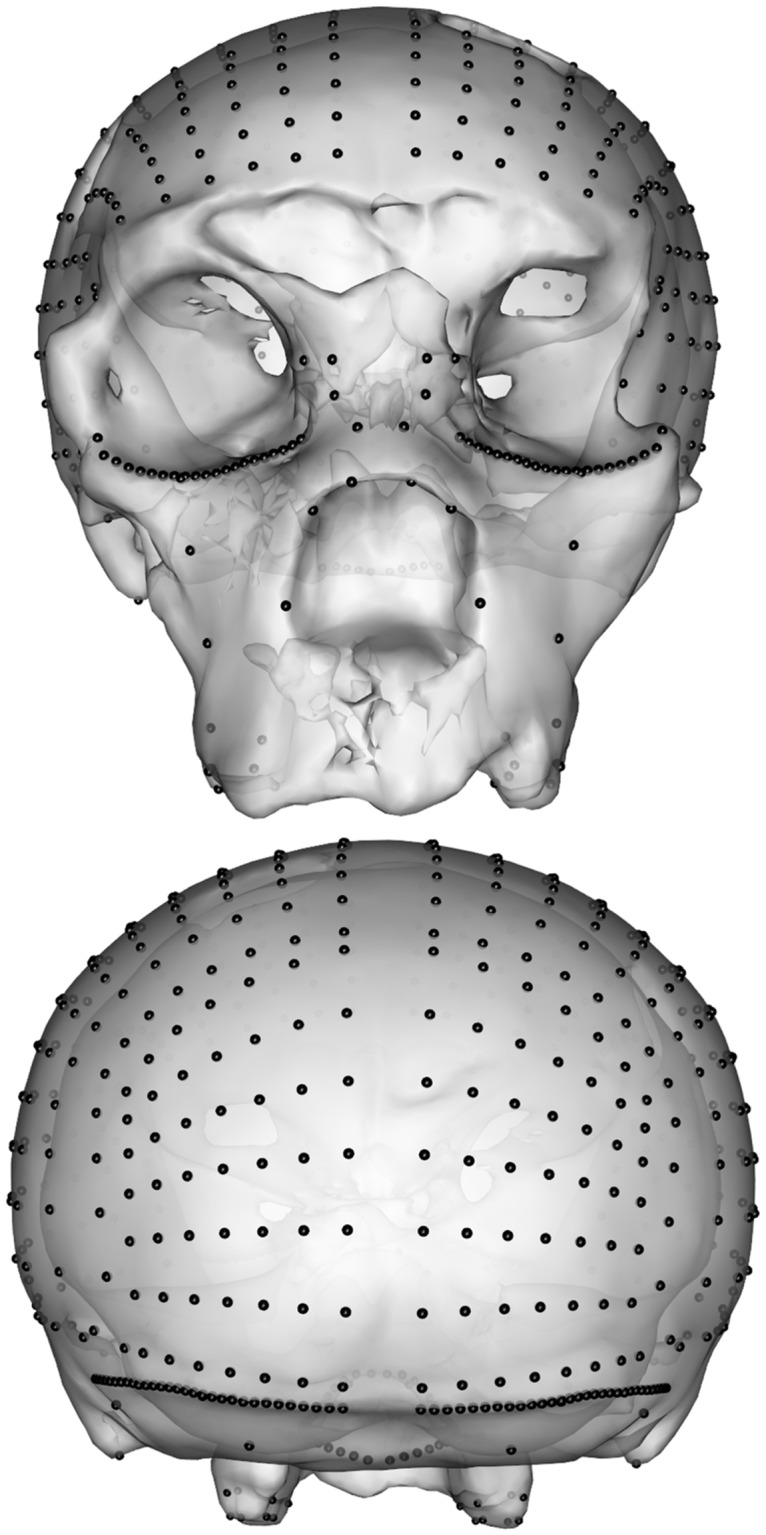
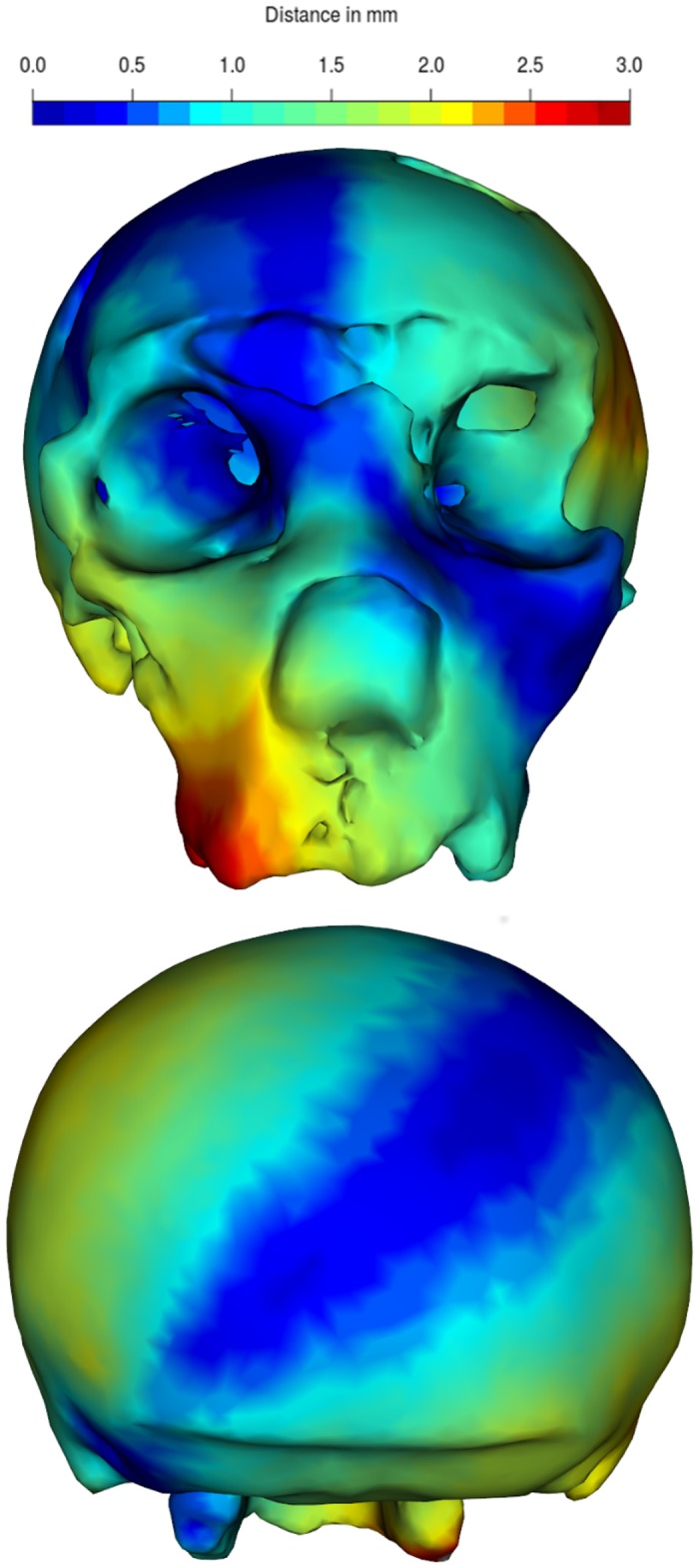
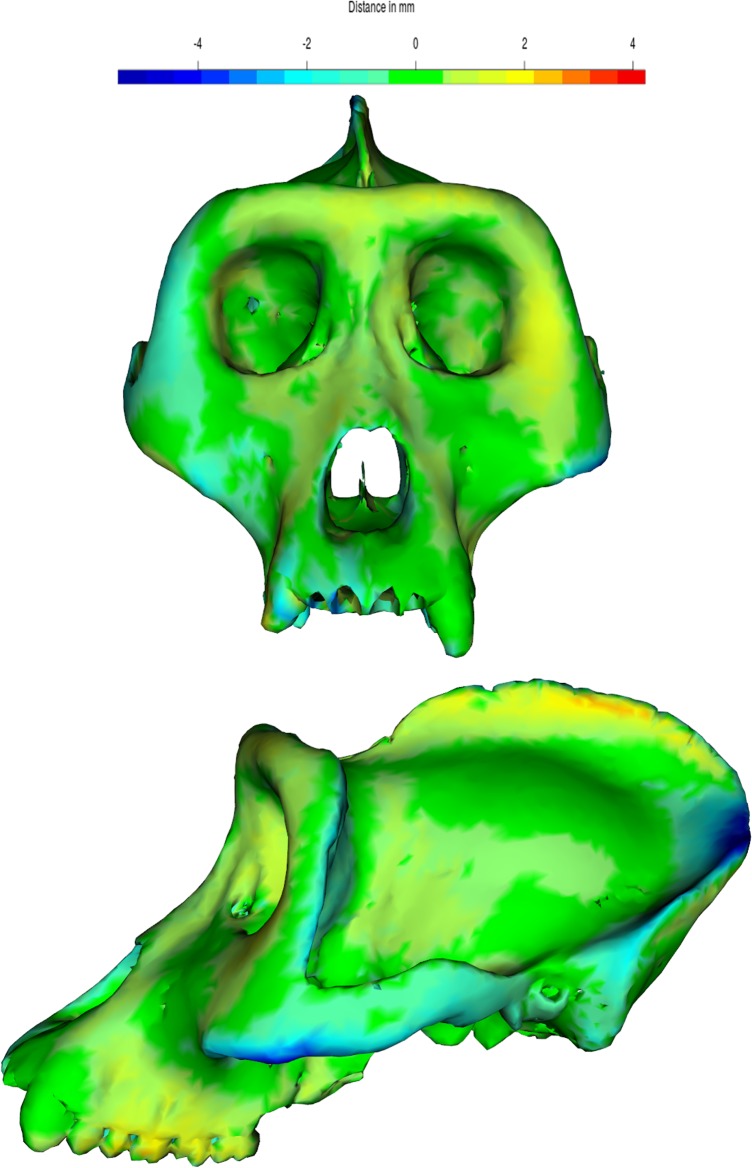
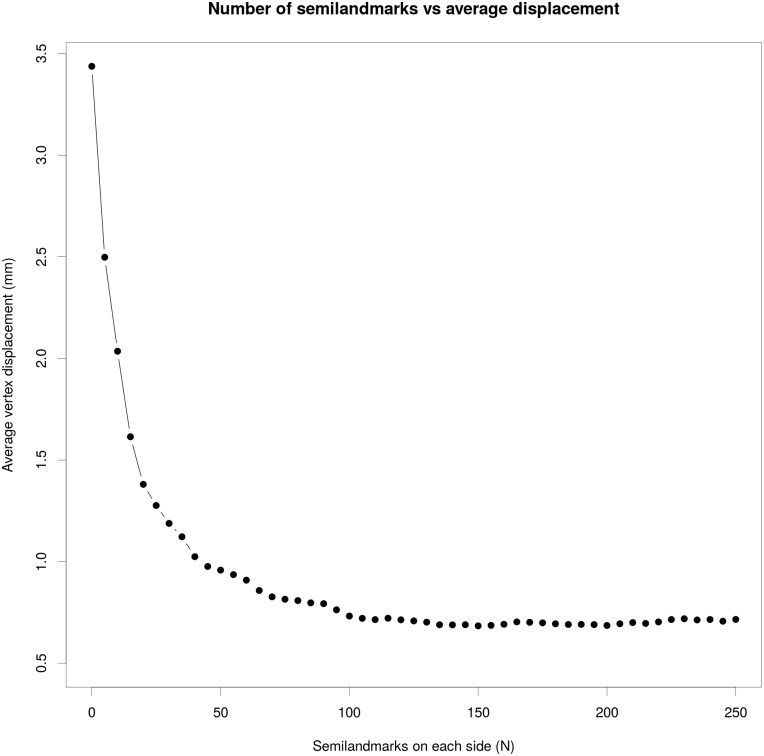
Many fossil specimens exhibit deformations caused by taphonomic processes. Due to these deformations, even important specimens have to be excluded from morphometric analyses, impoverishing an already poor paleontological record. Techniques to retrodeform and virtually restore damaged (i.e. deformed) specimens are available, but these methods genenerally imply the use of a sparse set of bilateral landmarks, ignoring the fact that the distribution and amount of control points directly affects the result of the retrodeformation. We propose a method developed in the R environment and available in the R-package "Morpho" that, in addition to the landmark configurations, also allows using a set of semi-landmarks homogeneously distributed along curves and on surfaces. We evaluated the outcome of the retrodeformation, regarding the number of semi-landmarks used and its robustness against asymmetric noise, based on simulations using a virtually deformed gorilla cranium. Finally, we applied the method to a well-known Neanderthal cranium that exhibits signs of taphonomically induced asymmetry.
许多化石标本都表现出因埋藏学过程而产生的变形。由于这些变形,即使是重要的标本也不得不被排除在形态计量分析之外,从而使本已贫瘠的古生物学记录更加匮乏。虽然有用于反向变形和虚拟修复受损(即变形)标本的技术,但这些方法通常只使用少量的双侧标志点,而忽略了这样一个事实,即控制点的分布和数量直接影响反向变形的结果。我们提出了一种在 R 环境中开发并在 R 包“Morpho”中可用的方法,该方法除了标志点配置外,还允许使用一组沿曲线和曲面均匀分布的半标志点。我们根据使用虚拟变形大猩猩颅骨进行的模拟,评估了反向变形的结果,包括使用的半标志点数及其对非对称噪声的稳健性。最后,我们将该方法应用于一个著名的尼安德特人头骨,该头骨显示出埋藏学诱导的不对称的迹象。