Division of Comparative Medicine, Massachusetts Institute of Technology, Cambridge, Massachusetts, United States of America.
Whitehead Institute for Biomedical Research, Cambridge, Massachusetts, United States of America.
PLoS One. 2018 Mar 19;13(3):e0194443. doi: 10.1371/journal.pone.0194443. eCollection 2018.
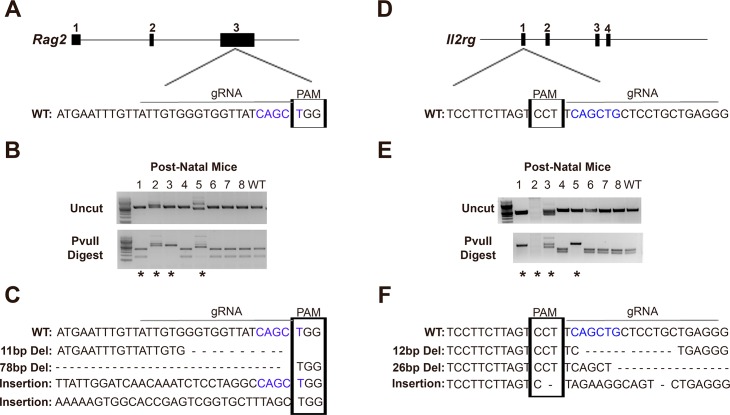
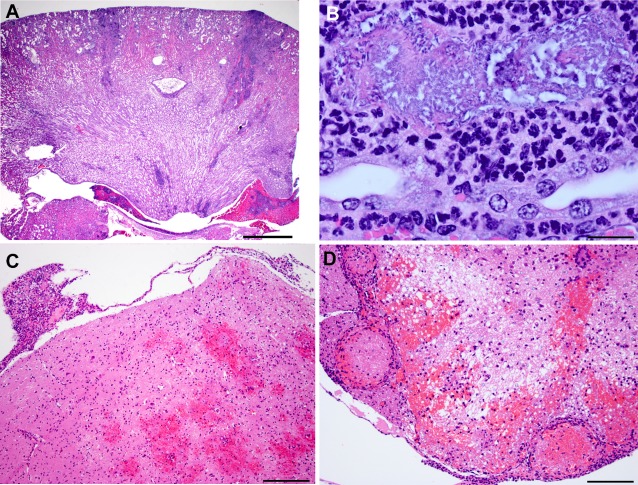
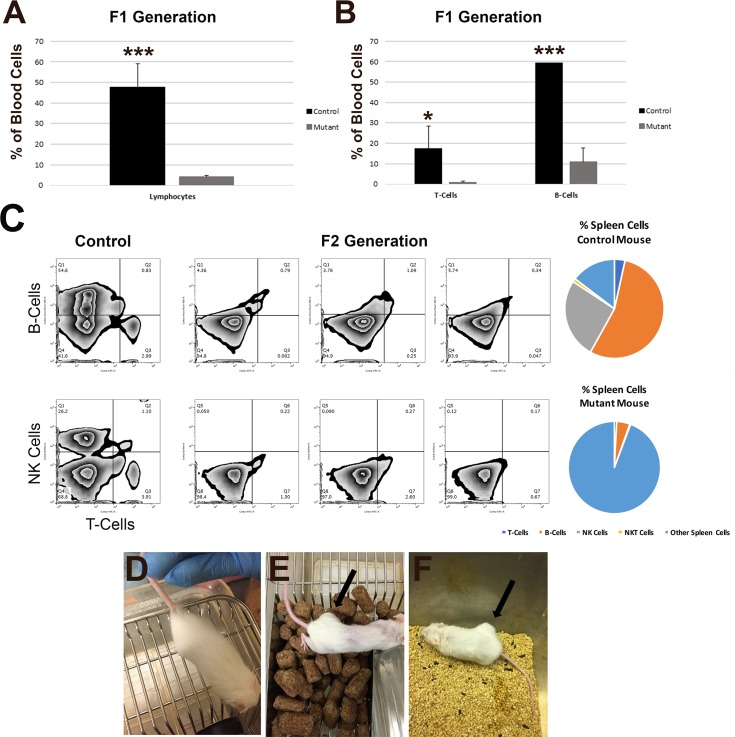
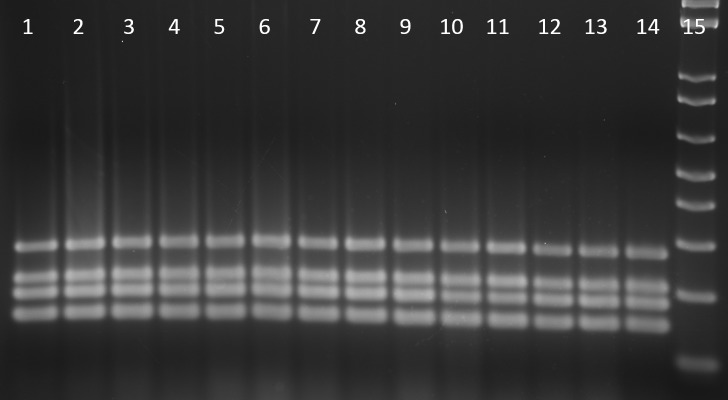
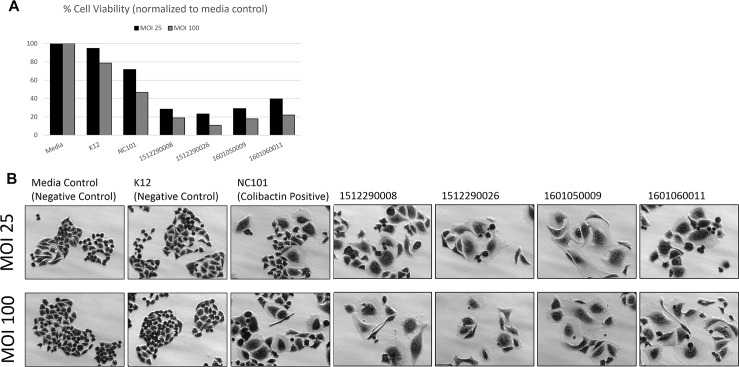
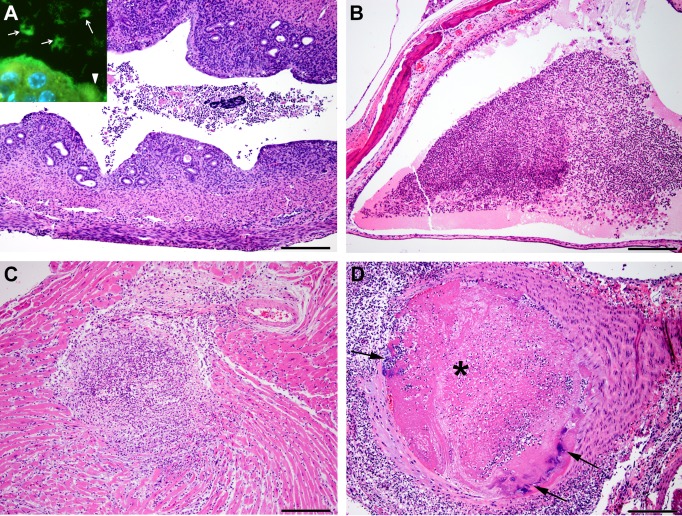
Immune-compromised mouse models allow for testing the preclinical efficacy of human cell transplantations and gene therapy strategies before moving forward to clinical trials. However, CRISPR/Cas9 gene editing of the Wsh/Wsh mouse strain to create an immune-compromised model lacking function of Rag2 and Il2rγ led to unexpected morbidity and mortality. This warranted an investigation to ascertain the cause and predisposing factors associated with the outbreak. Postmortem examination was performed on 15 moribund mice. The main lesions observed in these mice consisted of ascending urogenital tract infections, suppurative otitis media, pneumonia, myocarditis, and meningoencephalomyelitis. As Escherichia coli strains harboring polyketide synthase (pks) genomic island were recently isolated from laboratory mice, the tissue sections from the urogenital tract, heart, and middle ear were subjected to E. coli specific PNA-FISH assay that revealed discrete colonies of E. coli associated with the lesions. Microbiological examination and 16S rRNA sequencing confirmed E. coli-induced infection and septicemia in the affected mice. Further characterization by clb gene analysis and colibactin toxicity assays of the pks+ E. coli revealed colibactin-associated cytotoxicity. Rederivation of the transgenic mice using embryo transfer produced mice with an intestinal flora devoid of pks+ E. coli. Importantly, these barrier-maintained rederived mice have produced multiple litters without adverse health effects. This report is the first to describe acute morbidity and mortality associated with pks+ E. coli urosepsis and meningitis in immunocompromised mice, and highlights the importance of monitoring and exclusion of colibactin-producing pks+ E. coli.
免疫功能低下的小鼠模型允许在进行临床试验之前,测试人类细胞移植和基因治疗策略的临床前疗效。然而,对 Wsh/Wsh 小鼠品系进行 CRISPR/Cas9 基因编辑以创建缺乏 Rag2 和 Il2rγ 功能的免疫功能低下模型,导致了意外的发病率和死亡率。这需要进行调查,以确定与疫情爆发相关的原因和易患因素。对 15 只病危的小鼠进行了尸检。在这些小鼠中观察到的主要病变包括上行泌尿生殖道感染、化脓性中耳炎、肺炎、心肌炎和脑膜脑炎。由于最近从实验小鼠中分离出了携带聚酮合酶(pks)基因组岛的大肠杆菌菌株,因此对泌尿生殖道、心脏和中耳的组织切片进行了针对大肠杆菌的 PNA-FISH 检测,显示与病变相关的大肠杆菌离散菌落。微生物学检查和 16S rRNA 测序证实了受影响小鼠的大肠杆菌感染和败血症。通过 clb 基因分析和 colibactin 毒性试验进一步表征 pks+大肠杆菌,揭示了 colibactin 相关的细胞毒性。使用胚胎转移对转基因小鼠进行再衍生,产生了缺乏 pks+大肠杆菌的肠道菌群的小鼠。重要的是,这些保持屏障的再衍生小鼠已经成功繁殖了多胎,没有健康不良影响。本报告首次描述了免疫功能低下小鼠中 pks+大肠杆菌尿脓毒症和脑膜炎相关的急性发病率和死亡率,并强调了监测和排除产 colibactin 的 pks+大肠杆菌的重要性。