Department of Experimental Medical Science, Section for Immunology, Lund University, Lund, Sweden.
Department of Laboratory Medicine, Section for Medical Microbiology, Lund University, Sweden.
PLoS Pathog. 2018 Mar 26;14(3):e1006969. doi: 10.1371/journal.ppat.1006969. eCollection 2018 Mar.
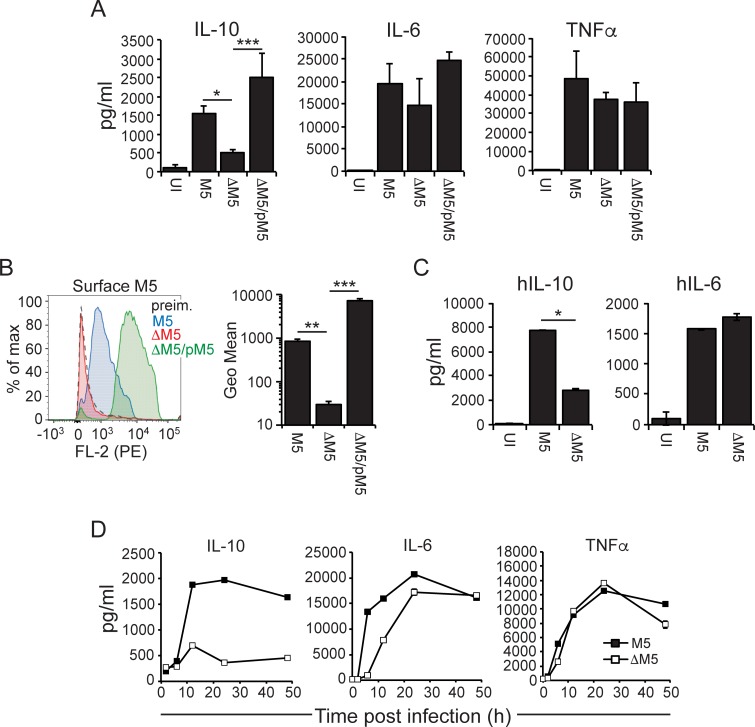
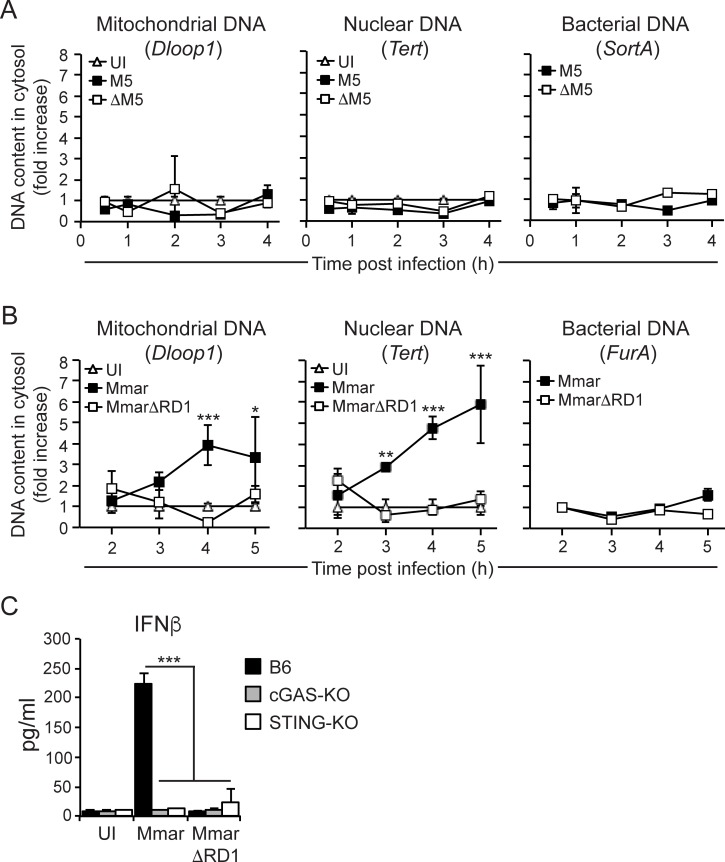
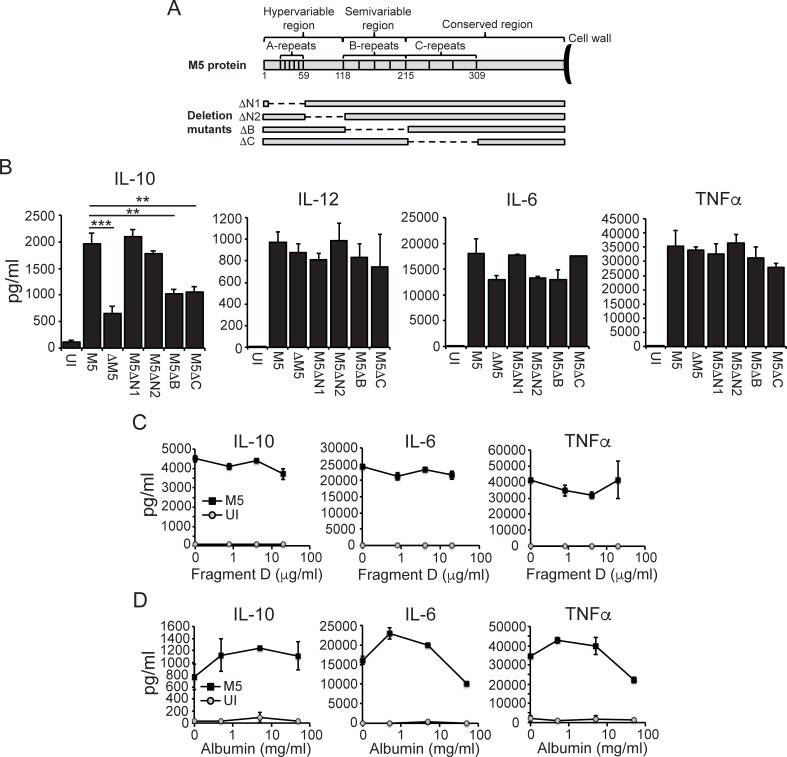
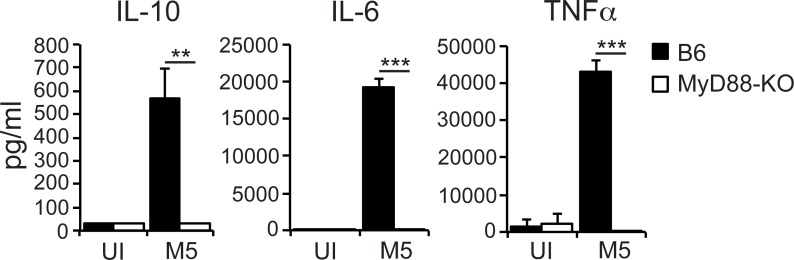
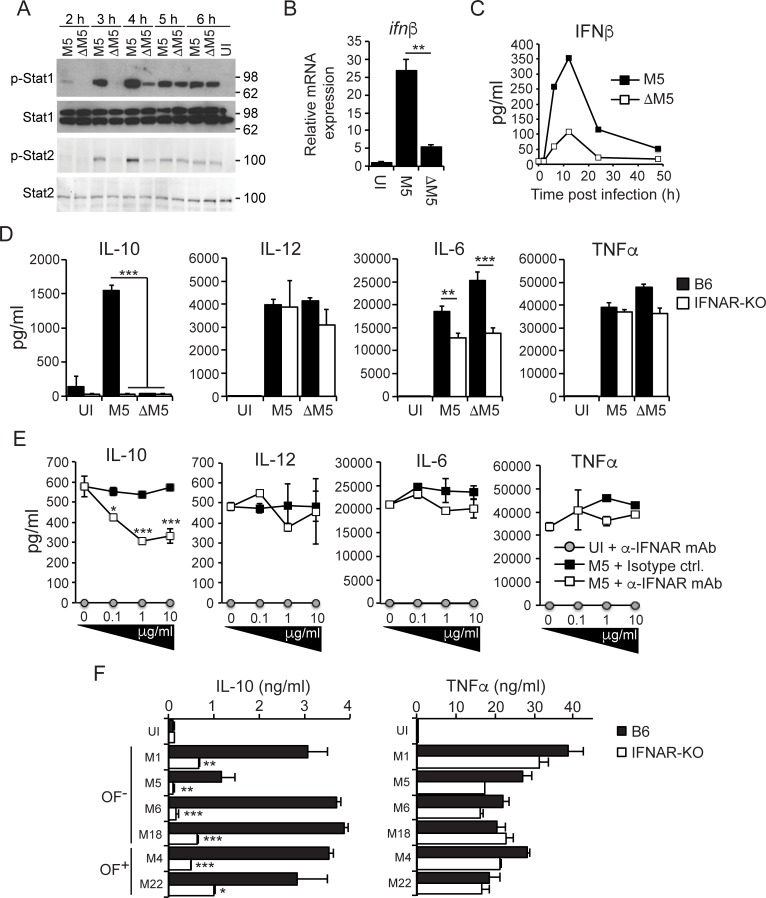
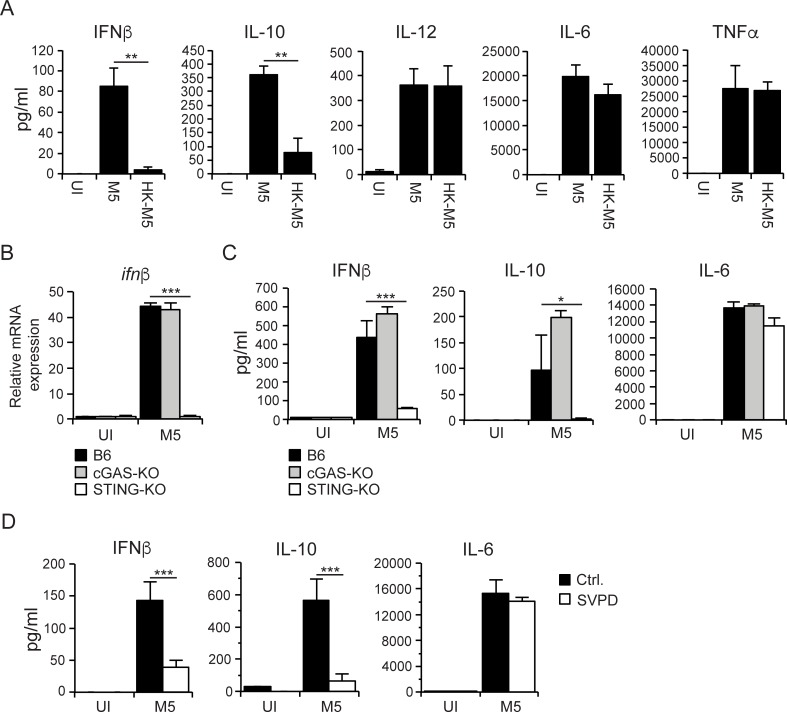
From an evolutionary point of view a pathogen might benefit from regulating the inflammatory response, both in order to facilitate establishment of colonization and to avoid life-threatening host manifestations, such as septic shock. In agreement with this notion Streptococcus pyogenes exploits type I IFN-signaling to limit detrimental inflammation in infected mice, but the host-pathogen interactions and mechanisms responsible for induction of the type I IFN response have remained unknown. Here we used a macrophage infection model and report that S. pyogenes induces anti-inflammatory IL-10 in an M protein-dependent manner, a function that was mapped to the B- and C-repeat regions of the M5 protein. Intriguingly, IL-10 was produced downstream of type I IFN-signaling, and production of type I IFN occurred via M protein-dependent activation of the STING signaling pathway. Activation of STING was independent of the cytosolic double stranded DNA sensor cGAS, and infection did not induce detectable release into the cytosol of either mitochondrial, nuclear or bacterial DNA-indicating DNA-independent activation of the STING pathway in S. pyogenes infected macrophages. These findings provide mechanistic insight concerning how S. pyogenes induces the type I IFN response and identify a previously unrecognized macrophage-modulating role for the streptococcal M protein that may contribute to curb the inflammatory response to infection.
从进化的角度来看,病原体可能会受益于调节炎症反应,既有利于定植的建立,也有利于避免宿主致命的表现,如感染性休克。与这一观点一致,酿脓链球菌利用 I 型干扰素信号通路来限制感染小鼠的有害炎症,但宿主-病原体相互作用和诱导 I 型干扰素反应的机制仍不清楚。在这里,我们使用巨噬细胞感染模型,并报告酿脓链球菌以 M 蛋白依赖性方式诱导抗炎性的白细胞介素-10(IL-10),该功能映射到 M5 蛋白的 B 重复区和 C 重复区。有趣的是,IL-10 是在 I 型干扰素信号通路的下游产生的,而 I 型干扰素的产生是通过 M 蛋白依赖性激活 STING 信号通路发生的。STING 的激活不依赖于胞质双链 DNA 传感器 cGAS,并且感染不会诱导细胞质中检测到线粒体、核或细菌 DNA 的释放,这表明在酿脓链球菌感染的巨噬细胞中 STING 通路的激活是 DNA 非依赖性的。这些发现提供了有关酿脓链球菌如何诱导 I 型干扰素反应的机制见解,并确定了链球菌 M 蛋白以前未被认识到的巨噬细胞调节作用,这可能有助于抑制感染引起的炎症反应。