Cheonan Public Health Center, Chungnam, Republic of Korea.
Department of Community Health, Korea Health Promotion Institute, Seoul, Republic of Korea.
Biomed Res Int. 2018 Jan 16;2018:2914280. doi: 10.1155/2018/2914280. eCollection 2018.
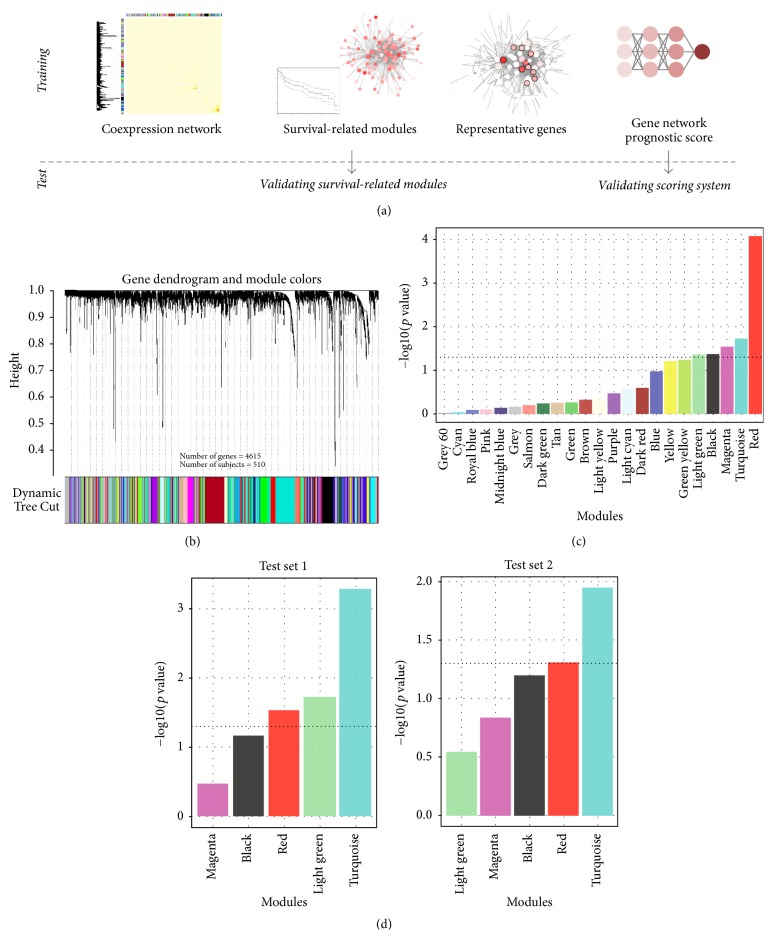
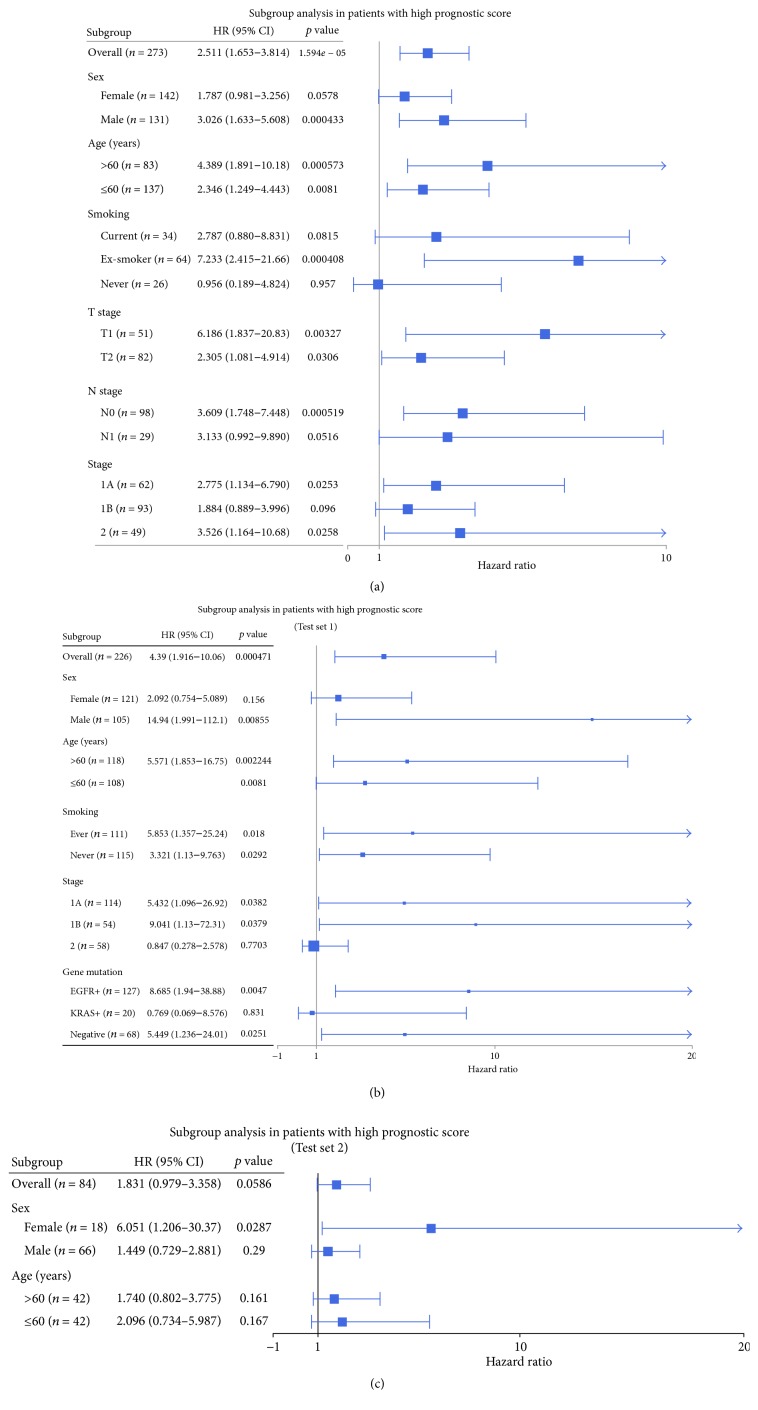
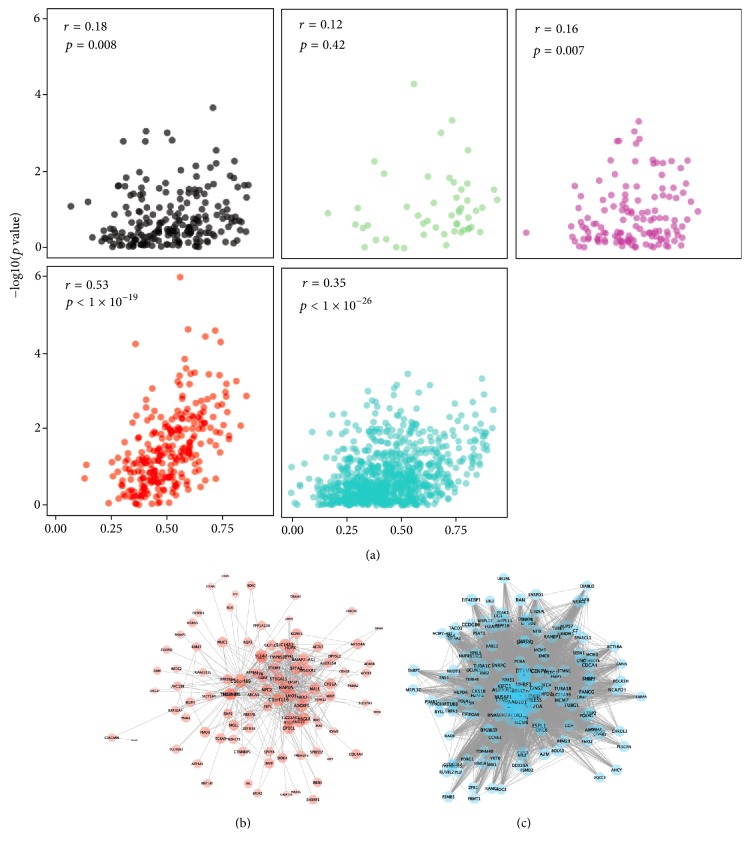
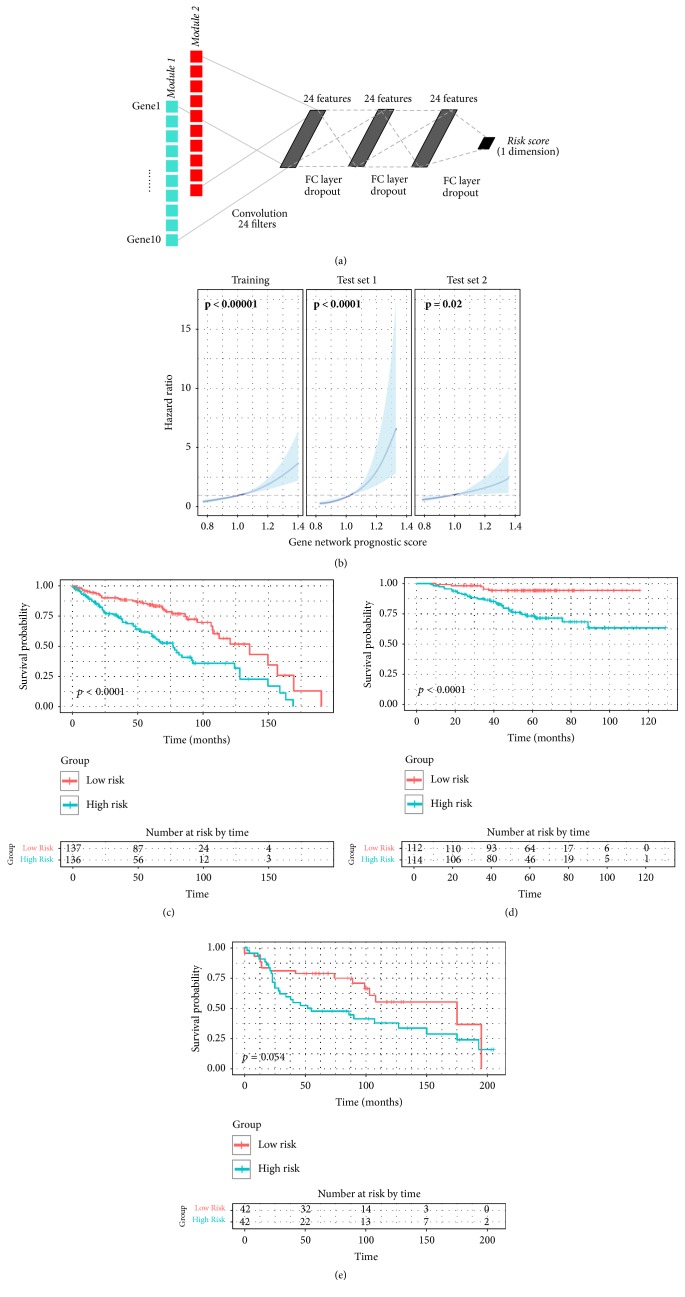
Risk stratification model for lung cancer with gene expression profile is of great interest. Instead of previous models based on individual prognostic genes, we aimed to develop a novel system-level risk stratification model for lung adenocarcinoma based on gene coexpression network. Using multiple microarray, gene coexpression network analysis was performed to identify survival-related networks. A deep learning based risk stratification model was constructed with representative genes of these networks. The model was validated in two test sets. Survival analysis was performed using the output of the model to evaluate whether it could predict patients' survival independent of clinicopathological variables. Five networks were significantly associated with patients' survival. Considering prognostic significance and representativeness, genes of the two survival-related networks were selected for input of the model. The output of the model was significantly associated with patients' survival in two test sets and training set ( < 0.00001, < 0.0001 and = 0.02 for training and test sets 1 and 2, resp.). In multivariate analyses, the model was associated with patients' prognosis independent of other clinicopathological features. Our study presents a new perspective on incorporating gene coexpression networks into the gene expression signature and clinical application of deep learning in genomic data science for prognosis prediction.
基于基因表达谱的肺癌风险分层模型备受关注。与以往基于单个预后基因的模型不同,我们旨在基于基因共表达网络为肺腺癌开发一种新的系统水平风险分层模型。使用多个微阵列,进行基因共表达网络分析以识别与生存相关的网络。使用这些网络的代表性基因构建基于深度学习的风险分层模型。在两个测试集中验证该模型。使用模型的输出进行生存分析,以评估其是否可以独立于临床病理变量预测患者的生存。五个网络与患者的生存显著相关。考虑到预后意义和代表性,选择两个与生存相关的网络的基因作为模型的输入。该模型在两个测试集和训练集中的输出与患者的生存显著相关(<0.00001,<0.0001 和 = 0.02 分别用于训练集和测试集 1 和 2)。在多变量分析中,该模型与其他临床病理特征无关,与患者的预后相关。我们的研究为将基因共表达网络纳入基因表达特征以及将深度学习应用于基因组数据科学中的预后预测提供了新视角。