Dahlhaus Regina
Institute for Biochemistry, Emil-Fischer Centre, University of Erlangen-Nürnberg, Erlangen, Germany.
Front Mol Neurosci. 2018 Mar 15;11:41. doi: 10.3389/fnmol.2018.00041. eCollection 2018.
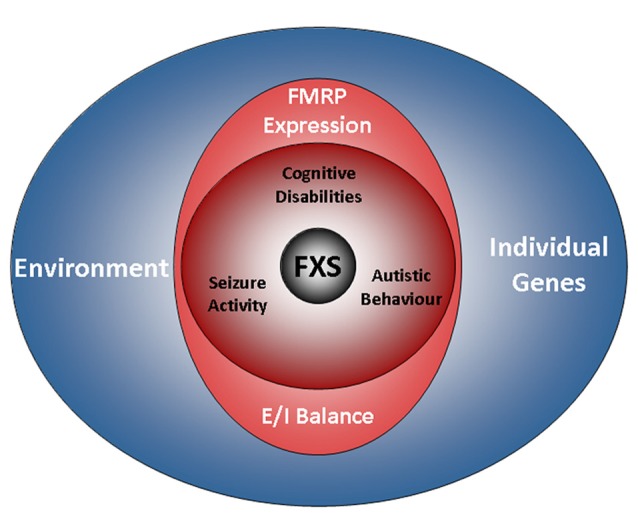
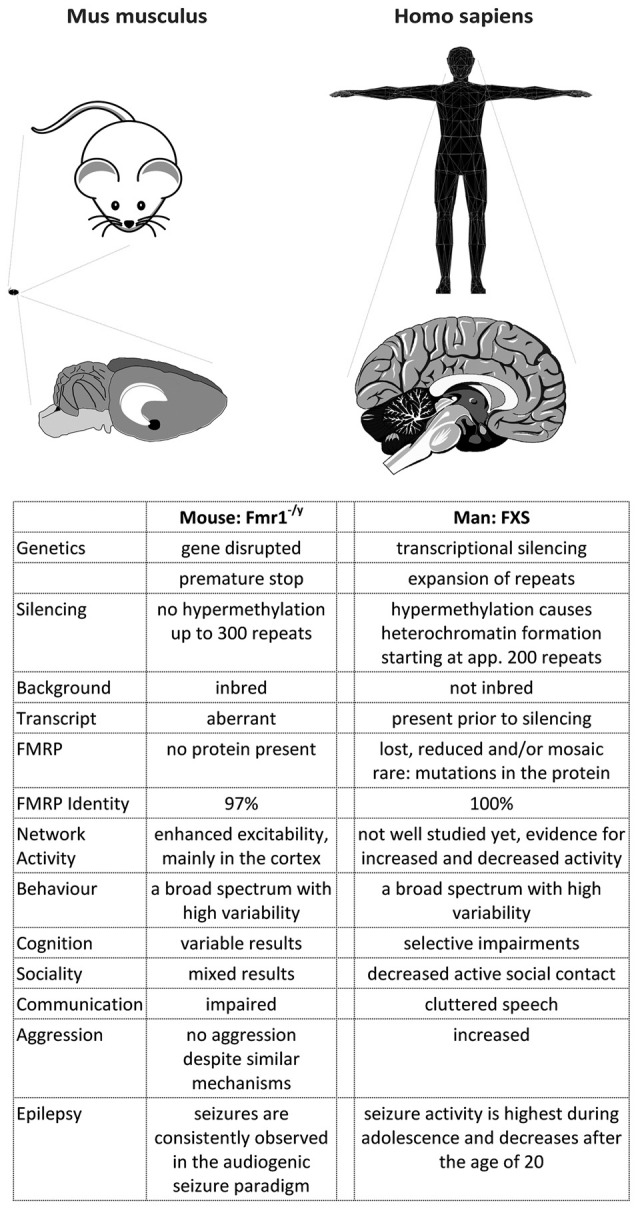
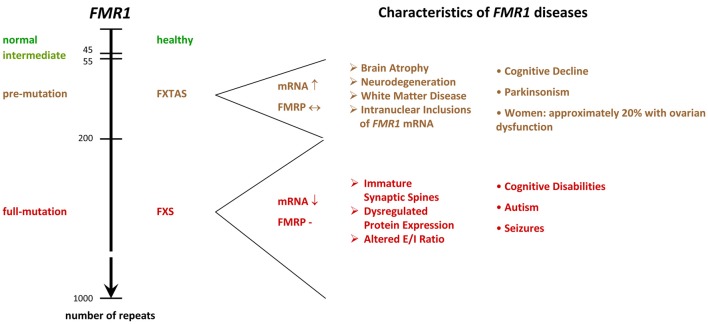
The Fragile X Syndrome (FXS) is one of the most common forms of inherited intellectual disability in all human societies. Caused by the transcriptional silencing of a single gene, the fragile x mental retardation gene , FXS is characterized by a variety of symptoms, which range from mental disabilities to autism and epilepsy. More than 20 years ago, a first animal model was described, the knock-out mouse. Several other models have been developed since then, including conditional knock-out mice, knock-out rats, a zebrafish and a drosophila model. Using these model systems, various targets for potential pharmaceutical treatments have been identified and many treatments have been shown to be efficient in preclinical studies. However, all attempts to turn these findings into a therapy for patients have failed thus far. In this review, I will discuss underlying difficulties and address potential alternatives for our future research.
脆性X综合征(FXS)是人类社会中最常见的遗传性智力残疾形式之一。由于单个基因——脆性X智力低下基因的转录沉默所导致,脆性X综合征具有多种症状,从智力残疾到自闭症和癫痫不等。20多年前,首个动物模型——基因敲除小鼠被描述出来。从那时起,又开发了其他几种模型,包括条件性基因敲除小鼠、基因敲除大鼠、斑马鱼和果蝇模型。利用这些模型系统,已确定了多种潜在药物治疗靶点,并且许多治疗方法在临床前研究中已显示出有效性。然而,迄今为止,所有将这些研究结果转化为患者治疗方法的尝试均告失败。在这篇综述中,我将讨论潜在的困难,并探讨未来研究的潜在替代方案。