Department of Biochemistry, College of Medicine and Health Sciences, United Arab University, Al-Ain, United Arab Emirates.
Department of Medical Microbiology and Immunology, College of Medicine and Health Sciences, United Arab University, Al-Ain, United Arab Emirates.
Front Immunol. 2018 Mar 19;9:551. doi: 10.3389/fimmu.2018.00551. eCollection 2018.
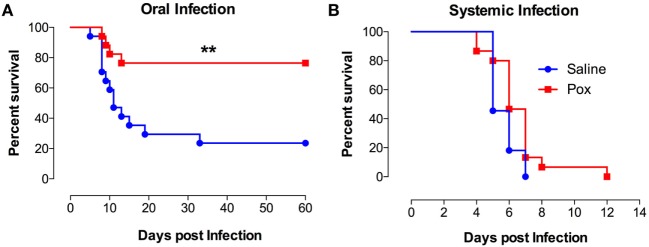
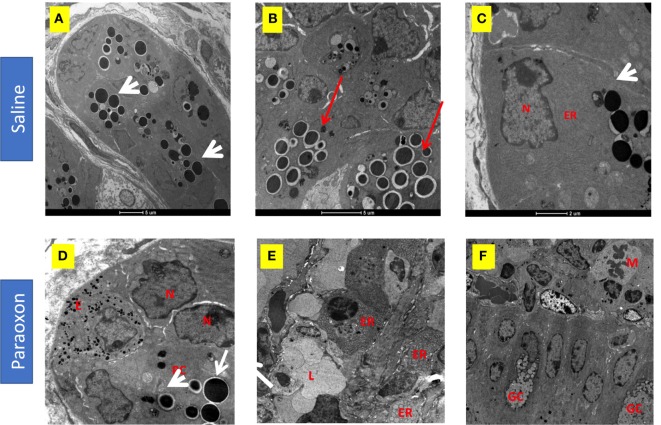
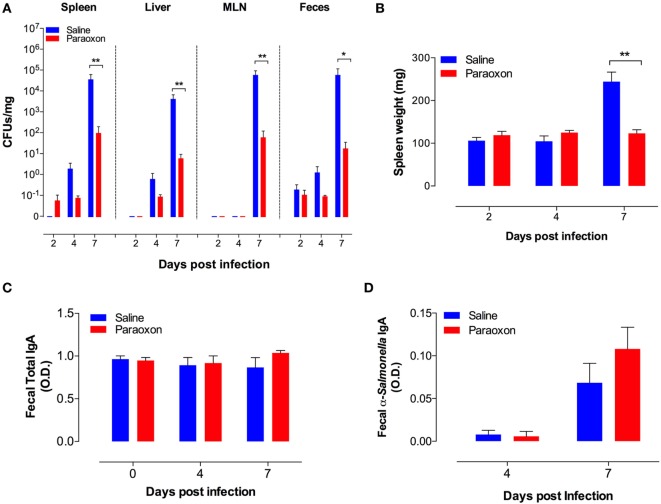
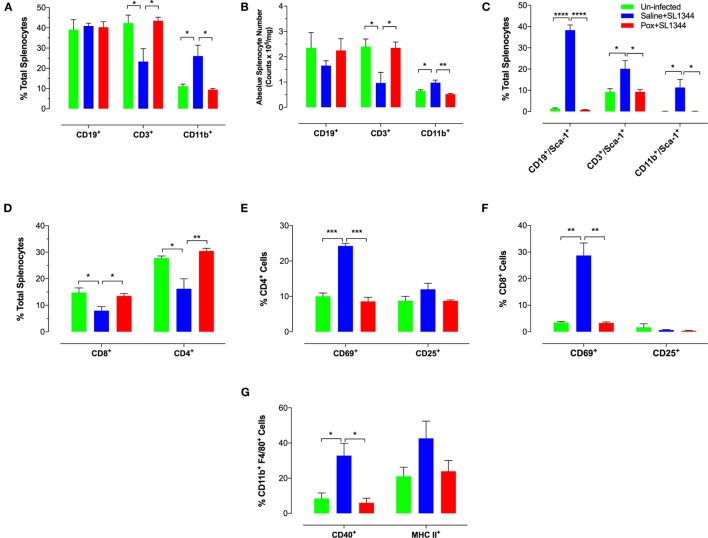
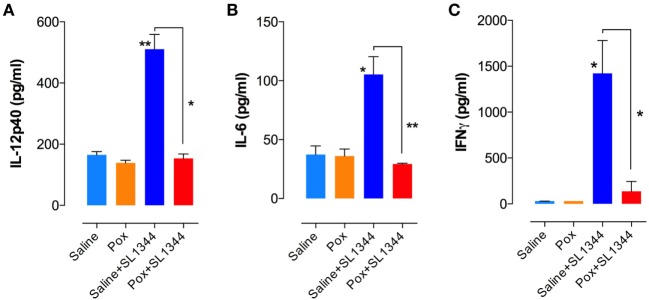
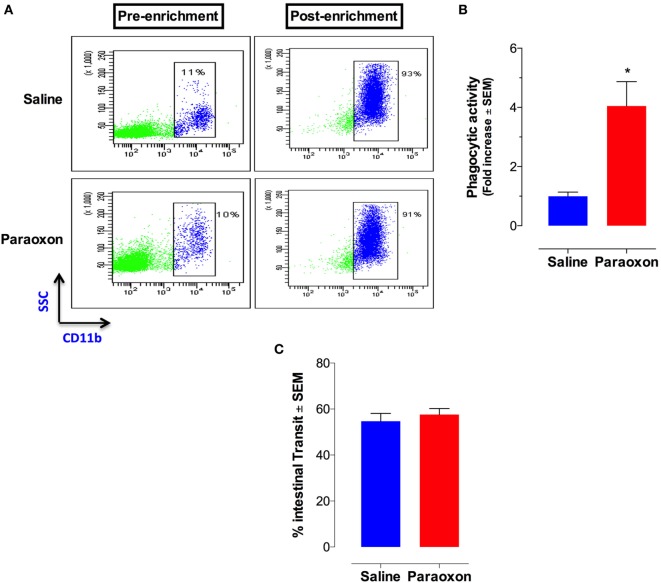
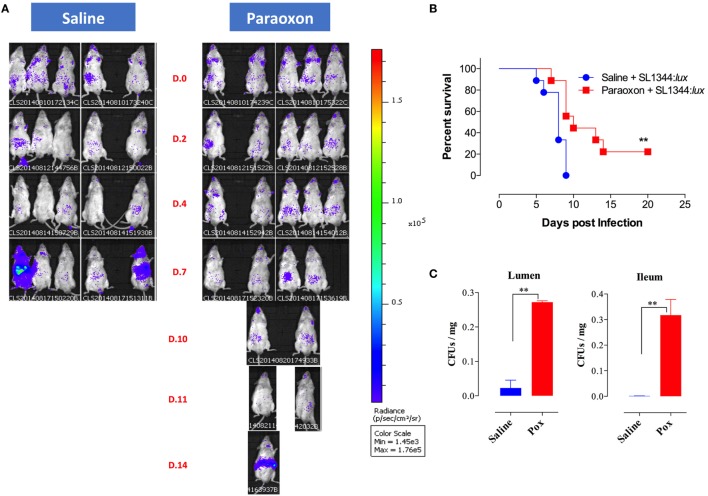
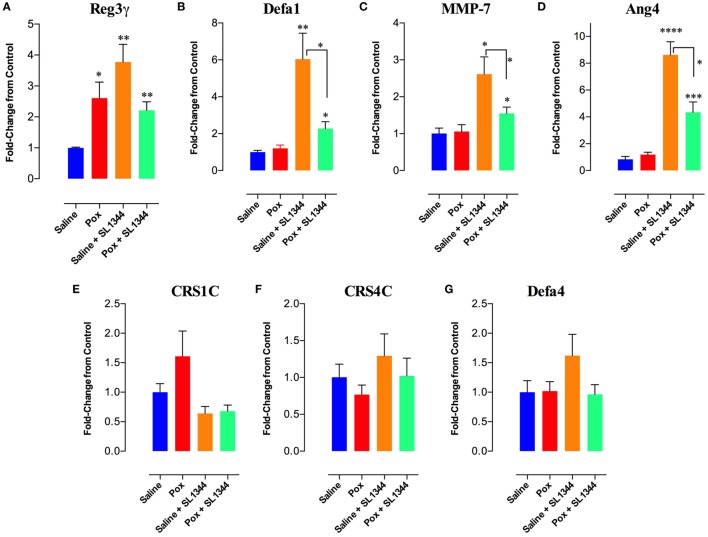
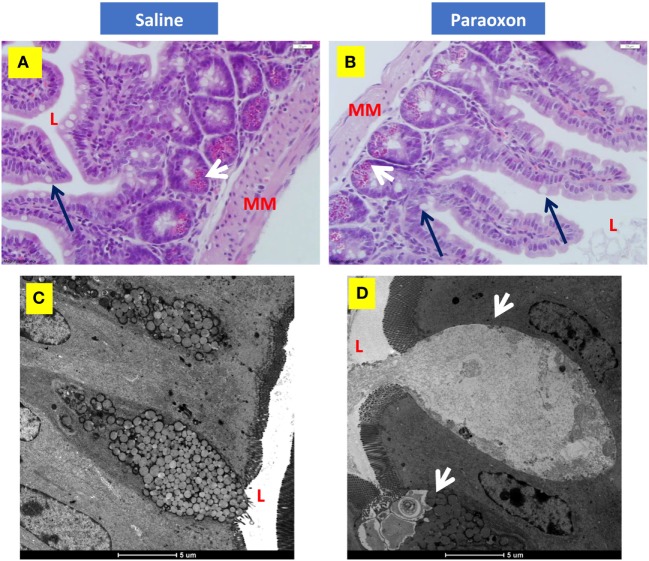
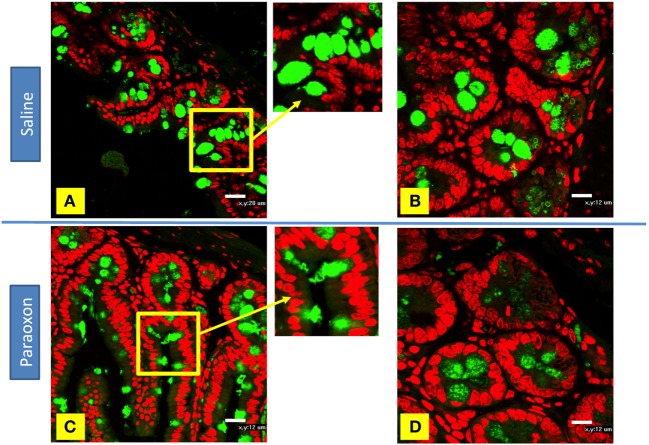
Inflammation is a crucial defense mechanism that protects the body from the devastating effects of invading pathogens. However, an unrestrained inflammatory reaction may result in systemic manifestations with dire consequences to the host. The extent of activation of the inflammatory response is tightly regulated through immunological and neural pathways. Previously, we demonstrated that cholinergic stimulation confers enhanced protection in experimental animals orally infected with virulent serovar Typhimurium. In this study, we investigated the mechanism by which this enhanced protection takes place. Cholinergic stimulation was induced by a 3-week pretreatment with paraoxon, a highly specific acetylcholinesterase (AChE) inhibitor. This treatment enhanced host survival following oral-route infection and this correlated with significantly reduced bacterial load in systemic target organs. Enhanced protection was not due to increased gut motility or rapid bacterial clearance from the gastrointestinal tract. Moreover, protection against bacterial infection was not evident when the animals were infected systemically, suggesting that acetylcholine-mediated protective effect was mostly confined to the gut mucosal tissue. imaging demonstrated a more localized infection and delay in bacterial dissemination into systemic organs in mice pretreated with paraoxon. Morphological analysis of the small intestine (ileum) showed that AChE inhibition induced the degranulation of goblet cells and Paneth cells, two specialized secretory cells involved in innate immunity. Our findings demonstrate a crucial pathway between neural and immune systems that acts at the mucosal interface to protect the host against oral pathogens.
炎症是一种重要的防御机制,可保护身体免受入侵病原体的破坏性影响。然而,不受控制的炎症反应可能导致全身表现,对宿主造成严重后果。炎症反应的激活程度通过免疫和神经途径受到严格调节。此前,我们证明了胆碱能刺激可在经口感染毒力血清型鼠伤寒沙门氏菌的实验动物中提供增强的保护。在这项研究中,我们研究了这种增强保护作用发生的机制。通过用对氧磷预处理 3 周来诱导胆碱能刺激,对氧磷是一种高度特异性乙酰胆碱酯酶 (AChE) 抑制剂。这种治疗方法可提高经口感染后宿主的存活率,并且与全身靶器官中的细菌载量明显降低相关。增强的保护作用不是由于肠道蠕动增加或从胃肠道中快速清除细菌所致。此外,当动物经系统感染时,对抗细菌感染的保护作用并不明显,这表明乙酰胆碱介导的保护作用主要局限于肠道黏膜组织。成像显示,用对氧磷预处理的小鼠的感染更局限,并且细菌向全身器官的传播延迟。对小肠(回肠)的形态分析表明,AChE 抑制诱导杯状细胞和潘氏细胞脱颗粒,这两种特殊的分泌细胞参与先天免疫。我们的研究结果表明,神经系统和免疫系统之间存在一条关键途径,在黏膜界面发挥作用,保护宿主免受口腔病原体的侵害。