Khairy Alaaldin Idris H, Oh Mi Jeong, Lee Seung Min, Kim Da Som, Roh Kwang Soo
Department of Biological Sciences, Keimyung University, Daegu 42601, South Korea.
Department of Biomedical Science, Gimcheon University, Gimcheon 39528, South Korea.
Biochim Open. 2016 Mar 2;2:41-51. doi: 10.1016/j.biopen.2016.02.002. eCollection 2016 Jun.
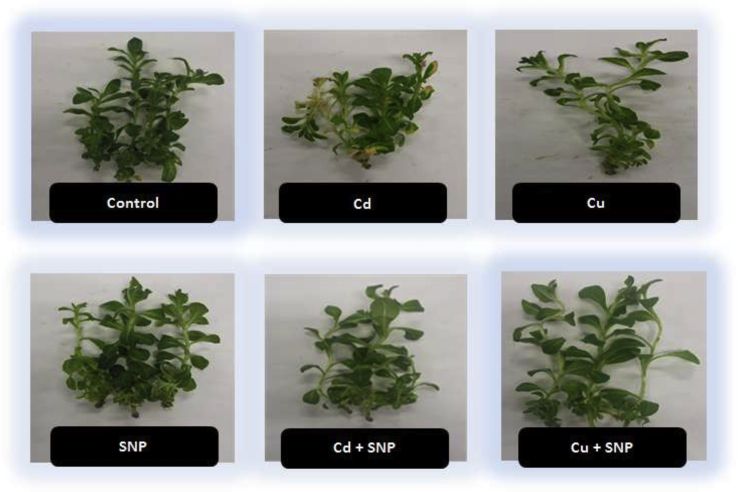
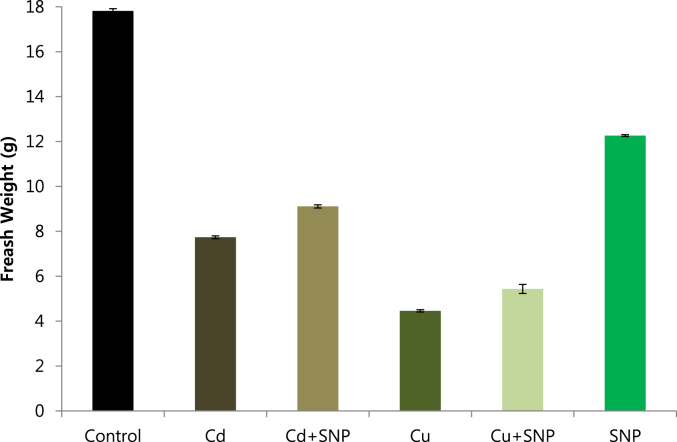
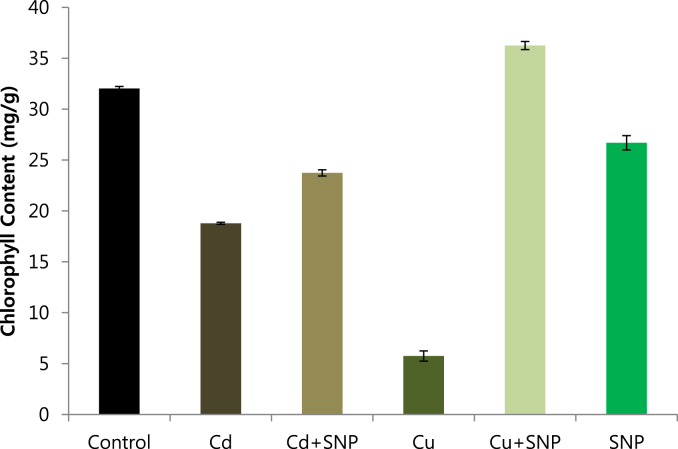
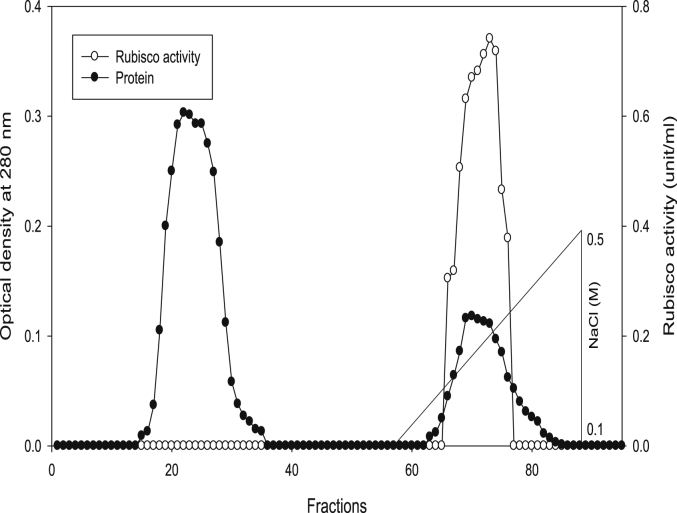
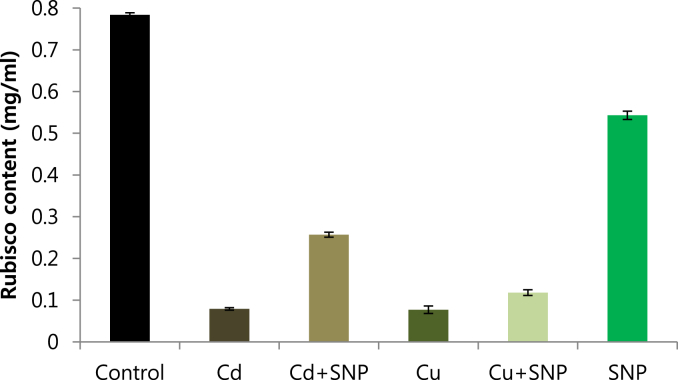
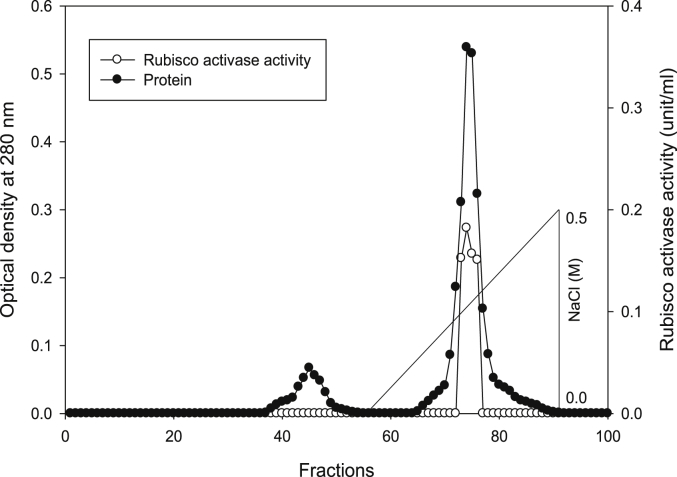
Toxic heavy metals such as cadmium (Cd) and copper (Cu) are global problems that are a growing threat to the environment. Despite some heavy metals are required for plant growth and development, others are considered toxic elements and do not play any known physiological role in plant cells. Elevated doses of Cd or Cu cause toxicity in plants and generate damages due to the stress condition and eventually cause a significant reduction in quantity and quality of crop plants. The nitric oxide (NO) donor sodium nitroprusside (SNP) is reported to alleviate the toxicity of some heavy metals like Cd and Cu. In the current study, the role of NO in alleviating stresses of Cd and Cu was investigated in -grown tobacco () Based on plant growth, total chlorophyll contents, contents and activities of rubisco and rubisco activase. According to the results of this study, the growth and total chlorophyll contents of Cd/Cu stressed plants were hugely decreased in the absence of SNP, while the supplementation of SNP resulted in a significant increase of both fresh weight and total chlorophyll contents. Remarkable reductions of Rubisco and rubisco activase contents and activities were observed in Cd and Cu-induced plants. SNP supplementation showed the highest contents and activities of rubisco and rubisco activase compared to the control and Cu/Cd-stressed plants. Taken together, our findings suggest that SNP could play a protective role in regulation of plant responses to abiotic stresses such as Cd and Cu by enhancing Rubisco and Rubisco activase.
镉(Cd)和铜(Cu)等有毒重金属是全球性问题,对环境构成日益严重的威胁。尽管一些重金属是植物生长发育所必需的,但其他一些则被视为有毒元素,在植物细胞中不发挥任何已知的生理作用。高剂量的镉或铜会导致植物中毒,并因胁迫条件产生损害,最终导致农作物的数量和质量大幅下降。据报道,一氧化氮(NO)供体硝普钠(SNP)可减轻镉和铜等一些重金属的毒性。在本研究中,基于植物生长、总叶绿素含量、核酮糖-1,5-二磷酸羧化酶(rubisco)和rubisco活化酶的含量及活性,研究了一氧化氮在缓解镉和铜胁迫方面的作用。根据本研究结果,在没有SNP的情况下,镉/铜胁迫植物的生长和总叶绿素含量大幅下降,而补充SNP则导致鲜重和总叶绿素含量显著增加。在镉和铜诱导的植物中,观察到rubisco和rubisco活化酶的含量及活性显著降低。与对照和铜/镉胁迫植物相比,补充SNP显示出rubisco和rubisco活化酶的最高含量及活性。综上所述,我们的研究结果表明,SNP可能通过增强rubisco和rubisco活化酶,在调节植物对镉和铜等非生物胁迫的反应中发挥保护作用。