Unidad de Virologia Molecular, Laboratorio de Referencia e Investigación en Retrovirus, Centro Nacional de Microbiología (CNM), Instituto de Salud Carlos IIII, Majadahonda, Madrid, Spain.
Laboratorio de Inmunología Celular y Viral, Unidad de Virología IUETSPC, Unidad de Farmacología, Sección de Medicina, Facultad de Ciencias de la Salud, Universidad de La Laguna (ULL), Tenerife, Spain.
mBio. 2018 Apr 10;9(2):e02338-17. doi: 10.1128/mBio.02338-17.
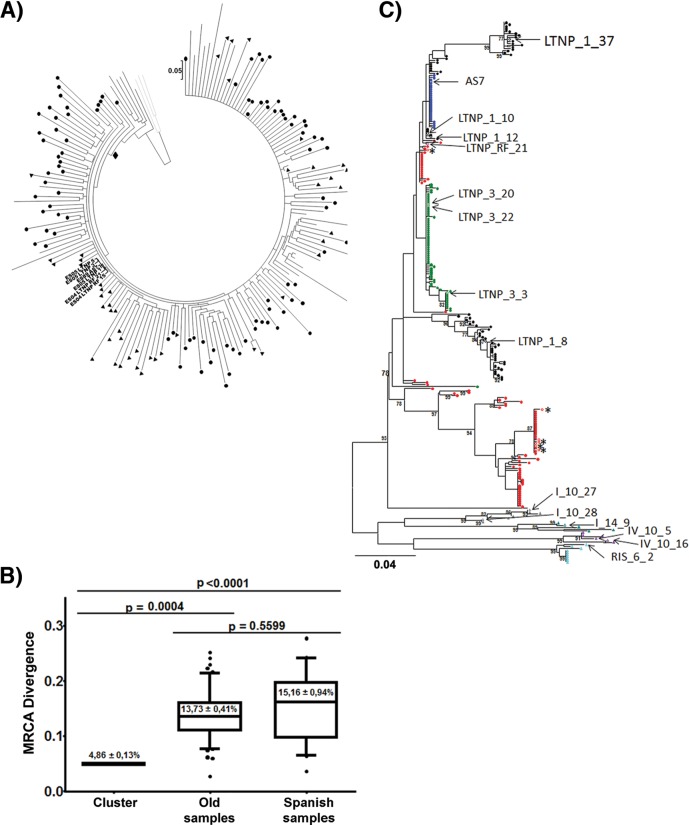
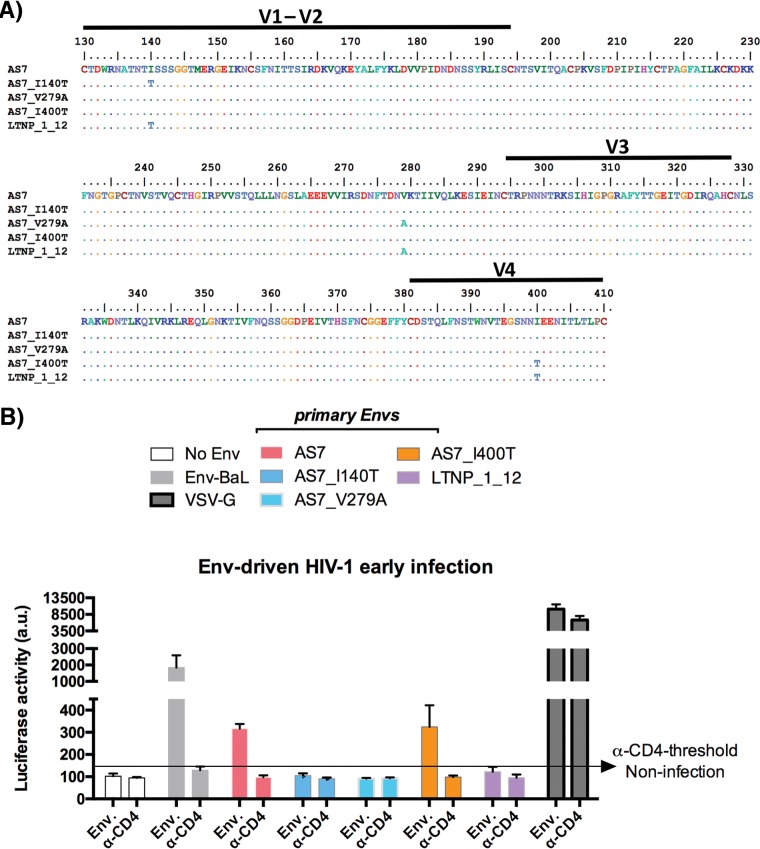
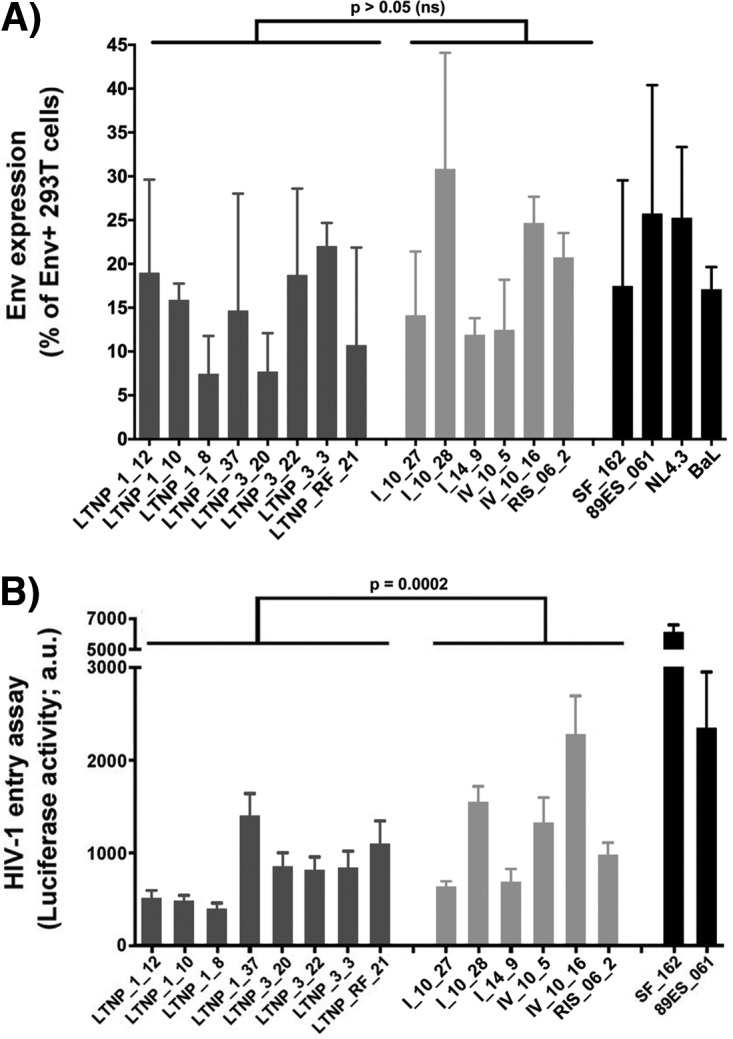
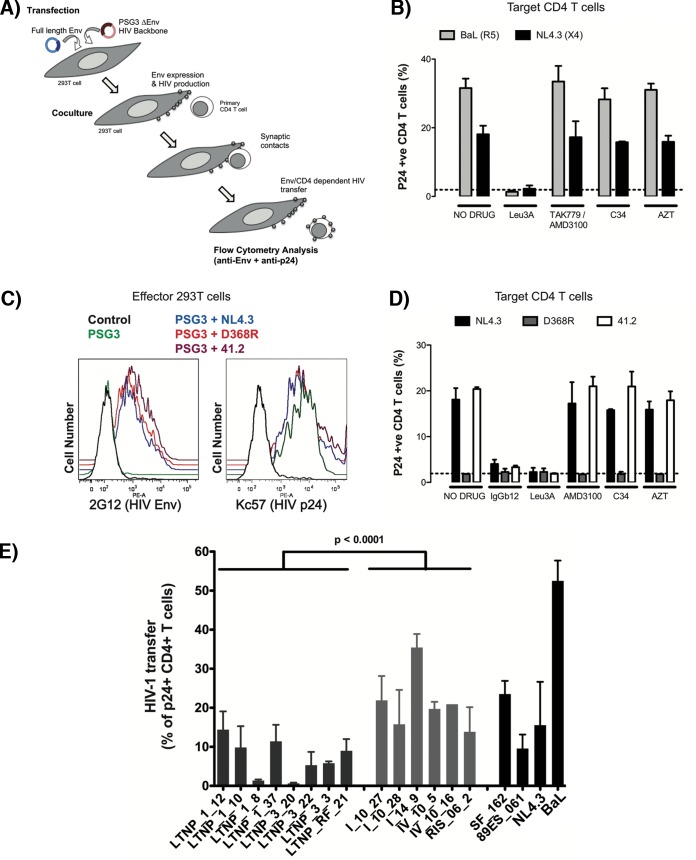
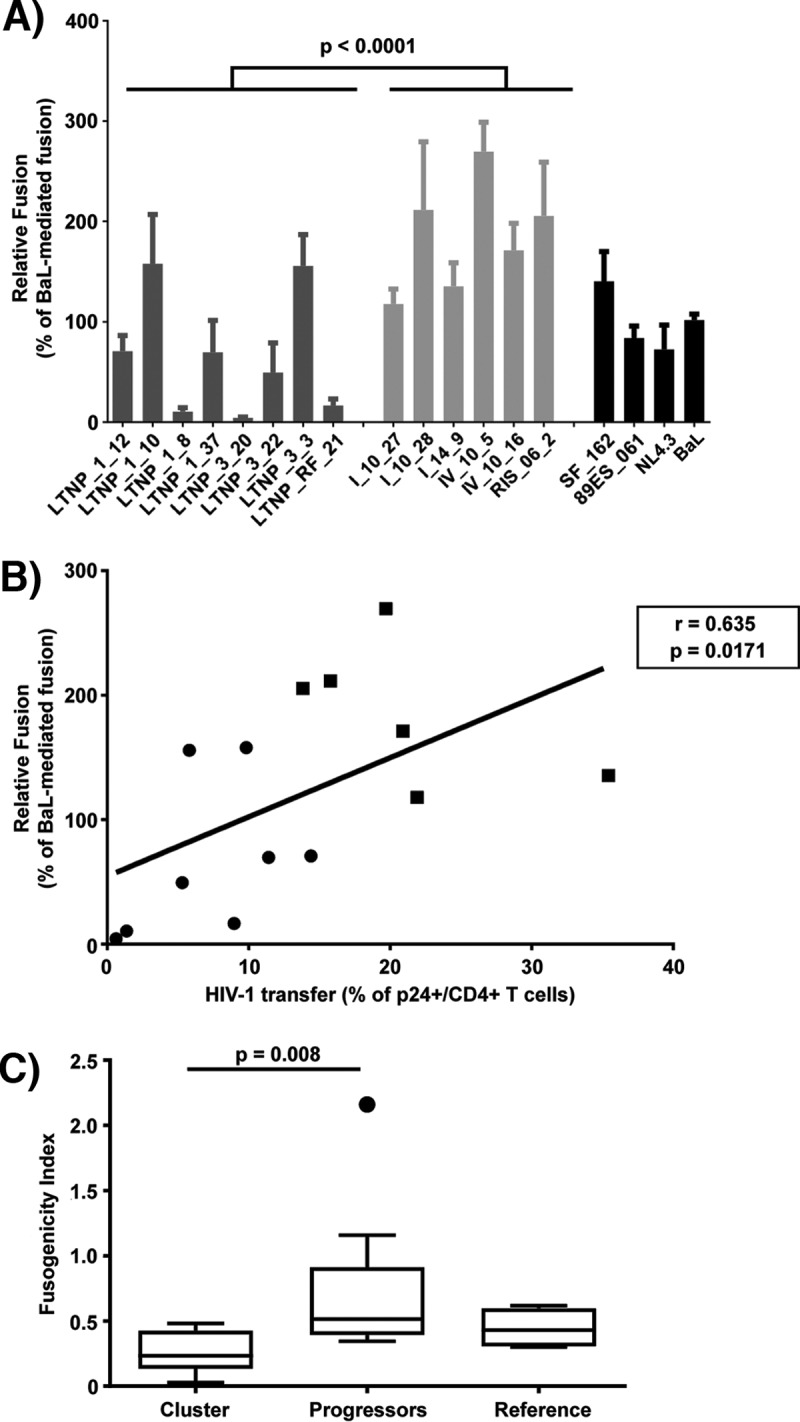
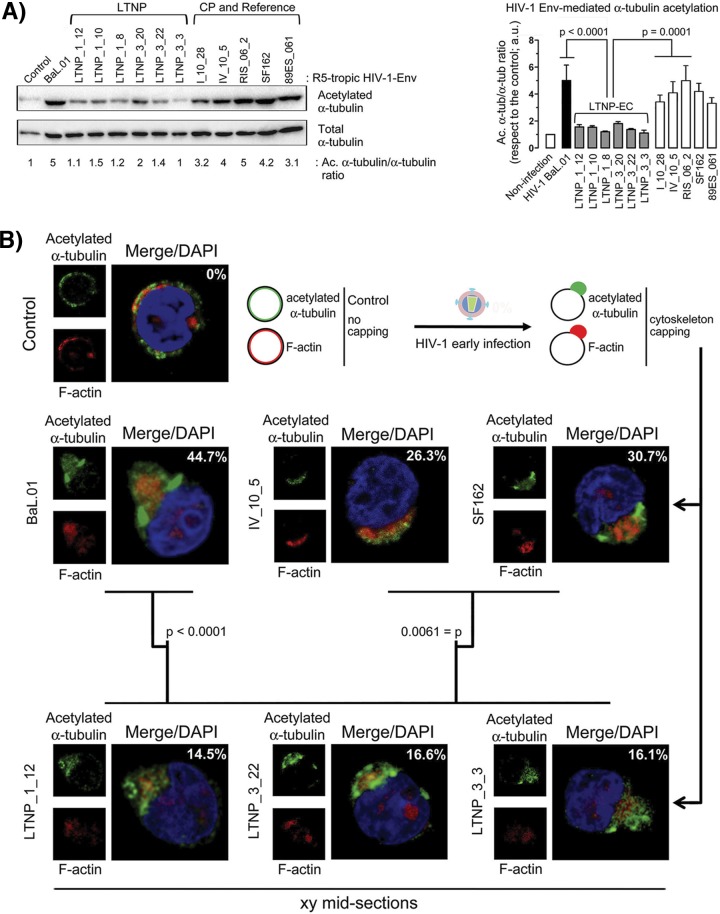
A small group of HIV-1-infected individuals, called long-term nonprogressors (LTNPs), and in particular a subgroup of LTNPs, elite controllers (LTNP-ECs), display permanent control of viral replication and lack of clinical progression. This control is the result of a complex interaction of host, immune, and viral factors. We identified, by phylogenetic analysis, a cluster of LTNP-ECs infected with very similar low-replication HIV-1 viruses, suggesting the contribution of common viral features to the clinical LTNP-EC phenotype. HIV-1 envelope (Env) glycoprotein mediates signaling and promotes HIV-1 fusion, entry, and infection, being a key factor of viral fitness , cytopathicity, and infection progression Therefore, we isolated full-length genes from viruses of these patients and from chronically infected control individuals. Functional characterization of the initial events of the viral infection showed that Envs from the LTNP-ECs were ineffective in the binding to CD4 and in the key triggering of actin/tubulin-cytoskeleton modifications compared to Envs from chronic patients. The viral properties of the cluster viruses result in a defective viral fusion, entry, and infection, and these properties were inherited by every virus of the cluster. Therefore, inefficient HIV-1 Env functions and signaling defects may contribute to the low viral replication capacity and transmissibility of the cluster viruses, suggesting a direct role in the LTNP-EC phenotype of these individuals. These results highlight the important role of viral characteristics in the LTNP-EC clinical phenotype. These Env viral properties were common to all the cluster viruses and thus support the heritability of the viral characteristics. HIV-1 long-term nonprogressor elite controller patients, due to their permanent control of viral replication, have been the object of numerous studies to identify the factors responsible for this clinical phenotype. In this work, we analyzed the viral characteristics of the envelopes of viruses from a phylogenetic cluster of LTNP-EC patients. These envelopes showed ineffective binding to CD4 and the subsequent signaling activity to modify actin/tubulin cytoskeletons, which result in low fusion and deficient entry and infection capacities. These Env viral characteristics could explain the nonprogressor clinical phenotype of these patients. In addition, these inefficient viral properties were present in all viruses of the cluster, supporting the heritability of the viral phenotype.
一小部分 HIV-1 感染者被称为长期非进展者(LTNP),特别是其中的一个亚组,精英控制者(LTNP-EC),他们能够永久控制病毒复制,并且没有临床进展。这种控制是宿主、免疫和病毒因素复杂相互作用的结果。我们通过系统发生分析鉴定了一组感染了非常相似低复制 HIV-1 病毒的 LTNP-EC,这表明共同的病毒特征有助于临床 LTNP-EC 表型。HIV-1 包膜(Env)糖蛋白介导信号转导并促进 HIV-1 融合、进入和感染,是病毒适应性、细胞病变和感染进展的关键因素。因此,我们从这些患者的病毒和慢性感染对照个体中分离了全长基因。对病毒感染初始事件的功能表征表明,与慢性患者的 Env 相比,LTNP-EC 的 Env 无法有效结合 CD4,也无法关键触发肌动蛋白/微管细胞骨架的改变。该病毒簇的病毒特性导致病毒融合、进入和感染缺陷,并且这些特性被该病毒簇中的每一种病毒继承。因此,HIV-1 Env 功能的低效和信号转导缺陷可能导致病毒的低复制能力和传染性,这表明它们直接影响了这些个体的 LTNP-EC 表型。这些结果强调了病毒特征在 LTNP-EC 临床表型中的重要作用。这些 Env 病毒特性在该病毒簇的所有病毒中都是共同的,因此支持病毒特征的遗传性。由于长期控制病毒复制,HIV-1 长期非进展精英控制者患者一直是许多研究的对象,以确定导致这种临床表型的因素。在这项工作中,我们分析了来自一组 LTNP-EC 患者的病毒包膜的病毒特征。这些包膜显示出与 CD4 结合的低效性以及随后修饰肌动蛋白/微管细胞骨架的信号活性,导致低融合和低效的进入和感染能力。这些 Env 病毒特征可以解释这些患者的非进展临床表型。此外,这些低效的病毒特性存在于该病毒簇的所有病毒中,支持病毒表型的遗传性。