Samotyjek Joanna, Jurkiewicz Beata, Krupa Andrzej
Pediatric Surgery and Urology Clinic CMKP in Dziekanów Leśny, Poland.
Dev Period Med. 2018;22(1):88-93. doi: 10.34763/devperiodmed.20182201.8893.
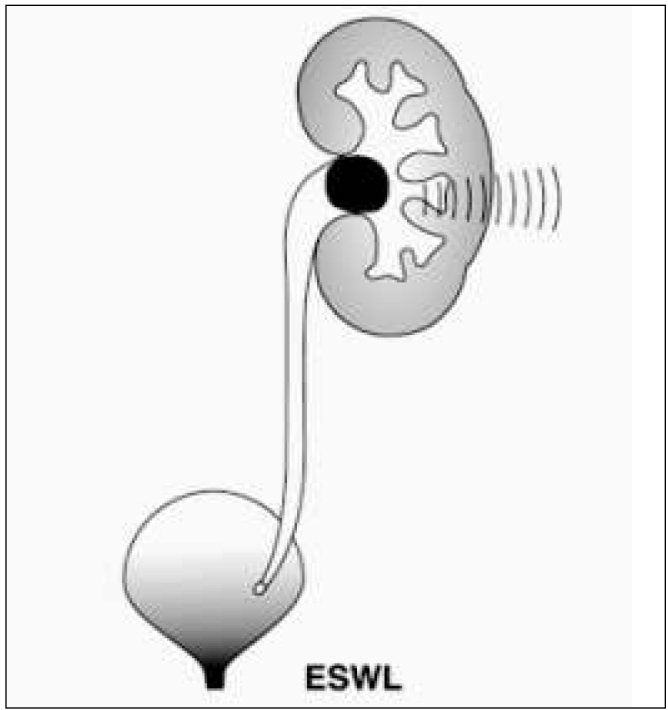
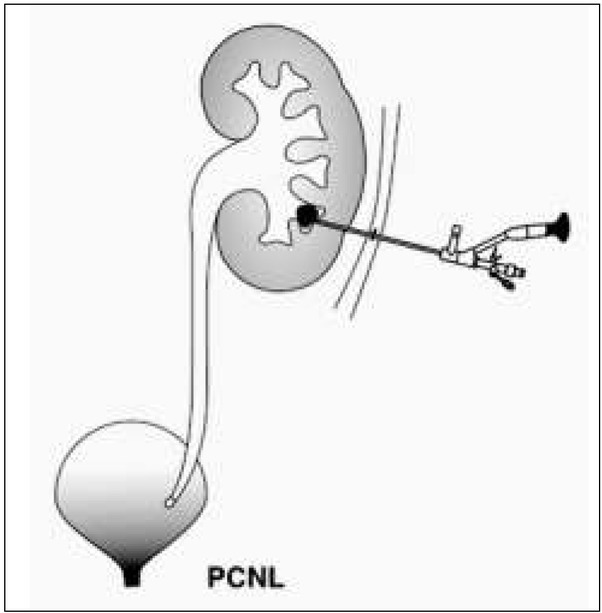
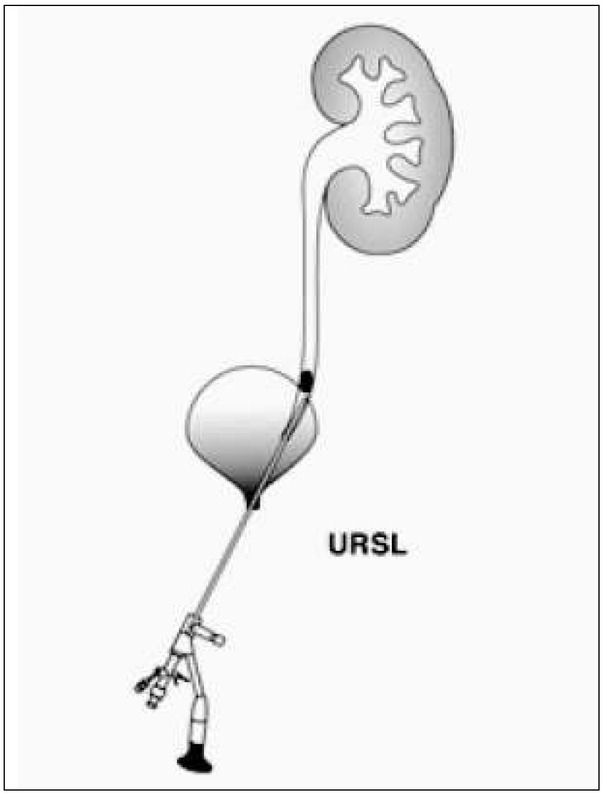
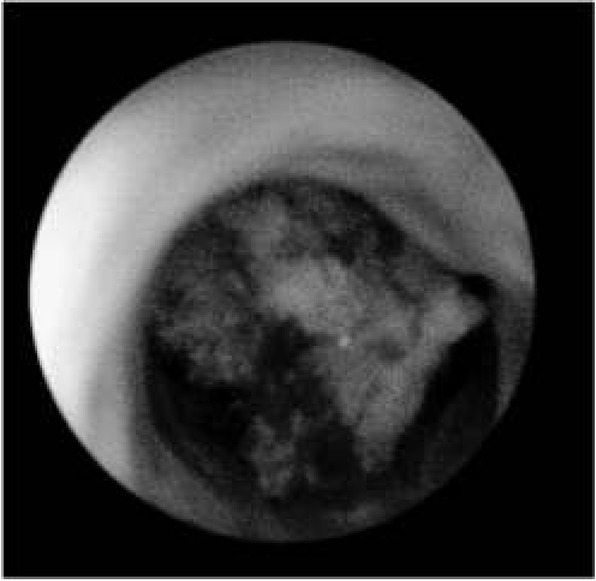
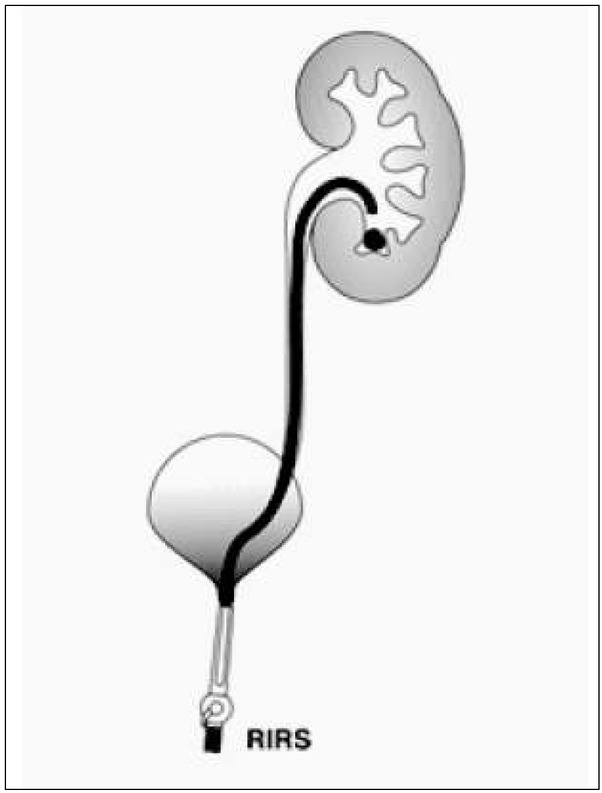
Urolithiasis in the pediatric population represents a major challenge associated with both the diagnosis and therapy of the condition. Over the past 25 years, the incidence has increased. The average age of pediatric patients with stones is about 7-8 years and the recurrence rate is 24%-50%. More than 80% of the stones are eliminated spontaneously. The remaining ones require conservative or surgical treatment. Choosing the most appropriate treatment depends on many factors. Surgical procedures in children are the same as in adults. These include extracorporeal shockwave lithotripsy (ESWL), ureterolithotripsy (URSL), retrograde intrarenal surgery (RIRS), percutaneous nephrolithotomy (PCNL) and laparoscopic or open surgery. ESWL is a method of choice for the treatment of stones with a diameter of ≤20 mm located in the upper urinary tract, while PCNL is used in the treatment of deposits ≥1.5 cm located in the upper pole of the kidney, deposits of ≥1.0 cm located in the lower pole of the kidney, as well as hard stones such as cystic or struvite ones. URSL/RIRS is a method for ureteral and renal stones. Open surgery is indicated in cases when anatomical anomalies coexist with urolithiasis, or when the use of PCNL or ESWL is impossible. The ideal procedure should be effective, safe and allow the complete evacuation of the stones after the 1st procedure.
小儿尿石症是一种在诊断和治疗方面都面临重大挑战的疾病。在过去25年中,其发病率有所上升。小儿结石患者的平均年龄约为7 - 8岁,复发率为24% - 50%。超过80%的结石可自行排出。其余的则需要保守治疗或手术治疗。选择最合适的治疗方法取决于多种因素。儿童的手术方式与成人相同。这些包括体外冲击波碎石术(ESWL)、输尿管镜碎石术(URSL)、逆行肾内手术(RIRS)、经皮肾镜取石术(PCNL)以及腹腔镜或开放手术。ESWL是治疗位于上尿路、直径≤20 mm结石的首选方法,而PCNL用于治疗位于肾上极≥1.5 cm的结石、位于肾下极≥1.0 cm的结石以及诸如囊性或磷酸镁铵结石等坚硬结石。URSL/RIRS用于治疗输尿管和肾结石。当解剖异常与尿石症并存,或无法使用PCNL或ESWL时,需进行开放手术。理想的手术应有效、安全,并能在首次手术后使结石完全排出。