Monzón Marta, Hernández Rodrigo S, Garcés Moisés, Sarasa Rocío, Badiola Juan J
Research Centre for Encephalopathies and Transmissible Emerging Diseases, Institute for Health Research Aragón (IIS), University of Zaragoza, Zaragoza, Spain.
Medicine (Baltimore). 2018 Apr;97(15):e0320. doi: 10.1097/MD.0000000000010320.
Neuroinflammation has recently been proposed to be a major component of neurodegenerative diseases. The aim of this study was to determine how the interaction between microglia and astroglia, which are the primary immune cell populations in the brain, and pathological prion protein (PrPsc) could influence the development and propagation of this neurodegenerative disease. Because a relevant role for glial response in prion disease has been clearly demonstrated in our previous studies using the natural animal model, a similar approach has been taken here using the natural human model.
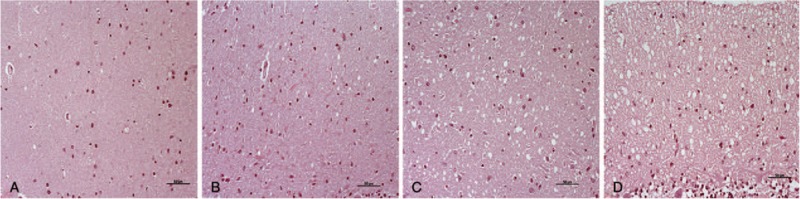
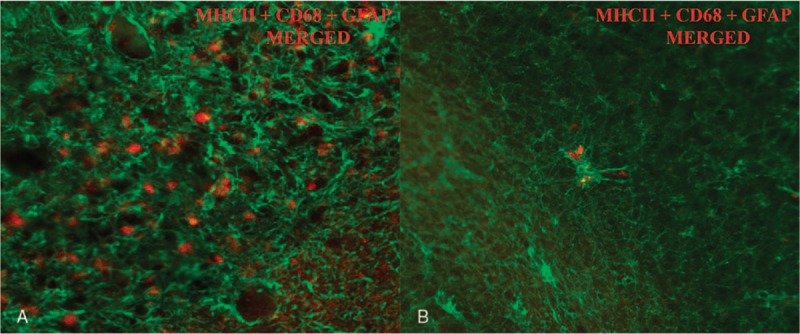
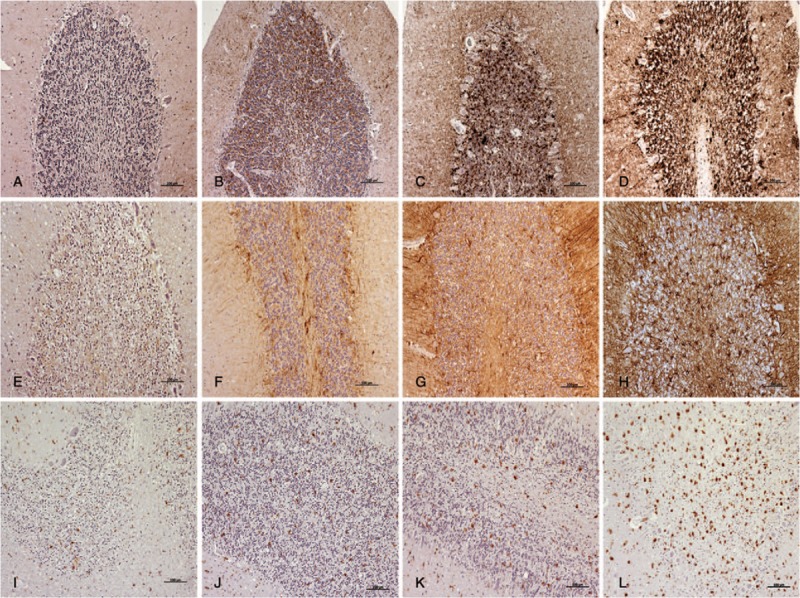
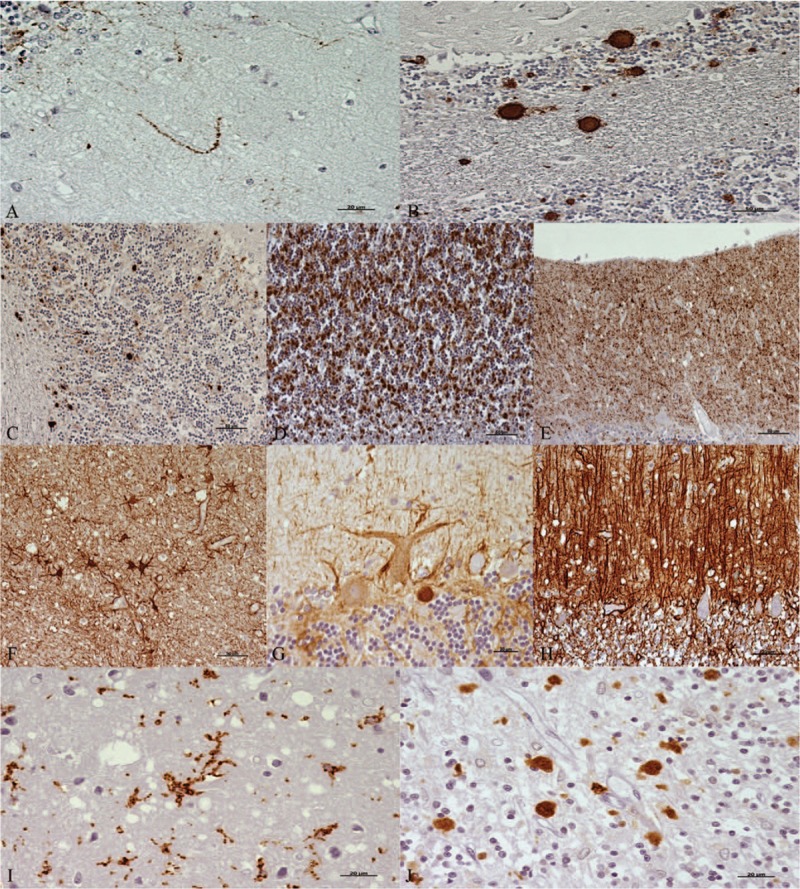
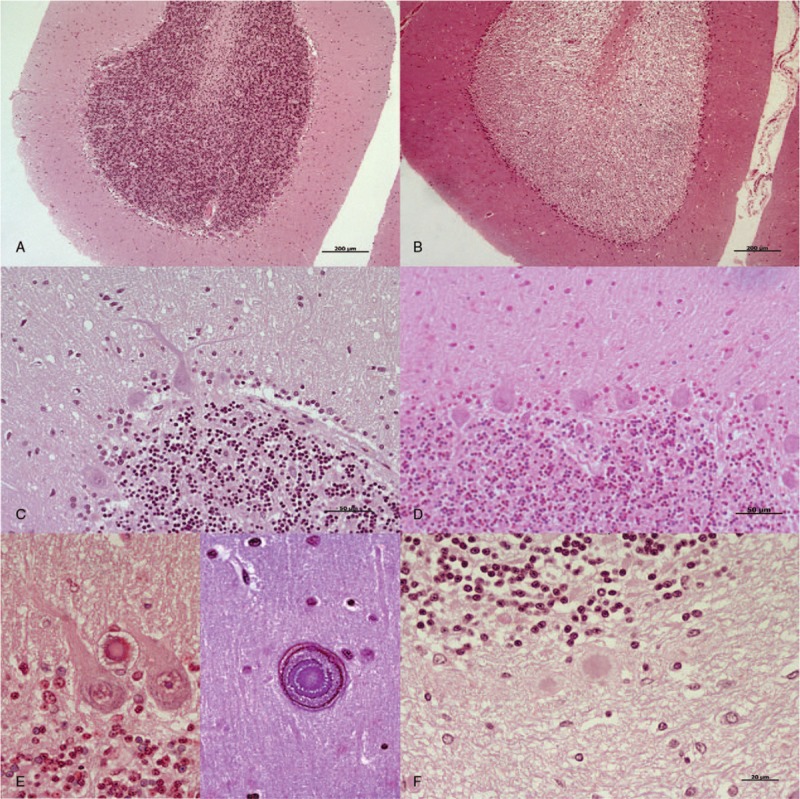
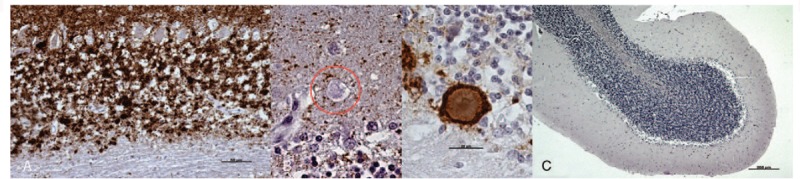
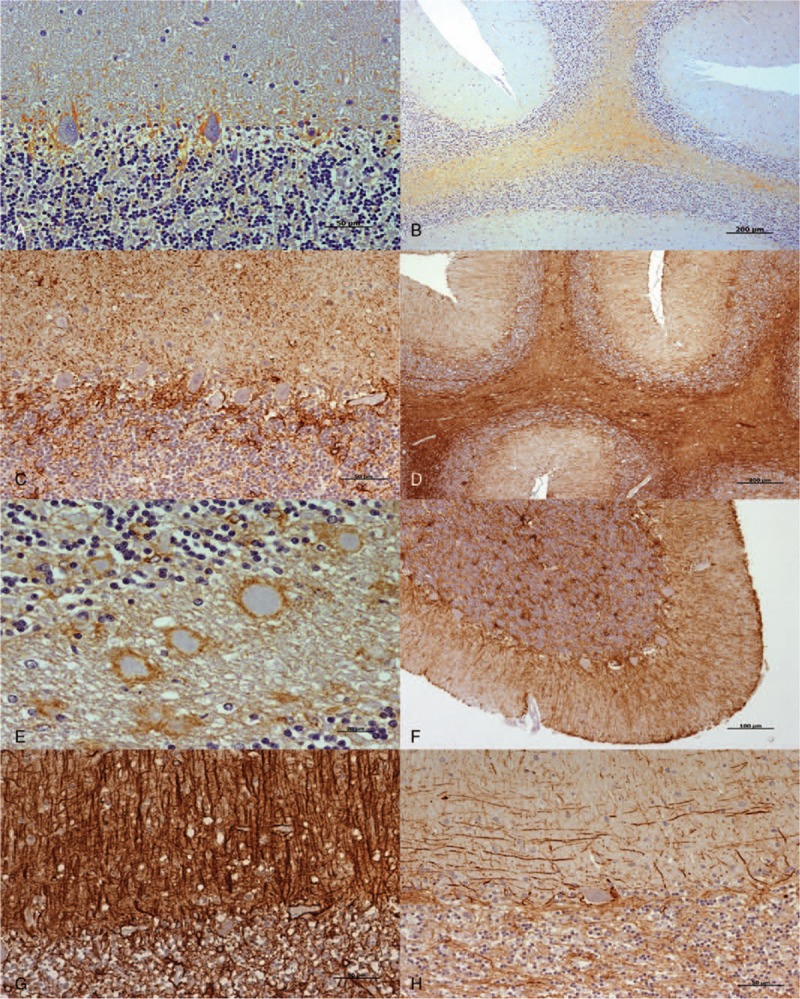
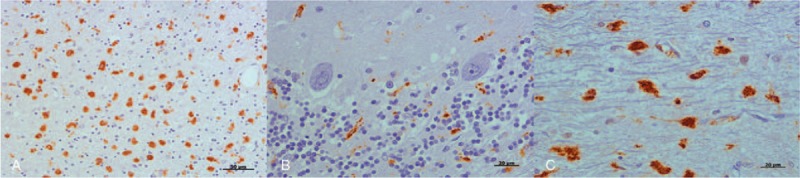
A morphological approach has been developed to analyze cerebellar samples from patients with Creutzfeldt-Jakob disease (CJD) in comparison with healthy control cases. Histopathological lesions were assessed, and PrPsc, glial fibrillary acidic protein (GFAP) and reactive microglia were immunolabelled by specific antibodies. Furthermore, co-location studies using confocal microscopy were performed to determine the possible relationships between both types of glial cells in all samples.
The results presented in this study support the involvement of both types of glial cells in CJD. Evidence of increased astrocyte and microglia reactivity can be observed in all CJD cases, and a close relationship between the types of glia is demonstrated by co-location studies.
Proteinopathies such as Alzheimer, Parkinson, and Huntington diseases, where aberrant proteins spread throughout the brain during disease progression, may share a molecular basis and mechanisms of propagation. Therefore, studies elucidating the interaction between gliosis and prion propagation may be relevant to these other neurodegenerative diseases and may provide new targets for therapeutic intervention.
最近有人提出神经炎症是神经退行性疾病的主要组成部分。本研究的目的是确定大脑中的主要免疫细胞群体——小胶质细胞和星形胶质细胞与病理性朊病毒蛋白(PrPsc)之间的相互作用如何影响这种神经退行性疾病的发展和传播。由于我们之前使用天然动物模型的研究已经清楚地证明了胶质细胞反应在朊病毒疾病中的相关作用,因此这里采用了类似的方法,使用天然人类模型。
已经开发出一种形态学方法,用于分析克雅氏病(CJD)患者的小脑样本,并与健康对照病例进行比较。评估组织病理学病变,并用特异性抗体对PrPsc、胶质纤维酸性蛋白(GFAP)和反应性小胶质细胞进行免疫标记。此外,使用共聚焦显微镜进行共定位研究,以确定所有样本中两种胶质细胞类型之间的可能关系。
本研究呈现的结果支持两种胶质细胞都参与了CJD。在所有CJD病例中都可以观察到星形胶质细胞和小胶质细胞反应性增加的证据,并且共定位研究证明了胶质细胞类型之间的密切关系。
诸如阿尔茨海默病、帕金森病和亨廷顿病等蛋白质病,在疾病进展过程中异常蛋白质会在大脑中扩散,可能具有共同的分子基础和传播机制。因此,阐明胶质增生与朊病毒传播之间相互作用的研究可能与这些其他神经退行性疾病相关,并可能为治疗干预提供新的靶点。