School of Materials Science and Engineering and Centre for Biomimetic Sensor Science, Nanyang Technological University, 50 Nanyang Drive, Singapore 637553, Singapore.
Division of Gastroenterology and Hepatology, Department of Medicine, Stanford University School of Medicine, Stanford, CA 94305, USA.
Int J Mol Sci. 2018 Apr 8;19(4):1114. doi: 10.3390/ijms19041114.
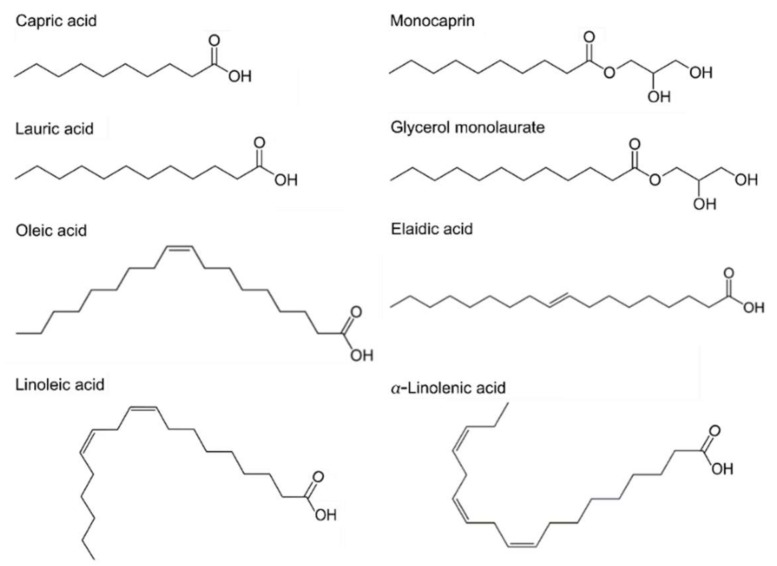
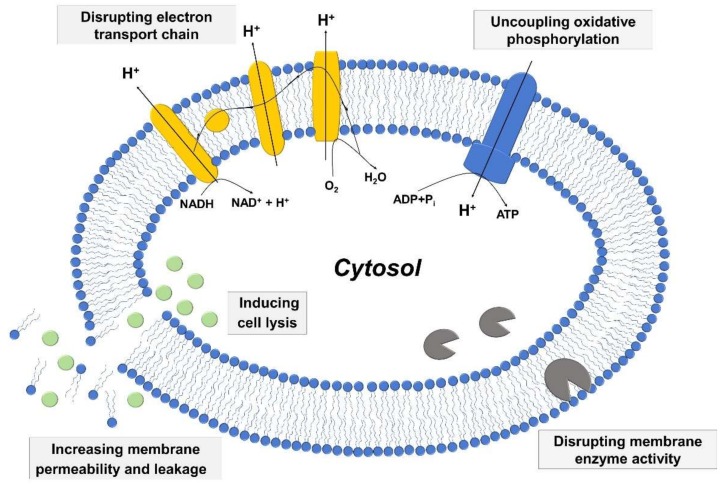
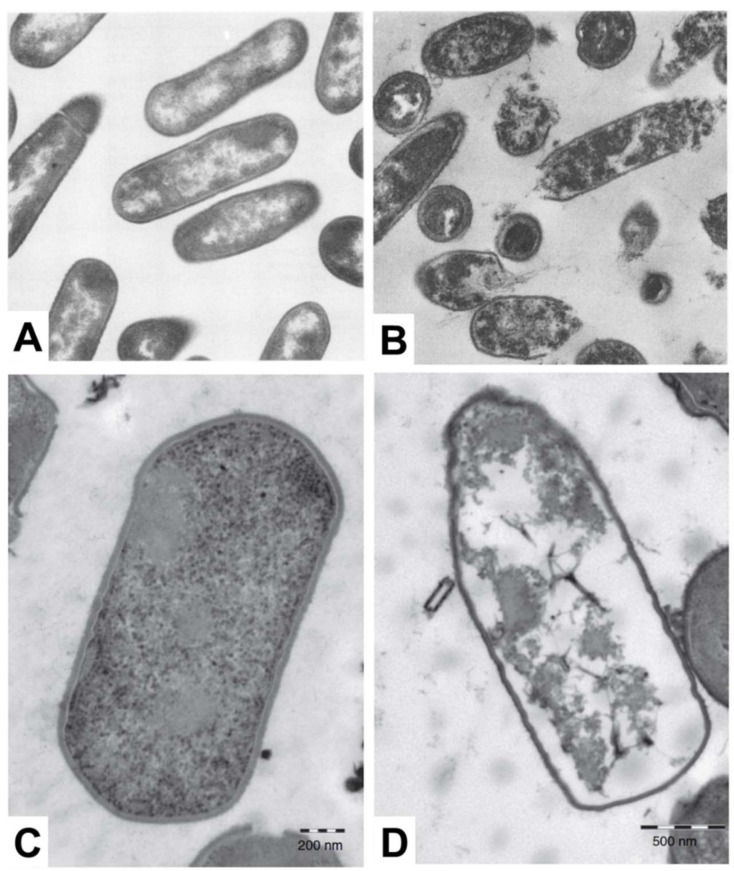
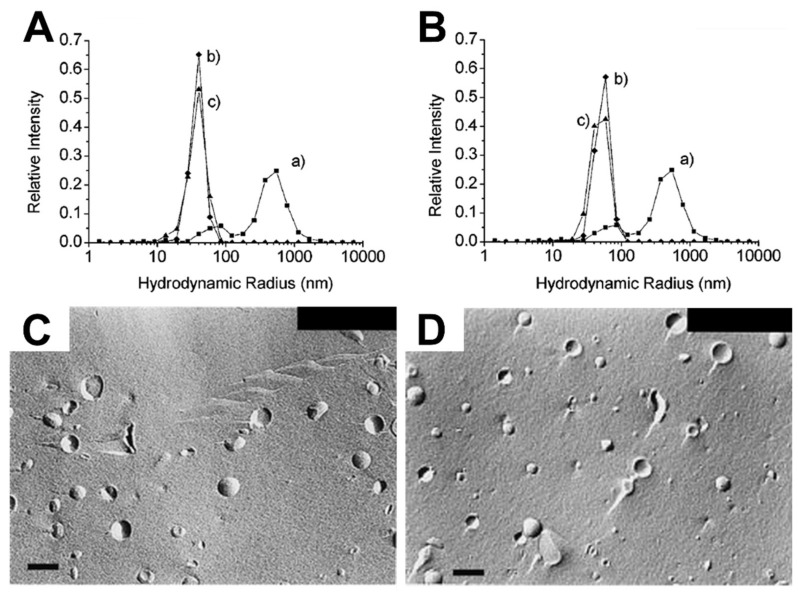
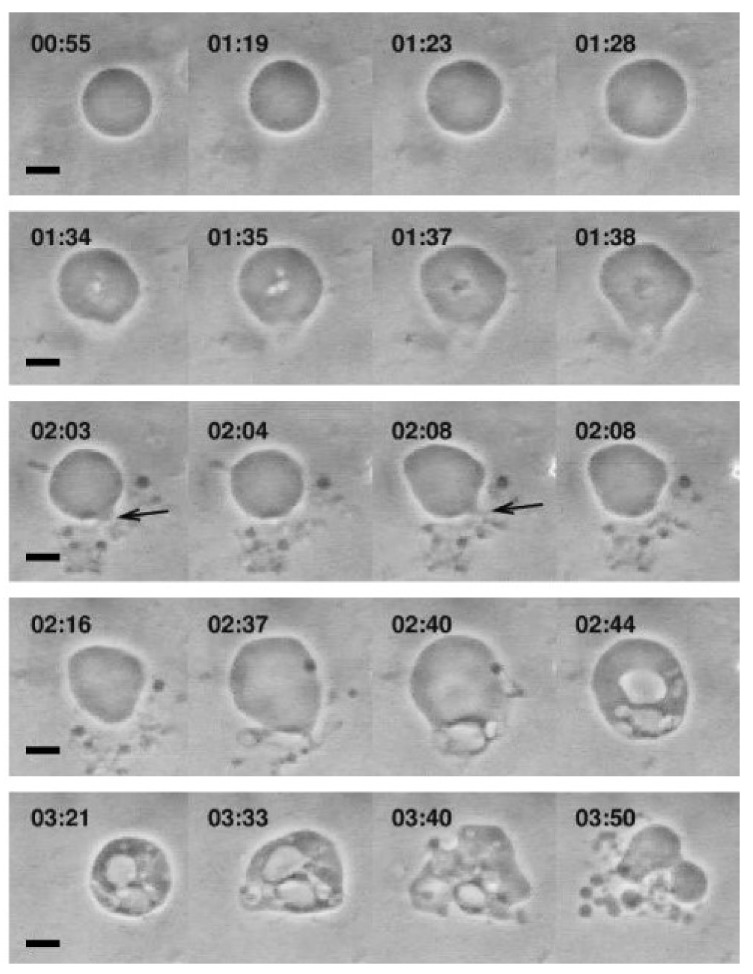
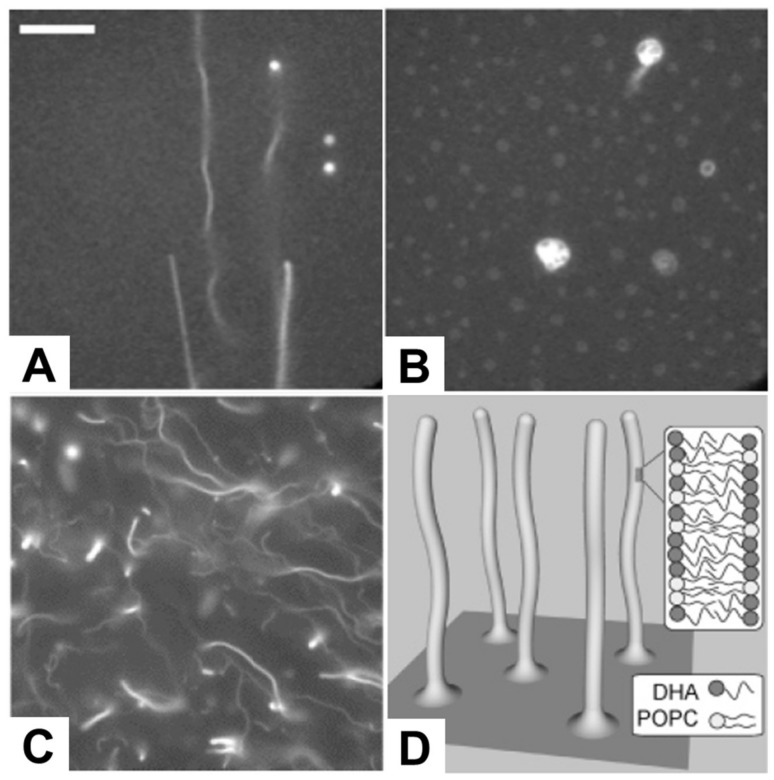
Antimicrobial lipids such as fatty acids and monoglycerides are promising antibacterial agents that destabilize bacterial cell membranes, causing a wide range of direct and indirect inhibitory effects. The goal of this review is to introduce the latest experimental approaches for characterizing how antimicrobial lipids destabilize phospholipid membranes within the broader scope of introducing current knowledge about the biological activities of antimicrobial lipids, testing strategies, and applications for treating bacterial infections. To this end, a general background on antimicrobial lipids, including structural classification, is provided along with a detailed description of their targeting spectrum and currently understood antibacterial mechanisms. Building on this knowledge, different experimental approaches to characterize antimicrobial lipids are presented, including cell-based biological and model membrane-based biophysical measurement techniques. Particular emphasis is placed on drawing out how biological and biophysical approaches complement one another and can yield mechanistic insights into how the physicochemical properties of antimicrobial lipids influence molecular self-assembly and concentration-dependent interactions with model phospholipid and bacterial cell membranes. Examples of possible therapeutic applications are briefly introduced to highlight the potential significance of antimicrobial lipids for human health and medicine, and to motivate the importance of employing orthogonal measurement strategies to characterize the activity profile of antimicrobial lipids.
抗菌脂质,如脂肪酸和单甘油脂,是很有前途的抗菌剂,它们能够破坏细菌细胞膜的稳定性,从而产生广泛的直接和间接抑制作用。本综述的目的是介绍最新的实验方法,以描述抗菌脂质如何在更广泛的范围内破坏磷脂膜的稳定性,同时介绍抗菌脂质的生物学活性、测试策略和治疗细菌感染的应用的现有知识。为此,提供了抗菌脂质的一般背景知识,包括结构分类,并详细描述了它们的靶向谱和目前理解的抗菌机制。在此基础上,提出了不同的实验方法来表征抗菌脂质,包括基于细胞的生物学和基于模型膜的生物物理测量技术。特别强调了如何将生物学和生物物理方法相互补充,并深入了解抗菌脂质的物理化学性质如何影响其分子自组装以及与模型磷脂和细菌细胞膜的浓度依赖性相互作用。简要介绍了可能的治疗应用的例子,以突出抗菌脂质对人类健康和医学的潜在意义,并强调采用正交测量策略来表征抗菌脂质的活性谱的重要性。