Center for Genetic Medicine Research, Children's National Health System, Children's Research Institute, Washington, DC, 20010, USA.
Mol Cell Endocrinol. 2018 Jun 15;468:60-69. doi: 10.1016/j.mce.2018.04.003. Epub 2018 Apr 13.
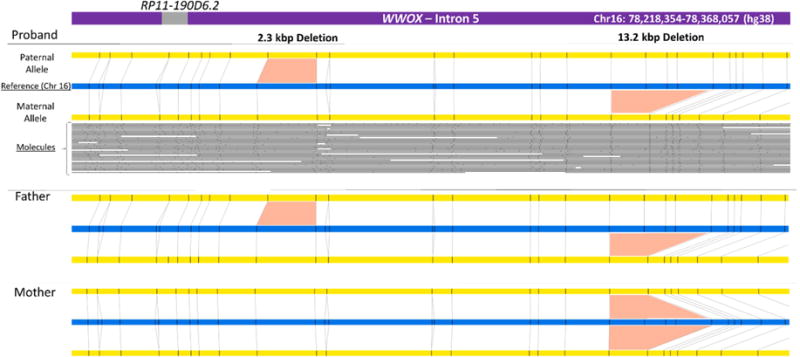
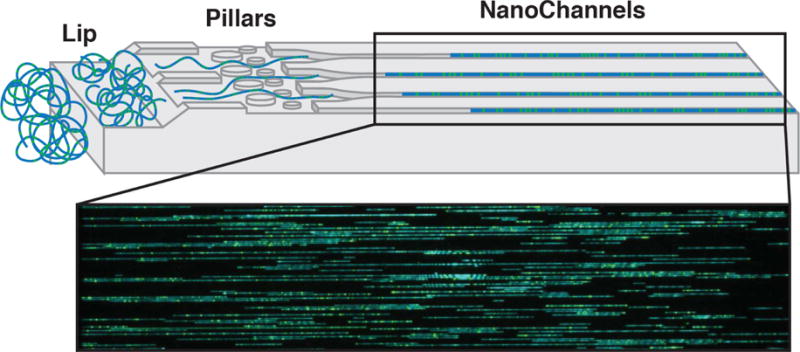
The elegant developmental biology experiments conducted in the 1940s by French physiologist Alfred Jost demonstrated that the sexual phenotype of a mammalian embryo depended whether the embryonic gonad develops into a testis or not. In humans, anomalies in the processes that regulate development of chromosomal, gonadal or anatomic sex result in a spectrum of conditions termed Disorders/Differences of Sex Development (DSD). Each of these conditions is rare, and understanding of their genetic etiology is still incomplete. Historically, DSD diagnoses have been difficult to establish due to the lack of standardization of anatomical and endocrine phenotyping procedures as well as genetic testing. Yet, a definitive diagnosis is critical for optimal management of the medical and psychosocial challenges associated with DSD conditions. The advent in the clinical realm of next-generation sequencing methods, with constantly decreasing price and turnaround time, has revolutionized the diagnostic process. Here we review the successes and limitations of the genetic methods currently available for DSD diagnosis, including Sanger sequencing, karyotyping, exome sequencing and chromosomal microarrays. While exome sequencing provides higher diagnostic rates, many patients still remain undiagnosed. Newer approaches, such as whole-genome sequencing and whole-genome mapping, along with gene expression studies, have the potential to identify novel DSD-causing genes and significantly increase total diagnostic yield, hopefully shortening the patient's journey to an accurate diagnosis and enhancing health-related quality-of-life outcomes for patients and families.
20 世纪 40 年代,法国生理学家阿尔弗雷德·约斯特(Alfred Jost)进行了一系列优雅的发育生物学实验,证明哺乳动物胚胎的性表型取决于胚胎性腺是否发育为睾丸。在人类中,调节染色体、性腺或解剖性别发育过程的异常会导致一系列被称为性发育障碍/差异(DSD)的病症。这些病症中的每一种都很少见,其遗传病因学仍不完全清楚。由于缺乏解剖学和内分泌表型程序以及基因检测的标准化,DSD 的诊断历来具有挑战性。然而,明确的诊断对于优化与 DSD 病症相关的医疗和心理社会挑战的管理至关重要。新一代测序方法在临床领域的出现,伴随着价格和周转时间的不断降低,彻底改变了诊断过程。在这里,我们回顾了目前用于 DSD 诊断的遗传方法的成功和局限性,包括 Sanger 测序、核型分析、外显子组测序和染色体微阵列。虽然外显子组测序提供了更高的诊断率,但仍有许多患者无法确诊。更新的方法,如全基因组测序和全基因组图谱,以及基因表达研究,有可能识别新的 DSD 致病基因,并显著提高总诊断率,有望缩短患者获得准确诊断的时间,并提高患者和家庭的健康相关生活质量。