Center for Genetic Medicine Research, Children's National Medical Center, Washington, DC, United States.
Center for Genetic Medicine Research, Children's National Medical Center, Washington, DC, United States; Department of Genomics and Precision Medicine, The George Washington University, Washington, DC, United States.
Curr Top Dev Biol. 2019;134:317-375. doi: 10.1016/bs.ctdb.2019.01.005. Epub 2019 Mar 20.
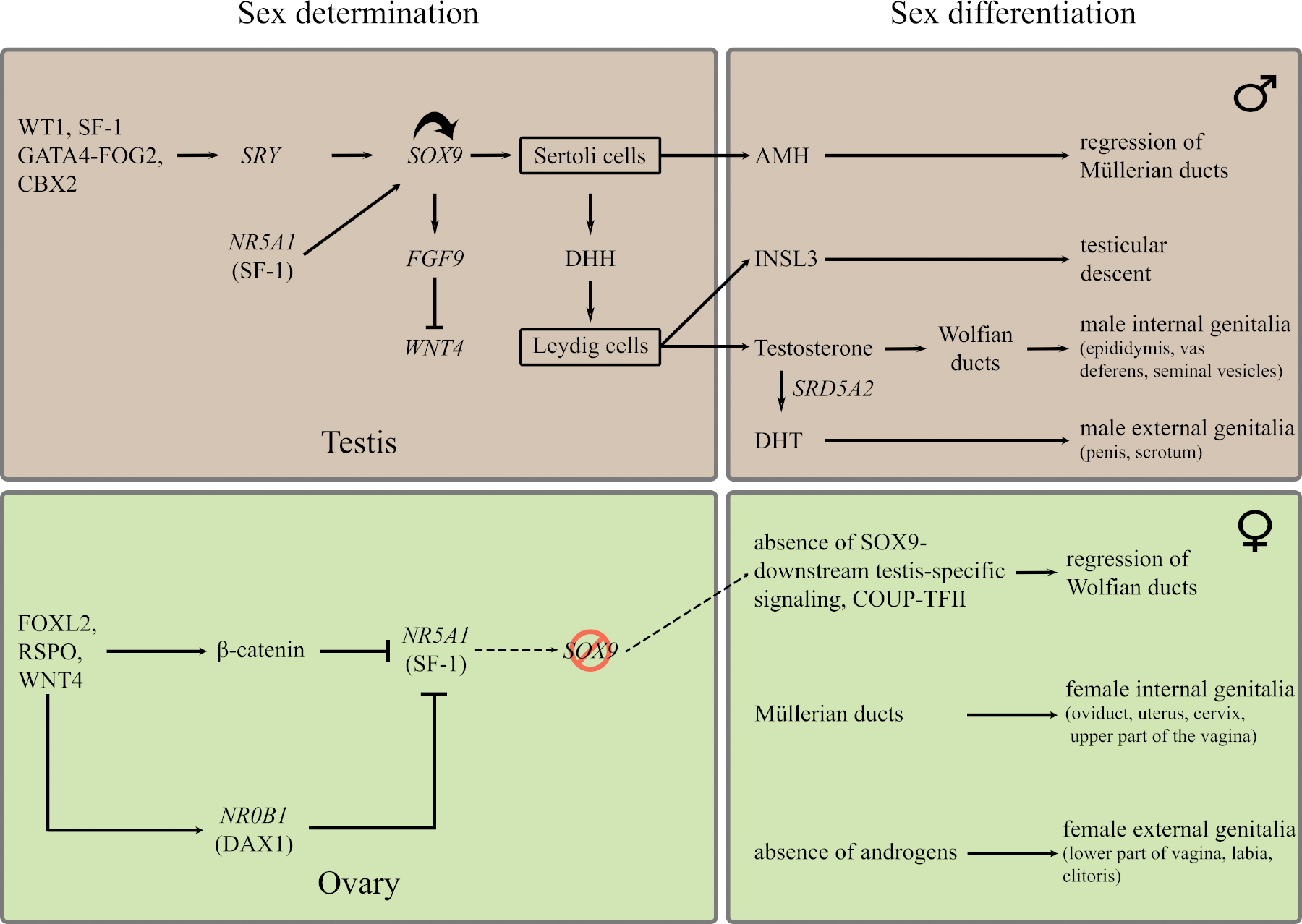
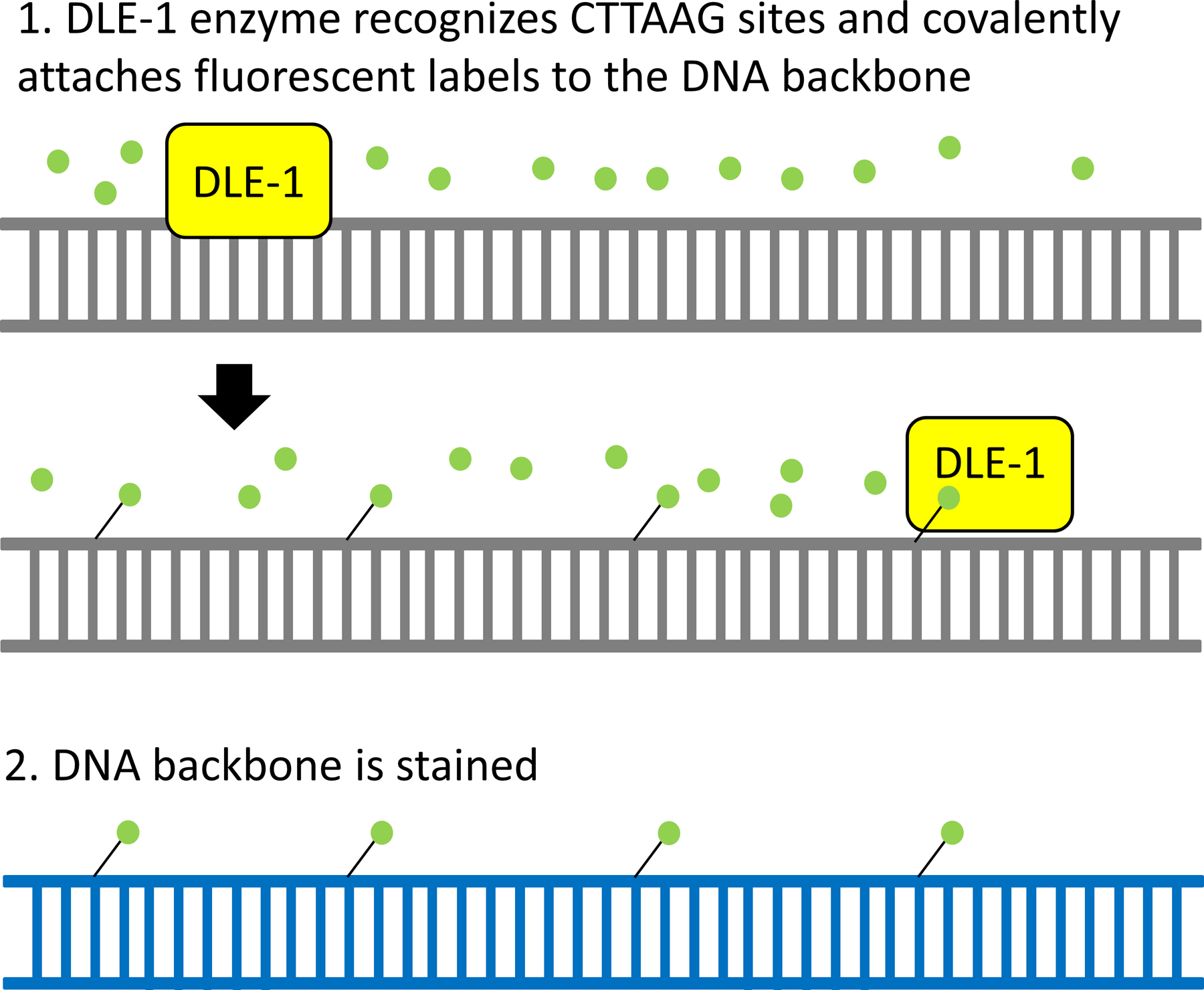
The medical and psychosocial challenges faced by patients living with Disorders/Differences of Sex Development (DSD) and their families can be alleviated by a rapid and accurate diagnostic process. Clinical diagnosis of DSD is limited by a lack of standardization of anatomical and endocrine phenotyping and genetic testing, as well as poor genotype/phenotype correlation. Historically, DSD genes have been identified through positional cloning of disease-associated variants segregating in families and validation of candidates in animal and in vitro modeling of variant pathogenicity. Owing to the complexity of conditions grouped under DSD, genome-wide scanning methods are better suited for identifying disease causing gene variant(s) and providing a clinical diagnosis. Here, we review a number of established genomic tools (karyotyping, chromosomal microarrays and exome sequencing) used in clinic for DSD diagnosis, as well as emerging genomic technologies such as whole-genome (short-read) sequencing, long-read sequencing, and optical mapping used for novel DSD gene discovery. These, together with gene expression and epigenetic studies can potentiate the clinical diagnosis of DSD diagnostic rates and enhance the outcomes for patients and families.
患有性别发育障碍/差异(DSD)的患者及其家属所面临的医学和心理社会挑战,可以通过快速准确的诊断过程得到缓解。DSD 的临床诊断受到解剖和内分泌表型以及基因检测缺乏标准化、基因型与表型相关性差的限制。从历史上看,DSD 基因是通过在家族中分离出与疾病相关的变异的定位克隆以及在动物和体外变异致病性模型中对候选基因的验证来确定的。由于 DSD 所包含的病症非常复杂,因此全基因组扫描方法更适合于确定致病基因突变,并提供临床诊断。在这里,我们回顾了一些用于 DSD 诊断的临床应用的已建立的基因组工具(核型分析、染色体微阵列和外显子测序),以及新兴的基因组技术,如全基因组(短读长)测序、长读长测序和光学作图,这些技术用于新的 DSD 基因发现。这些方法与基因表达和表观遗传学研究一起,可以提高 DSD 诊断率的临床诊断率,并改善患者和家属的治疗效果。