Thiebaut Flávia, Rojas Cristian A, Grativol Clícia, Calixto Edmundo P da R, Motta Mariana R, Ballesteros Helkin G F, Peixoto Barbara, de Lima Berenice N S, Vieira Lucas M, Walter Maria Emilia, de Armas Elvismary M, Entenza Júlio O P, Lifschitz Sergio, Farinelli Laurent, Hemerly Adriana S, Ferreira Paulo C G
Laboratório de Biologia Molecular de Plantas, Instituto de Bioquímica Médica Leopoldo de Meis, Universidade Federal do Rio de Janeiro, Rio de Janeiro 21941-901, Brazil.
Universidade Federal da INTEGRAÇÃO Latino-Americana, Foz do Iguaçu 85866-000, Brazil.
Noncoding RNA. 2017 Dec 20;3(4):25. doi: 10.3390/ncrna3040025.
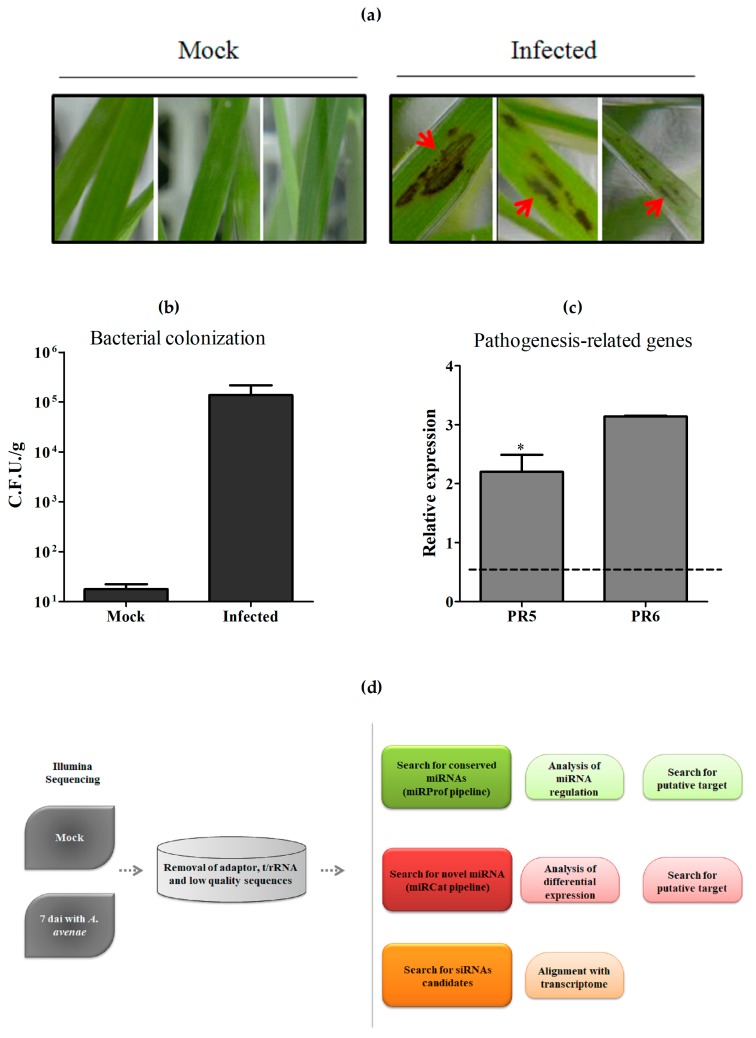
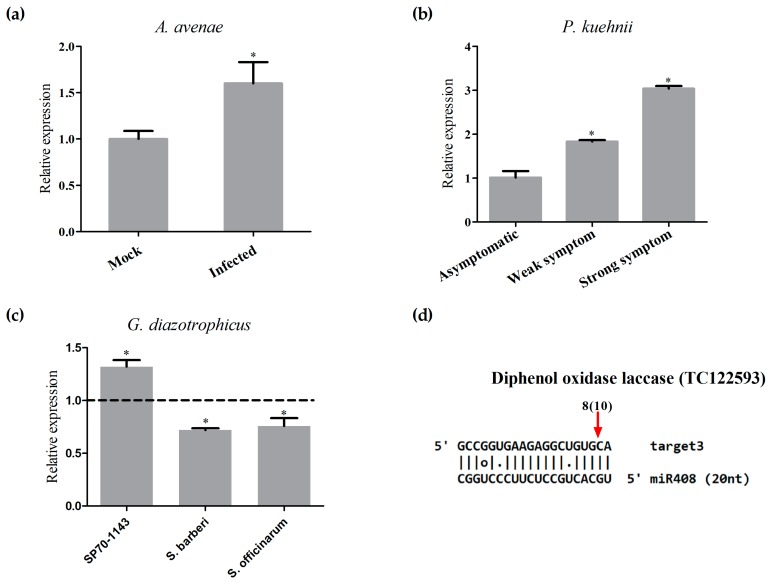
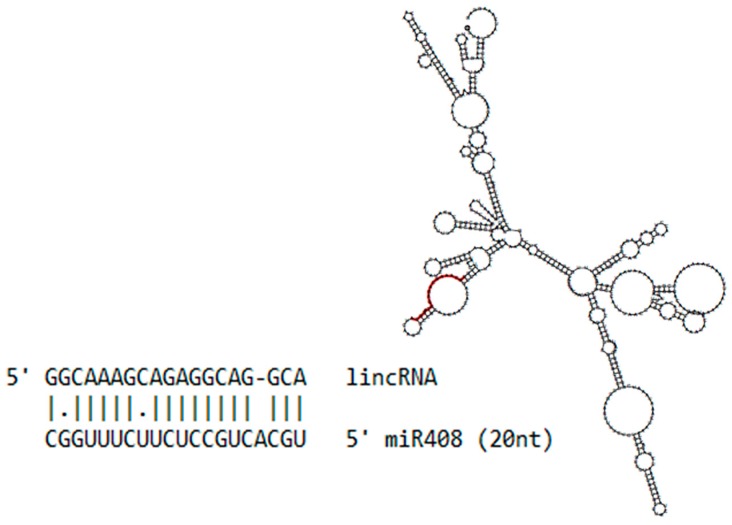
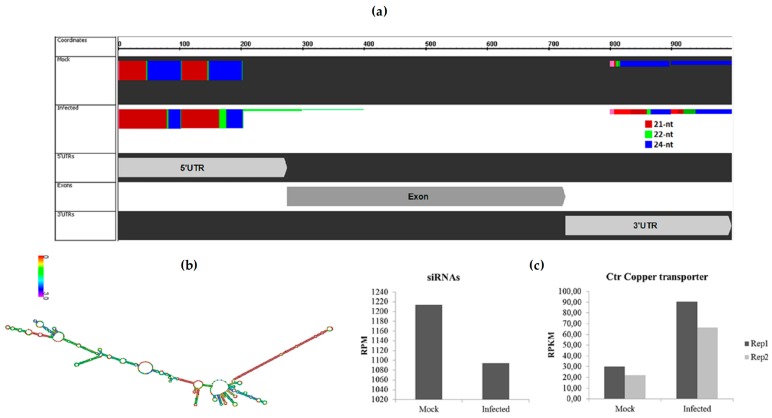
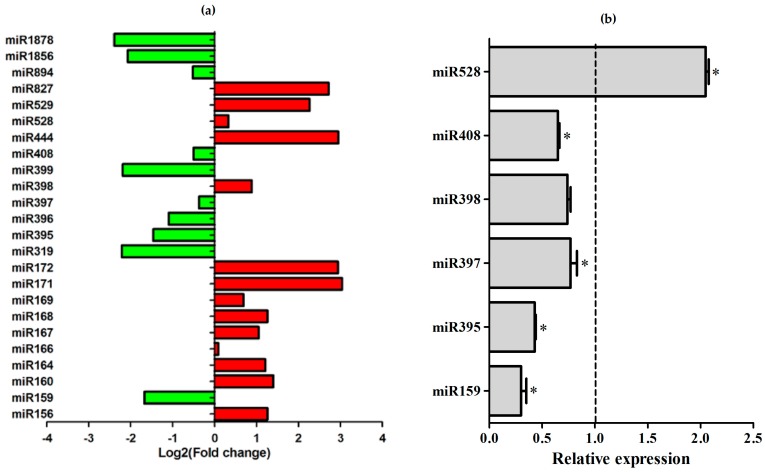
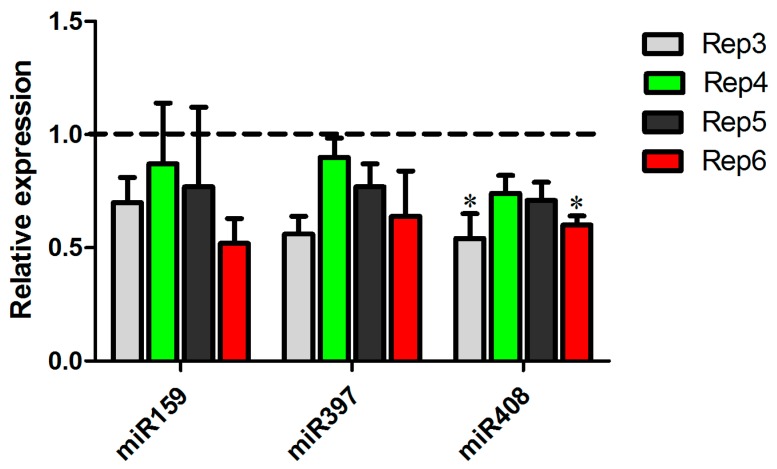
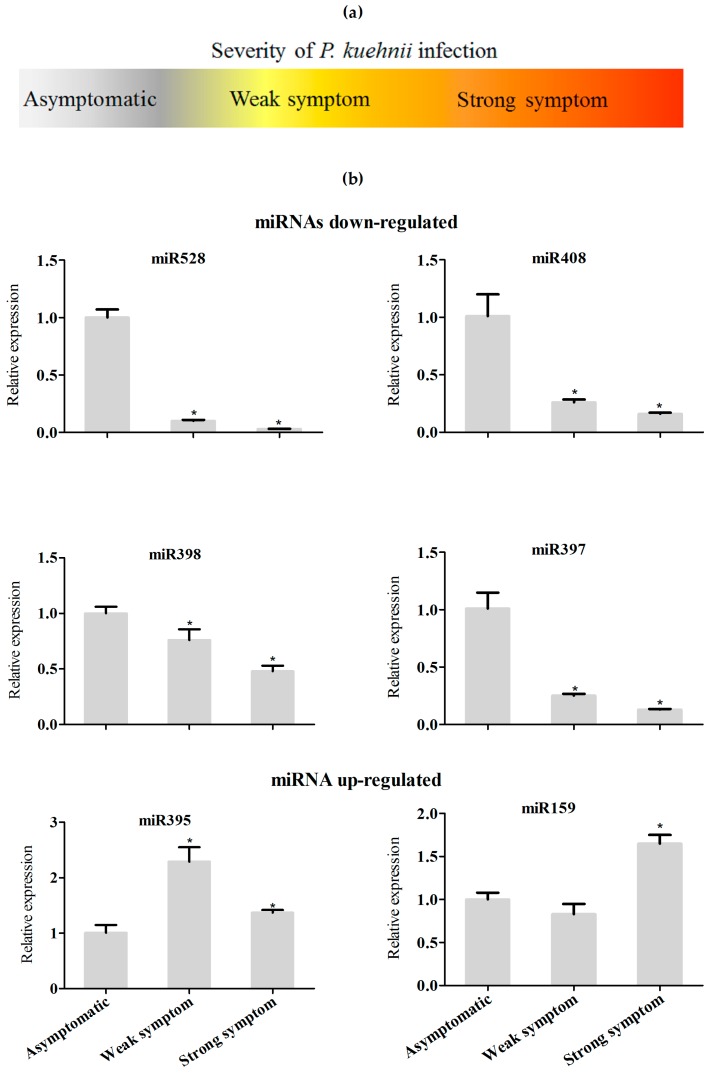
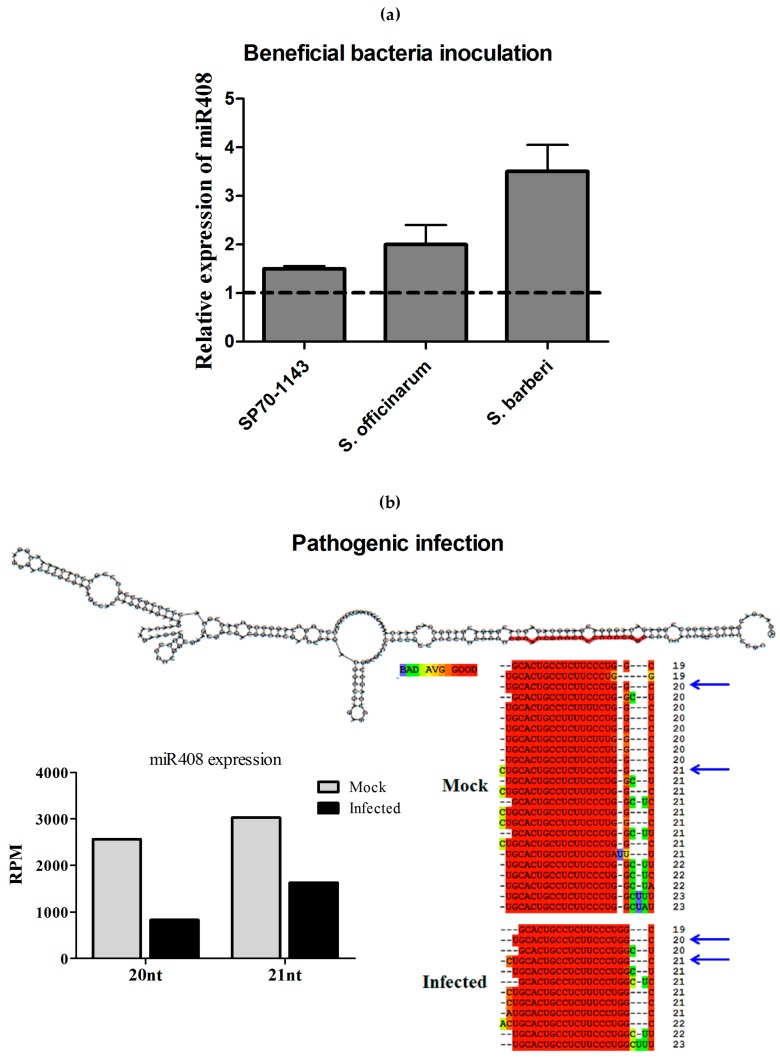
Studies have highlighted the importance of non-coding RNA regulation in plant-microbe interaction. However, the roles of sugarcane microRNAs (miRNAs) in the regulation of disease responses have not been investigated. Firstly, we screened the sRNA transcriptome of sugarcane infected with . Conserved and novel miRNAs were identified. Additionally, small interfering RNAs (siRNAs) were aligned to differentially expressed sequences from the sugarcane transcriptome. Interestingly, many siRNAs aligned to a transcript encoding a copper-transporter gene whose expression was induced in the presence of , while the siRNAs were repressed in the presence of . Moreover, a long intergenic non-coding RNA was identified as a potential target or decoy of miR408. To extend the bioinformatics analysis, we carried out independent inoculations and the expression patterns of six miRNAs were validated by quantitative reverse transcription-PCR (qRT-PCR). Among these miRNAs, miR408-a copper-microRNA-was downregulated. The cleavage of a putative miR408 target, a laccase, was confirmed by a modified 5'RACE (rapid amplification of cDNA ends) assay. MiR408 was also downregulated in samples infected with other pathogens, but it was upregulated in the presence of a beneficial diazotrophic bacteria. Our results suggest that regulation by miR408 is important in sugarcane sensing whether microorganisms are either pathogenic or beneficial, triggering specific miRNA-mediated regulatory mechanisms accordingly.
研究突出了非编码RNA调控在植物与微生物相互作用中的重要性。然而,甘蔗微小RNA(miRNA)在疾病反应调控中的作用尚未得到研究。首先,我们筛选了感染[具体病原体未给出]的甘蔗的小RNA转录组。鉴定出了保守和新的miRNA。此外,小干扰RNA(siRNA)与甘蔗转录组中差异表达的序列进行了比对。有趣的是,许多siRNA与一个编码铜转运蛋白基因的转录本比对,该基因的表达在[具体条件未给出]存在时被诱导,而在[具体条件未给出]存在时siRNA被抑制。此外,一个长链基因间非编码RNA被鉴定为miR408的潜在靶标或诱饵。为了扩展生物信息学分析,我们进行了独立接种,并通过定量逆转录PCR(qRT-PCR)验证了六种miRNA的表达模式。在这些miRNA中(其中miR408-a铜相关miRNA-)表达下调。通过改良的5'RACE(cDNA末端快速扩增)试验证实了假定的miR408靶标漆酶的切割。在感染其他病原体的样本中miR408也下调,但在有益固氮细菌存在时上调。我们的结果表明,miR408的调控在甘蔗感知微生物是致病还是有益方面很重要,并相应地触发特定的miRNA介导的调控机制。