Emerg Infect Dis. 2018 May;24(5):821-826. doi: 10.3201/eid2405.171609.
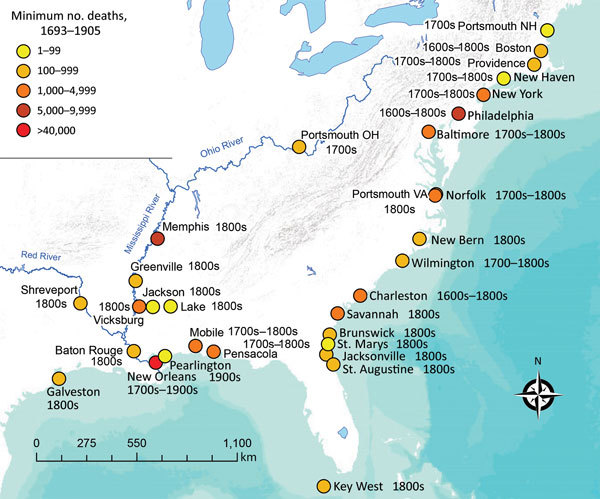
The introduction and spread of West Nile virus and the recent introduction of chikungunya and Zika viruses into the Americas have raised concern about the potential for various tropical pathogens to become established in North America. A historical analysis of yellow fever and malaria incidences in the United States suggests that it is not merely a temperate climate that keeps these pathogens from becoming established. Instead, socioeconomic changes are the most likely explanation for why these pathogens essentially disappeared from the United States yet remain a problem in tropical areas. In contrast to these anthroponotic pathogens that require humans in their transmission cycle, zoonotic pathogens are only slightly affected by socioeconomic factors, which is why West Nile virus became established in North America. In light of increasing globalization, we need to be concerned about the introduction of pathogens such as Rift Valley fever, Japanese encephalitis, and Venezuelan equine encephalitis viruses.
西尼罗河病毒的传入和传播,以及寨卡病毒和基孔肯雅热病毒最近传入美洲,引起了人们对各种热带病原体在北美定殖的可能性的关注。对美国黄热病和疟疾发病率的历史分析表明,使这些病原体无法在北美的不仅仅是温带气候。相反,社会经济变化是这些病原体基本上从美国消失但仍在热带地区造成问题的最可能解释。与这些在其传播周期中需要人类的人源病原体不同,人畜共患病病原体受社会经济因素的影响较小,这就是为什么西尼罗河病毒在北美得以定殖的原因。鉴于全球化的不断增加,我们需要关注裂谷热病毒、日本脑炎病毒和委内瑞拉马脑炎病毒等病原体的引入。