Peter Medawar Building for Pathogen Research, University of Oxford, Oxford OX2 3SY, UK.
Reithera SRL (formerly Okairos SRL), Viale Città d'Europa 679, 00144 Rome, Italy.
Cell Rep. 2018 Apr 17;23(3):768-782. doi: 10.1016/j.celrep.2018.03.074.
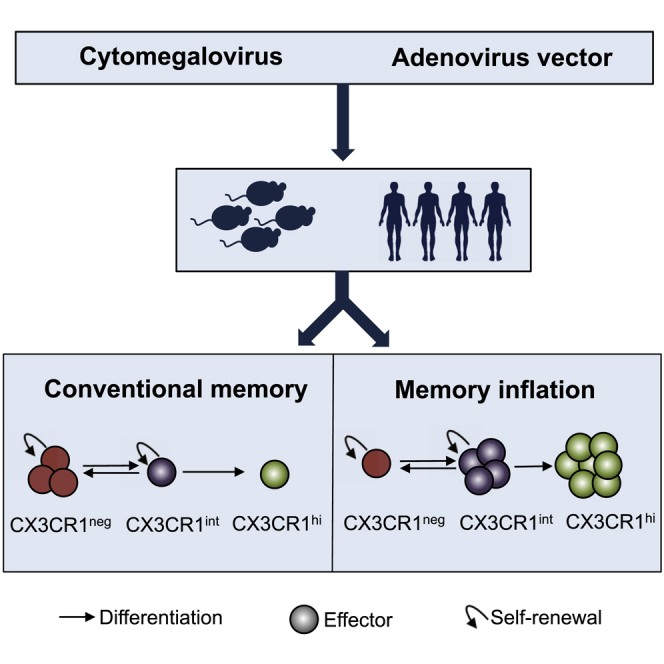
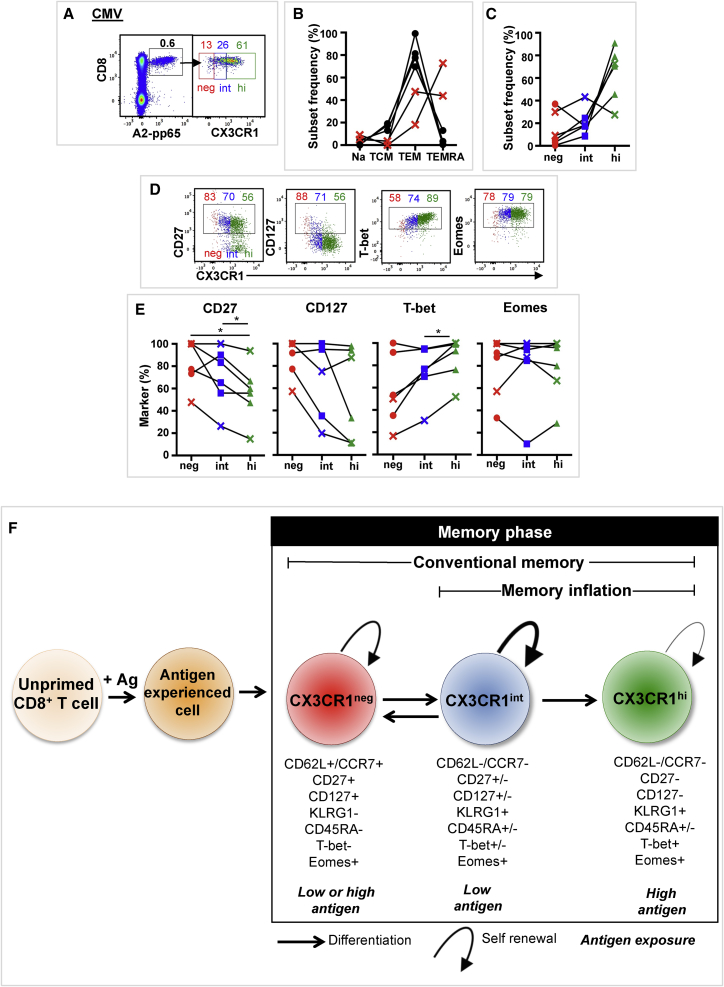
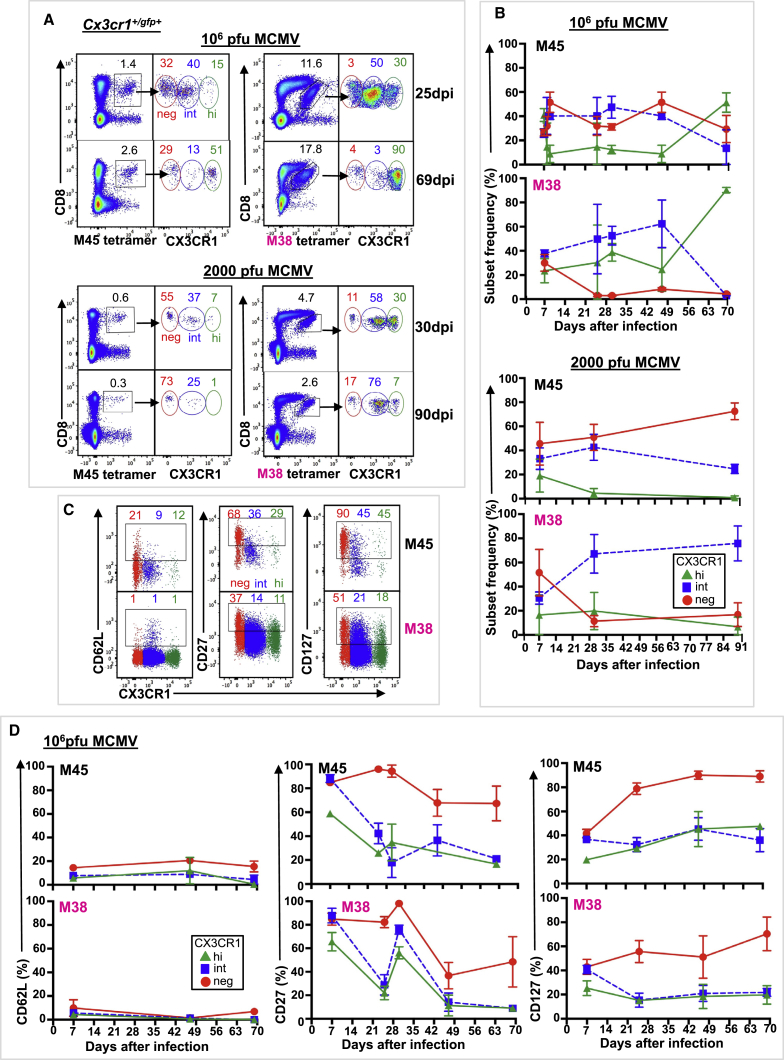
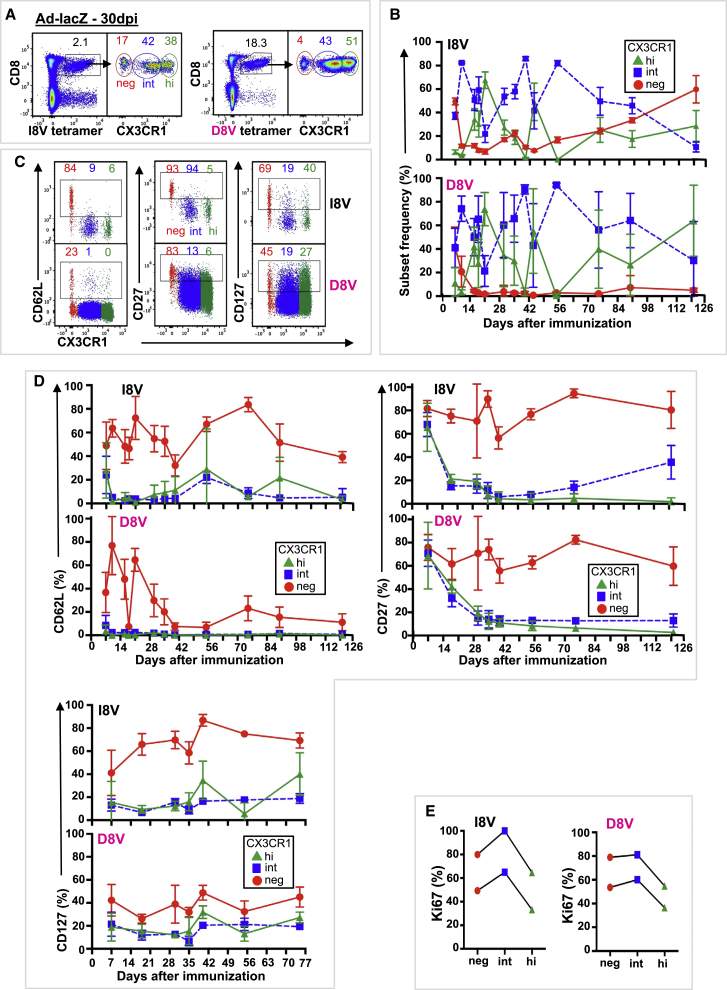
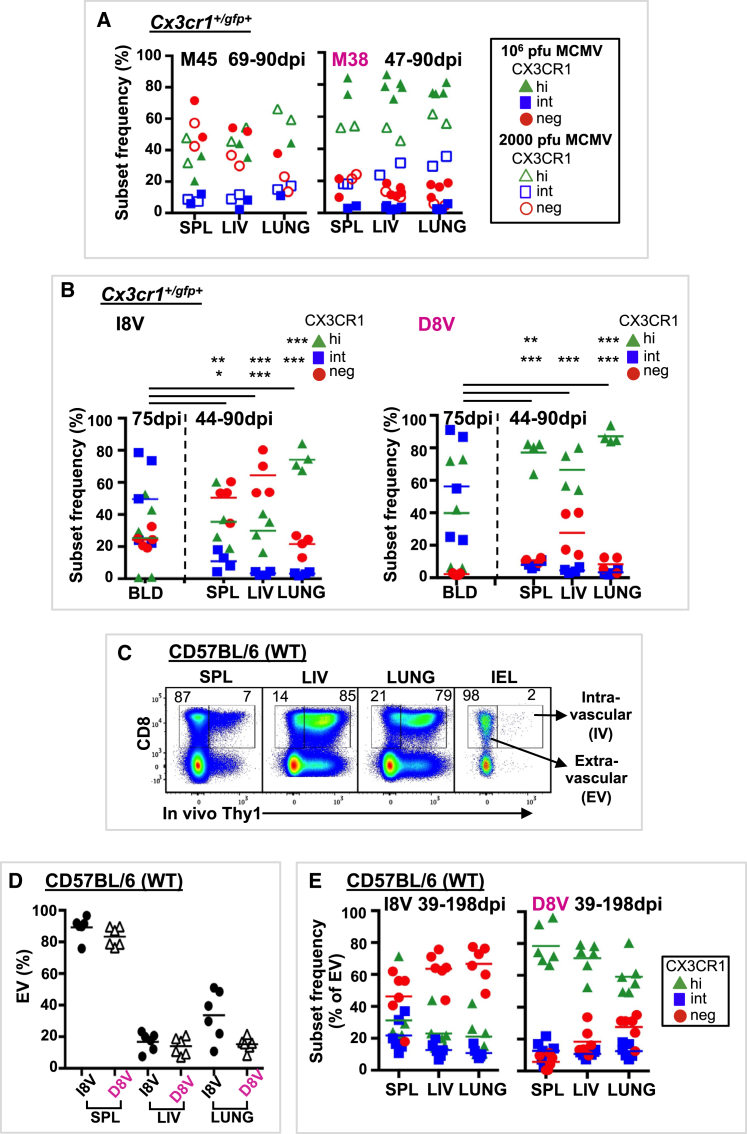
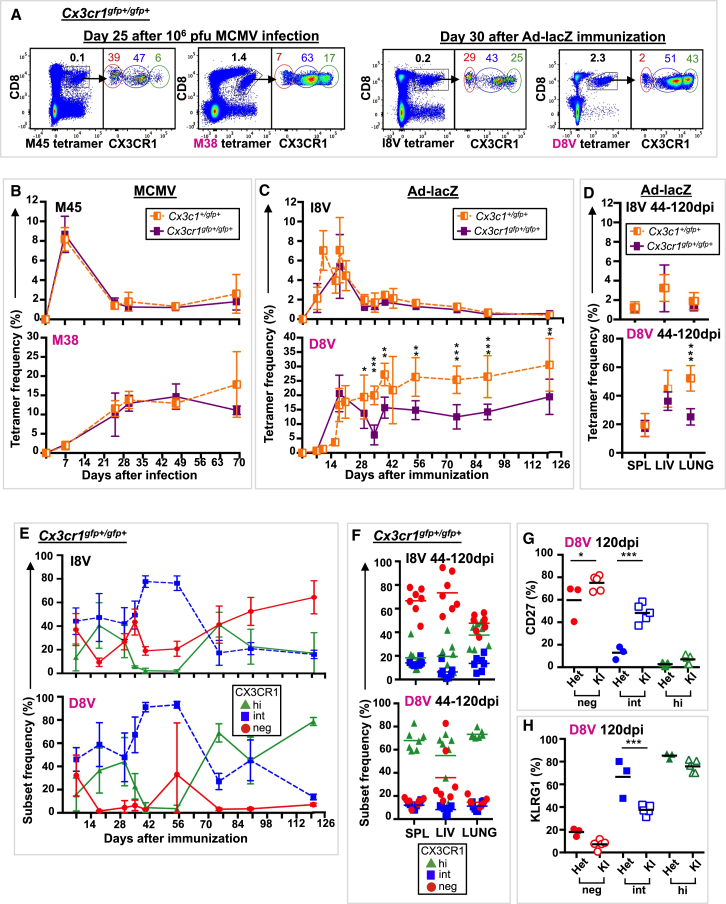
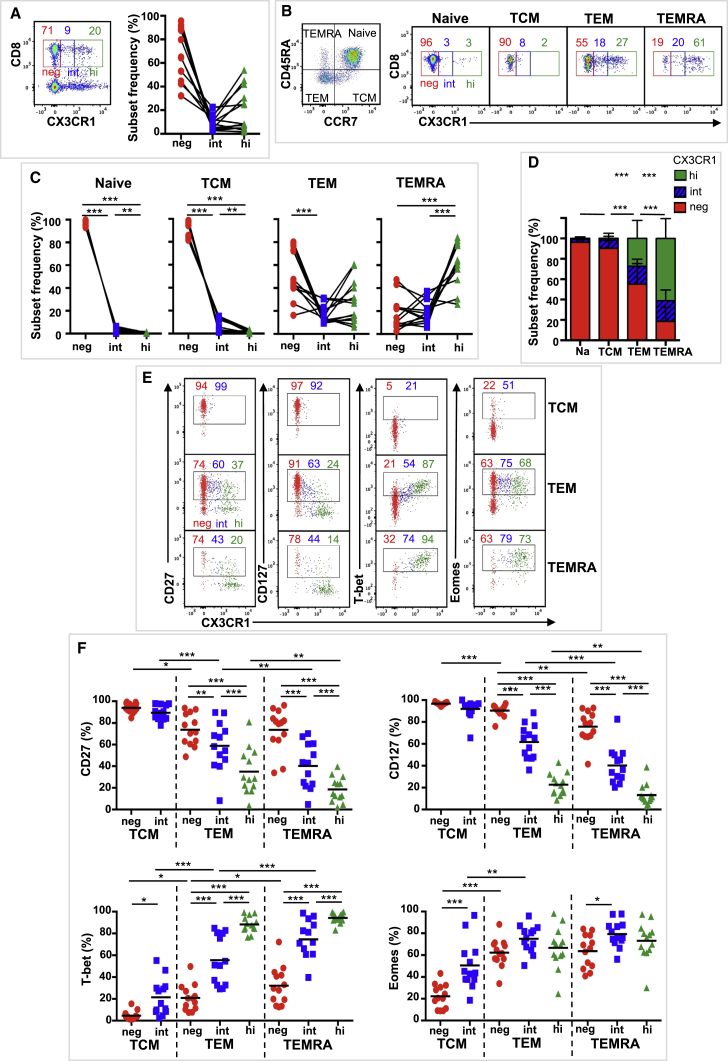
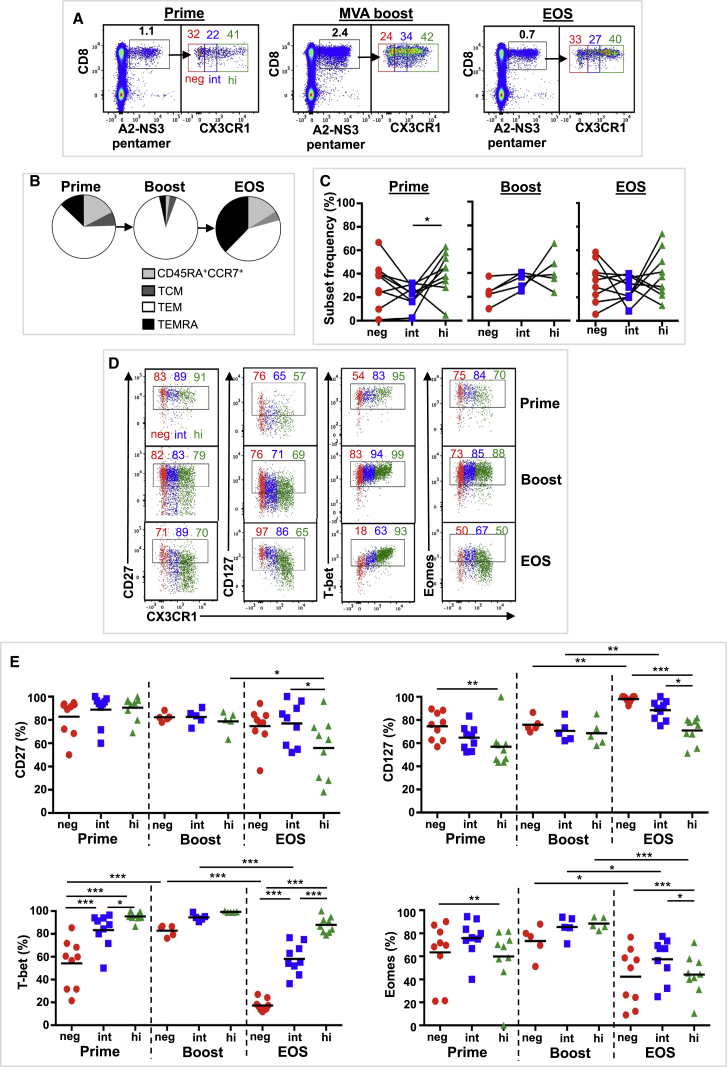
The induction and maintenance of T cell memory is critical to the success of vaccines. A recently described subset of memory CD8 T cells defined by intermediate expression of the chemokine receptor CX3CR1 was shown to have self-renewal, proliferative, and tissue-surveillance properties relevant to vaccine-induced memory. We tracked these cells when memory is sustained at high levels: memory inflation induced by cytomegalovirus (CMV) and adenovirus-vectored vaccines. In mice, both CMV and vaccine-induced inflationary T cells showed sustained high levels of CX3R1 cells exhibiting an effector-memory phenotype, characteristic of inflationary pools, in early memory. In humans, CX3CR1 CD8 T cells were strongly induced following adenovirus-vectored vaccination for hepatitis C virus (HCV) (ChAd3-NSmut) and during natural CMV infection and were associated with a memory phenotype similar to that in mice. These data indicate that CX3CR1 cells form an important component of the memory pool in response to persistent viruses and vaccines in both mice and humans.
T 细胞记忆的诱导和维持对于疫苗的成功至关重要。最近描述的一组记忆性 CD8 T 细胞亚群,其特征是中间表达趋化因子受体 CX3CR1,具有自我更新、增殖和组织监测的特性,与疫苗诱导的记忆有关。当记忆维持在高水平时,我们追踪这些细胞:巨细胞病毒 (CMV) 和腺病毒载体疫苗诱导的记忆膨胀。在小鼠中,CMV 和疫苗诱导的膨胀 T 细胞在早期记忆中持续表现出高水平的 CX3R1 细胞,表现出效应记忆表型,这是膨胀池的特征。在人类中,丙型肝炎病毒 (HCV) 的腺病毒载体疫苗 (ChAd3-NSmut) 接种后和自然 CMV 感染后,CX3CR1 CD8 T 细胞被强烈诱导,并与类似于小鼠的记忆表型相关。这些数据表明,CX3CR1 细胞在小鼠和人类中对持续性病毒和疫苗的反应中,形成了记忆池的重要组成部分。