Peter Medawar Building and Translational Gastroenterology Unit, Oxford, United Kingdom.
Schweizerischer Apothekerverband, pharmaSuisse, Bern, Switzerland.
PLoS Pathog. 2017 Dec 27;13(12):e1006782. doi: 10.1371/journal.ppat.1006782. eCollection 2017 Dec.
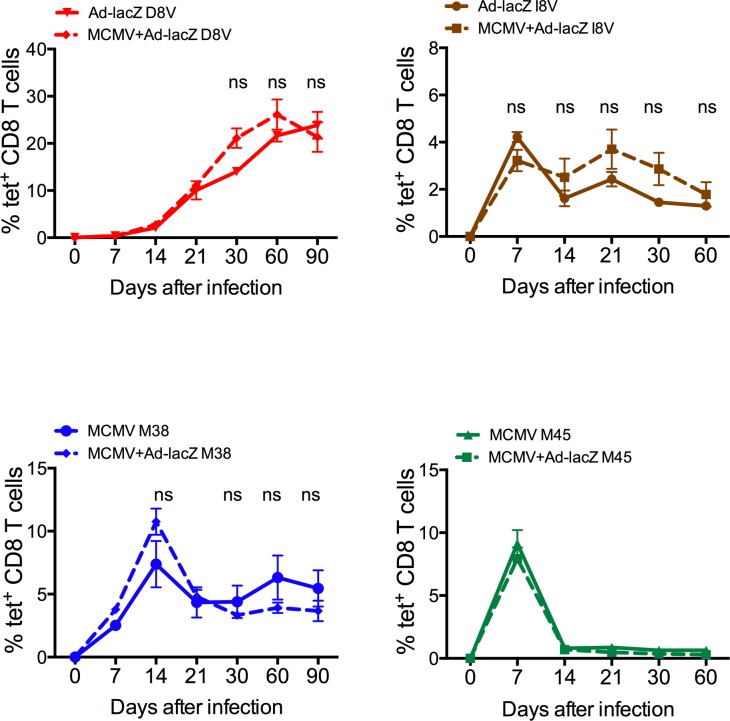
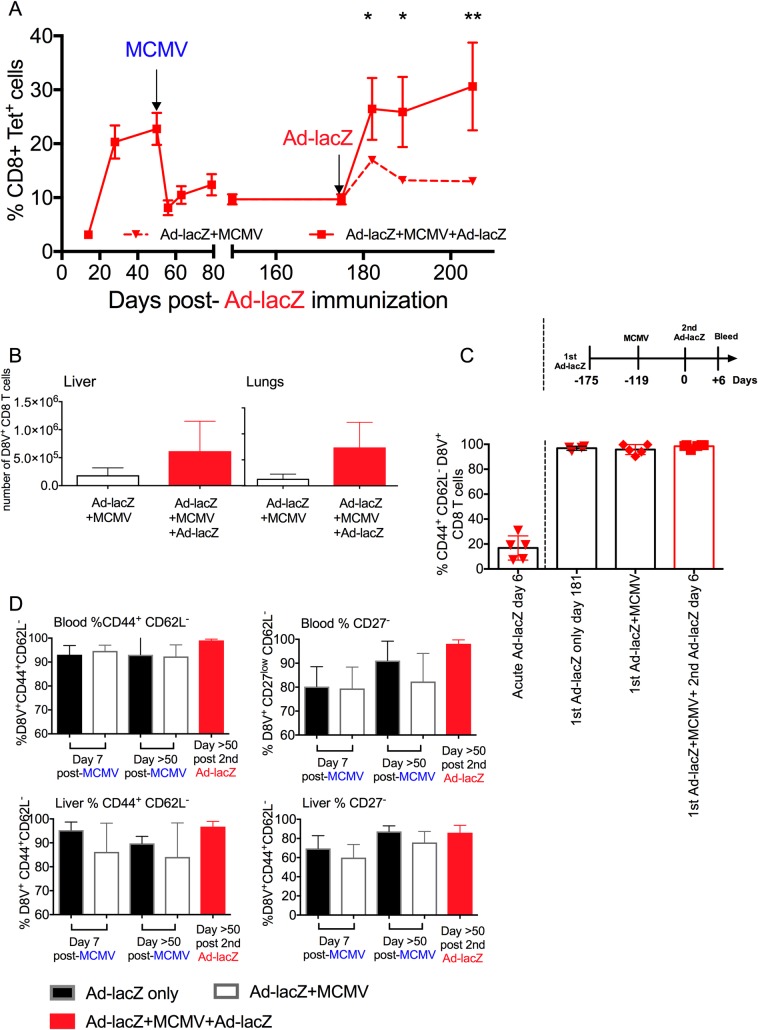
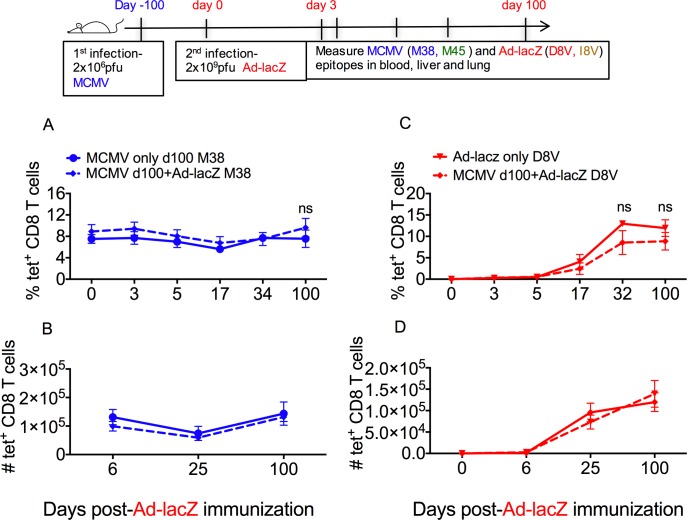
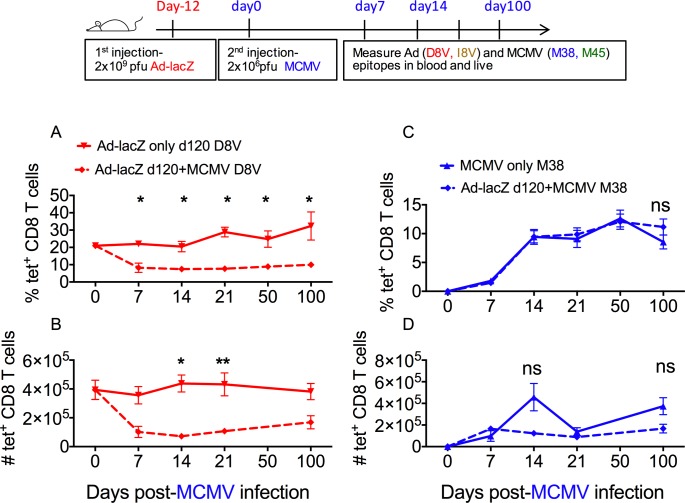
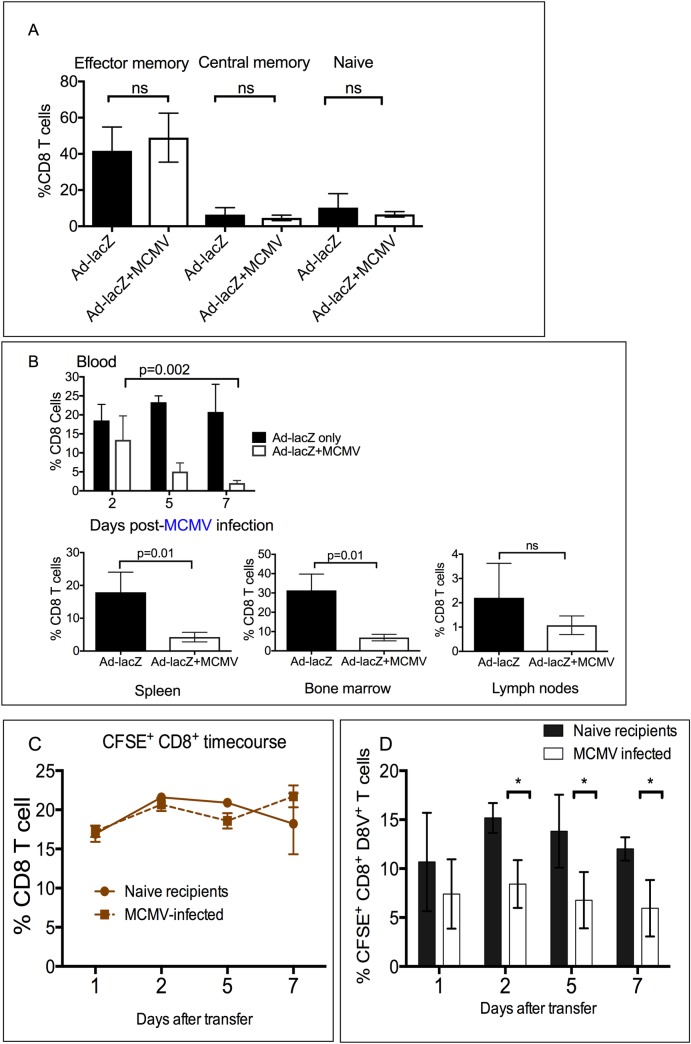
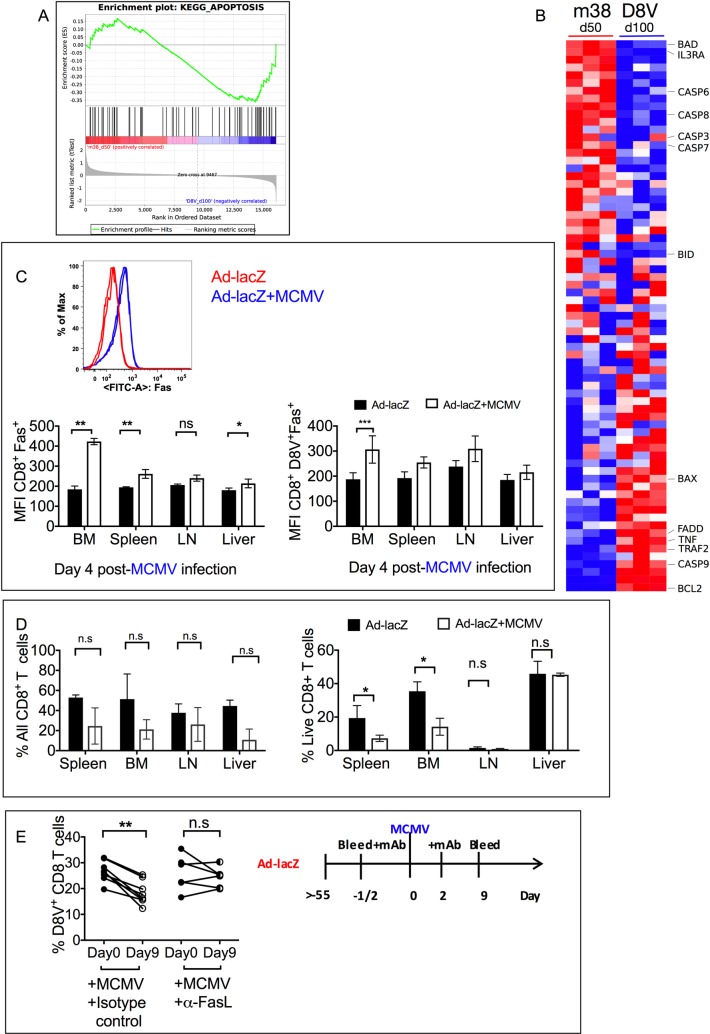
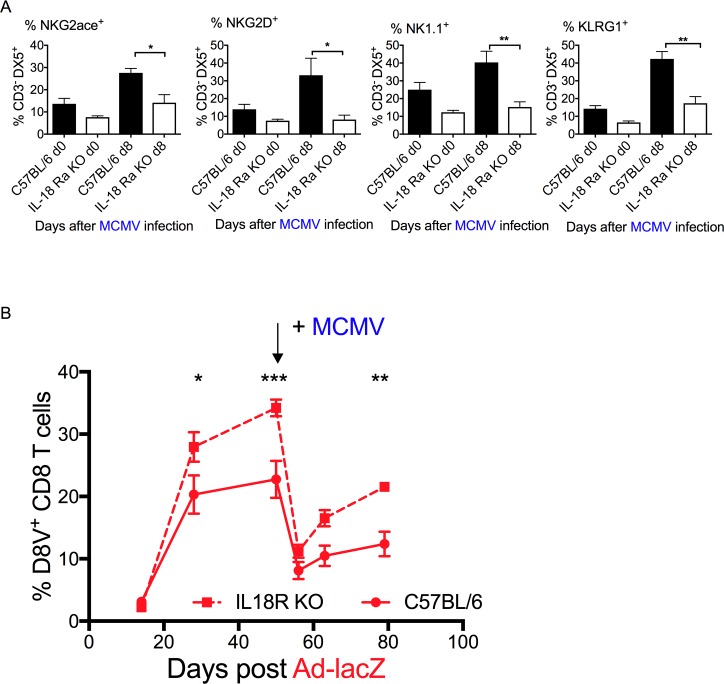
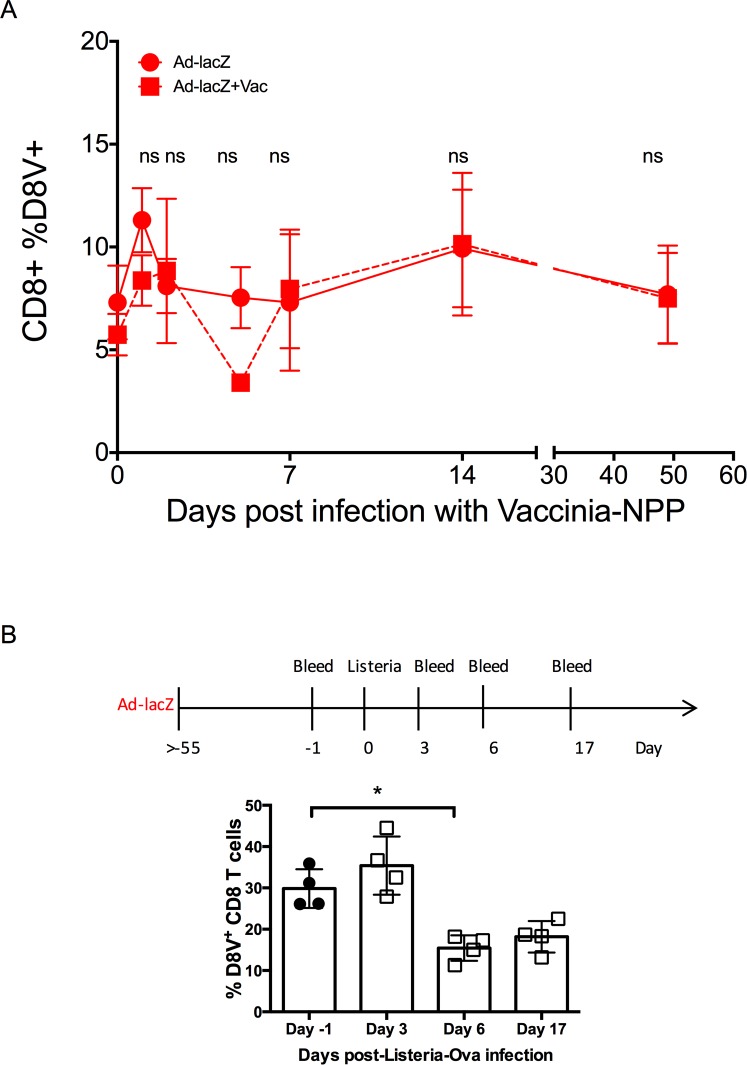
The efficacies of many new T cell vaccines rely on generating large populations of long-lived pathogen-specific effector memory CD8 T cells. However, it is now increasingly recognized that prior infection history impacts on the host immune response. Additionally, the order in which these infections are acquired could have a major effect. Exploiting the ability to generate large sustained effector memory (i.e. inflationary) T cell populations from murine cytomegalovirus (MCMV) and human Adenovirus-subtype (AdHu5) 5-beta-galactosidase (Ad-lacZ) vector, the impact of new infections on pre-existing memory and the capacity of the host's memory compartment to accommodate multiple inflationary populations from unrelated pathogens was investigated in a murine model. Simultaneous and sequential infections, first with MCMV followed by Ad-lacZ, generated inflationary populations towards both viruses with similar kinetics and magnitude to mono-infected groups. However, in Ad-lacZ immune mice, subsequent acute MCMV infection led to a rapid decline of the pre-existing Ad-LacZ-specific inflating population, associated with bystander activation of Fas-dependent apoptotic pathways. However, responses were maintained long-term and boosting with Ad-lacZ led to rapid re-expansion of the inflating population. These data indicate firstly that multiple specificities of inflating memory cells can be acquired at different times and stably co-exist. Some acute infections may also deplete pre-existing memory populations, thus revealing the importance of the order of infection acquisition. Importantly, immunization with an AdHu5 vector did not alter the size of the pre-existing memory. These phenomena are relevant to the development of adenoviral vectors as novel vaccination strategies for diverse infections and cancers. (241 words).
许多新的 T 细胞疫苗的疗效依赖于产生大量的长寿病原体特异性效应记忆 CD8 T 细胞。然而,现在人们越来越认识到,先前的感染史会影响宿主的免疫反应。此外,这些感染的先后顺序可能会产生重大影响。利用从鼠巨细胞病毒(MCMV)和人腺病毒亚型(AdHu5)5-β-半乳糖苷酶(Ad-lacZ)载体中产生大量持续的效应记忆(即膨胀)T 细胞群体的能力,在小鼠模型中研究了新感染对先前存在的记忆的影响以及宿主记忆区容纳来自无关病原体的多个膨胀群体的能力。MCMV 随后是 Ad-lacZ 的同时和顺序感染产生了针对两种病毒的膨胀群体,其动力学和幅度与单感染组相似。然而,在 Ad-lacZ 免疫小鼠中,随后的急性 MCMV 感染导致先前存在的 Ad-LacZ 特异性膨胀群体迅速减少,伴随着 Fas 依赖性凋亡途径的旁观者激活。然而,反应长期维持,并用 Ad-lacZ 进行加强导致膨胀群体迅速重新扩张。这些数据首先表明,多个膨胀记忆细胞的特异性可以在不同时间获得,并稳定共存。一些急性感染也可能耗尽先前存在的记忆群体,从而揭示了感染获得顺序的重要性。重要的是,用 AdHu5 载体免疫不会改变先前存在的记忆的大小。这些现象与腺病毒载体作为针对多种感染和癌症的新型疫苗接种策略的发展有关。(241 个单词)。