Lim Liang Hooi, Idris Zamzuri, Reza Faruque, Wan Hassan Wan Mohd Nazaruddin, Mukmin Laila Abd, Abdullah Jafri Malin
Department of Neurosciences, School of Medical Sciences, Universiti Sains Malaysia, 16150 Kubang Kerian, Kelantan, Malaysia.
Center for Neuroscience Service and Research, School of Medical Sciences, Universiti Sains, 16150 Kubang Kerian, Kelantan, Malaysia.
Asian J Neurosurg. 2018 Apr-Jun;13(2):507-513. doi: 10.4103/ajns.AJNS_176_16.
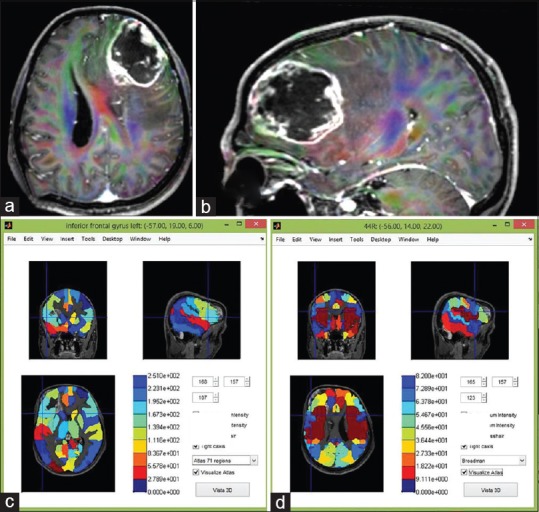
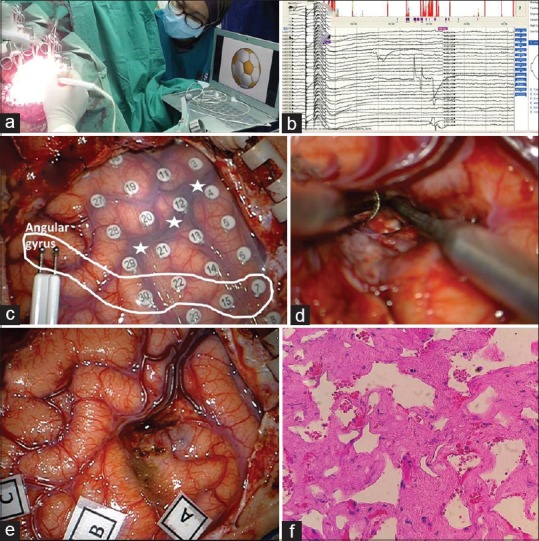
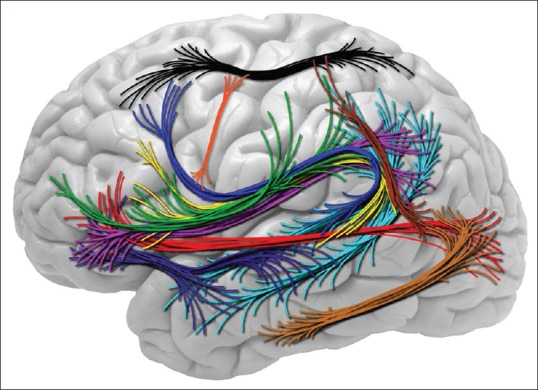
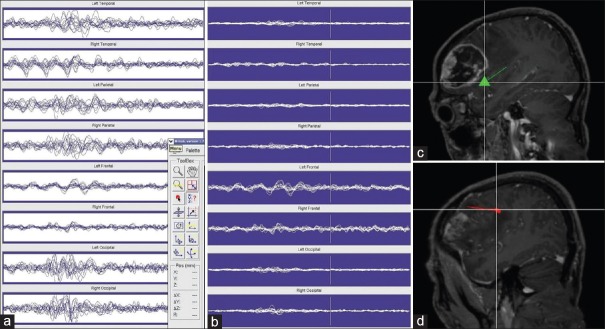
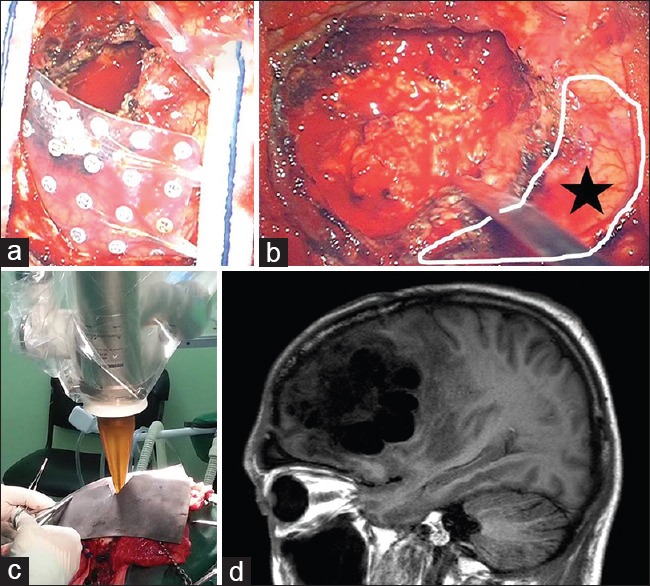
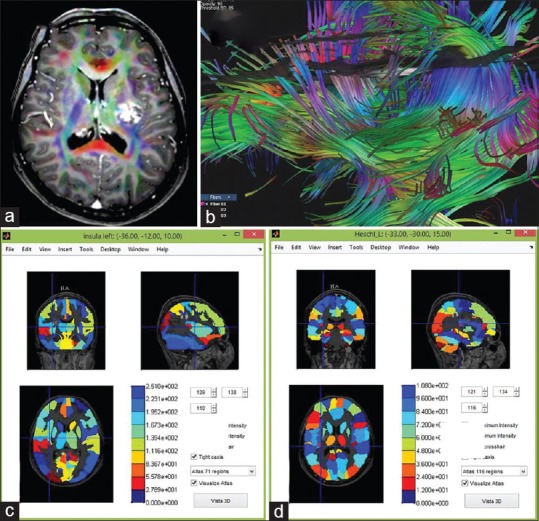
The role of language in communication plays a crucial role in human development and function. In patients who have a surgical lesion at the functional language areas, surgery should be intricately planned to avoid incurring further morbidity. This normally requires extensive functional and anatomical mappings of the brain to identify regions that are involved in language processing and production. In our case report, regions of the brain that are important for language functions were studied before surgery by employing (a) extraoperative methods such as functional magnetic resonance imaging, transmagnetic stimulation, and magnetoencephalography; (b) during the surgery by utilizing intraoperative awake surgical methods such as an intraoperative electrical stimulation; and (c) a two-stage surgery, in which electrical stimulation and first mapping are made thoroughly in the ward before second remapping during surgery. The extraoperative methods before surgery can guide the neurosurgeon to localize the functional language regions and tracts preoperatively. This will be confirmed using single-stage intraoperative electrical brain stimulation during surgery or a two-stage electrical brain stimulation before and during surgery. Here, we describe two cases in whom one has a superficial lesion and another a deep-seated lesion at language-related regions, in which language mapping was done to preserve its function. Additional review on the neuroanatomy of language regions, language network, and its impairment was also described.
语言在交流中的作用在人类发展和功能中起着至关重要的作用。对于在语言功能区有手术病变的患者,手术应精心规划,以避免引发进一步的发病风险。这通常需要对大脑进行广泛的功能和解剖映射,以确定参与语言处理和生成的区域。在我们的病例报告中,通过以下方式在手术前研究了对语言功能重要的脑区:(a)采用术中功能磁共振成像、经磁刺激和脑磁图等术中方法;(b)在手术过程中利用术中清醒手术方法,如术中电刺激;(c)两阶段手术,即在病房中进行彻底的电刺激和首次映射,然后在手术期间进行第二次映射。手术前的术中方法可以指导神经外科医生在术前定位功能语言区和神经束。这将通过手术期间的单阶段术中脑电刺激或手术前和手术期间的两阶段脑电刺激来确认。在此,我们描述了两例病例,其中一例在语言相关区域有浅表病变,另一例有深部病变,对其进行了语言映射以保留其功能。还描述了对语言区的神经解剖学、语言网络及其损伤的额外综述。