Jaglin Mathilde, Rhimi Moez, Philippe Catherine, Pons Nicolas, Bruneau Aurélia, Goustard Bénédicte, Daugé Valérie, Maguin Emmanuelle, Naudon Laurent, Rabot Sylvie
Micalis Institute, Institut National de la Recherche Agronomique, AgroParisTech, Université Paris-Saclay, Jouy-en-Josas, France.
MetaGenoPolis, Institut National de la Recherche Agronomique, Université Paris-Saclay, Jouy-en-Josas, France.
Front Neurosci. 2018 Apr 9;12:216. doi: 10.3389/fnins.2018.00216. eCollection 2018.
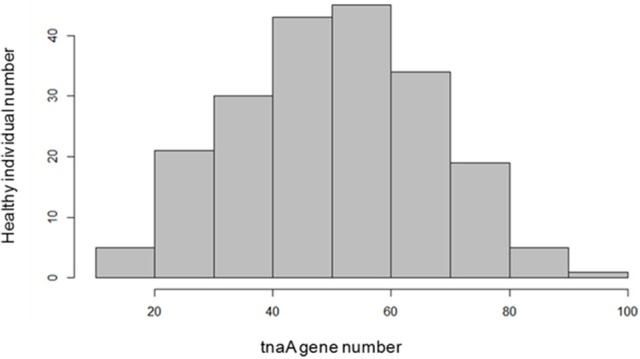
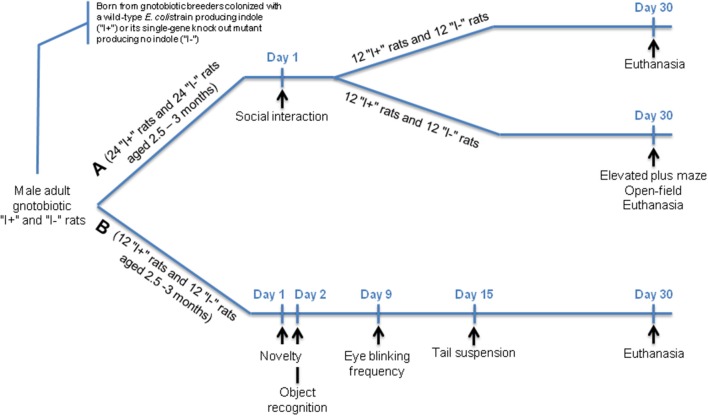
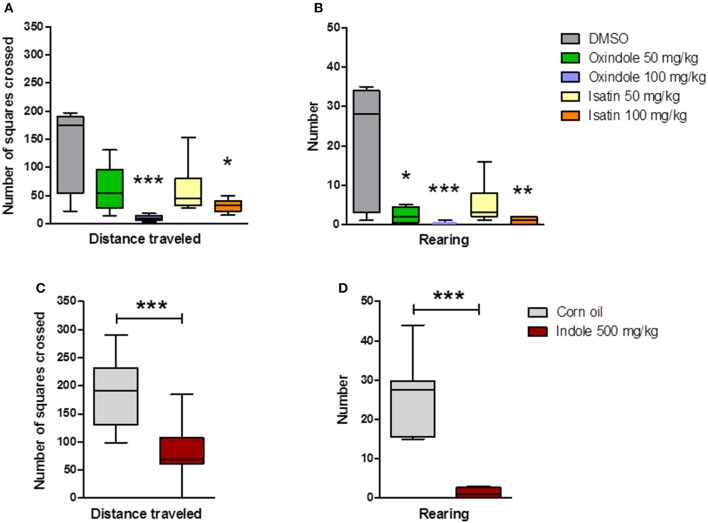
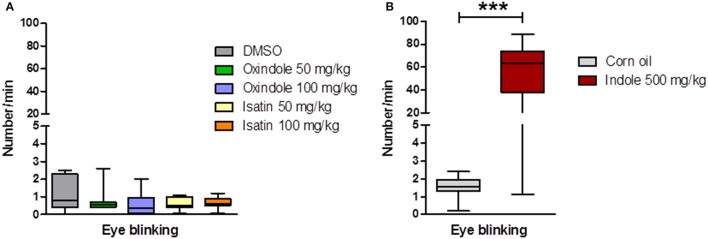
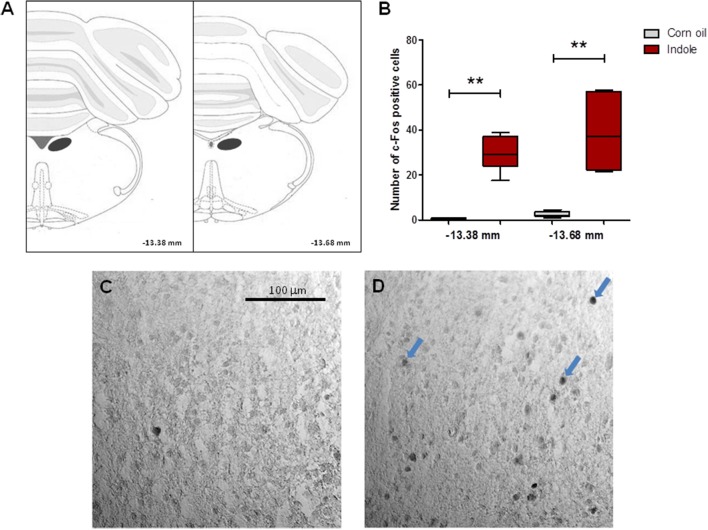
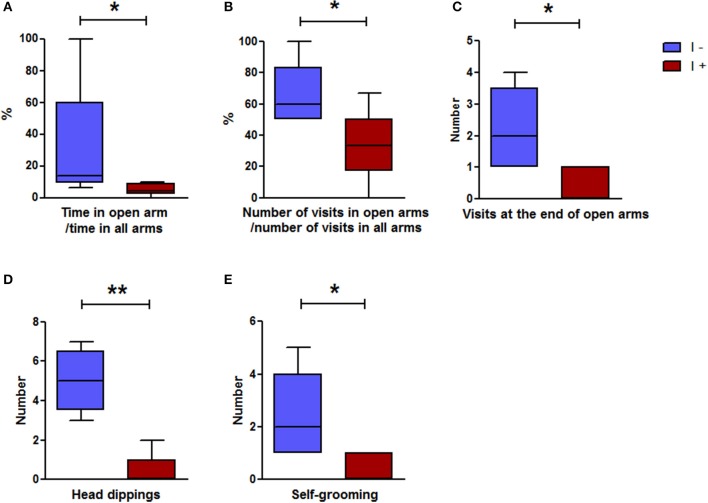
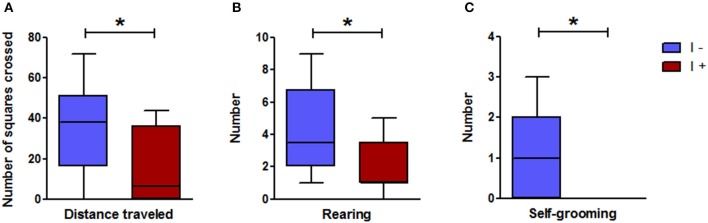
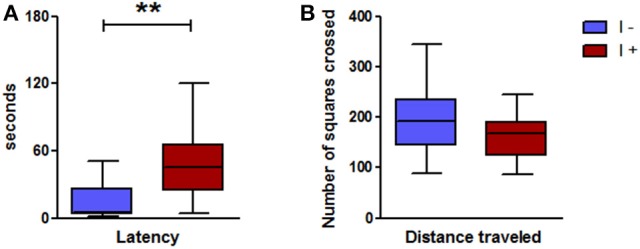
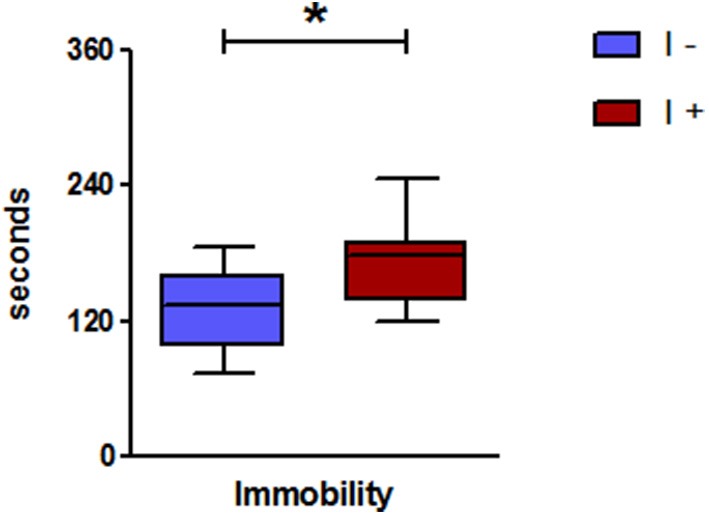
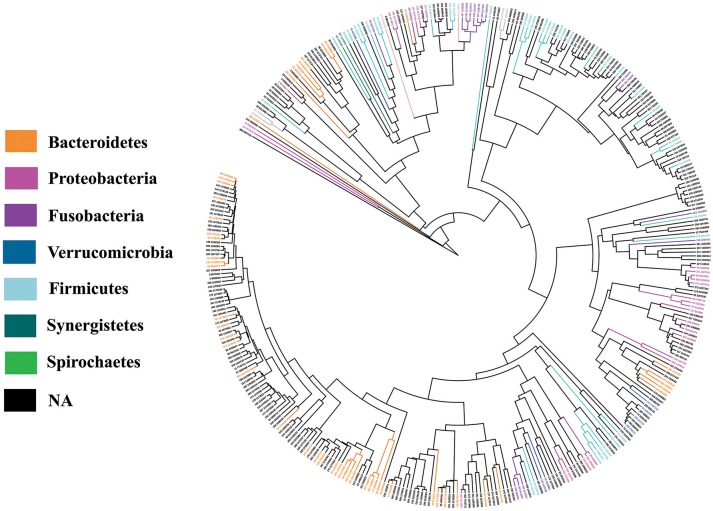
Gut microbiota produces a wide and diverse array of metabolites that are an integral part of the host metabolome. The emergence of the gut microbiome-brain axis concept has prompted investigations on the role of gut microbiota dysbioses in the pathophysiology of brain diseases. Specifically, the search for microbe-related metabolomic signatures in human patients and animal models of psychiatric disorders has pointed out the importance of the microbial metabolism of aromatic amino acids. Here, we investigated the effect of indole on brain and behavior in rats. Indole is produced by gut microbiota from tryptophan, through the tryptophanase enzyme encoded by the A gene. First, we mimicked an acute and high overproduction of indole by injecting this compound in the cecum of conventional rats. This treatment led to a dramatic decrease of motor activity. The neurodepressant oxidized derivatives of indole, oxindole and isatin, accumulated in the brain. In addition, increase in eye blinking frequency and in c-Fos protein expression in the dorsal vagal complex denoted a vagus nerve activation. Second, we mimicked a chronic and moderate overproduction of indole by colonizing germ-free rats with the indole-producing bacterial species . We compared emotional behaviors of these rats with those of germ-free rats colonized with a genetically-engineered counterpart strain unable to produce indole. Rats overproducing indole displayed higher helplessness in the tail suspension test, and enhanced anxiety-like behavior in the novelty, elevated plus maze and open-field tests. Vagus nerve activation was suggested by an increase in eye blinking frequency. However, unlike the conventional rats dosed with a high amount of indole, the motor activity was not altered and neither oxindole nor isatin could be detected in the brain. Further studies are required for a comprehensive understanding of the mechanisms supporting indole effects on emotional behaviors. As our findings suggest that people whose gut microbiota is highly prone to produce indole could be more likely to develop anxiety and mood disorders, we addressed the issue of the inter-individual variability of indole producing potential in humans. An investigation of metagenomic data focused on the A gene products definitively proved this inter-individual variability.
肠道微生物群产生种类繁多、各式各样的代谢产物,这些代谢产物是宿主代谢组不可或缺的一部分。肠道微生物群-脑轴概念的出现促使人们研究肠道微生物群失调在脑部疾病病理生理学中的作用。具体而言,在人类患者和精神疾病动物模型中寻找与微生物相关的代谢组学特征,凸显了芳香族氨基酸微生物代谢的重要性。在此,我们研究了吲哚对大鼠大脑和行为的影响。吲哚由肠道微生物群通过A基因编码的色氨酸酶从色氨酸产生。首先,我们通过向常规大鼠的盲肠注射这种化合物,模拟了吲哚的急性和大量过量产生。这种处理导致运动活动急剧下降。吲哚的神经抑制性氧化衍生物、氧化吲哚和异吲哚酮在大脑中积累。此外,背侧迷走神经复合体中眨眼频率和c-Fos蛋白表达的增加表明迷走神经被激活。其次,我们通过用产生吲哚的细菌物种定殖无菌大鼠,模拟了吲哚的慢性和适度过量产生。我们将这些大鼠的情绪行为与用不能产生吲哚的基因工程对应菌株定殖的无菌大鼠的情绪行为进行了比较。过量产生吲哚的大鼠在悬尾试验中表现出更高的无助感,在新奇、高架十字迷宫和旷场试验中表现出增强的焦虑样行为。眨眼频率增加提示迷走神经被激活。然而,与注射大量吲哚的常规大鼠不同,运动活动没有改变,大脑中也检测不到氧化吲哚和异吲哚酮。需要进一步研究以全面了解支持吲哚对情绪行为影响的机制。由于我们的研究结果表明,肠道微生物群极易产生吲哚的人可能更容易患焦虑和情绪障碍,我们探讨了人类吲哚产生潜力的个体间差异问题。一项针对A基因产物的宏基因组数据调查明确证实了这种个体间差异。