Department of Microbiology, Yonsei University College of Medicine, Seoul, South Korea.
The Center for Autoimmune Musculoskeletal and Hematopoietic Diseases, The Feinstein Institute for Medical Research, Manhasset, NY, United States.
Front Immunol. 2018 Apr 11;9:705. doi: 10.3389/fimmu.2018.00705. eCollection 2018.
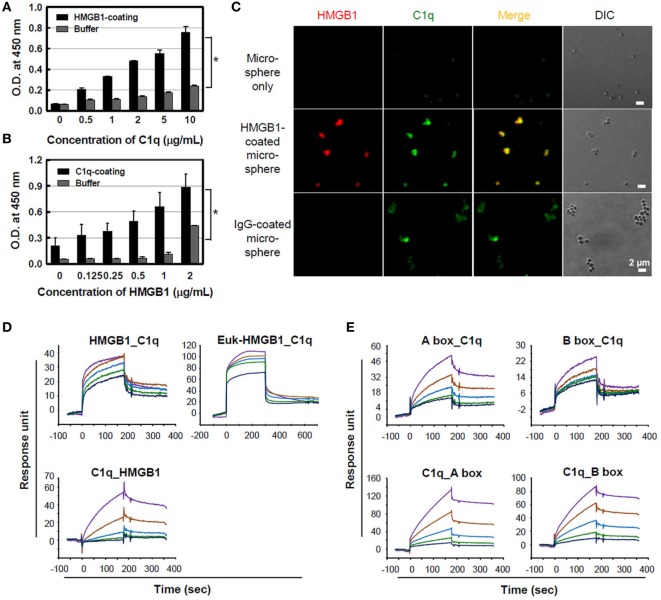
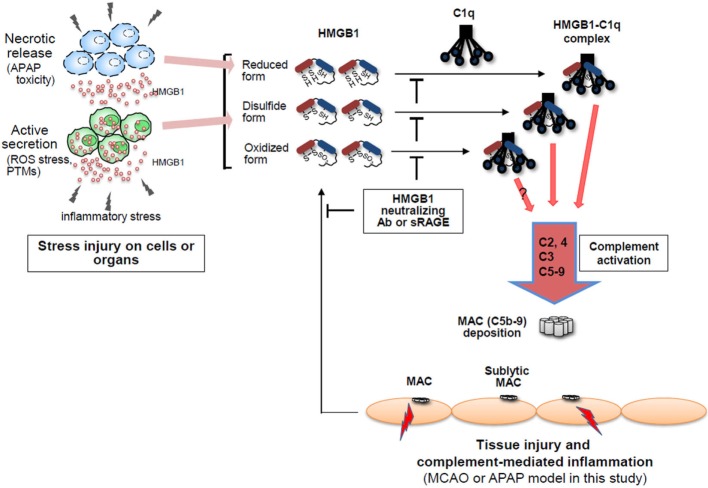
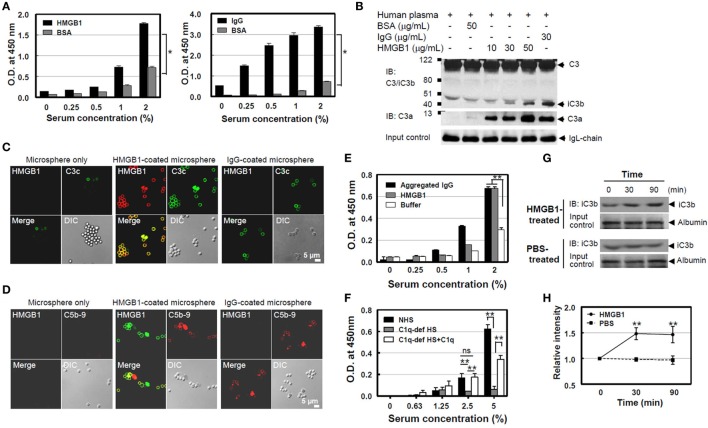
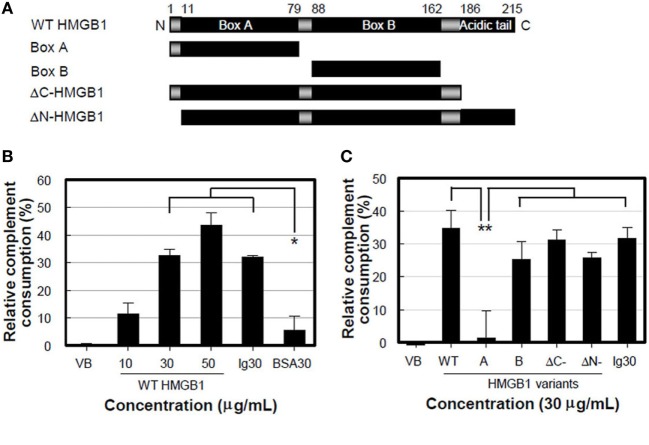
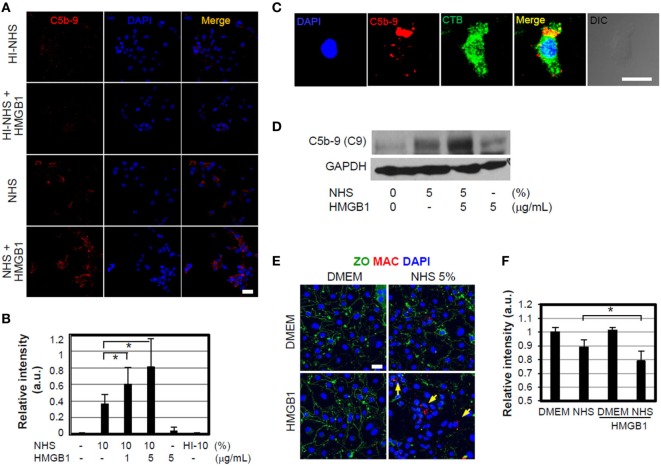
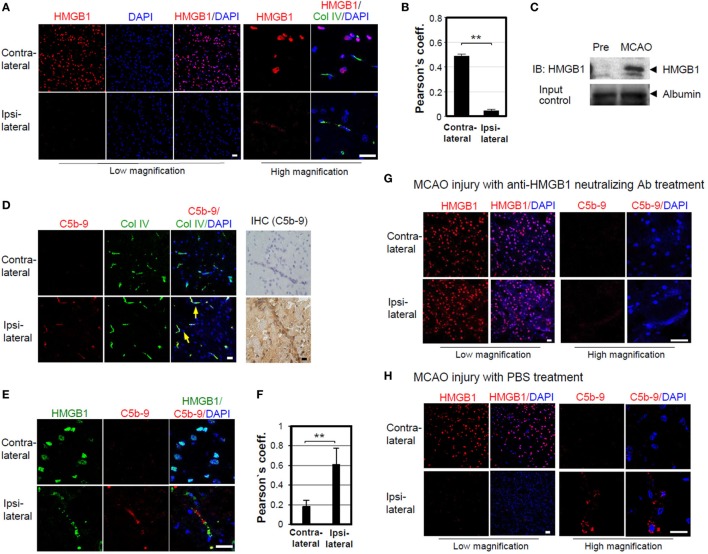
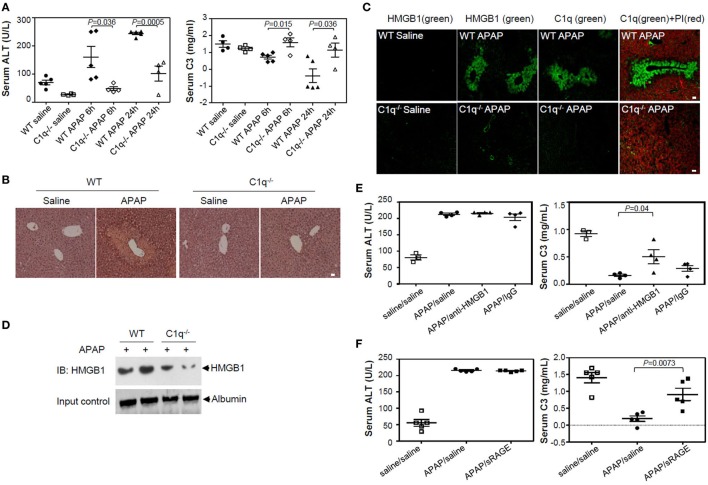
High-mobility group box 1 (HMGB1), a well-known danger-associated molecular pattern molecule, acts as a pro-inflammatory molecule when secreted by activated immune cells or released after necrotic cell damage. HMGB1 binds to immunogenic bacterial components and augments septic inflammation. In this study, we show how HMGB1 mediates complement activation, promoting sterile inflammation. We show that HMGB1 activates the classical pathway of complement system in an antibody-independent manner after binding to C1q. The C3a complement activation product in human plasma and C5b-9 membrane attack complexes on cell membrane surface are detected after the addition of HMGB1. In an acetaminophen (APAP)-induced hepatotoxicity model, APAP injection reduced HMGB1 levels and elevated C3 levels in C1q-deficient mouse serum samples, compared to that in wild-type (WT) mice. APAP-induced C3 consumption was inhibited by sRAGE treatment in WT mice. Moreover, in a mouse model of brain ischemia-reperfusion injury based on middle cerebral arterial occlusion, C5b-9 complexes were deposited on vessels where HMGB1 was accumulated, an effect that was suppressed upon HMGB1 neutralization. We propose that the HMGB1 released after cell necrosis and in ischemic condition can trigger the classical pathway of complement activation to exacerbate sterile inflammation.
高迁移率族蛋白 B1(HMGB1)是一种众所周知的危险相关分子模式分子,当被激活的免疫细胞分泌或坏死细胞损伤后释放时,它作为一种促炎分子发挥作用。HMGB1 与免疫原性细菌成分结合,增强脓毒症炎症。在这项研究中,我们展示了 HMGB1 如何通过结合 C1q 介导补体激活,促进无菌性炎症。我们发现 HMGB1 在与 C1q 结合后以抗体非依赖性的方式激活补体系统的经典途径。在加入 HMGB1 后,检测到人血浆中的 C3a 补体激活产物和细胞膜表面上的 C5b-9 膜攻击复合物。与野生型(WT)小鼠相比,在乙酰氨基酚(APAP)诱导的肝毒性模型中,APAP 注射降低了 C1q 缺陷型小鼠血清样本中的 HMGB1 水平并升高了 C3 水平。sRAGE 处理抑制了 WT 小鼠中 APAP 诱导的 C3 消耗。此外,在基于大脑中动脉闭塞的脑缺血再灌注损伤的小鼠模型中,C5b-9 复合物沉积在 HMGB1 积聚的血管上,HMGB1 中和抑制了这种沉积。我们提出,坏死细胞释放和缺血条件下释放的 HMGB1 可以触发补体经典途径的激活,从而加剧无菌性炎症。