Department of Molecular Cell and Developmental Biology, UCLA, Los Angeles, CA 90095, USA; Eli and Edythe Broad Center for Regenerative Medicine, UCLA, Los Angeles, CA 90095, USA.
Molecular Biology Institute, UCLA, Los Angeles, CA 90095, USA.
Stem Cell Reports. 2018 May 8;10(5):1453-1463. doi: 10.1016/j.stemcr.2018.04.001.
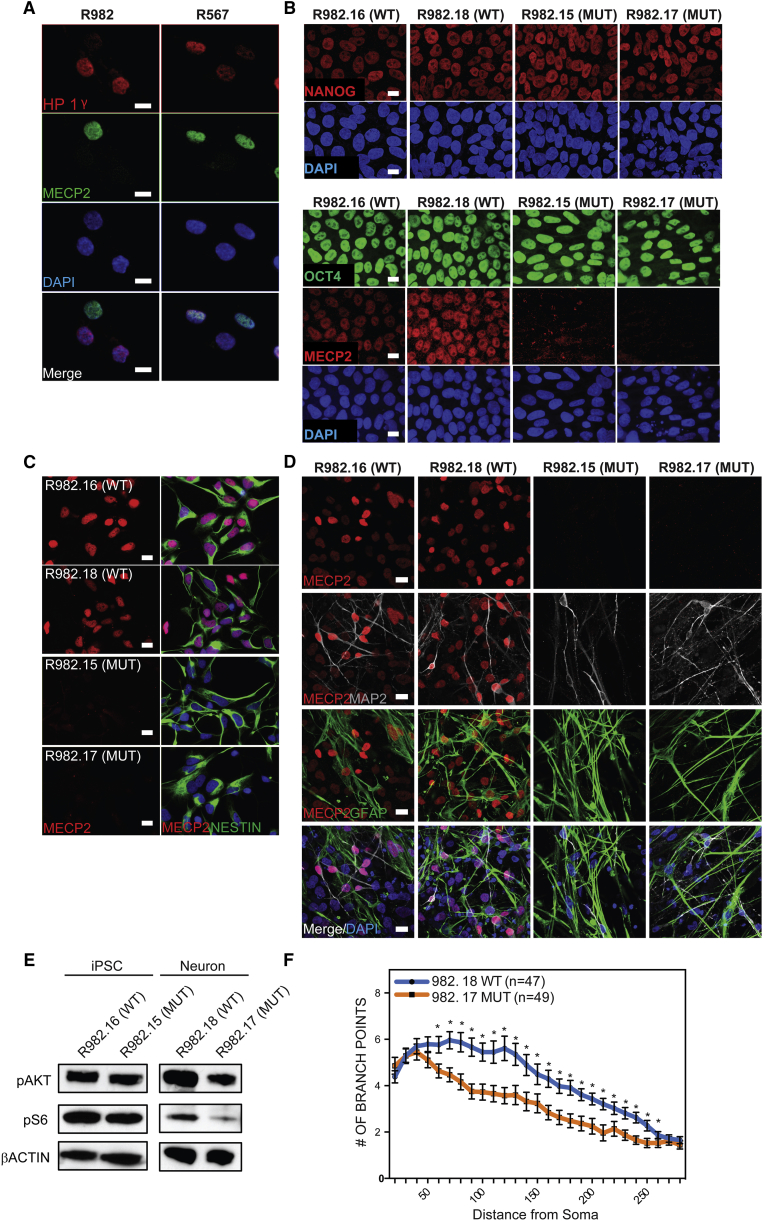
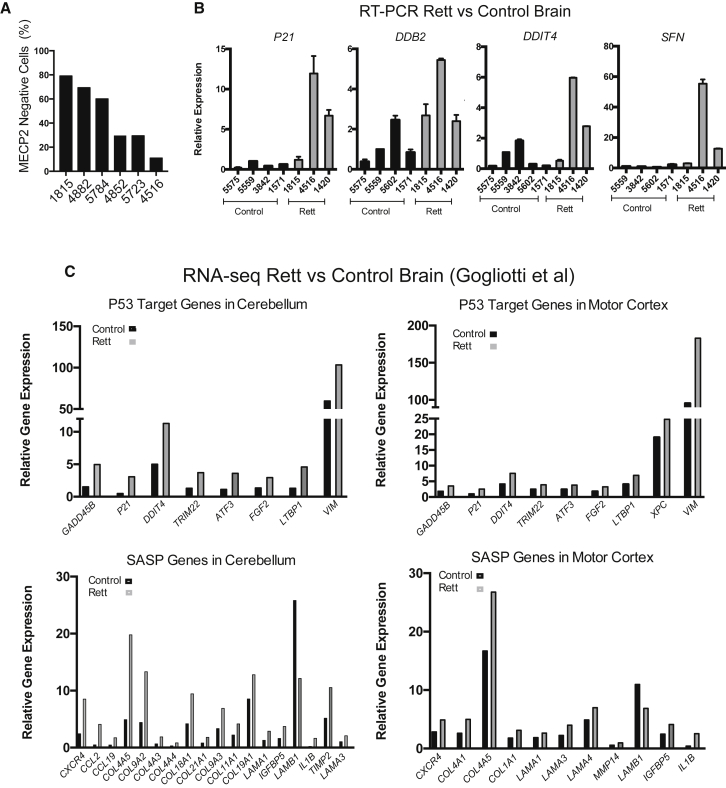
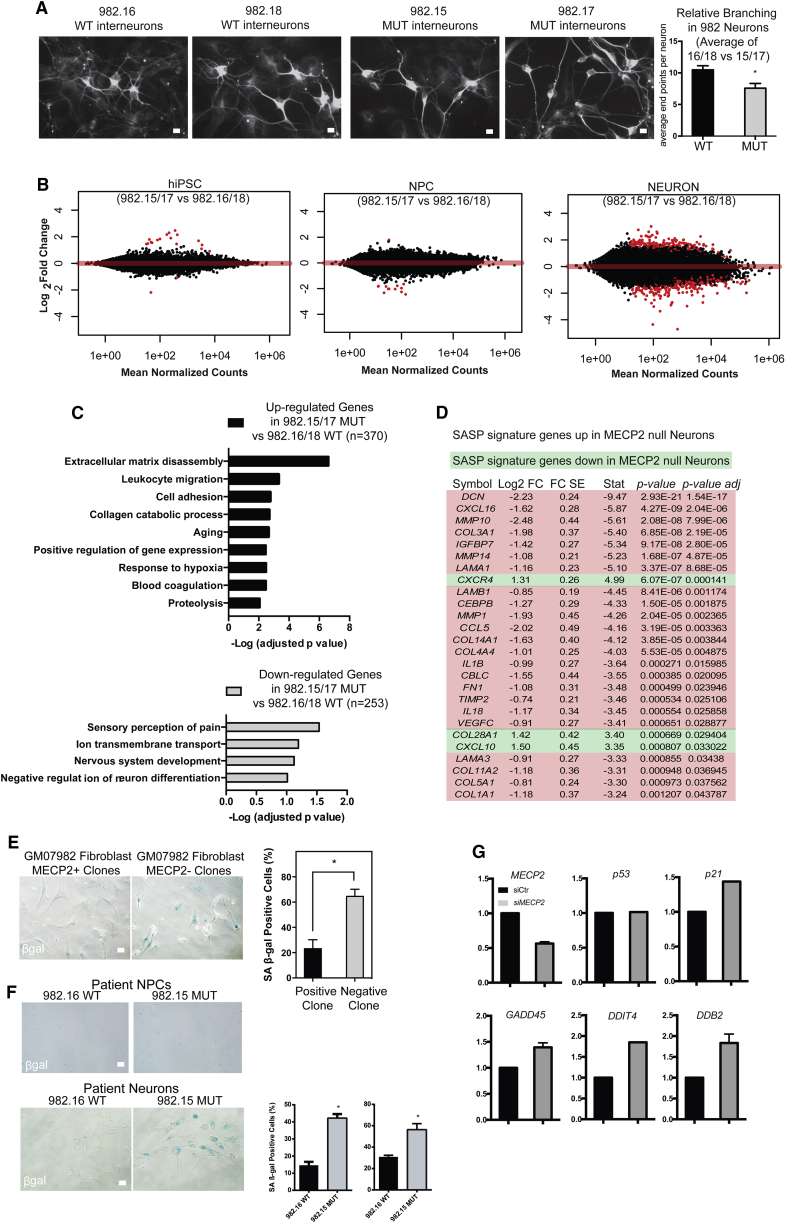
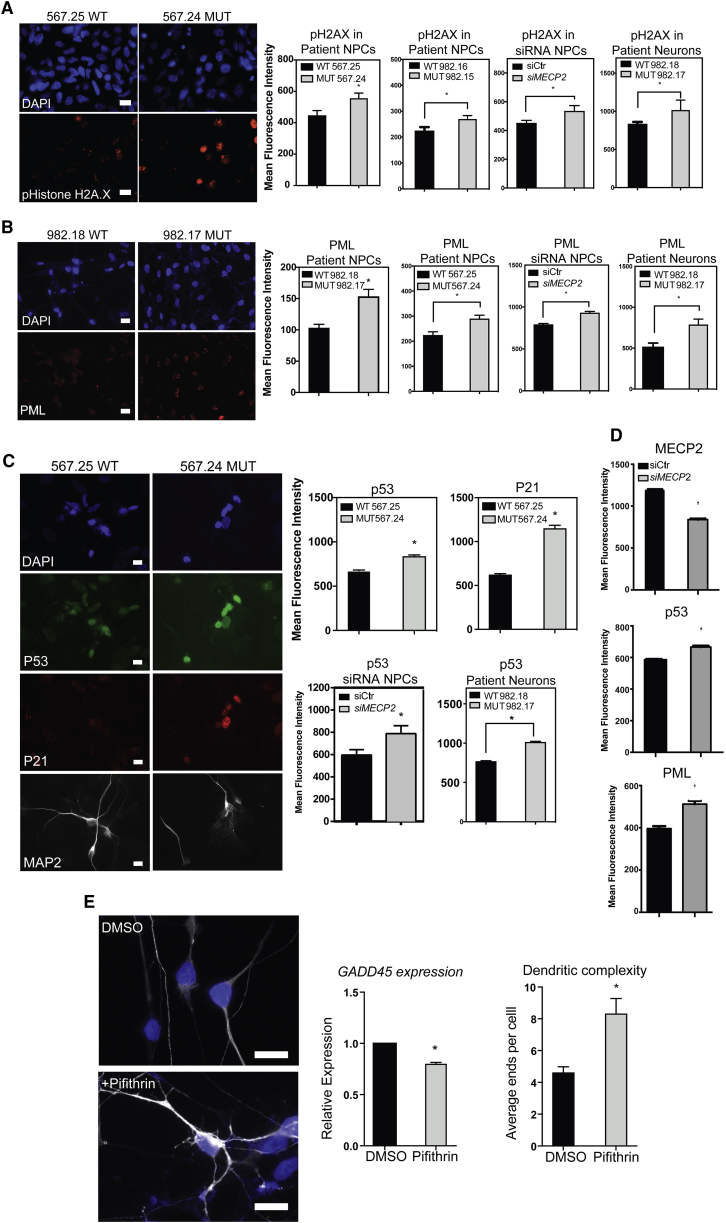
To determine the role for mutations of MECP2 in Rett syndrome, we generated isogenic lines of human induced pluripotent stem cells, neural progenitor cells, and neurons from patient fibroblasts with and without MECP2 expression in an attempt to recapitulate disease phenotypes in vitro. Molecular profiling uncovered neuronal-specific gene expression changes, including induction of a senescence-associated secretory phenotype (SASP) program. Patient-derived neurons made without MECP2 showed signs of stress, including induction of P53, and senescence. The induction of P53 appeared to affect dendritic branching in Rett neurons, as P53 inhibition restored dendritic complexity. The induction of P53 targets was also detectable in analyses of human Rett patient brain, suggesting that this disease-in-a-dish model can provide relevant insights into the human disorder.
为了确定 MECP2 突变在雷特综合征中的作用,我们从患者成纤维细胞中生成了具有和不具有 MECP2 表达的同基因系人诱导多能干细胞、神经祖细胞和神经元,试图在体外重现疾病表型。分子谱分析揭示了神经元特异性基因表达变化,包括诱导衰老相关分泌表型(SASP)程序。没有 MECP2 的患者来源神经元表现出应激迹象,包括 P53 的诱导和衰老。P53 的诱导似乎影响了 Rett 神经元的树突分支,因为 P53 抑制恢复了树突复杂性。在对人类雷特患者大脑的分析中也可以检测到 P53 靶标的诱导,这表明这种疾病模型可以为人类疾病提供相关的见解。