Guo Yanli, Huang Yi, Gao Jie, Pu Yuanyuan, Wang Nan, Shen Wenyun, Wen Jing, Yi Bin, Ma Chaozhi, Tu Jinxing, Fu Tingdong, Zou Jitao, Shen Jinxiong
1National Key Laboratory of Crop Genetic Improvement/National Engineering Research Center of Rapeseed, Huazhong Agricultural University, Wuhan, 430070 China.
3Crop Research Institute of TIANJIN Academy of Agricultural Sciences, Tianjin, 300384 China.
Biotechnol Biofuels. 2018 May 2;11:124. doi: 10.1186/s13068-018-1122-z. eCollection 2018.
Accumulation of storage compounds during seed development plays an important role in the life cycle of oilseed plants; these compounds provide carbon and energy resources to support the establishment of seedlings.
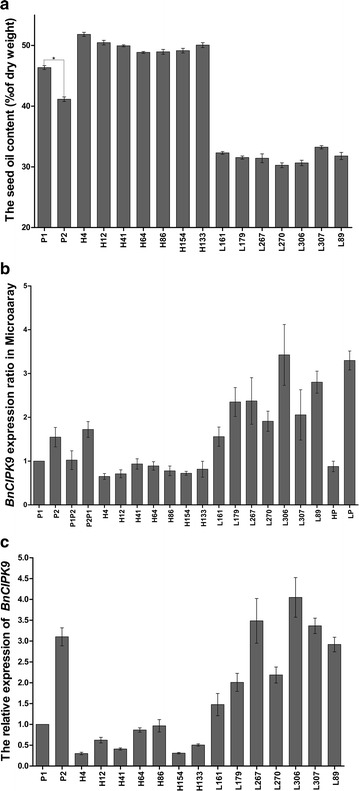
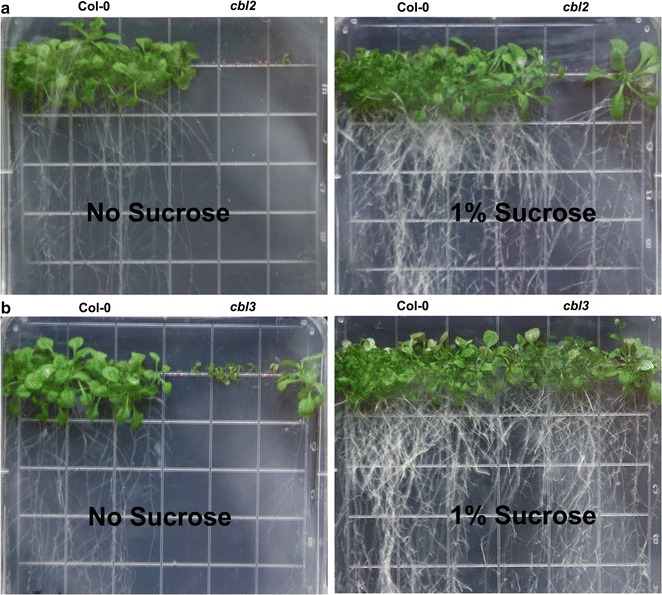
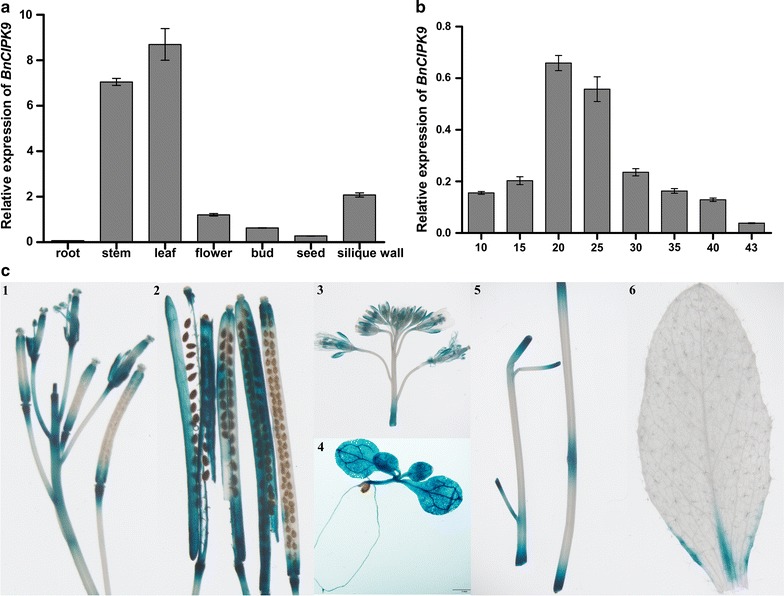
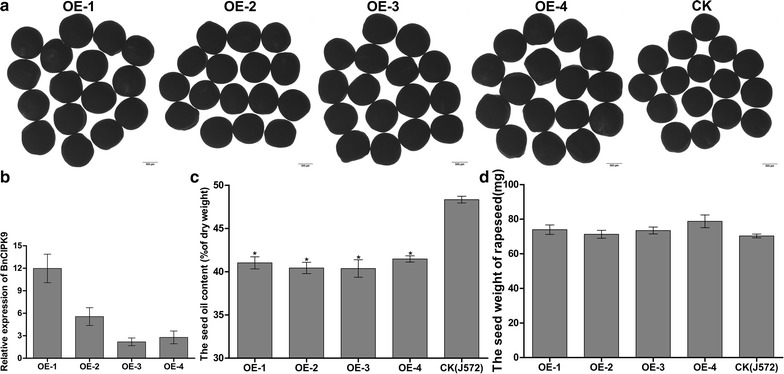
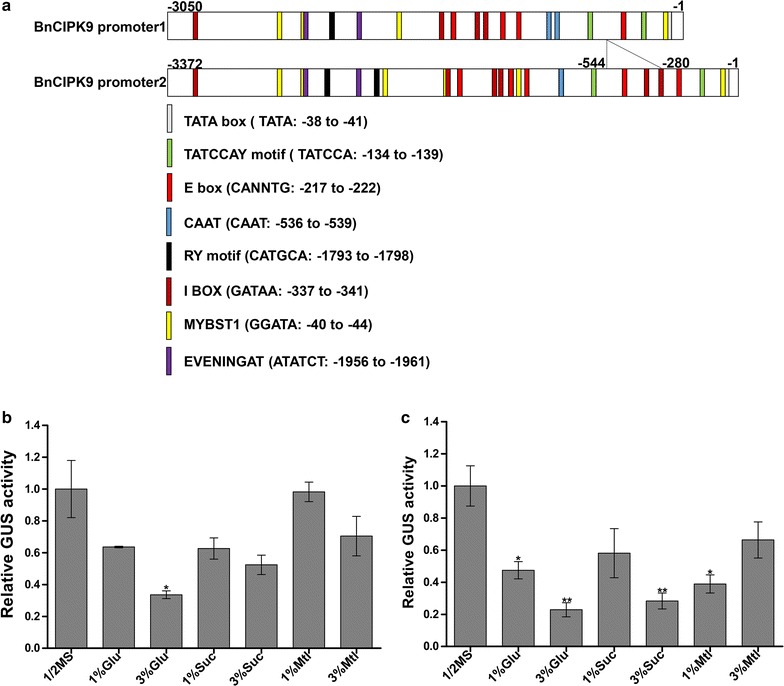
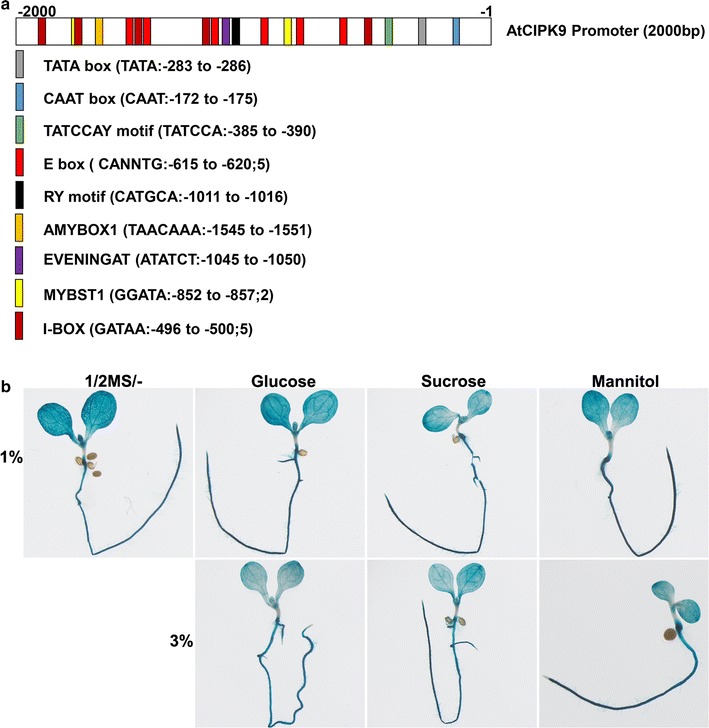
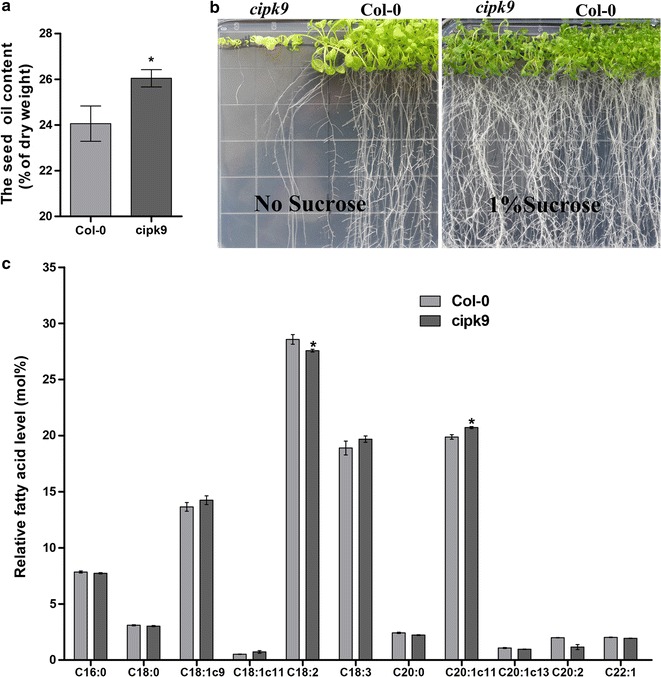
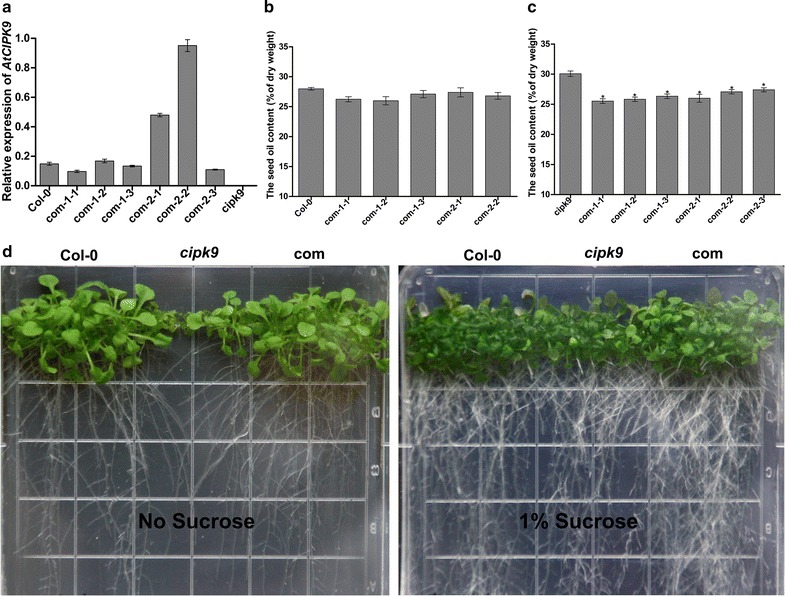
In this study, we show that has a broad expression pattern in L. tissues and that wounding stress strongly induces its expression. The overexpression of during seed development reduced oil synthesis in transgenic compared to that observed in wild-type (WT) plants. Functional analysis revealed that seed oil content (OC) of complementation lines was similar to that of WT plants, whereas OC in (L.) Heynh. knockout mutants () was higher than that of WT plants. Seedling of mutants failed to establish roots on a sugar-free medium, but root establishment could be rescued by supplementation of sucrose or glucose. The phenotype of complementation transgenic lines was similar to that of WT plants when grown on sugar-free medium. Mutants, , , and presented similar phenotypes, suggesting that CIPK9, CBL2, and CBL3 might work together and play similar roles in root establishment under sugar-free condition.
This study showed that and encode a protein kinase that is involved in sugar-related response and plays important roles in the regulation of energy reserves. Our results suggest that negatively regulates lipid accumulation and has a significant effect on early seedling establishment in . The functional characterization of provides insights into the regulation of OC, and might be used for improving OC in . We believe that our study makes a significant contribution to the literature because it provides information on how CIPKs coordinate stress regulation and energy signaling.
种子发育过程中储存化合物的积累在油料植物的生命周期中起着重要作用;这些化合物提供碳和能量资源以支持幼苗的建立。
在本研究中,我们表明[具体基因名称]在[植物名称]L.组织中具有广泛的表达模式,并且创伤胁迫强烈诱导其表达。与野生型(WT)植物相比,种子发育过程中[具体基因名称]的过表达降低了转基因[植物名称]中的油脂合成。功能分析表明,互补系的种子油含量(OC)与WT植物相似,而[植物名称](L.)Heynh.敲除突变体([突变体名称])中的OC高于WT植物。[突变体名称]突变体的幼苗在无糖培养基上无法生根,但补充蔗糖或葡萄糖可挽救生根。在无糖培养基上生长时,互补转基因系的表型与WT植物相似。[突变体名称]、[突变体名称]、[突变体名称]和[突变体名称]呈现相似的表型,表明CIPK9、CBL2和CBL3可能共同发挥作用,并在无糖条件下的生根过程中发挥相似作用。
本研究表明[具体基因名称]和[具体基因名称]编码一种参与糖相关反应的蛋白激酶,并在能量储备的调节中起重要作用。我们的结果表明[具体基因名称]负调控脂质积累,并对[植物名称]的早期幼苗建立有显著影响。[具体基因名称]的功能表征为OC的调节提供了见解,并可能用于提高[植物名称]中的OC。我们相信我们的研究对文献做出了重大贡献,因为它提供了关于CIPKs如何协调胁迫调节和能量信号传导的信息。