Department of Applied Life Science, Graduate School, Konkuk University, Chungju 27478, Republic of Korea.
Research Institute of Inflammatory Disease, Department of Biotechnology, College of Biomedical and Health Science, Konkuk University, Chungju 27478, Republic of Korea.
Oxid Med Cell Longev. 2018 Mar 20;2018:1209801. doi: 10.1155/2018/1209801. eCollection 2018.
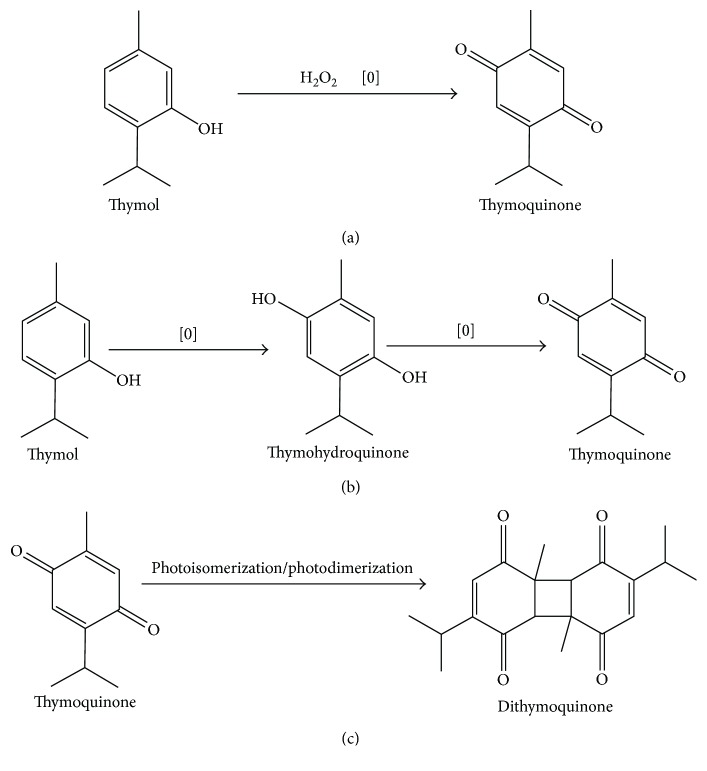
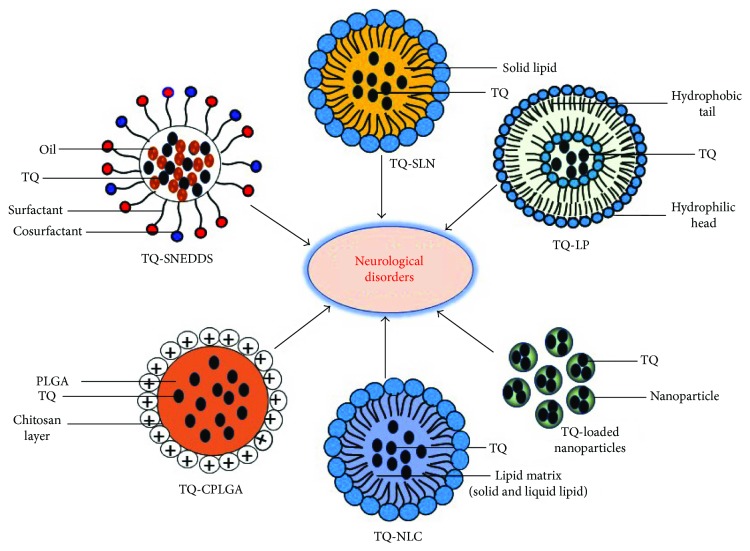
Thymoquinone (TQ) is an active ingredient isolated from and has various pharmacological activities, such as protection against oxidative stress, inflammation, and infections. In addition, it might be a potential neuropharmacological agent because it exhibits versatile potential for attenuating neurological impairments. It features greater beneficial effects in toxin-induced neuroinflammation and neurotoxicity. In various models of neurological disorders, it demonstrates emergent functions, including safeguarding various neurodegenerative diseases and other neurological diseases, such as stroke, schizophrenia, and epilepsy. TQ also has potential effects in trauma mediating and chemical-, radiation-, and drug-induced central nervous system injuries. Considering the pharmacokinetic limitations, research has concentrated on different TQ novel formulations and delivery systems. Here, we visualize the neuropharmacological potential, challenges, and delivery prospects of TQ, specifically focusing on neurological disorders along with its chemistry, pharmacokinetics, and toxicity.
百里醌(TQ)是从 中分离得到的一种活性成分,具有多种药理活性,如抗氧化应激、炎症和感染的保护作用。此外,它可能是一种潜在的神经药理学药物,因为它具有减轻神经损伤的多种潜在功能。它在毒素诱导的神经炎症和神经毒性中具有更大的有益作用。在各种神经疾病模型中,它表现出紧急功能,包括保护各种神经退行性疾病和其他神经系统疾病,如中风、精神分裂症和癫痫。TQ 在介导创伤以及化学、辐射和药物引起的中枢神经系统损伤方面也具有潜在作用。考虑到药代动力学的限制,研究集中在 TQ 的不同新型制剂和传递系统上。在这里,我们特别关注神经疾病,以及它的化学、药代动力学和毒性,可视化 TQ 的神经药理学潜力、挑战和传递前景。