Yu Wei, Ma Yiming, Shankar Sharmila, Srivastava Rakesh K
Kansas City VA Medical Center, Kansas City, MO, USA.
Department of Pathology, School of Medicine, University of Missouri-Kansas City, Kansas City, MO, USA.
J Cell Mol Med. 2018 Aug;22(8):3920-3928. doi: 10.1111/jcmm.13666. Epub 2018 May 15.
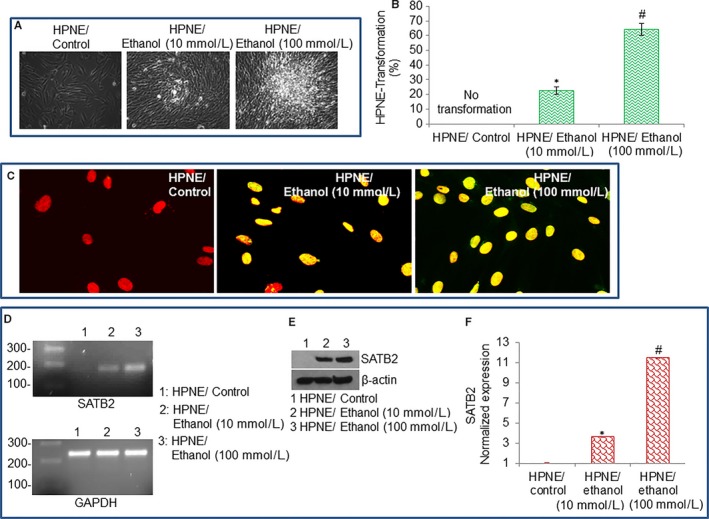
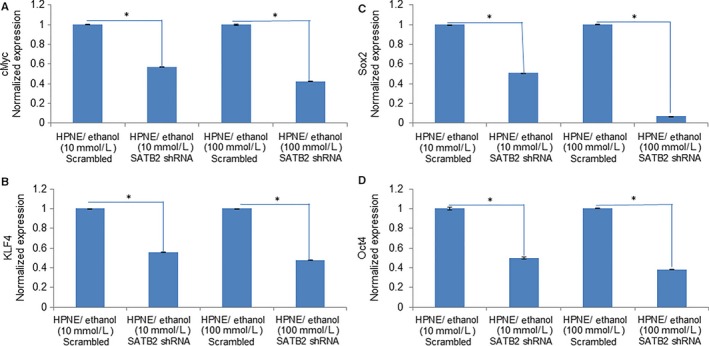
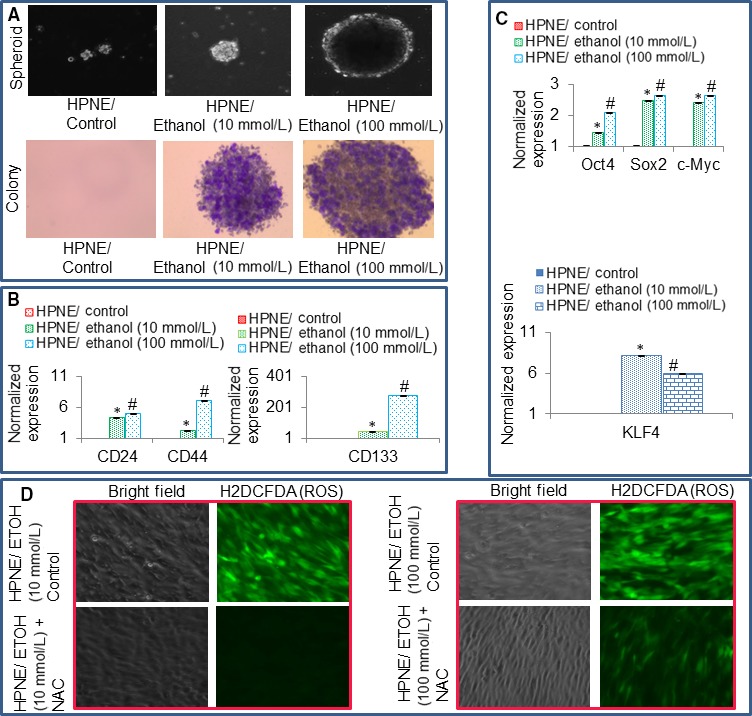
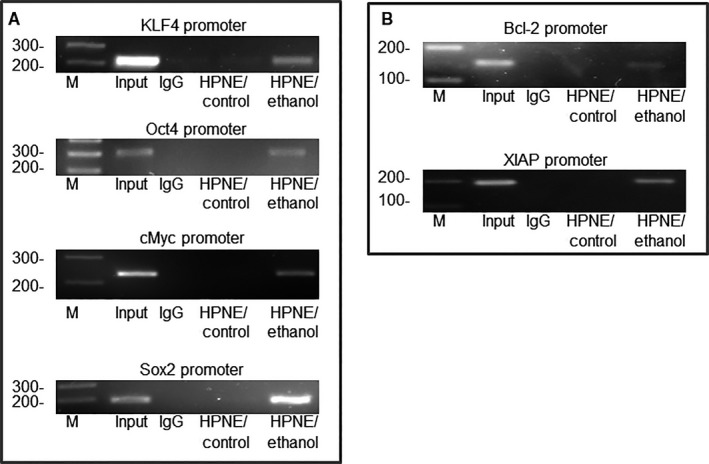
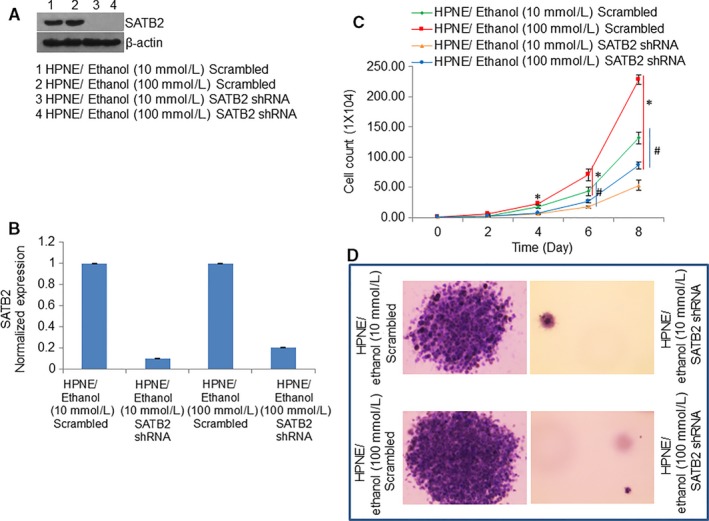
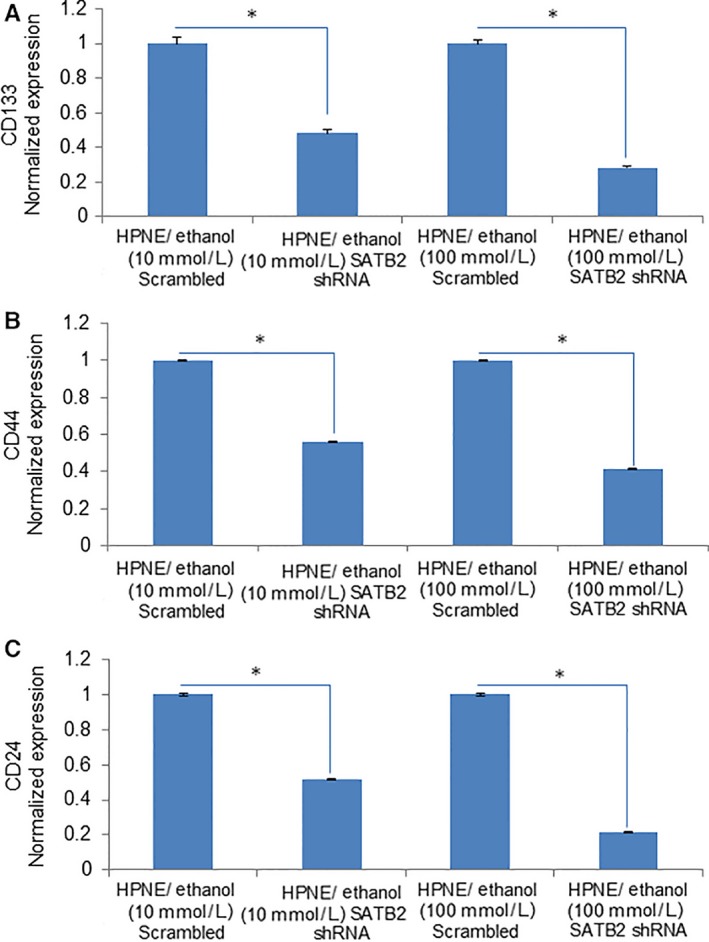
The incidence of pancreatic cancer is on the rise. Risk factors for pancreatic cancer include alcohol toxicity and metabolic conditions such as obesity, hypertension, dyslipidaemia, insulin resistance and type 2 diabetes. However, the molecular mechanism by which chronic alcohol consumption contributes to pancreatic cancer is not well understood. The purpose of the study was to demonstrate the effects of long-term chronic ethanol exposure on the transformation of human pancreatic normal ductal epithelial (HPNE) cells. Our data showed that ethanol-transformed HPNE cells were more progressively transformed exhibiting spheroids and colonies, and anchorage-independent growth. These transformed cells contained high levels of reactive oxygen species and induced SATB2 expression. Furthermore, during ethanol-induced cellular transformation, cells gained the phenotypes of cancer stem cells (CSCs) by expressing pluripotency maintaining factors (Oct4, Sox2, cMyc and KLF4) and stem cell markers (CD24, CD44 and CD133). Ethanol-induced SATB2 can bind to the promoters of KLF4, Oct4, cMyc, Sox2, Bcl-2 and XIAP genes. Suppression of SATB2 expression in ethanol-transformed HPNE cells inhibited cell proliferation, colony formation and markers of CSCs and pluripotency. These data suggest that chronic alcohol consumption may contribute toward the development of pancreatic cancer by converting HPNE cells to cancer stem-like cells.
胰腺癌的发病率正在上升。胰腺癌的风险因素包括酒精中毒以及肥胖、高血压、血脂异常、胰岛素抵抗和2型糖尿病等代谢状况。然而,长期饮酒导致胰腺癌的分子机制尚不清楚。本研究的目的是证明长期慢性乙醇暴露对人胰腺正常导管上皮(HPNE)细胞转化的影响。我们的数据表明,乙醇转化的HPNE细胞更易逐渐转化,表现为形成球体和集落,以及非锚定依赖性生长。这些转化细胞含有高水平的活性氧并诱导SATB2表达。此外,在乙醇诱导的细胞转化过程中,细胞通过表达多能性维持因子(Oct4、Sox2、cMyc和KLF4)和干细胞标志物(CD24、CD44和CD133)获得了癌症干细胞(CSC)的表型。乙醇诱导的SATB2可与KLF4、Oct4、cMyc、Sox2、Bcl-2和XIAP基因的启动子结合。抑制乙醇转化的HPNE细胞中SATB2的表达可抑制细胞增殖、集落形成以及CSC和多能性标志物。这些数据表明,长期饮酒可能通过将HPNE细胞转化为癌症干细胞样细胞而促进胰腺癌的发生。