John P. Hussman Institute for Human Genomics, University of Miami Miller School of Medicine, Miami, Florida, 33136, USA.
Department of Medical & Molecular Genetics, Oregon Health & Science University, Portland, Oregon, 97239, USA.
Sci Rep. 2018 May 30;8(1):8423. doi: 10.1038/s41598-018-26495-1.
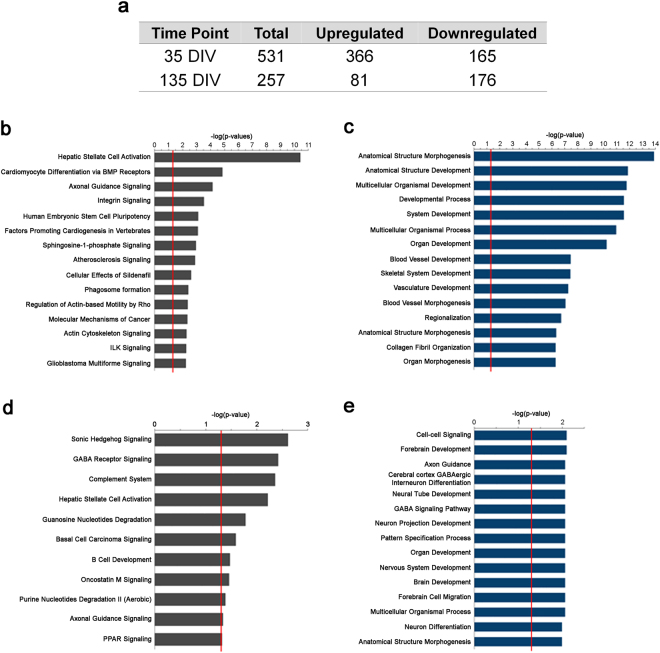
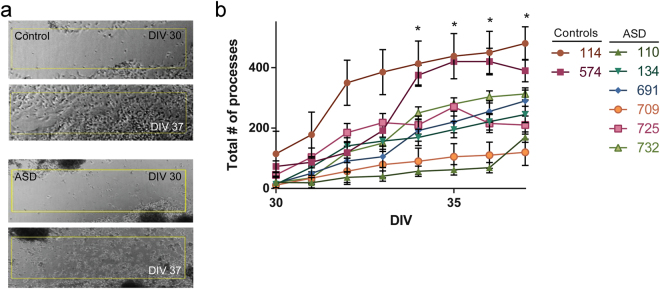
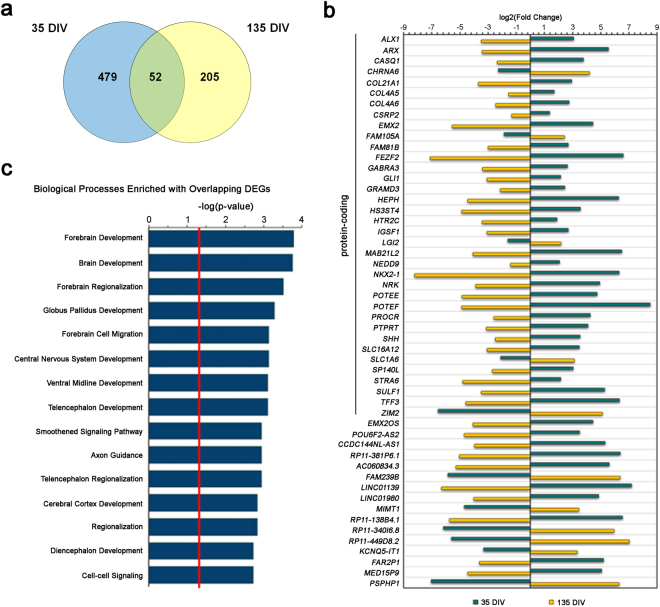
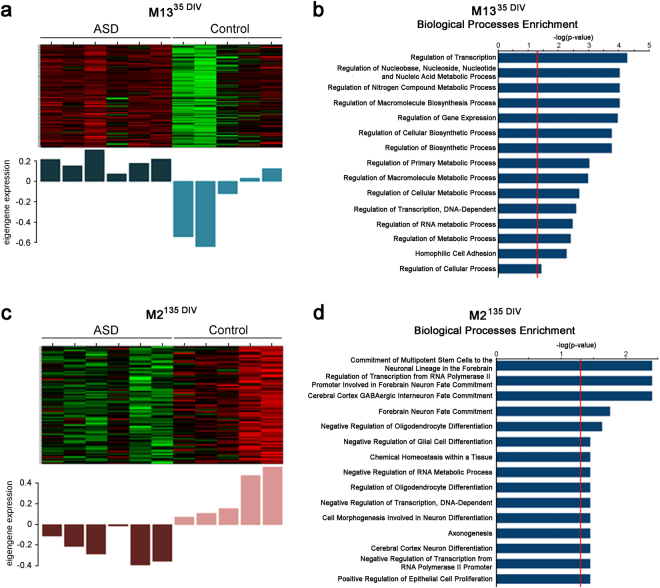
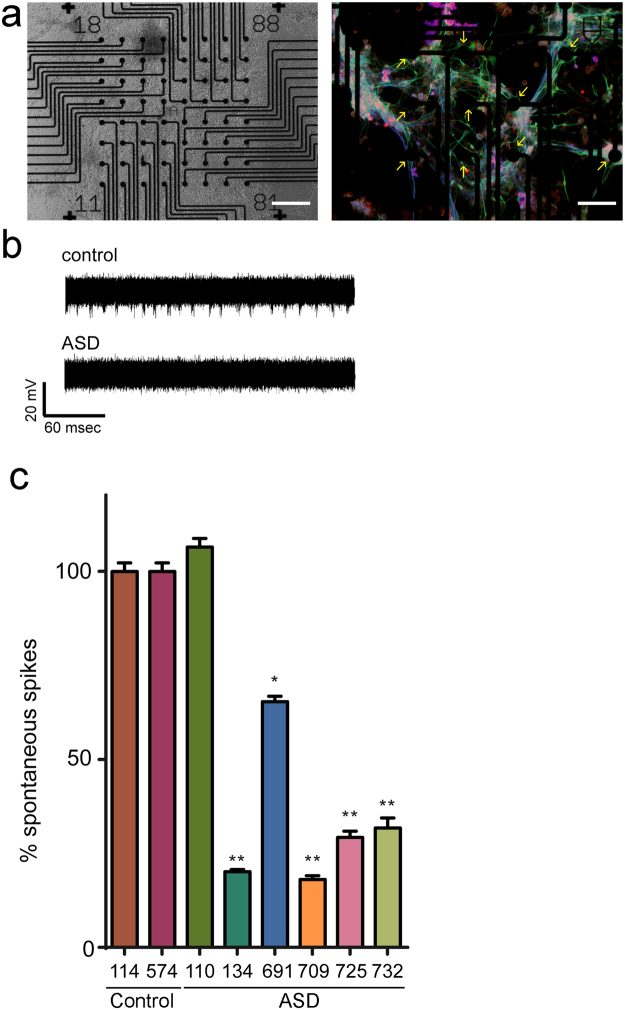
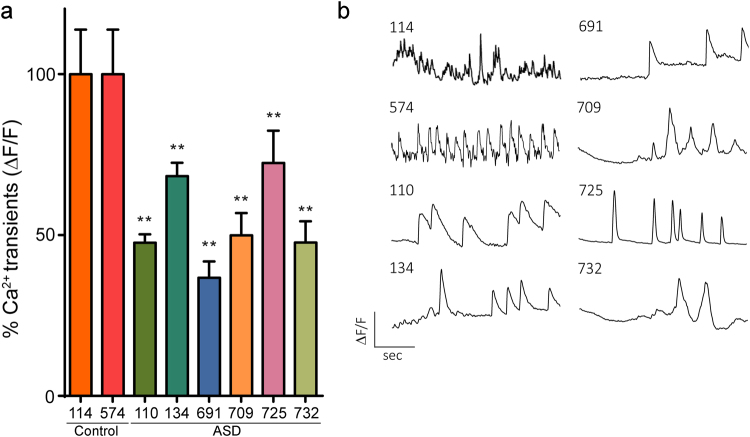
Potentially pathogenic alterations have been identified in individuals with autism spectrum disorders (ASDs) within a variety of key neurodevelopment genes. While this hints at a common ASD molecular etiology, gaps persist in our understanding of the neurodevelopmental mechanisms impacted by genetic variants enriched in ASD patients. Induced pluripotent stem cells (iPSCs) can model neurodevelopment in vitro, permitting the characterization of pathogenic mechanisms that manifest during corticogenesis. Taking this approach, we examined the transcriptional differences between iPSC-derived cortical neurons from patients with idiopathic ASD and unaffected controls over a 135-day course of neuronal differentiation. Our data show ASD-specific misregulation of genes involved in neuronal differentiation, axon guidance, cell migration, DNA and RNA metabolism, and neural region patterning. Furthermore, functional analysis revealed defects in neuronal migration and electrophysiological activity, providing compelling support for the transcriptome analysis data. This study reveals important and functionally validated insights into common processes altered in early neuronal development and corticogenesis and may contribute to ASD pathogenesis.
在各种关键的神经发育基因中,已经在自闭症谱系障碍(ASD)个体中发现了潜在的致病性改变。虽然这暗示了 ASD 的共同分子病因,但我们对受 ASD 患者中富集的遗传变异影响的神经发育机制仍存在理解上的差距。诱导多能干细胞(iPSC)可以在体外模拟神经发育,从而能够对皮质发生过程中表现出的致病机制进行特征描述。采用这种方法,我们在 135 天的神经元分化过程中,研究了来自特发性 ASD 患者和未受影响的对照者的 iPSC 衍生的皮质神经元之间的转录差异。我们的数据显示,与神经元分化、轴突导向、细胞迁移、DNA 和 RNA 代谢以及神经区域模式形成相关的基因在 ASD 中存在特异性的失调。此外,功能分析显示神经元迁移和电生理活性存在缺陷,为转录组分析数据提供了有力支持。这项研究揭示了在早期神经元发育和皮质发生过程中改变的常见过程的重要和功能验证的见解,并可能有助于 ASD 的发病机制。