Chandrashekar B S, Prabhakara S, Mohan T, Shabeer D, Bhandare Basavaraj, Nalini M, Sharmila P S, Meghana D L, Reddy Basanth Kumar, Hanumantha Rao H M, Sahajananda H, Anbazhagan K
Chemistry of Forest Products (CFP) Division, Institute of Wood Science and Technology, Bangalore, Karnataka, India.
Department of Genetics, Central Research Laboratory, Bangalore, Karnataka, India.
Indian J Pharmacol. 2018 Jan-Feb;50(1):12-21. doi: 10.4103/ijp.IJP_418_17.
L. (RC) is a well-known and highly valuable medicinal plant in the Ayurvedic system. The present study involves evaluating antioxidant and cardioprotective property of RC root extract.
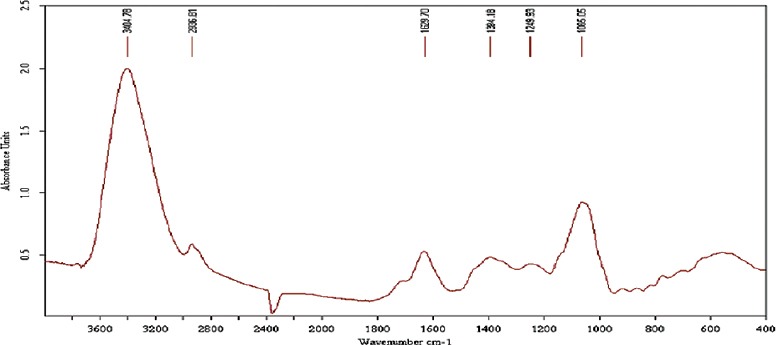
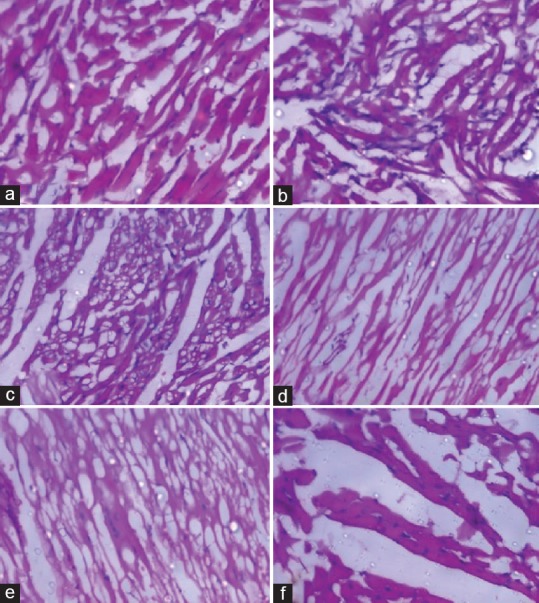
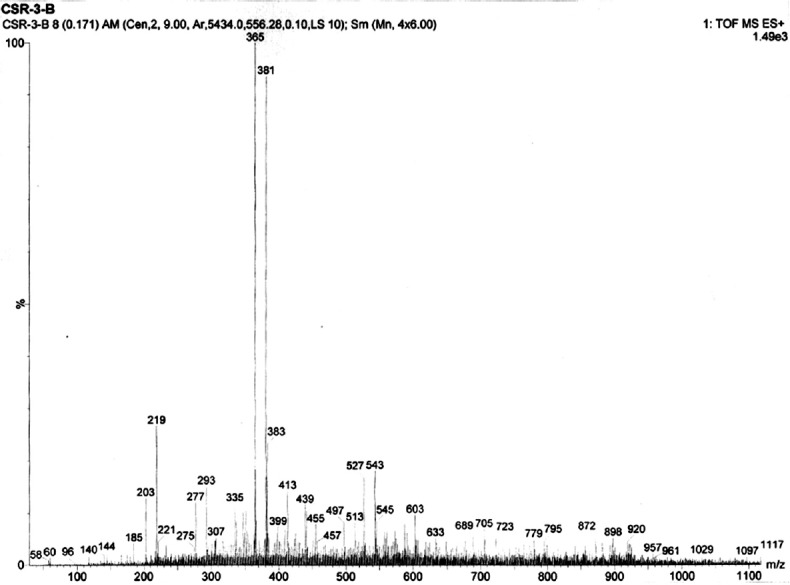
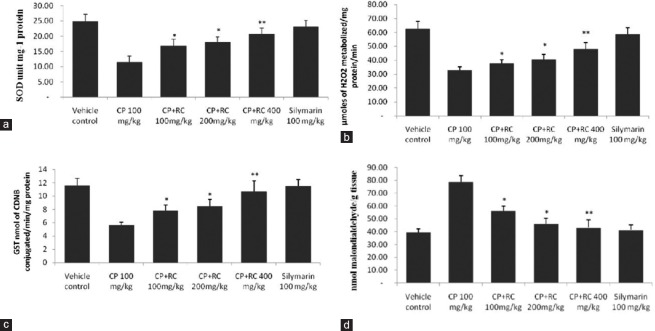
The characterization of RC root extract was carried out using standard phytochemical and biochemical analysis. The functional groups were analyzed by Fourier transform infrared (FTIR) spectroscopy and phytotherapeutic compounds were identified using high-resolution mass spectrometry (HR-MS). Cardioprotective activity of RC root extract was investigated against cyclophosphamide (CP; 100 mg/kg, i.p)-induced cardiotoxicity in male albino Wistar rats. RC (100, 200, and 400 mg/kg, p.o) or silymarin (100 mg/kg, p.o) was administered immediately after CP on the 1 day and the next consecutive 10 days. Biochemical and histopathological analysis was performed to observe the cardioprotective effects of RC root extract.
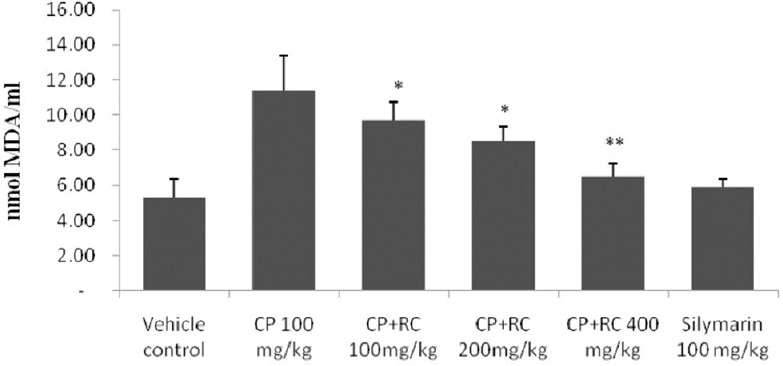
Phytochemical analysis revealed the presence of secondary metabolites that include alkaloids, flavonoids, saponins, and anthraquinones in RC root extract. FTIR analysis revealed the presence of several functional groups. Based on HR-MS analysis, eight major phytotherapeutic compounds were identified in methanol root extract of RC. Biochemical analysis in CP-induced rat model administered with RC extract revealed significantly enhanced levels of antioxidant markers such as superoxide dismutase, catalase, and glutathione S-transferase. Histopathological study showed that the rat model treated with the root extract had reduced the cardiac injury.
Our results have shown that the RC extract contains various antioxidant compounds with cardioprotective effect. Treatment with RC root extract could significantly protect CP-induced rats from cardiac tissue injury by restoring the antioxidant markers.
长蒴母草(L. (RC))是阿育吠陀体系中一种著名且极具价值的药用植物。本研究旨在评估长蒴母草根提取物的抗氧化和心脏保护特性。
采用标准的植物化学和生化分析方法对长蒴母草根提取物进行表征。通过傅里叶变换红外光谱(FTIR)分析官能团,并使用高分辨率质谱(HR-MS)鉴定植物治疗化合物。研究长蒴母草根提取物对环磷酰胺(CP;100mg/kg,腹腔注射)诱导的雄性白化Wistar大鼠心脏毒性的心脏保护活性。在第1天CP给药后及随后连续10天,立即给予长蒴母草(100、200和400mg/kg,口服)或水飞蓟宾(100mg/kg,口服)。进行生化和组织病理学分析以观察长蒴母草根提取物的心脏保护作用。
植物化学分析表明长蒴母草根提取物中存在次生代谢产物,包括生物碱、黄酮类、皂苷和蒽醌类。FTIR分析显示存在多个官能团。基于HR-MS分析,在长蒴母草甲醇根提取物中鉴定出八种主要的植物治疗化合物。对给予长蒴母草提取物的CP诱导大鼠模型进行的生化分析显示,超氧化物歧化酶、过氧化氢酶和谷胱甘肽S-转移酶等抗氧化标志物水平显著提高。组织病理学研究表明,用根提取物处理的大鼠模型心脏损伤减轻。
我们的结果表明,长蒴母草提取物含有多种具有心脏保护作用的抗氧化化合物。用长蒴母草根提取物治疗可通过恢复抗氧化标志物,显著保护CP诱导的大鼠免受心脏组织损伤。